From JeM to LeT: 5 Pakistan-backed terror networks behind India’s most notorious attacks

Over the past three decades, India has faced a string of violent attacks linked to terror networks operating from across the border in Pakistan.
Introduction — tracking the external threat
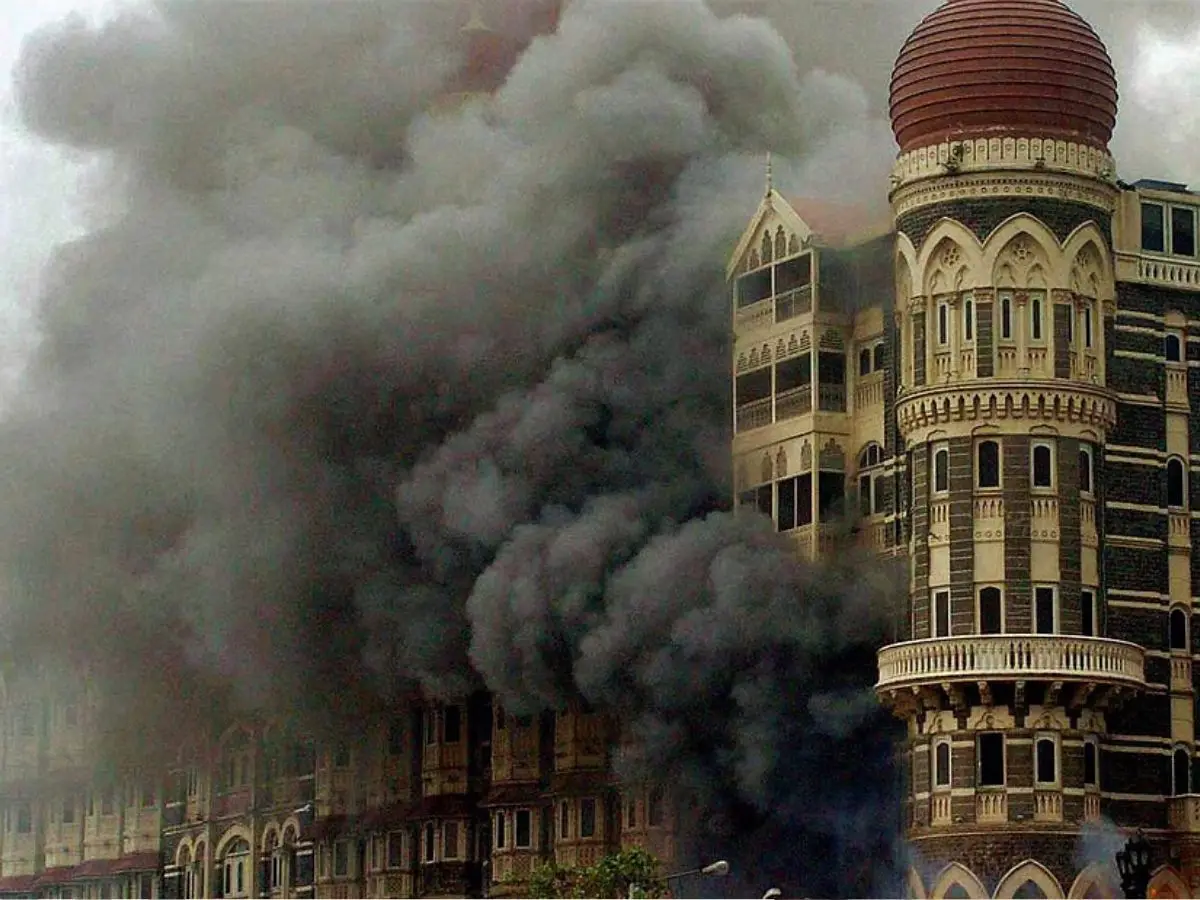
Over the past two decades, India has faced a series of devastating attacks orchestrated by terror networks operating from Pakistan. From urban centres to border regions, these groups have targeted civilians, security forces, and strategic locations, leaving thousands dead and shaping national security priorities. Here are 5 most notorious five Pakistan-backed terror networks and the attacks that have left a lasting mark on India’s security landscape.
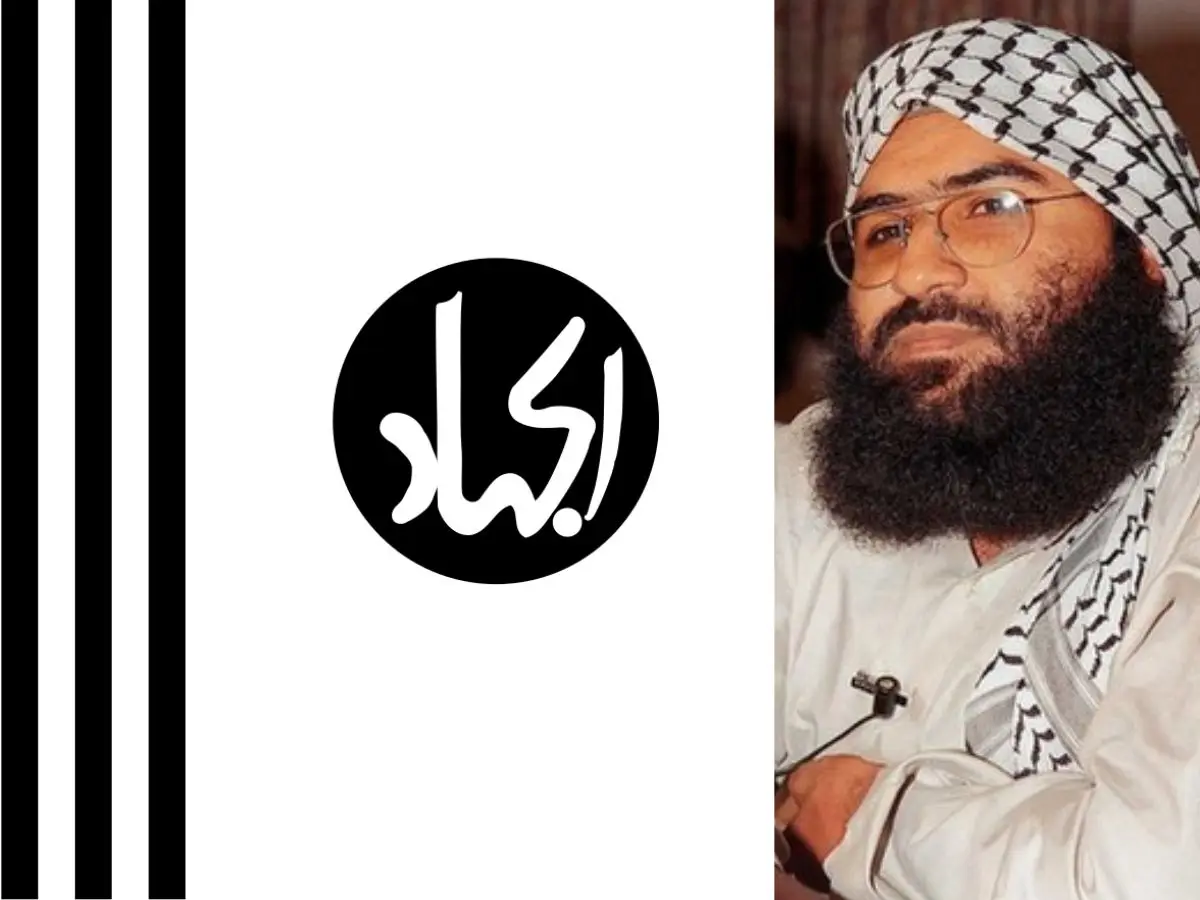
1. Jaish‑e‑Mohammed (JeM)
JeM was founded in Pakistan by Maulana Masood Azhar in 2000 after his release by Indian authorities. The group claimed responsibility for the 2001 attack on India’s Parliament in New Delhi, which killed eight people. It later carried out the April 2019 suicide bombing in Pulwama, Jammu & Kashmir, that killed 40 CRPF personnel. JeM continues to adapt by decentralising its camps and using digital methods to recruit and fundraise.
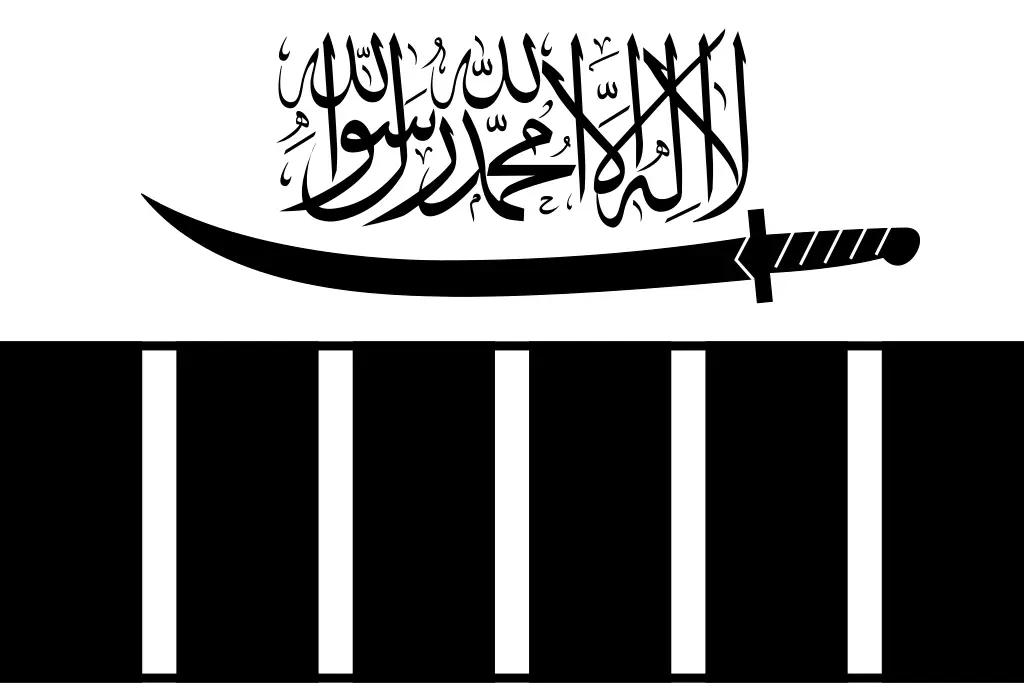
2. Lashkar‑e‑Taiba (LeT)
Formed in 1986 and designated a terrorist organisation by India, the US and the UN, LeT is widely held responsible for the 2008 Mumbai terror attacks in which 166 people died over four days of gun and bomb attacks. LeT also played a role in earlier strikes such as the 2001 Parliament attack. The group engages a broad ecosystem of fronts and social service outfits to sustain operations.

3. Harkat‑ul‑Mujahideen (HuM)
HuM emerged in the 1980s and has been involved in militant activities in Kashmir and beyond. It supported the 1999 hijacking of Indian Airlines Flight IC‑814, which resulted in the release of terrorist Omar Saeed Sheikh. HuM has connections with both JeM and LeT and forms part of the wider militant network operating from Pakistan’s border regions.
4. The Resistance Front (TRF)
TRF is a more recent manifestation of Pakistan‑based terror infrastructure, designated by the United States as a Foreign Terrorist Organisation in 2025. The group claimed responsibility for the April 2025 Pahalgam tourist attack in Kashmir. It is seen as a proxy for LeT and signals how terror groups have evolved by using new names and localised fronts to evade global scrutiny.

5. Jaish‑ul‑Adl (JuA) (Note: This group is Iranian‑based but has Pakistan‑linked elements, and is included here as an ex
JuA has been less active in India compared to the other groups listed, but serves to illustrate the wider south‑Asian terror network that indirectly impacts Indian security. It highlights how militant infrastructures often overlap national boundaries and receive safe‑haven support in complex border zones.
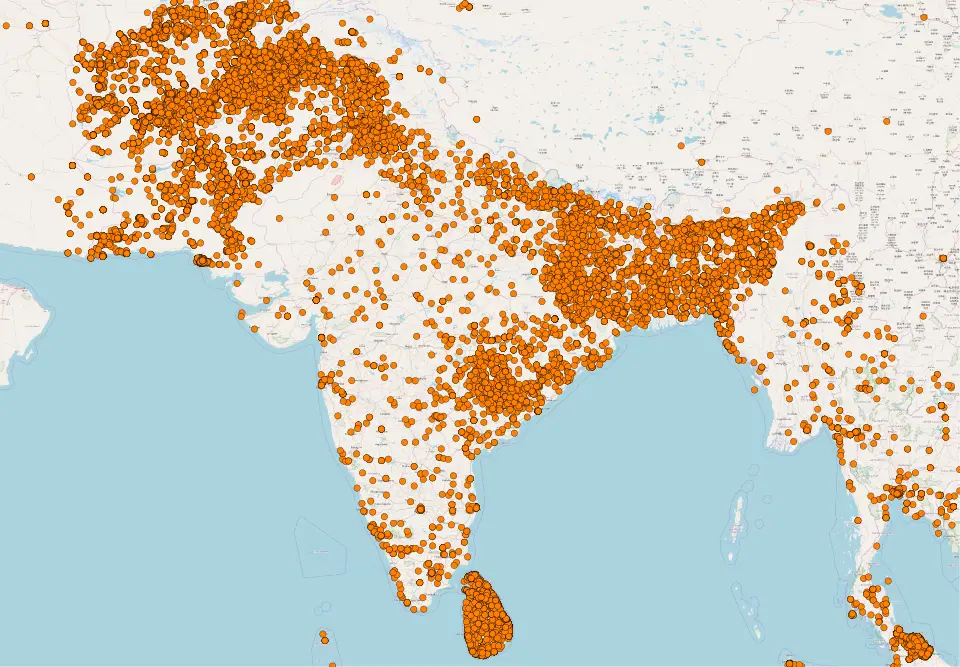
The evolving threat landscape
These five networks reveal how state‑sponsored or state‑tolerated terror has impacted India’s security over the years. What began as mass‑casualty attacks in urban centres has shifted toward smaller, more agile units using digital propaganda, remote recruitment and local fronts.
)
)
)
)
)