From BrahMos to Pinaka: Made-in-India arms that foreign militaries are lining up to purchase

Defence exports surged to Rs. 21,083 crore in FY 2023-24, representing a 32.5 per cent increase over the previous year. India now exports to more than 85 countries.
Introduction: India’s weapon exports enter the big league
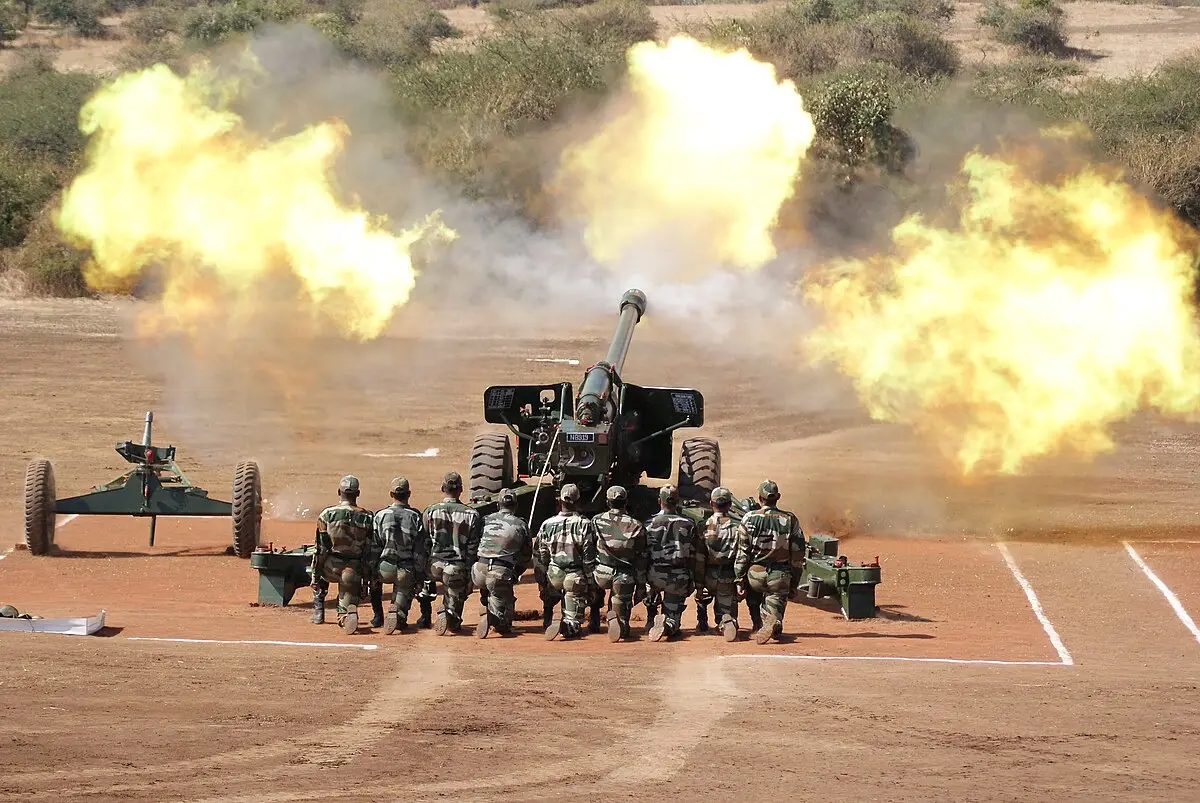
In recent years India has moved from importing arms to exporting them, and its missile and rocket systems are leading the charge. According to a Ministry of Defence-leaflet, defence exports surged to Rs. 21,083 crore in FY 2023-24, representing a 32.5 per cent increase over the previous year. India now exports to more than 85 countries. The interest in Indian missiles and rocket systems is expanding fast, underlining New Delhi’s ambitions to become a global supplier of military hardware.
BrahMos: the supersonic cruise missile everyone wants
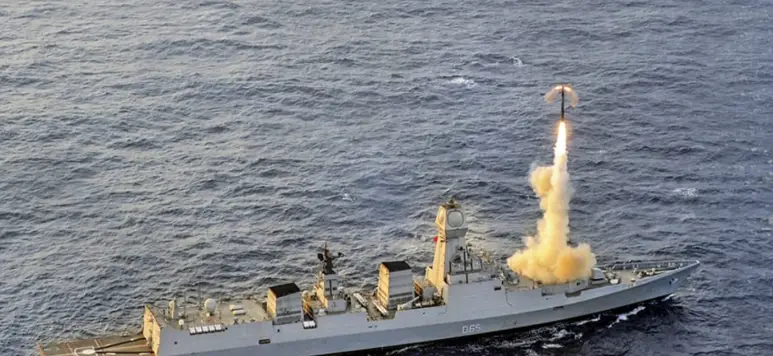
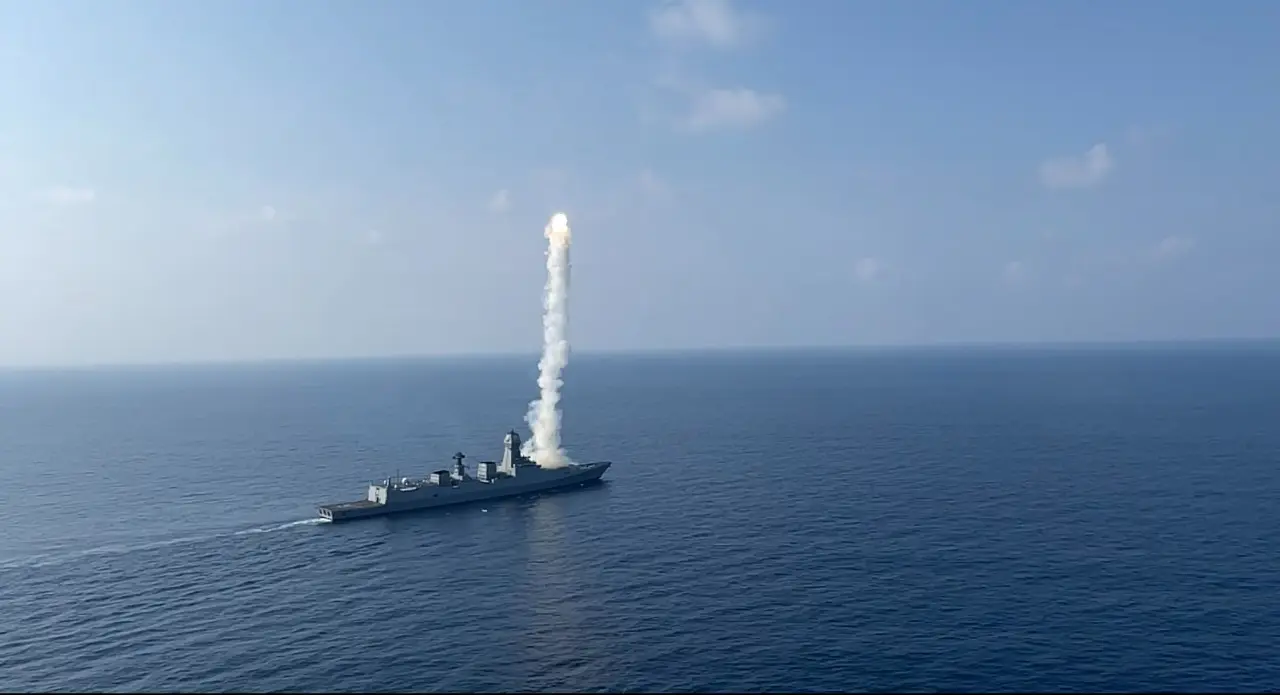
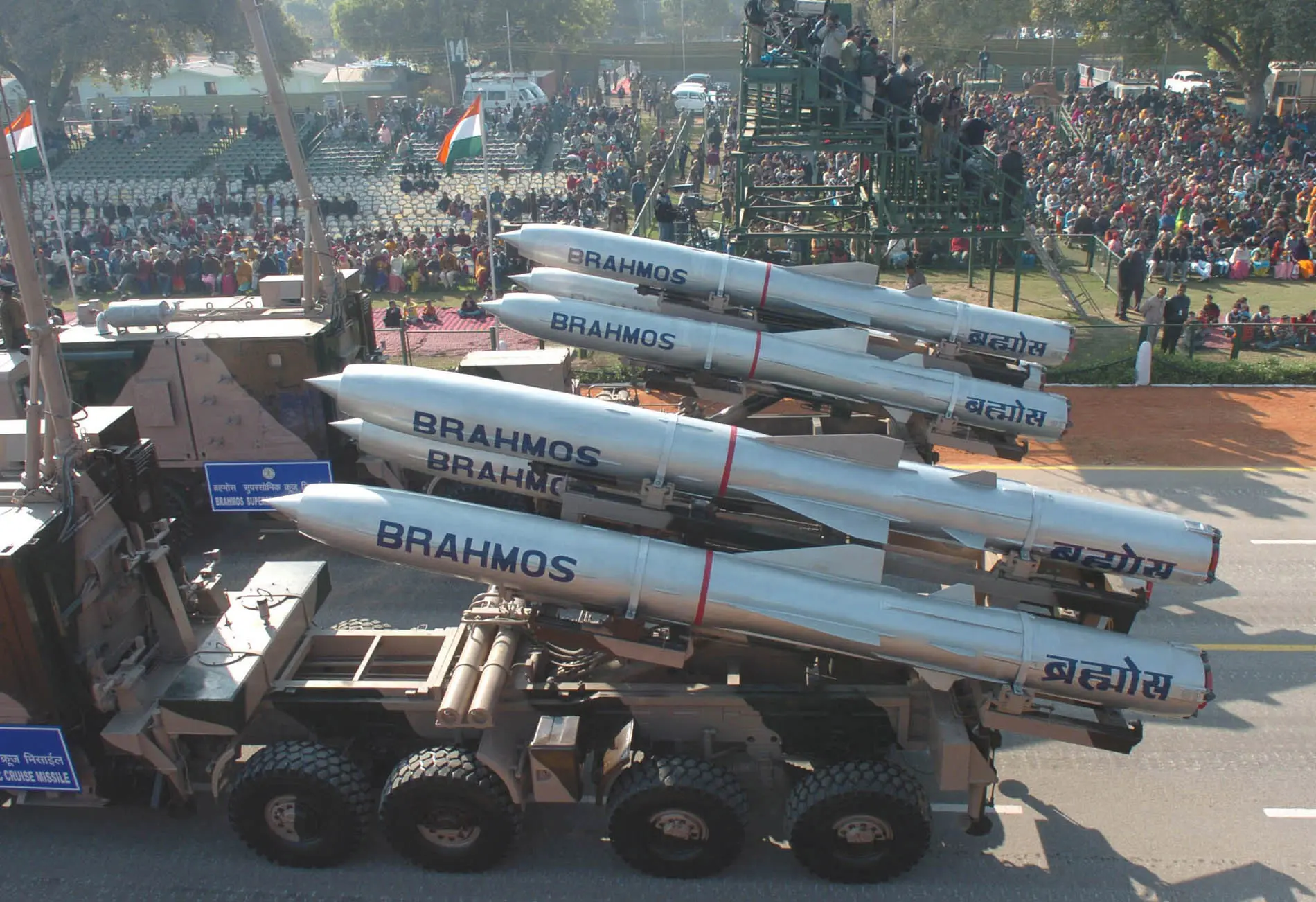
The joint India-Russia BrahMos supersonic cruise missile tops the demand list. It achieved a landmark foreign sale to the Philippines in 2022 valued at approximately US $375 million, the first export of its kind for the system. India is also close to finalising a $700 million deal to supply Brahmos missiles to Vietnam. Demand stems from its sea-skimming trajectory, Mach 2.5-plus speed and ability to launch from land, air and naval platforms along with its success in Operation Sindoor. Since its successful operational demonstrations, global interest has expanded sharply, with at least 16 countries, including Vietnam, Malaysia, Thailand, Singapore, Brunei, Brazil, Chile, Argentina, the UAE, Saudi Arabia, Qatar and Egypt, formally evaluating BrahMos for induction.
Pinaka MBRL: saturating demand for rocket artillery
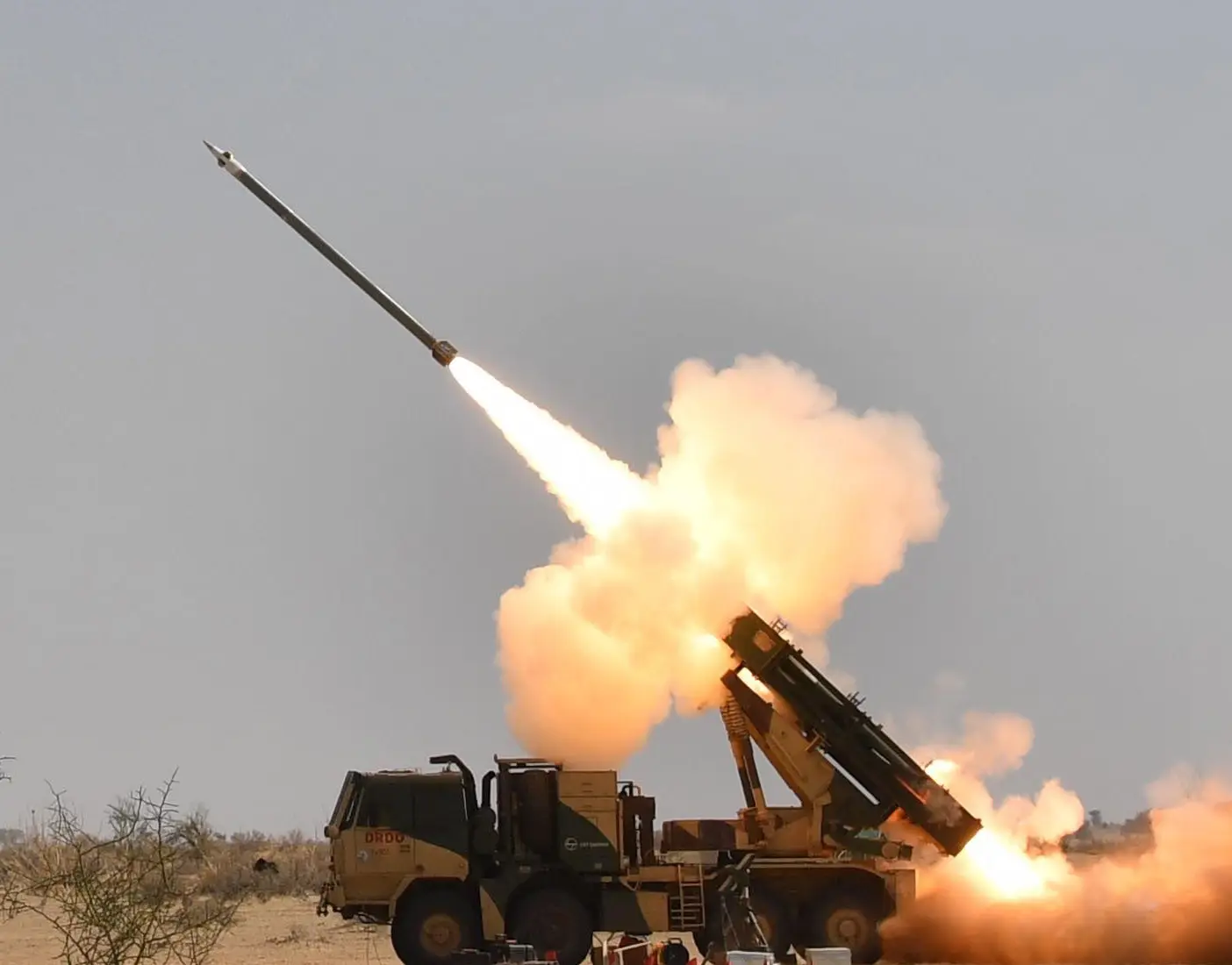
The domestically-designed Pinaka multi-barrel rocket launcher (MBRL) is another in high demand. French officials are reported to be in advanced talks to procure the system, potentially marking the first time France buys a launcher system from India. Reports also suggest that countries like Armenia, Vietnam, Indonesia, and Saudi Arabia, have also expressed interest in or are in the process of purchasing India's Pinaka missile system. With a range of up to 90 km and proven mobility in high-altitude terrain, Pinaka is capturing foreign interest as a cost-effective, mature rocket artillery package.
Akash SAM: air-defence attraction
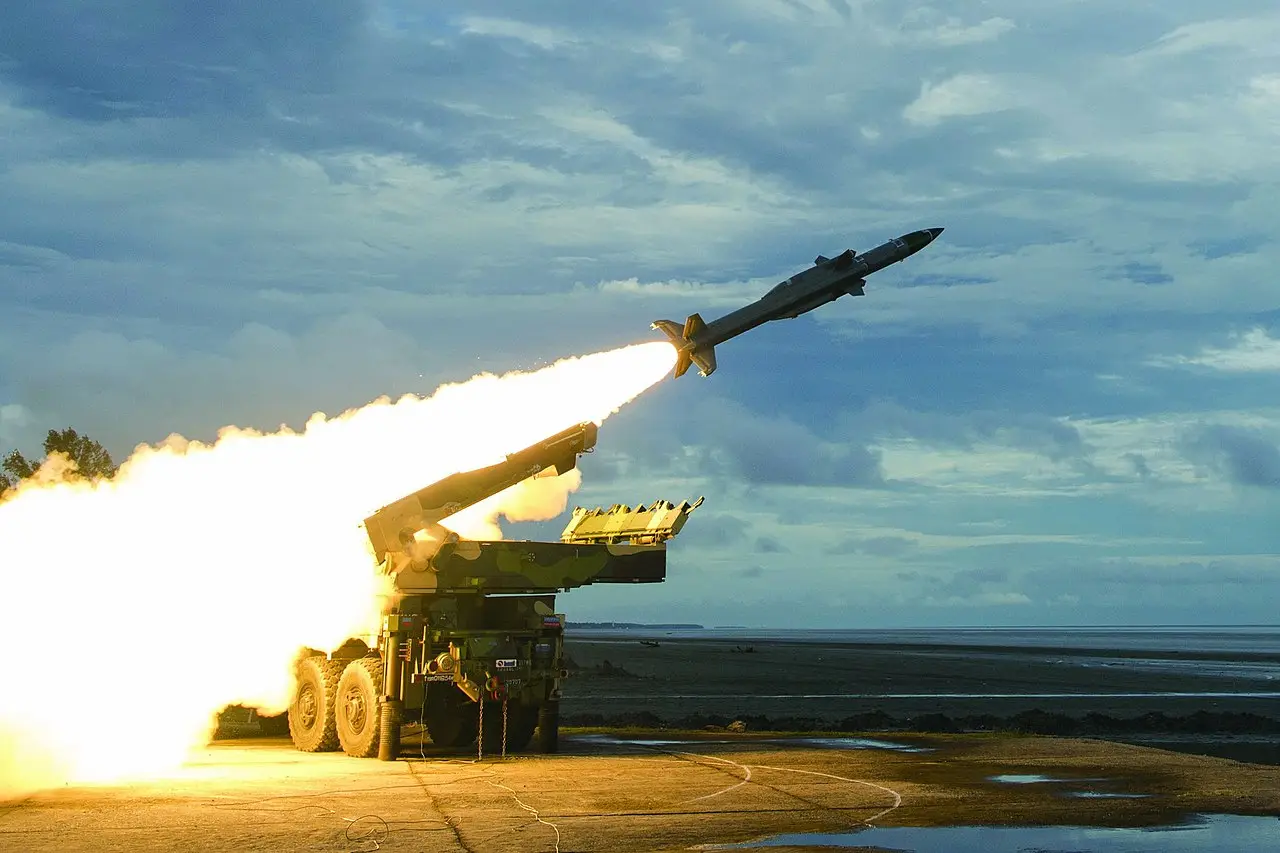
India’s medium-range surface-to-air missile system, Akash, is also gaining global traction. The system has already been exported to Armenia, a deal worth US $600 million, and sources say the Philippines may procure a version in a deal potentially worth more than US $200 million. Its strength lies in providing mobile, indigenous air-defence at a fraction of the cost of Western system, making it especially attractive to small and mid-sized militaries. Other countries that have shown interest include Brazil, Egypt, Vietnam, and the United Arab Emirates.
Explosives, propulsion and rocket subsystems
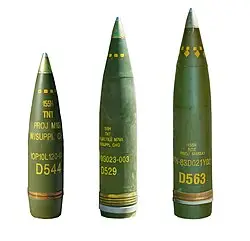
Export demand isn’t limited to full-system missiles. Indian firms are exporting artillery ammunition, rocket motors and subsystems to a growing number of partner nations. India’s defence-industrial base has been credited with reducing costs significantly. According to Reuters, Indian manufacturers offer 155 mm artillery shells for roughly US $300-$400 each, compared with upwards of US $3,000 for European equivalents. That price advantage is reinforcing Indian appeal.
Why foreign buyers are turning to India
Several factors explain the surge in Indian weapon demand:
-India offers mature, tested systems with lower acquisition costs and fewer political constraints.
-Its platforms have been demonstrated in real terrain (Himalayas, deserts, maritime).
-Manufacture and exports are being backed by government-to-government deals and favourable credit.
All these converge to place India as a credible alternative to Western and Russian suppliers for nations seeking quality at lower cost.
Challenges remain in scaling exports
Despite momentum, challenges persist. Export deals still require complex offset and support arrangements. Some systems remain under export licensing scrutiny. For many foreign buyers, integration, training and long-term maintenance packages are still key issues. Ensuring that Indian industry can deliver large quantities on schedule and provide after-sales support will be essential for converting interest into sustained orders.
Conclusion: India’s missiles now pack export punch
From BrahMos cruise missiles to Pinaka rocket systems and Akash air-defence, Indian weapons are no longer just for domestic use, they are now sought after globally. Defence exports have risen more than ten-fold over the past decade, and missile systems are front-and-centre of that rise. If India can build on this momentum by scaling production, meeting support requirements and maintaining competitive pricing, its place among the world’s leading military exporters is firmly within reach.
)
)
)
)
)