Frigates vs patrol boats: Can Cambodia counter Thailand’s naval power?

According to Global FirePower’s 2025 data, Cambodia is ranked 95th out of 145 countries with a Power Index score of 2.0752.
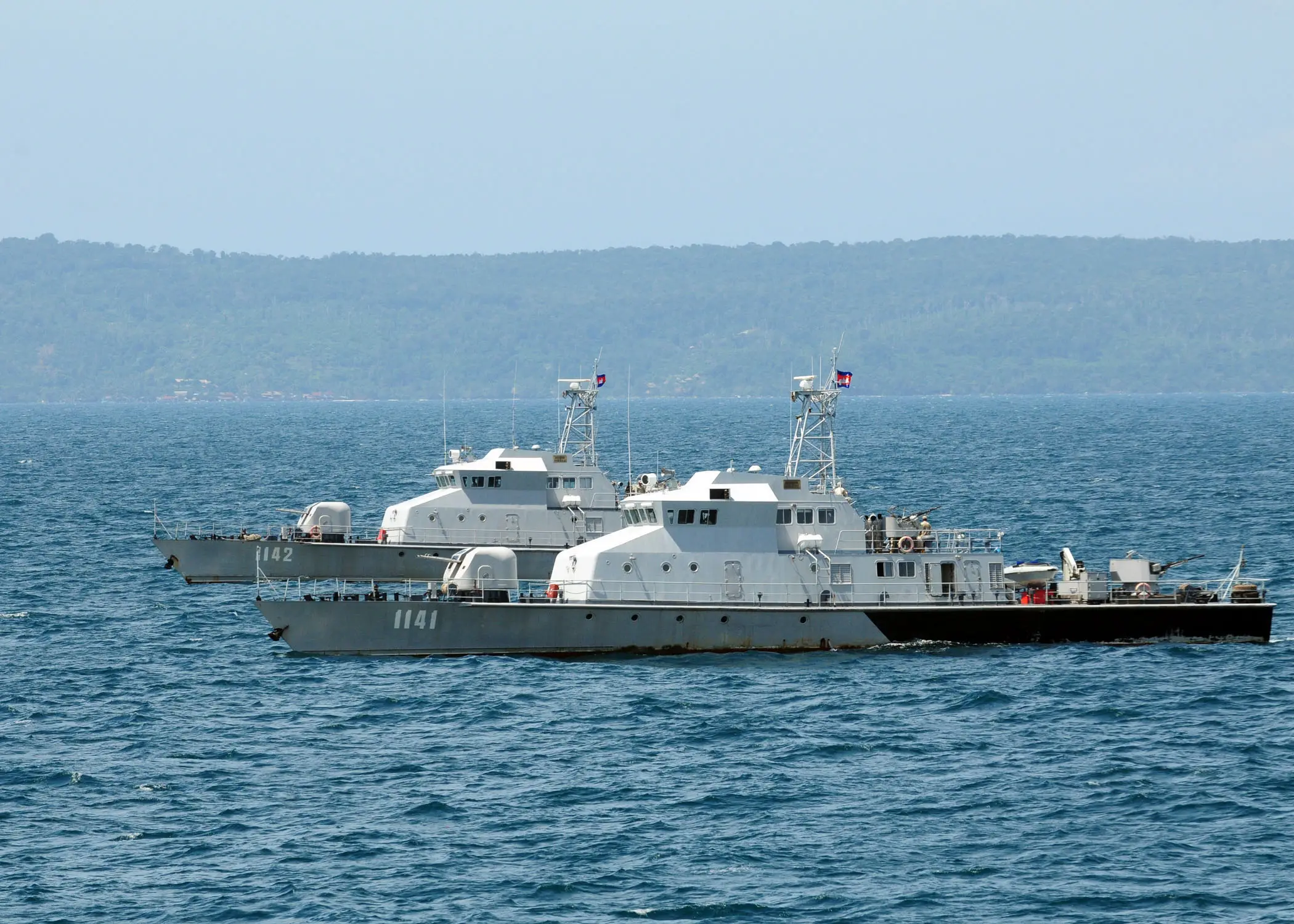
Growing tensions sharpen the question
Clashes between Cambodia and Thailand have intensified along the border, with Thailand’s navy joining army units to allegedly repel Cambodian troops in Trat province. According to the Thai Defence Ministry, the naval response came after Cambodian forces crossed into Thai territory at three points, pushing clashes into six of seven border provinces. As tensions rise, questions emerge over Cambodia’s ability to counter Thailand’s larger and more advanced navy.
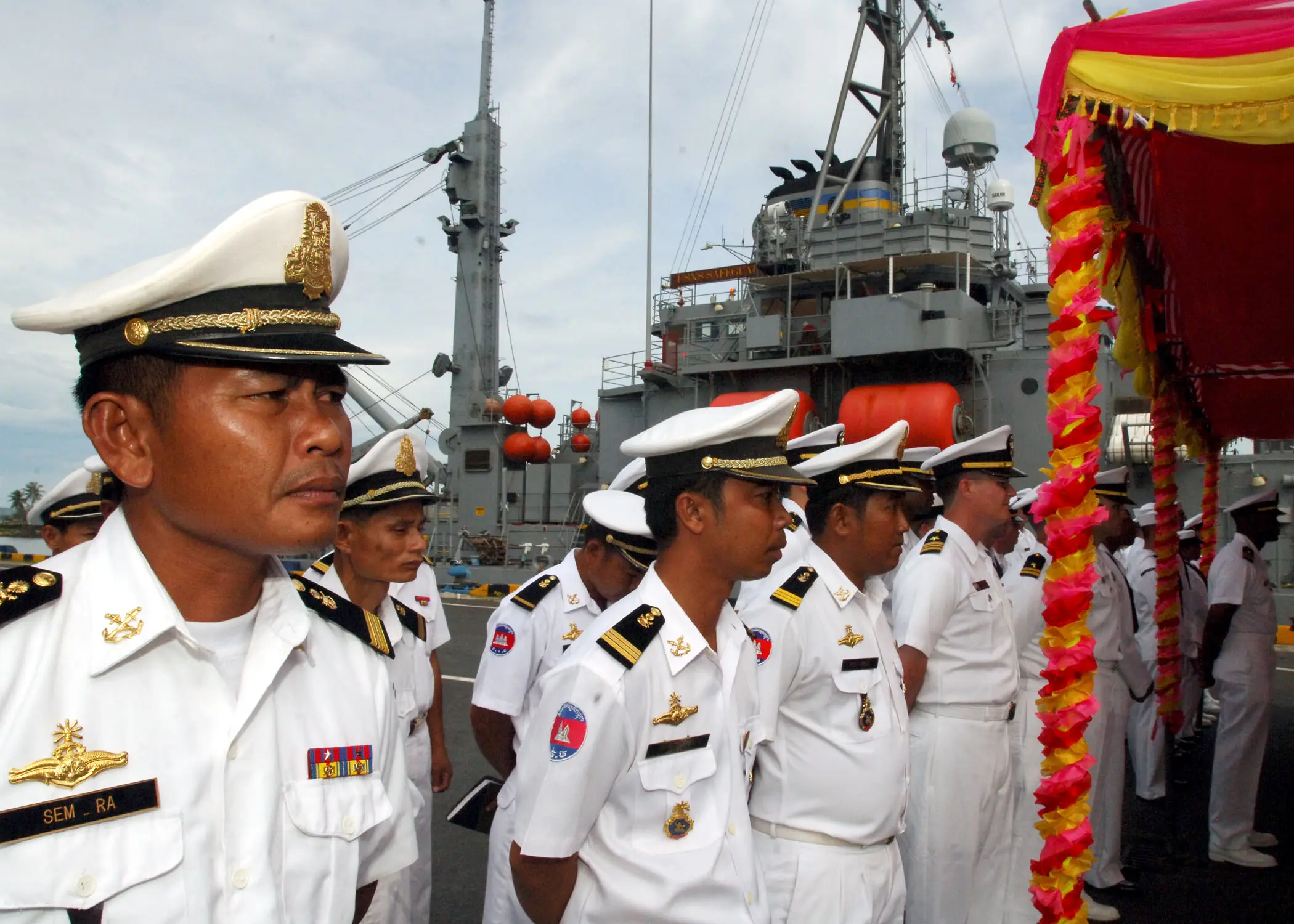
Cambodia’s naval footprint today
According to Global FirePower’s 2025 data, Cambodia is ranked 95th out of 145 countries with a Power Index score of 2.0752. The country has very limited defence manpower with only 8,190,561 personnel. Its Navy operates only 20 patrol vessels and has no aircraft carriers, helicopter carriers, frigates, submarines or corvettes .
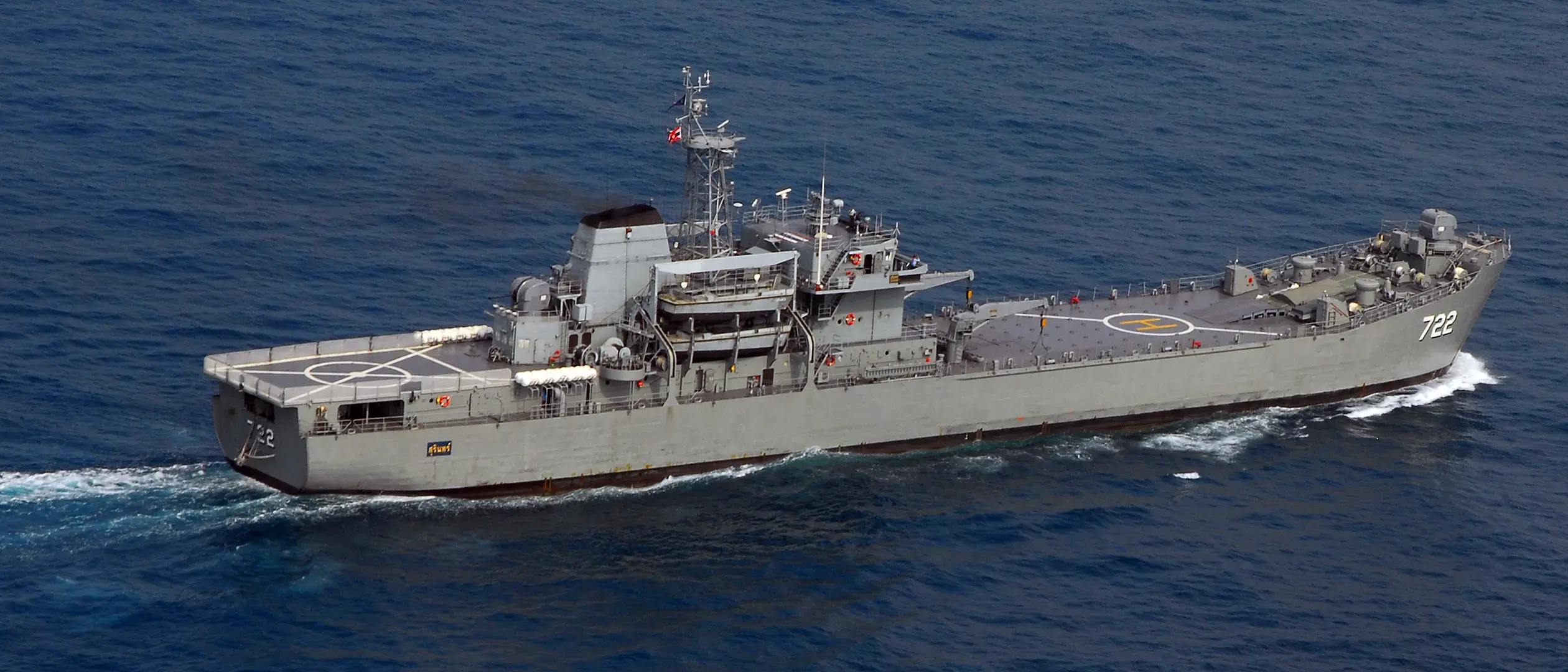
Thailand’s overwhelming maritime strength
Cambodia’s naval force stands in sharp contrast to Thailand’s. Ranked 25th with a Power Index of 0.4536, Thailand fields around 70,000 navy personnel, including marines and naval aviation support. The Thai Navy has total 293 navy assets, operating 1 helicopter carrier, 7 frigates, 6 Corvettes and 49 patrol/coastal combat vessels.
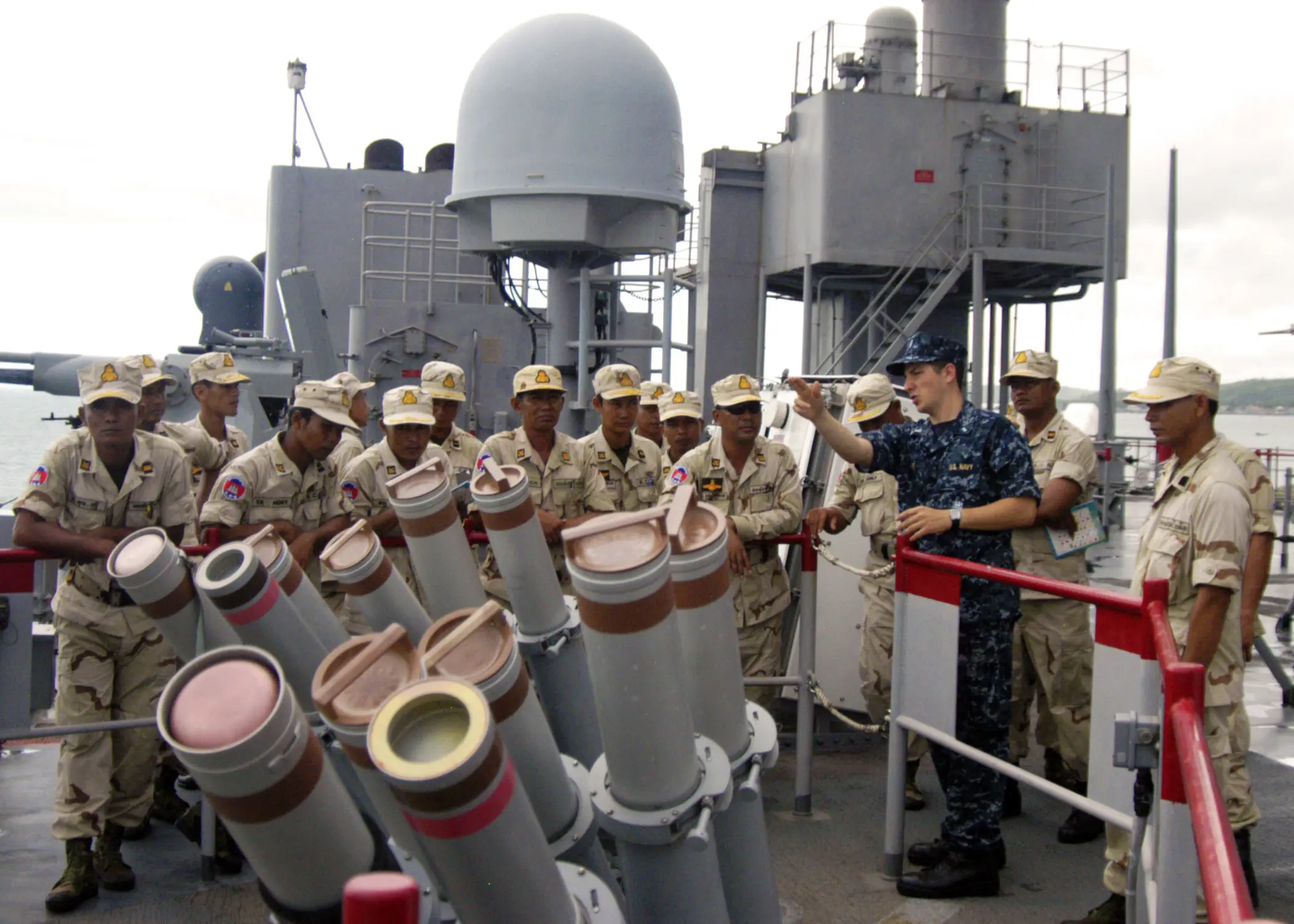
The disparity in numbers and capability
Where Cambodia has zero frigates or corvettes, Thailand fields six corvettes alongside its frigates. Thailand also maintains mine warfare vessels, amphibious landing ships capable of carrying troops, and a growing submarine programme with one Type‑S26T under construction.
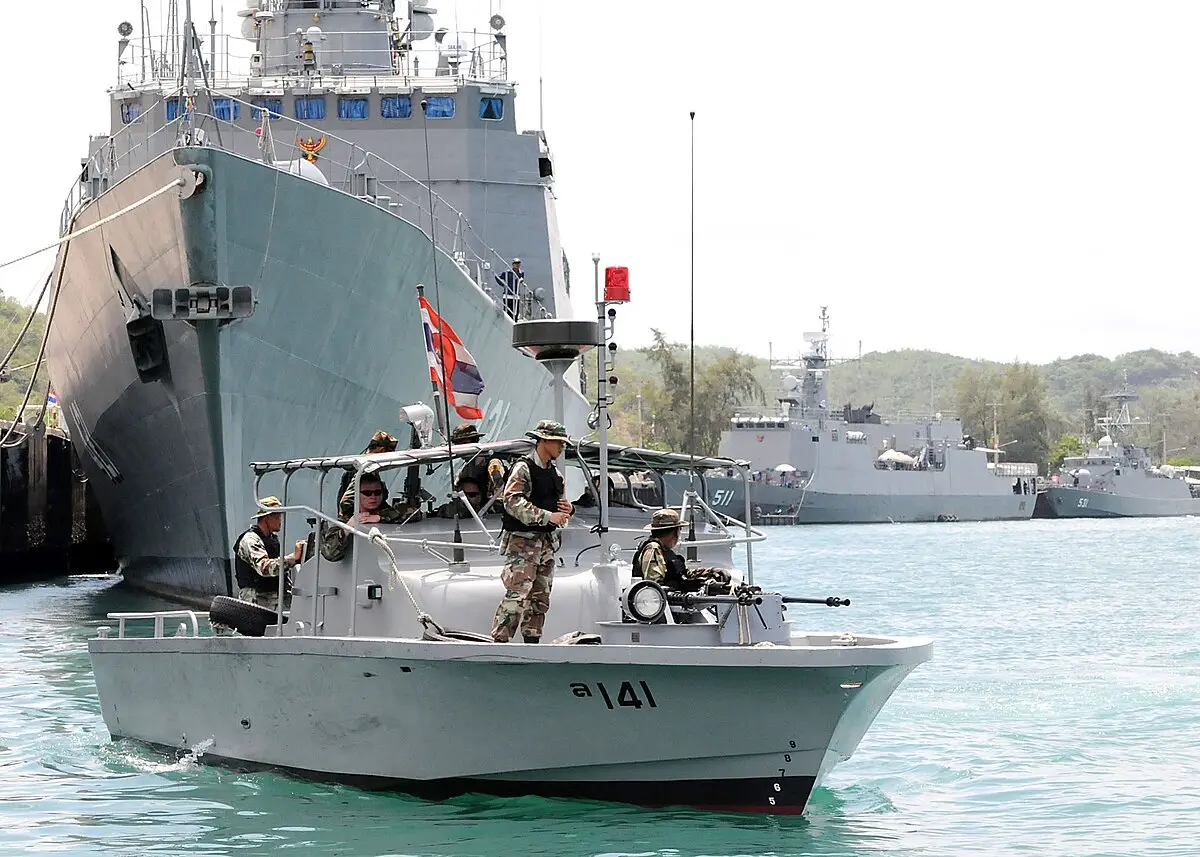
Ream Naval Base: infrastructure beyond current capacity
Cambodia’s strategic asset, the expanded Ream Naval Base, now includes deep‑water piers and dry docks capable of hosting larger ships, thanks to Chinese funding and construction. However, Cambodia’s fleet lacks the ships to use this capacity independently.
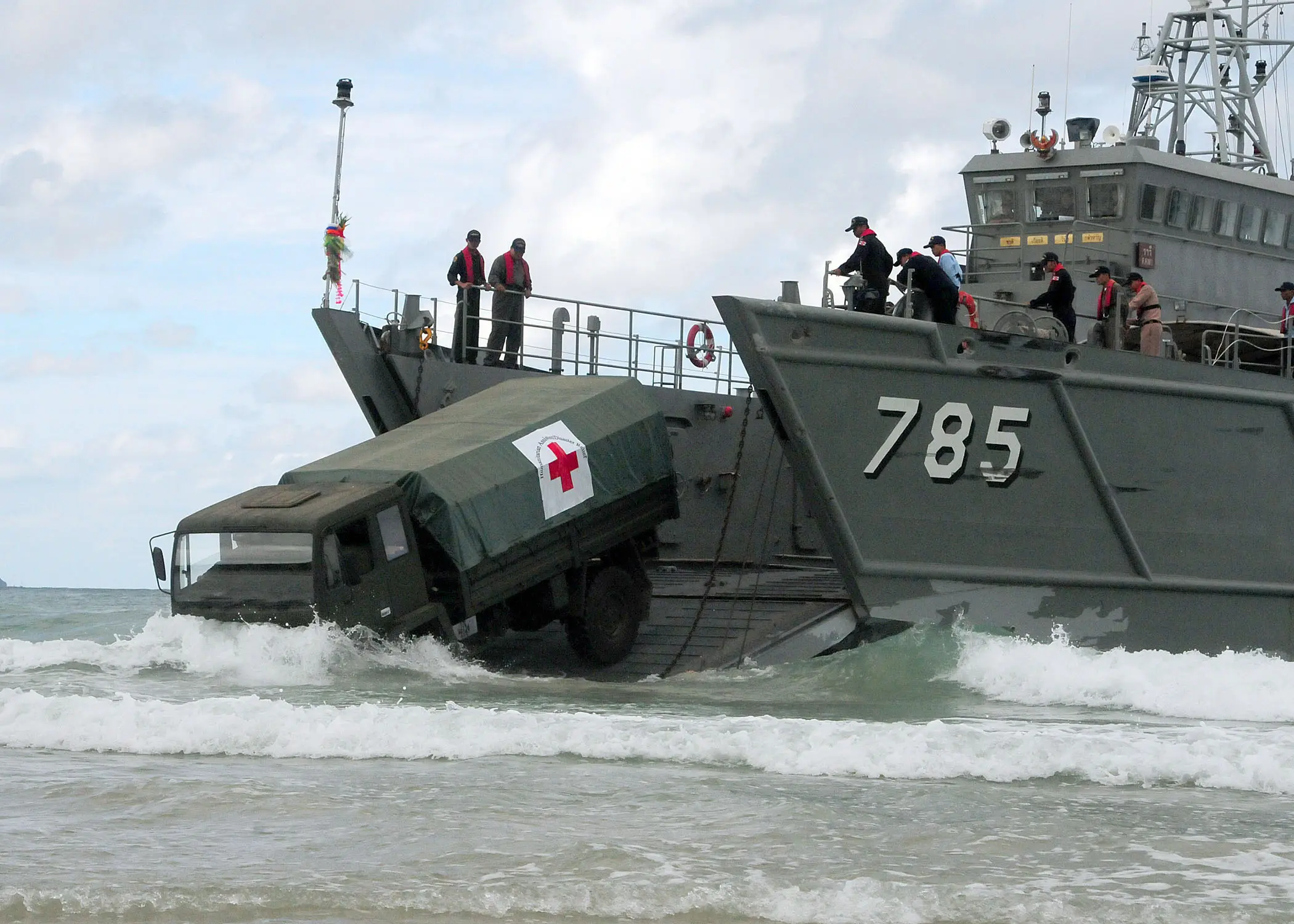
Modernisation plans remain modest
Cambodia has placed orders for two Chinese Type‑056 corvettes, expected to arrive by late 2025 or beyond. China is providing these vessels as a donation to Cambodia to enhance its naval capabilities. If delivered, they would significantly enhance its naval capability. But even then, Cambodia would still trail Thailand in vessel count, naval aviation, and carrier‑borne operations.
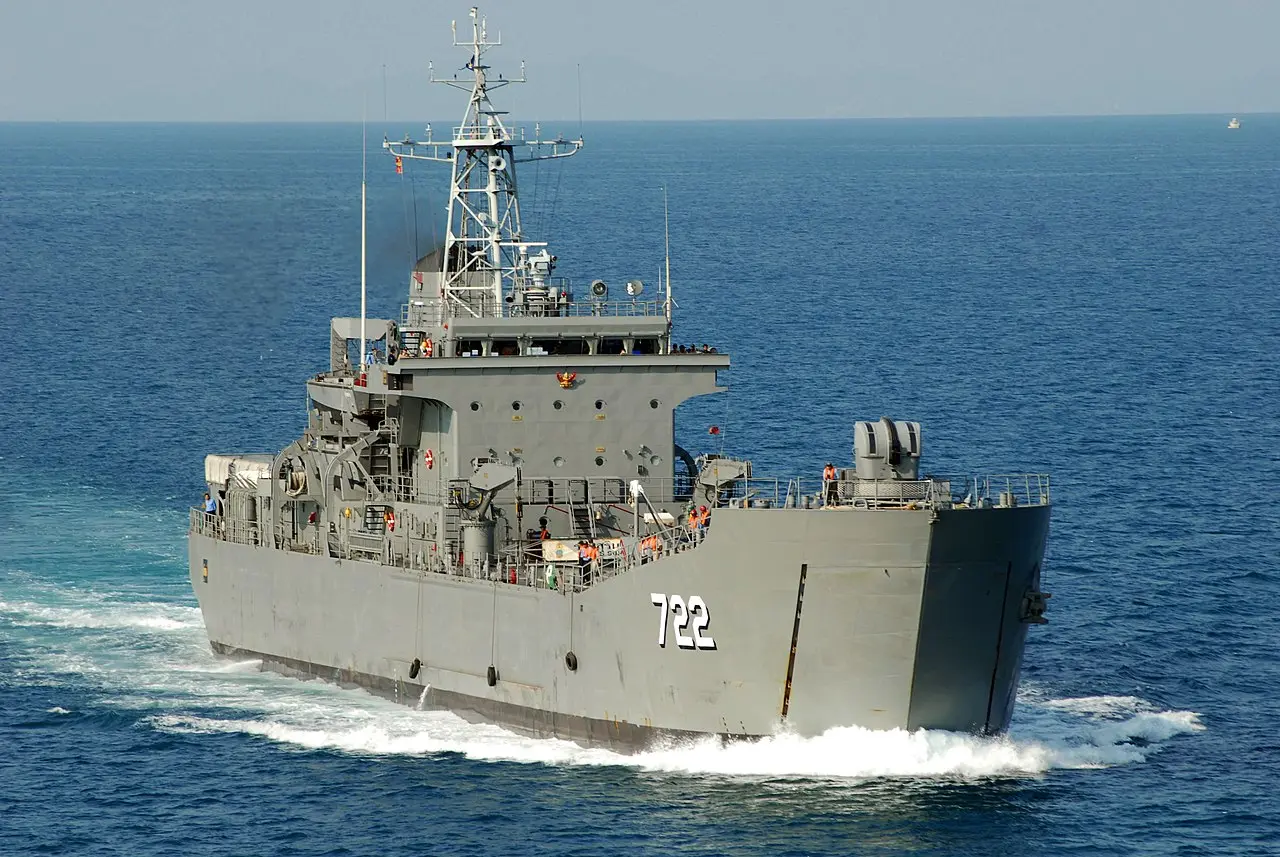
Imbalance at sea persists
Global FirePower data confirms that Cambodia’s navy, limited to patrol craft, cannot match Thailand’s full-spectrum maritime and air capability. Until Phnom Penh fields frigates, aviation support, and marines in substantial numbers, it will remain unable to challenge Thailand’s naval dominance. Despite efforts to modernise, Cambodia’s navy remains fundamentally outmatched.
)
)
)
)
)