Five things to know about the US-Iran talks in Islamabad today

Pakistan mediates crucial US–Iran talks to extend a fragile ceasefire after a deadly war that disrupted global oil markets. Here are five things you should know about it
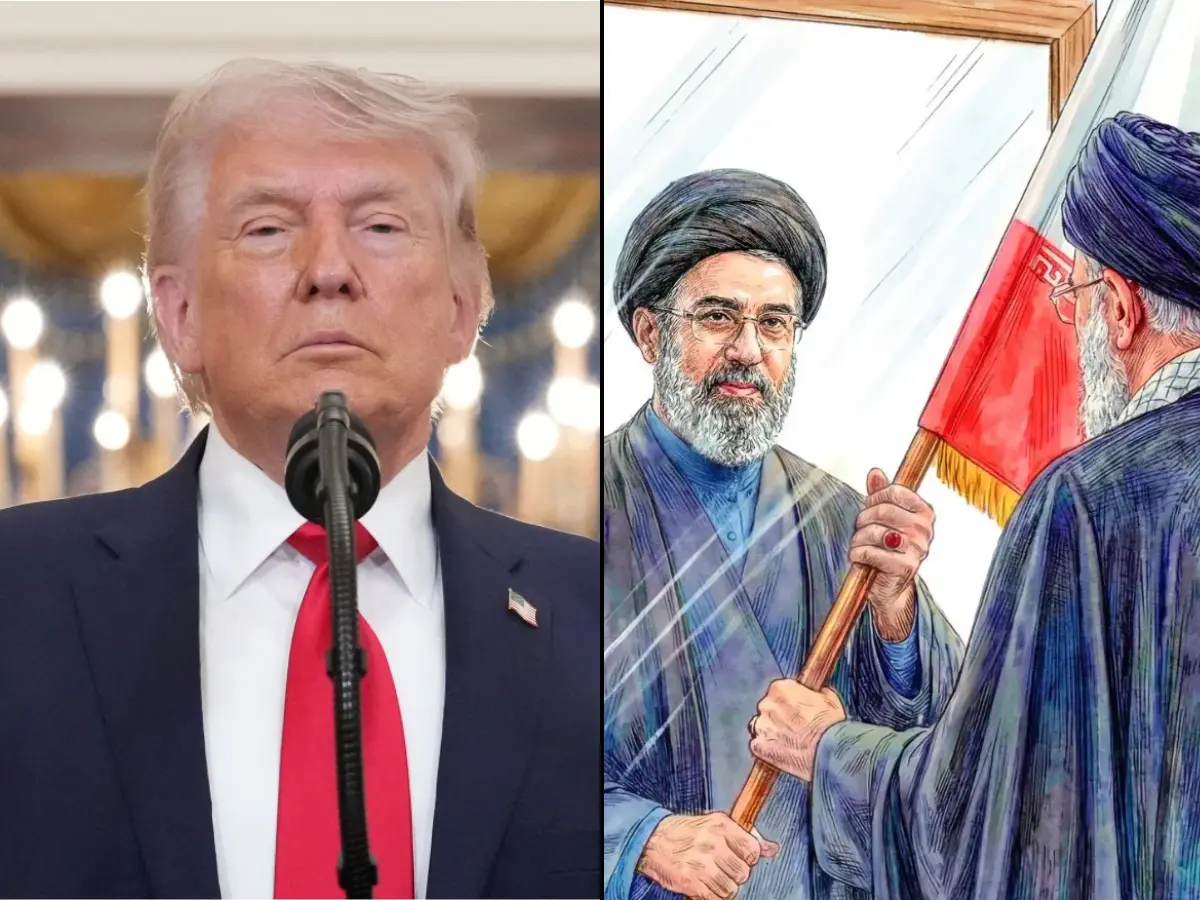
The war that sparked urgent talks
The conflict started after coordinated strikes by the United States and Israel killed Ali Khamenei and targeted Iran’s nuclear and military facilities. In just five weeks, over 3,000 lives were lost. Iran retaliated by disrupting the Strait of Hormuz, a critical global oil route. This escalation triggered a worldwide energy shock, pushing oil prices higher and intensifying geopolitical tensions, ultimately forcing global powers toward urgent ceasefire negotiations.
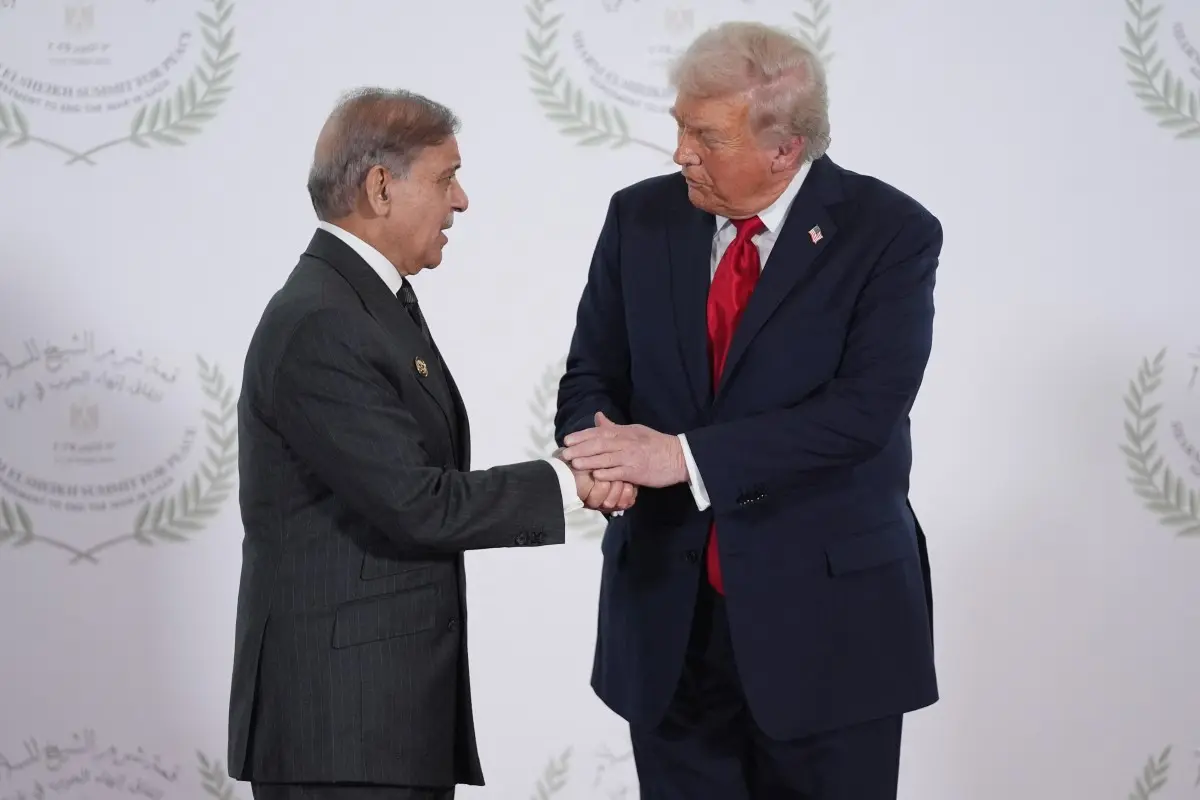
Pakistan emerges as a key mediator
Pakistan has stepped into a central diplomatic role, leveraging its strong ties with both Iran and the United States. With deep historical, cultural, and strategic connections, Pakistan also maintains close relations with China and Saudi Arabia. Backed by Wang Yi and quiet support from Beijing, Islamabad successfully brokered the initial ceasefire and is now hosting critical talks to prevent further escalation.
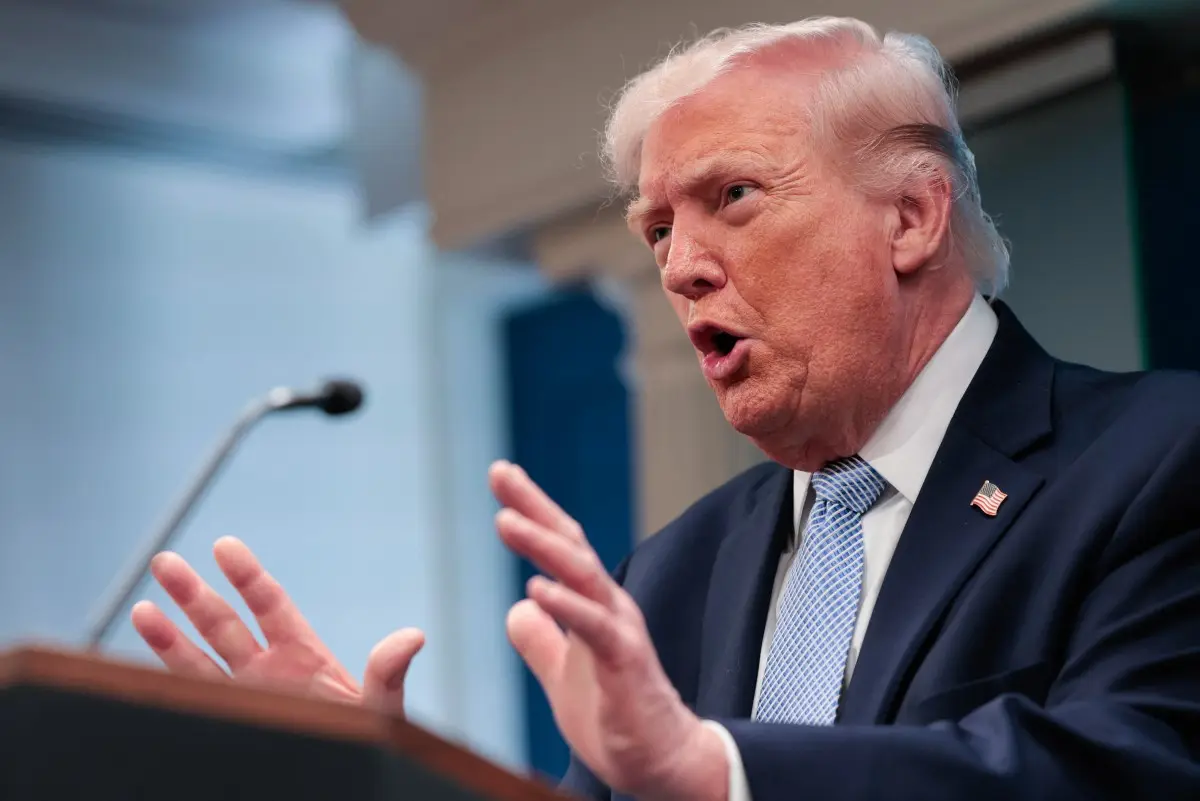
What's on the table
Despite the ceasefire, the US and Iran remain far apart on key issues. Washington demands limits on Iran’s nuclear program and the reopening of vital oil routes. Tehran, however, insists on controlling the Strait of Hormuz, lifting sanctions, and halting regional military actions. Tensions over Lebanon add further complications, as Benjamin Netanyahu continues military operations, which Iran says undermine negotiations, making progress fragile and uncertain.
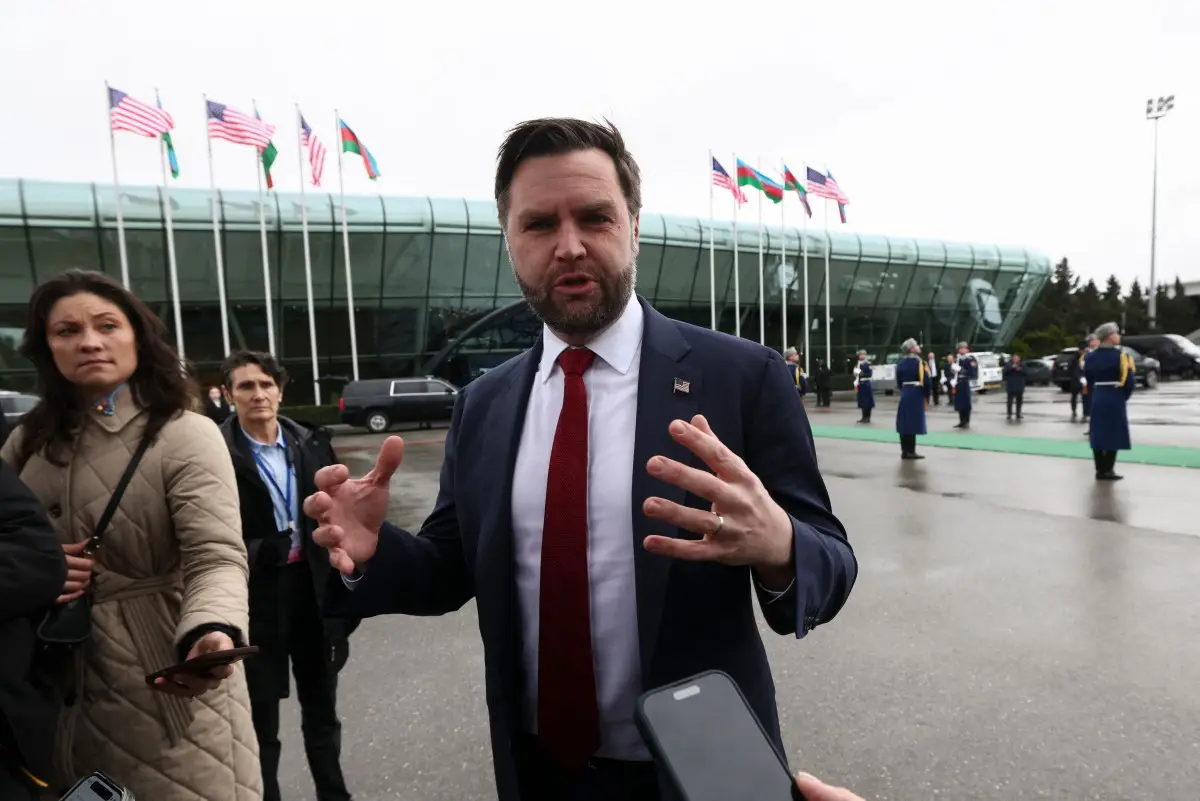
High-profile negotiators take center stage
The talks feature top-level representation from both nations. The US delegation is led by JD Vance, alongside Steve Witkoff and Jared Kushner. Iran is represented by Iran Parliament Speaker Mohammad Bagher Ghalibaf, Foreign Minister Abbas Araghchi, and other senior officials. These are the most significant US-Iran engagements since the 2015 nuclear deal, raising hopes, but also highlighting the complexity of reaching any lasting agreement.
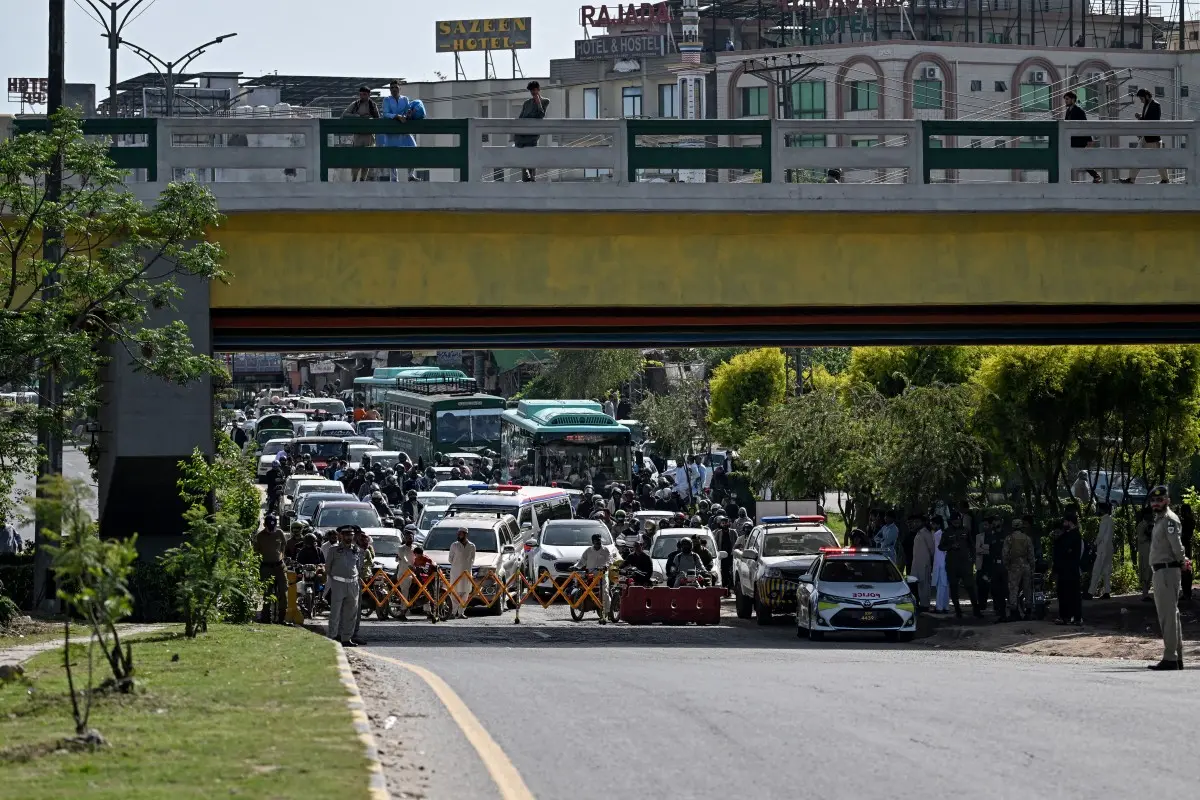
Islamabad under tight security lockdown
As talks are about to begin, Islamabad has been placed under heavy security. Key areas are sealed, with armed personnel, checkpoints, and restricted movement across the city. The likely venue, Serena Hotel, was cleared ahead of time. Negotiations are expected to be indirect, with delegations in separate rooms and Pakistani officials acting as intermediaries, highlighting the sensitive and high-stakes nature of these peace efforts.
)
)
)
)
)