First man in space, lost in a jet crash: Shocking mystery of Yuri Gagarin’s final flight

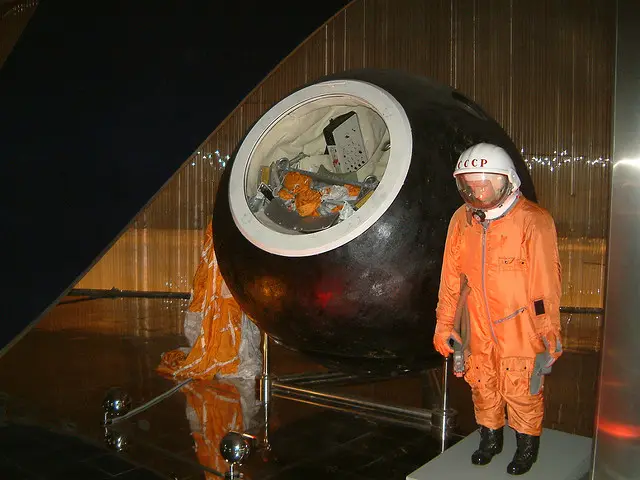
Launching aboard Vostok 1 from the Baikonur Cosmodrome, Gagarin completed a single orbit at an altitude of 325 kilometres in under two hours. Despite landing far off course, the mission succeeded, and Gagarin became a global icon, celebrated across the Soviet Union and beyond.
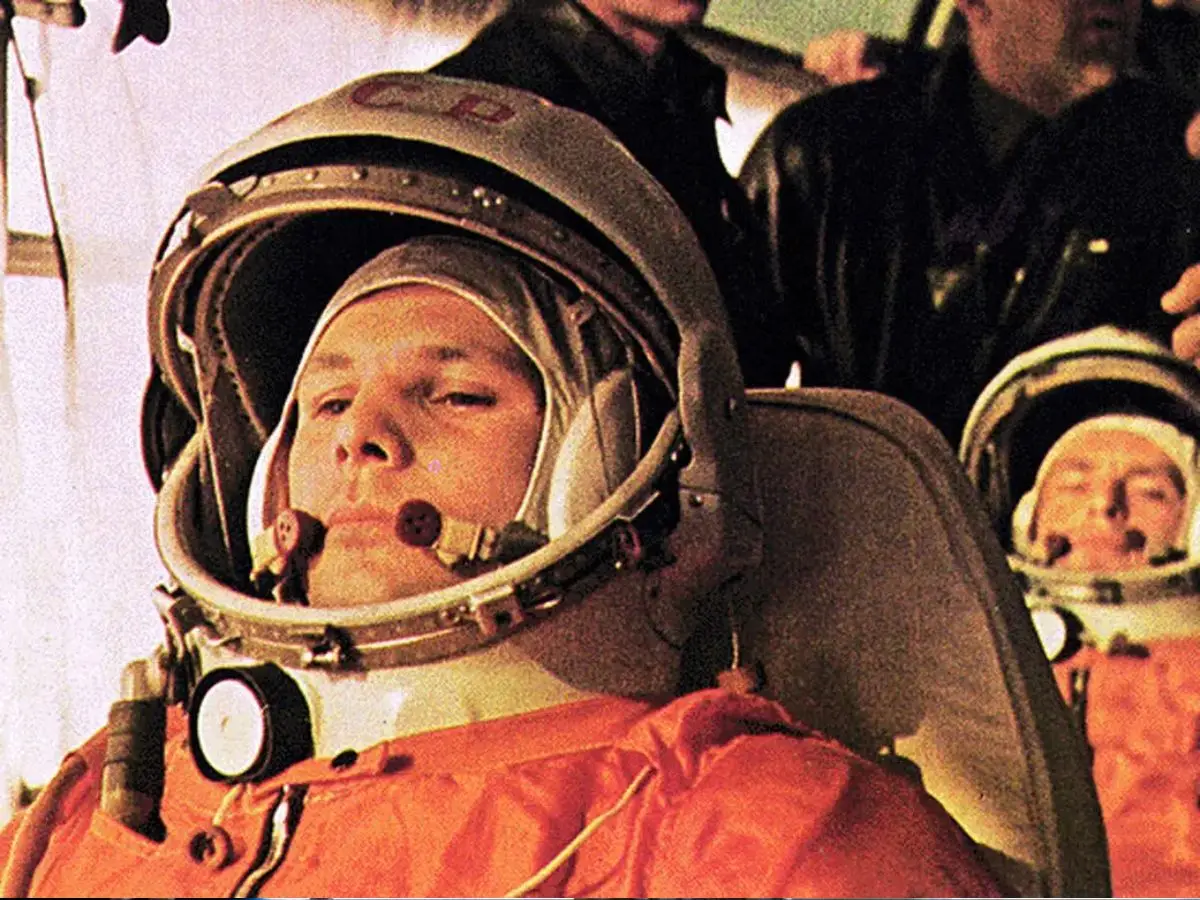
A Historic Launch into the Unknown
On April 12, 1961, Yuri Gagarin became the first human to orbit the Earth, marking a pivotal moment in human history. Launching aboard Vostok 1 from the Baikonur Cosmodrome, Gagarin completed a single orbit at an altitude of 325 kilometres in under two hours. Despite landing far off course, the mission succeeded, and Gagarin became a global icon, celebrated across the Soviet Union and beyond. His achievement was a major blow to the United States in the Cold War space race, highlighting the Soviet dominance in early space exploration.
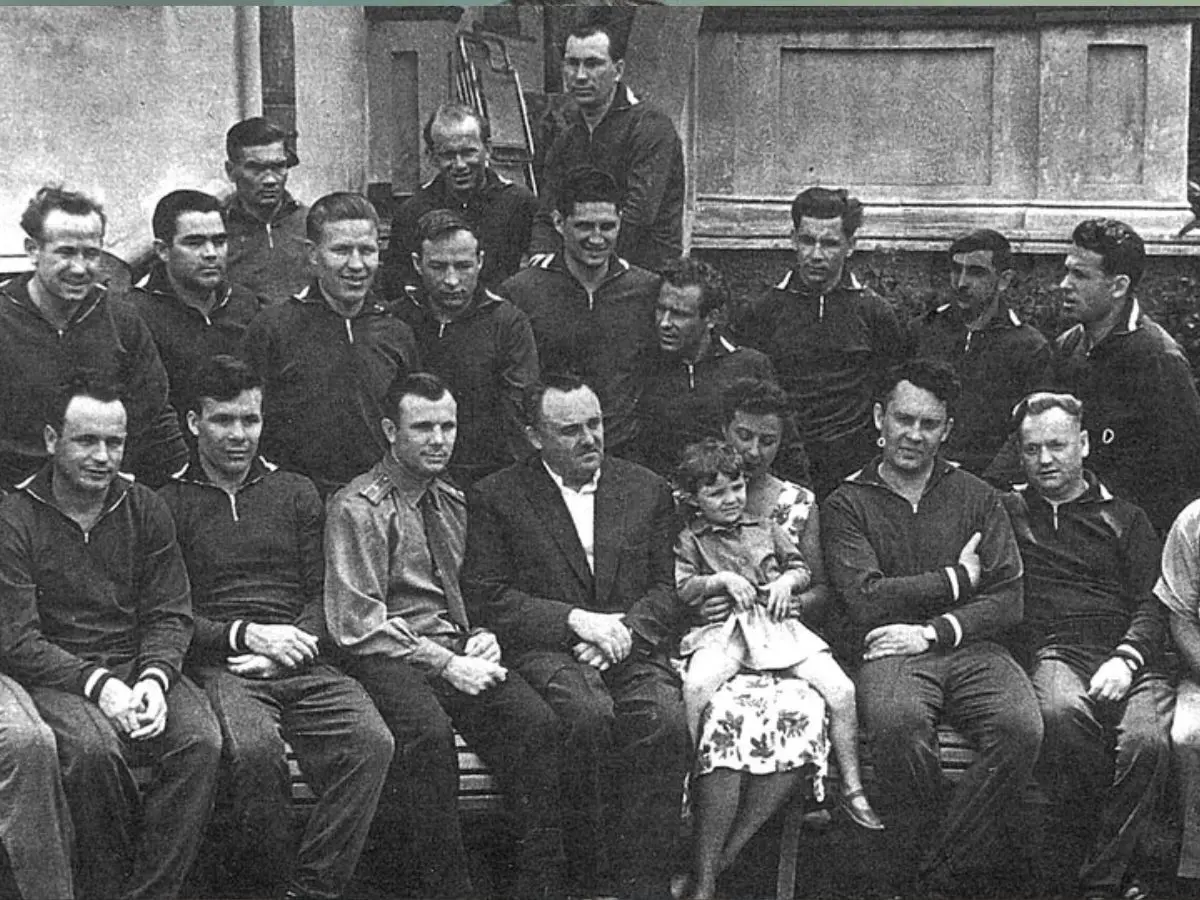
The Selection of a Cosmonaut
Gagarin was selected in 1960 as one of 20 pilots for a secret Soviet programme. He joined the elite ‘Sochi Six’, the first cosmonauts trained for the Vostok programme. Candidates underwent rigorous physical and psychological testing, with Gagarin eventually paired with Gherman Titov for the initial launch due to their outstanding training performance and compact stature, Gagarin measured 1.57 metres, ideal for the Vostok capsule.
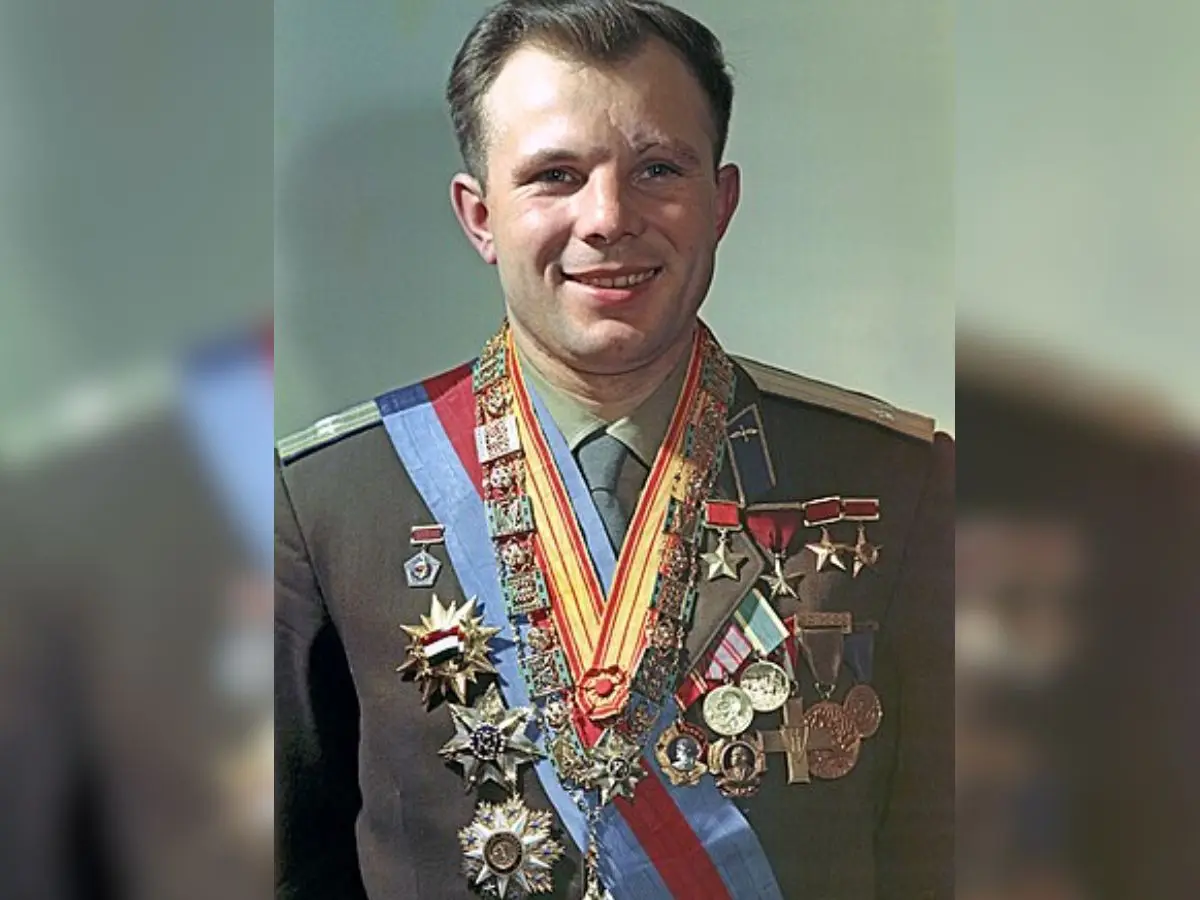
A Life of Public Service
After his historic orbit, Gagarin toured the world as a symbol of Soviet achievement. In 1962, he became a deputy to the Supreme Soviet and returned to Star City to work on reusable spacecraft designs. Promoted to colonel by 1963, Soviet officials limited his flight activities to preserve their national hero. He also served as backup pilot for Soyuz 1, which ended in a fatal crash for Vladimir Komarov, reinforcing the dangers of spaceflight.
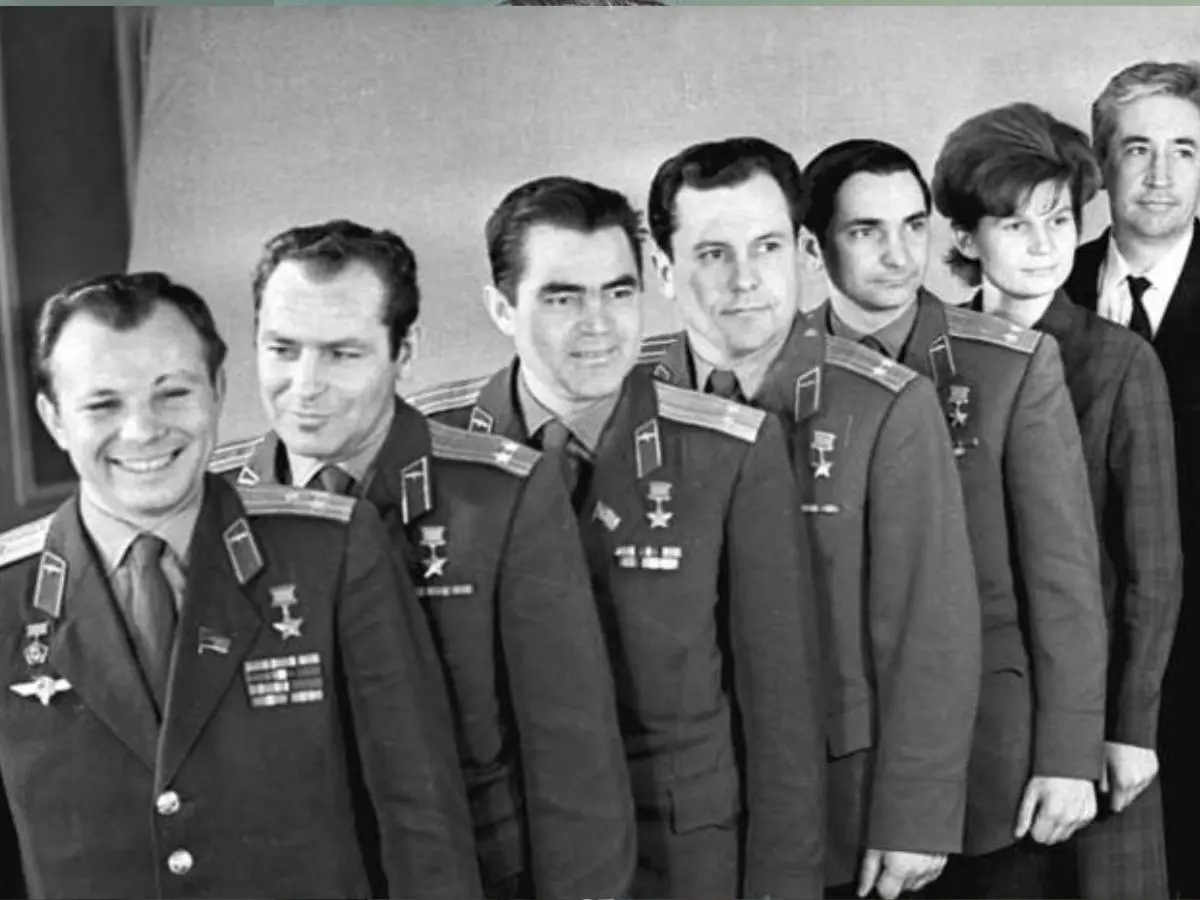
The Final Flight
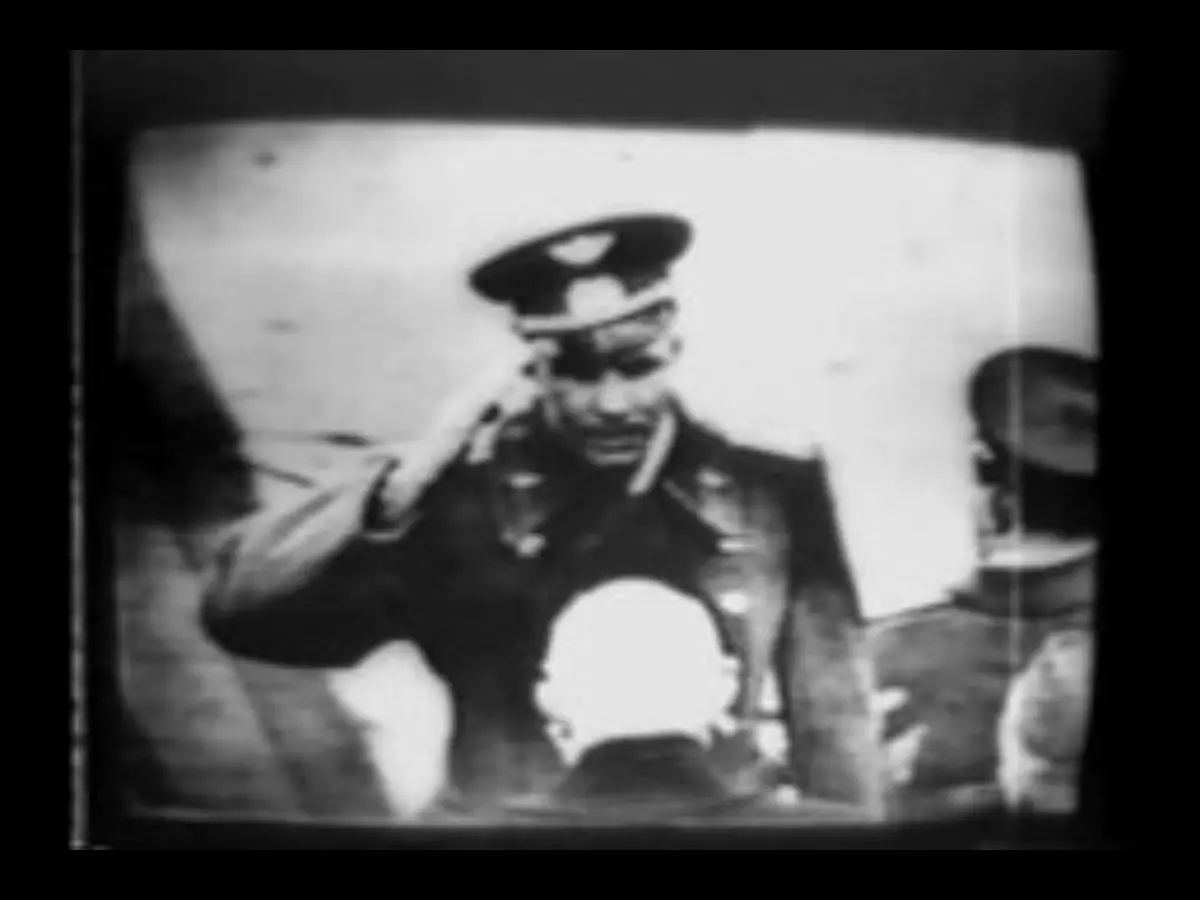
On March 27, 1968, Gagarin was flying a routine MiG-15 training mission near Chkalovsky Aerodrome with co-pilot Vladimir Seryogin. Fellow cosmonaut Vladimir Aksyonov later recounted that he had been scheduled to fly that day but did not. Gagarin and Seryogin vanished from radio contact, and their wreckage was found hours later, 65 kilometres from the aerodrome. The nation was shocked; a day of mourning was declared, unprecedented for a non-head of state.
Conflicting Reports and Declassified Files
Official reports cited a sudden manoeuvre to avoid a ‘change in the air situation’ as the cause. According to the National Post, Alexander Glushko, a historian of the Soviet space industry had told AFP, “The report of the official commission, which was 29 volumes, was never published. This pushed colleagues and experts to start their own research.” In 2011, newly declassified Kremlin documents suggested the jet may have swerved sharply to avoid a weather balloon or cloud layer, resulting in a stall under complex meteorological conditions. Historian Alexander Glushko noted the 29-volume commission report was never published, prompting experts and colleagues to investigate independently.
The Second Plane Theory
Cosmonaut Alexei Leonov, part of the investigation, proposed that turbulence from a second aircraft breaking the sound barrier near Gagarin’s MiG may have caused the crash. Leonov explained in 2017 that declassified documents confirmed his account but were suppressed to protect the other pilot. “This is no longer a secret: it is about negligence and a violation of aviation rules,” he told RIA Novosti. Leonov passed away in 2019.
A Legacy Shrouded in Mystery
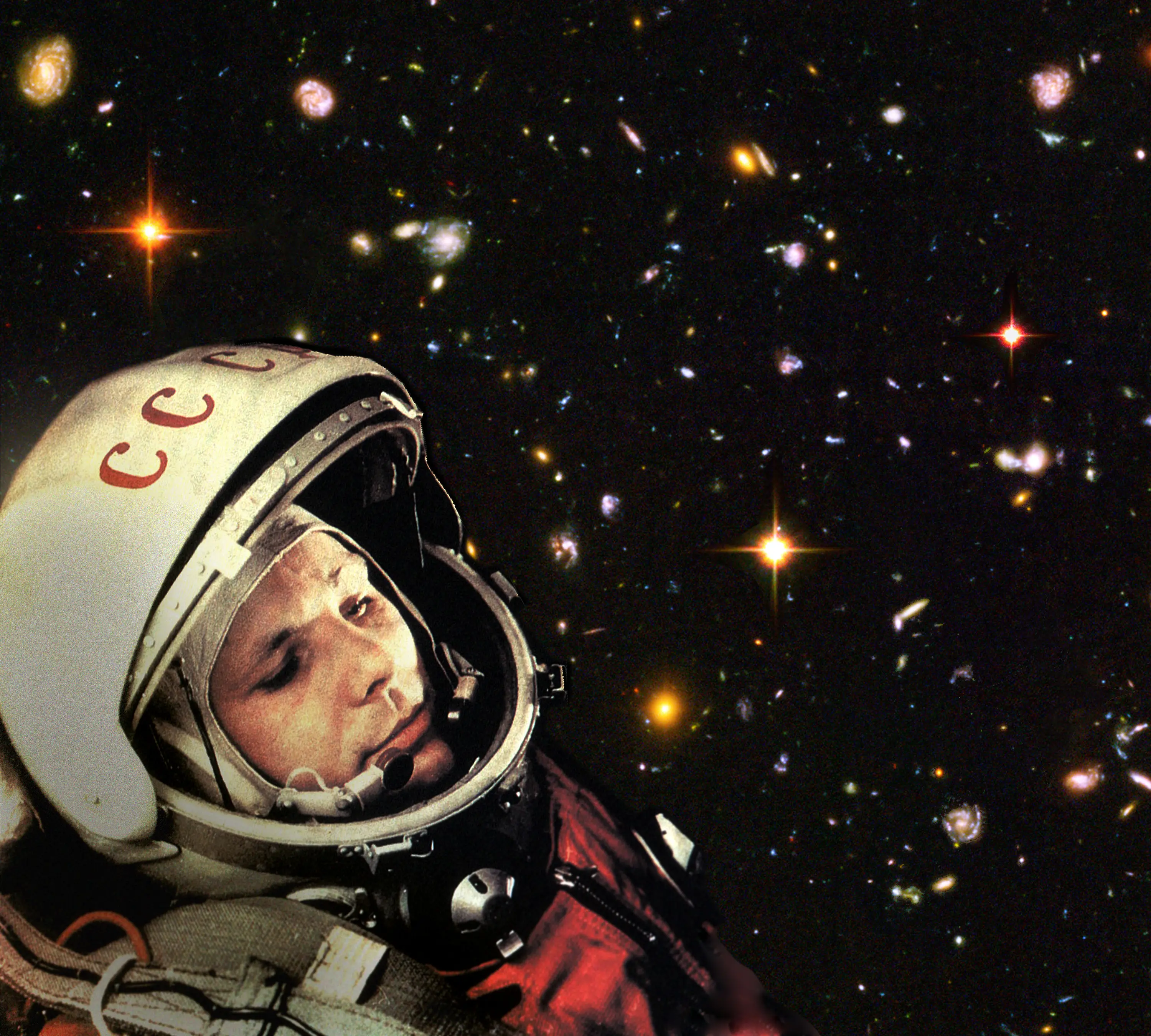
Despite Gagarin’s global fame, the exact circumstances of his death remain partially unresolved, blending tragedy with enduring intrigue. From his historic orbital flight to the fatal jet crash, Gagarin’s life embodies the perilous edge of early space exploration. According to multiple sources, including Kremlin records and eyewitness accounts, the events surrounding his final flight suggest a mixture of human error, aviation risks, and cover-ups, leaving one of space history’s most compelling mysteries intact.
)
)
)
)
)