Fighter jets refuelling in the dark: How does it work?

How do fighter jets refuel during night missions at high altitude? From stealth missions to advanced infrared tech, here’s how pilots safely transfer fuel in total darkness and how drones and AI could soon take over the job.
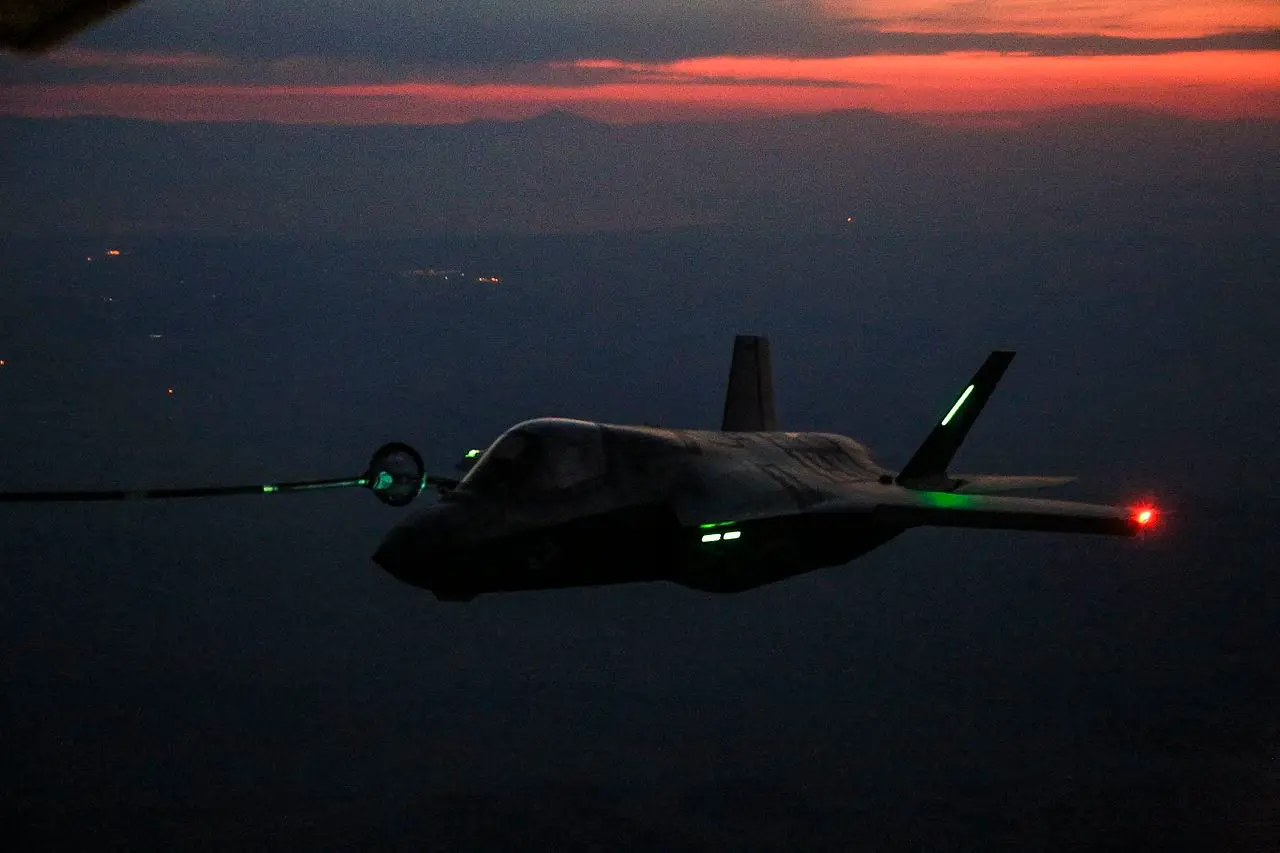
Why refuel mid-air at night?
Fighter jets refuel in flight to fly longer, keep up with missions, and sometimes stay hidden from enemy radar. At night, refuelling is common for stealth operations, long-distance strikes, and secret patrols according to experienced pilots and official military reports.
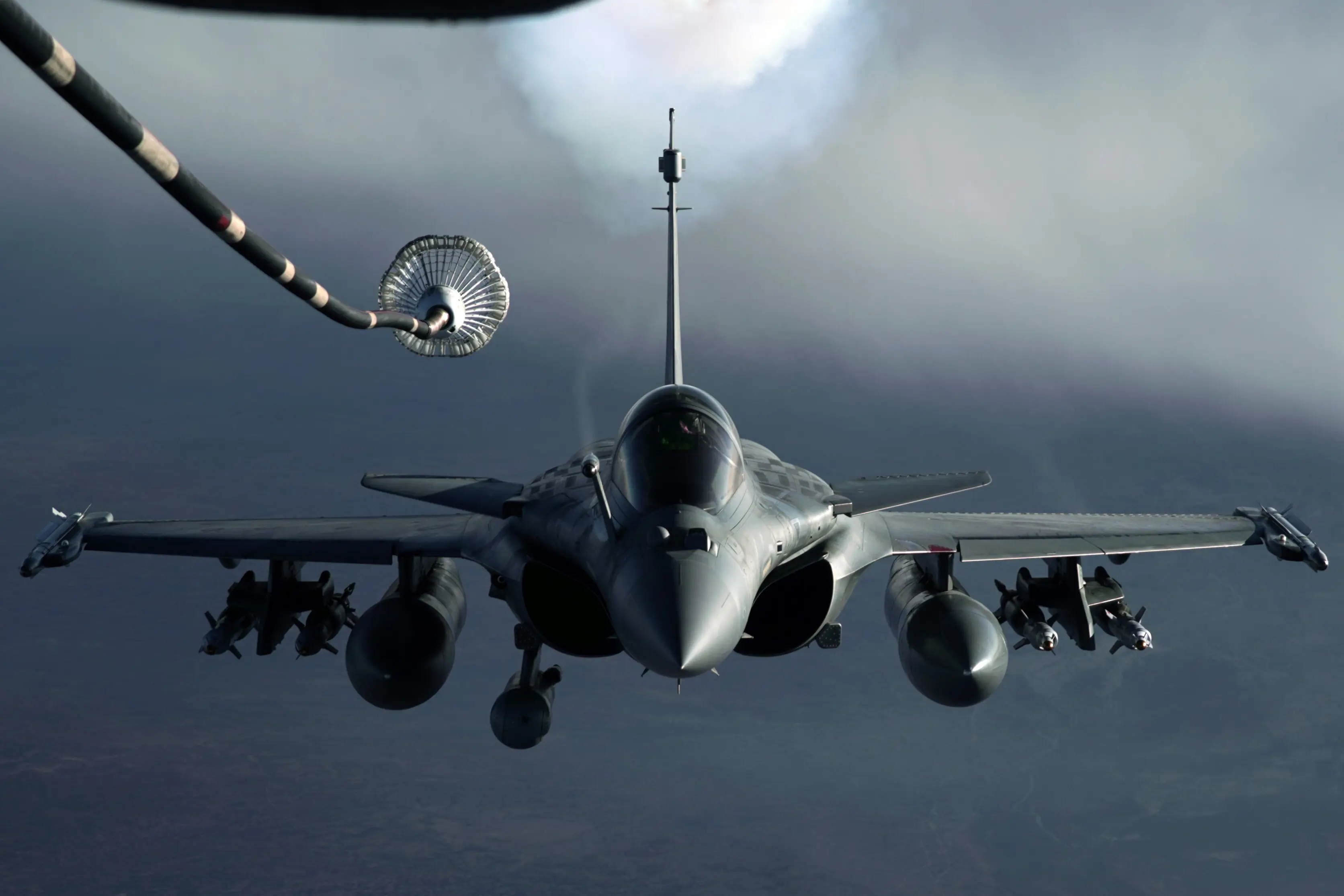
Two main refuelling techniques
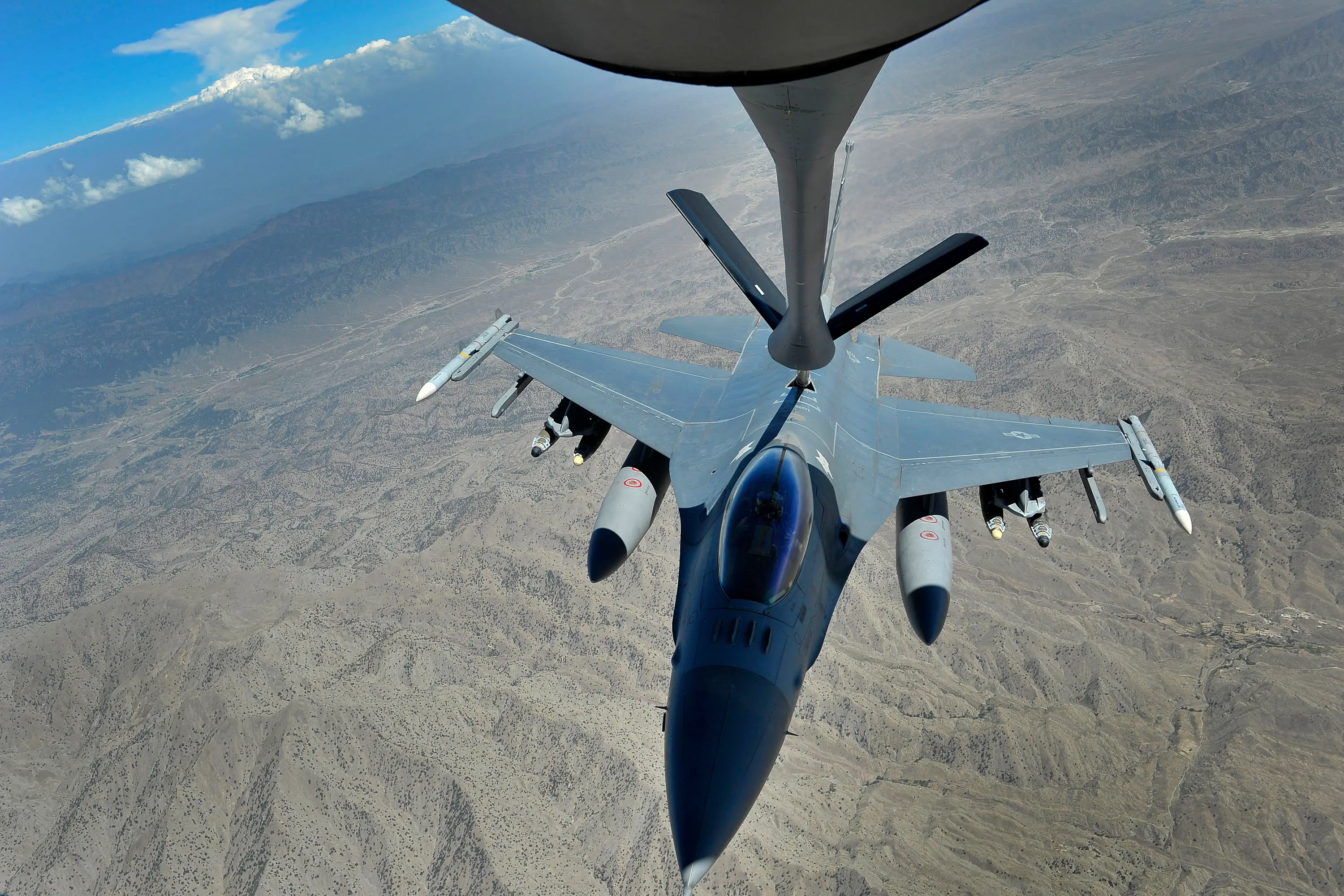
There are two main refuelling systems: the flying boom and the probe-and-drogue. The US Air Force prefers the boom, which allows a tanker to deliver up to 6,500 pounds per minute. The Navy, and most NATO and Indian jets, use the probe-and-drogue, which is slower but works for many aircraft types.
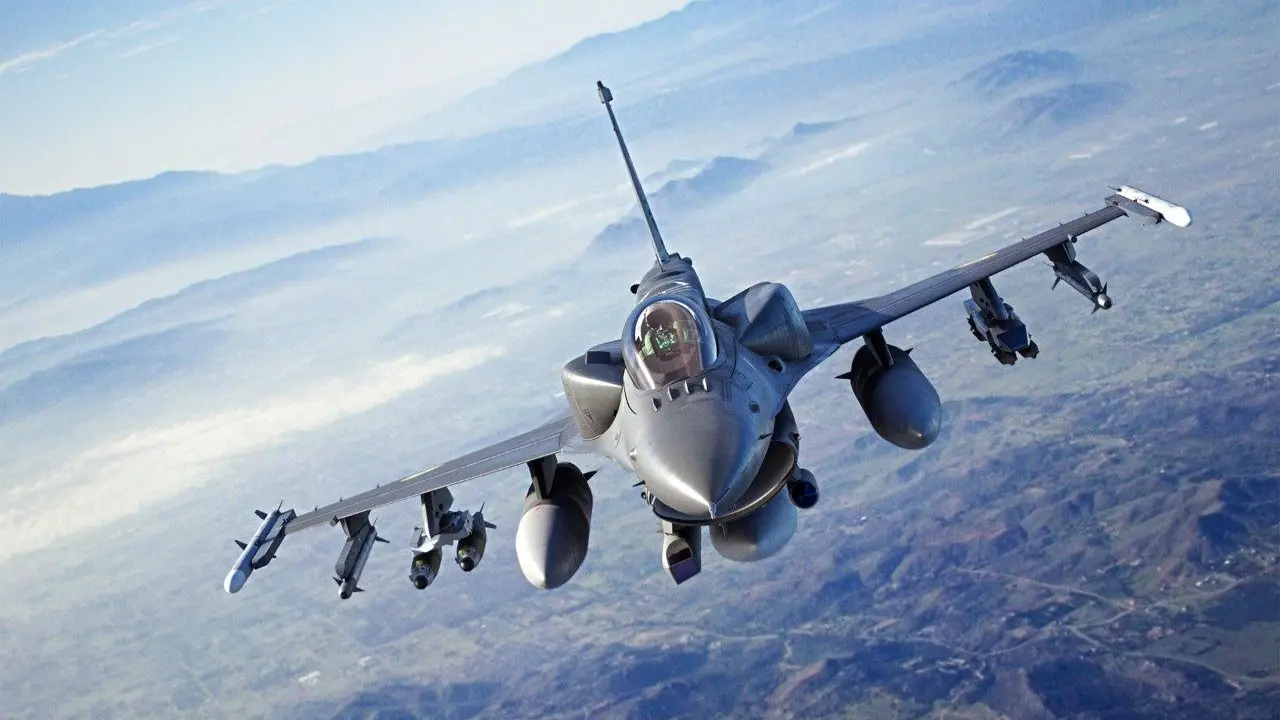
How pilots see in the dark
At night, pilots rely on cockpit lights, glowing markers, and sometimes infrared cameras on tankers. Tanker crews use night-vision goggles or 3D camera displays to guide the process. Video and infrared tech let operators monitor fuel transfer in total darkness, making the process much safer.
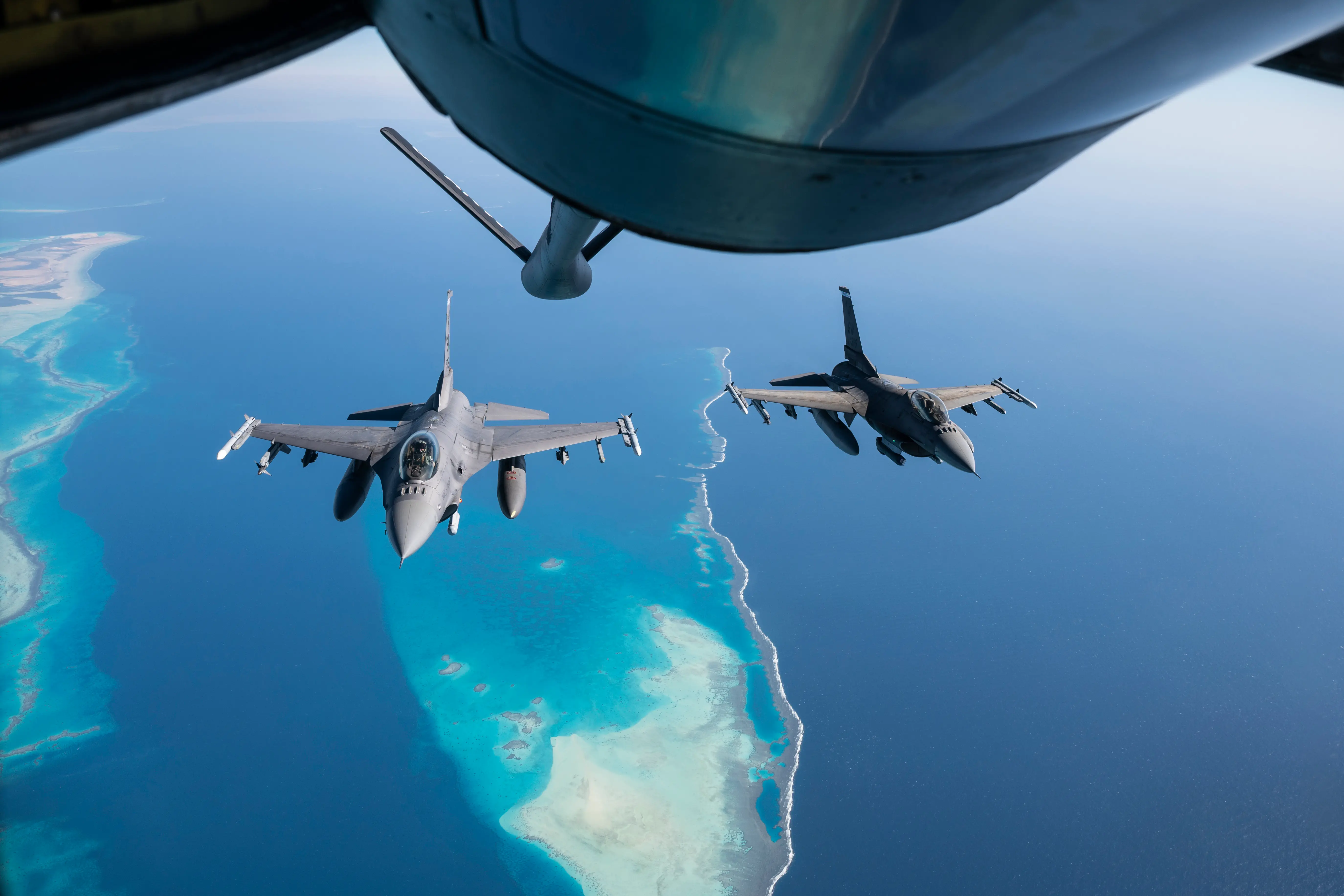
The actual refuelling step-by-step
The receiver aircraft approaches the tanker from behind or below. With the probe-and-drogue, the pilot lines up the jet's probe and gently connects with the drogue. With the flying boom, a boom operator on the tanker steers the tube into the receiving jet. Fuel then flows until lights or gauges show the tanks are full.
Dangers of night refuelling
Flying close together at high speed in the dark brings danger. Poor weather, turbulence, and fatigue can add risk. Military reports say regular practice is crucial, and even small mistakes can mean disconnects or, rarely, accidents.
How stealth and advanced jets refuel
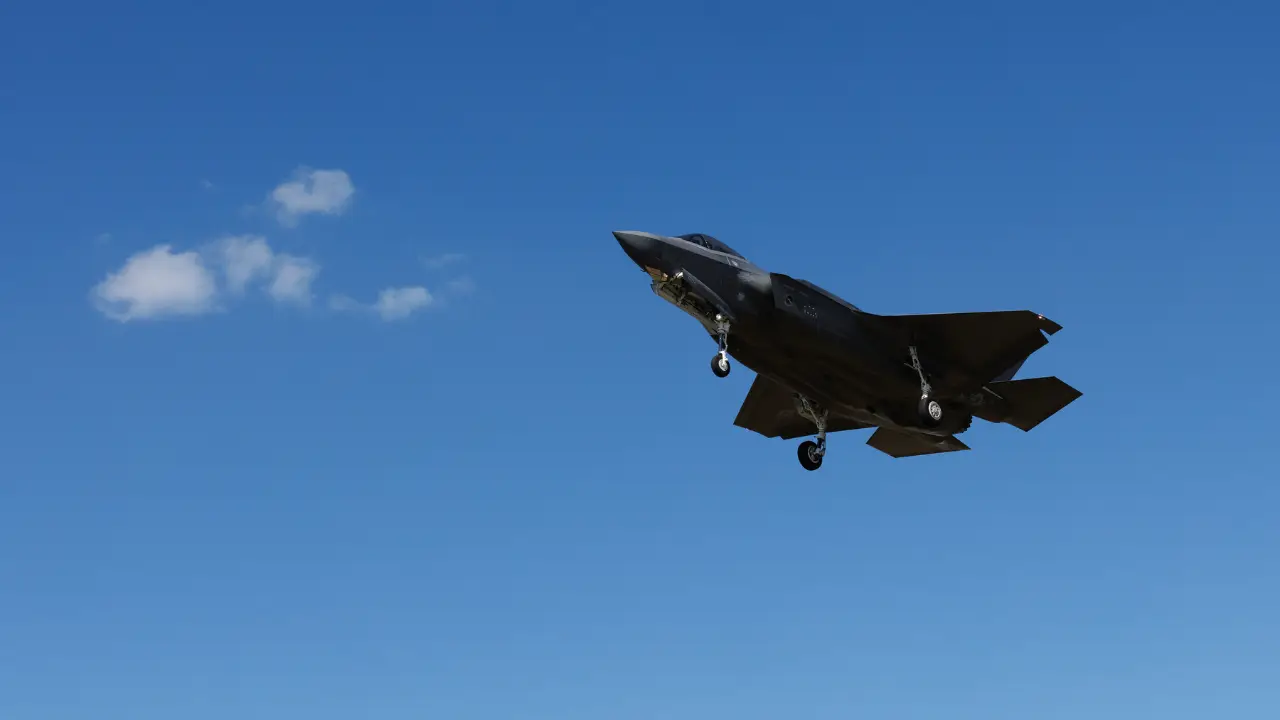
Stealth jets like the F-35 and B-2 are designed to refuel with low radar profile. Night missions help keep them undetected. New tankers, such as the Airbus A330 MRTT and KC-46A, have special systems for stealth-compatible, silent refuelling and can transfer fuel to up to two fighters at once.
The future: drones and automation
The latest plans involve drones, automation, and AI helping with refuelling. Unmanned tankers and auto-docking tech are being tested for refuelling jobs that take place at night, in any weather, cutting risk to human crews.
)
)
)
)
)