Fighter jet aerodynamics: How designers beat gravity and air resistance

How fighter jet designers use science and engineering to help jets defy gravity and push through air resistance. Fighter jet designers use smart shapes, engines, and stealth tricks to beat gravity and air resistance, enabling incredible speed and agility in flight.
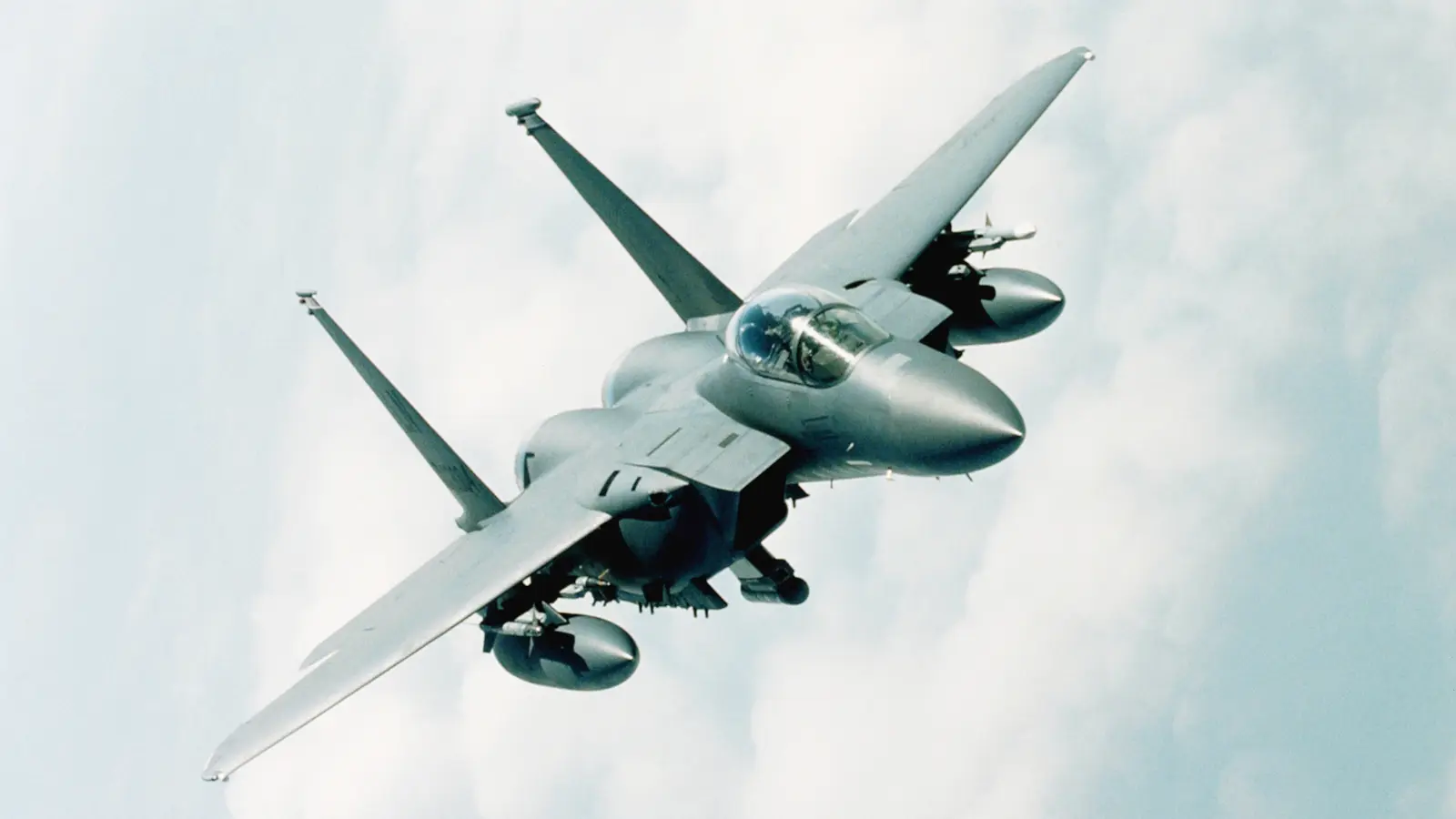
The Four Forces of Flight
A fighter jet is shaped and powered to balance four basic forces lift, drag, thrust, and weight. Lift helps the jet rise, thrust moves it forward, drag slows it down, and weight pulls it down. Designers make sure these forces are balanced so jets can climb, turn, and cruise with precision and safety.
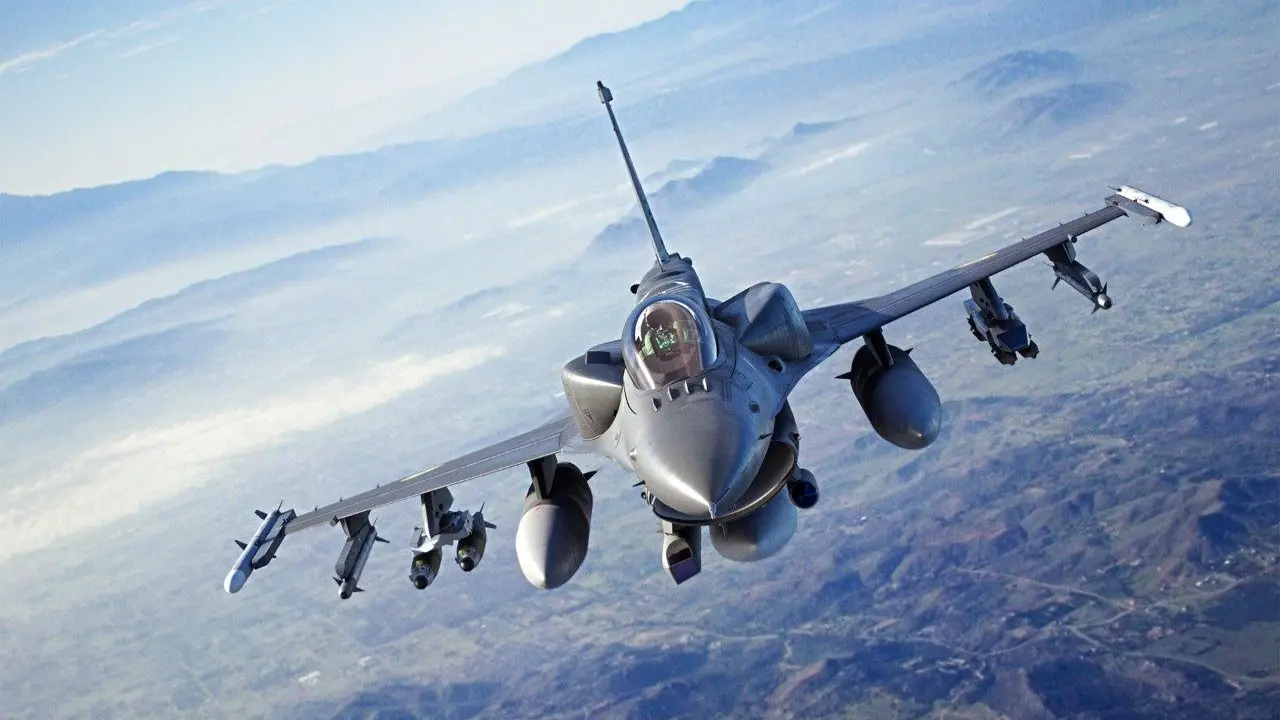
Lift To Beat Gravity
The wings of a fighter jet have a curved shape called an aerofoil. As air flows over the wings, it travels faster on top and slower underneath, making pressure differences that lift the jet off the ground. At high speeds, the lift increases, helping the jet rise quickly. The angle of attack (how the wing tilts into the airflow) changes how much lift appears.
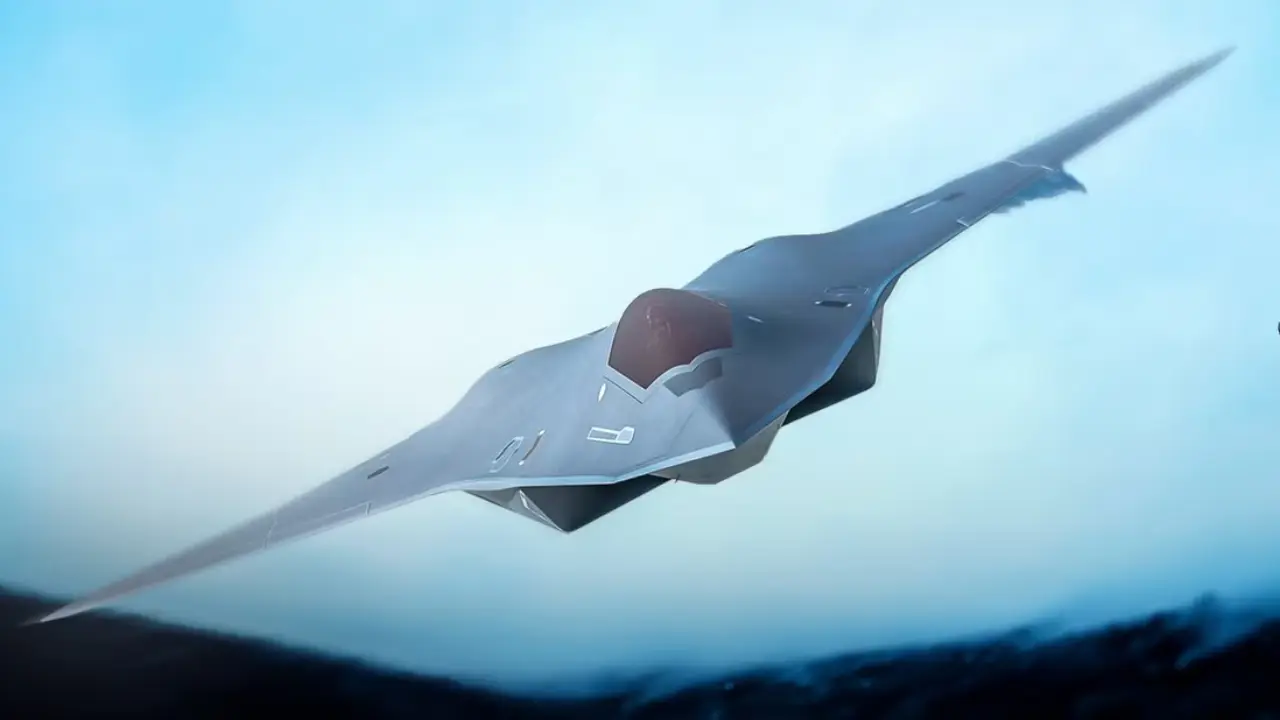
Drag - The Main Enemy of Speed
Air resistance or drag slows the jet down. Fighter jets face many types of drag, including form drag (from the jet’s shape), induced drag (from making lift), friction drag (as air rubs the surface), and wave drag (at speeds close to and above sound). Reducing drag means better speed and fuel efficiency.
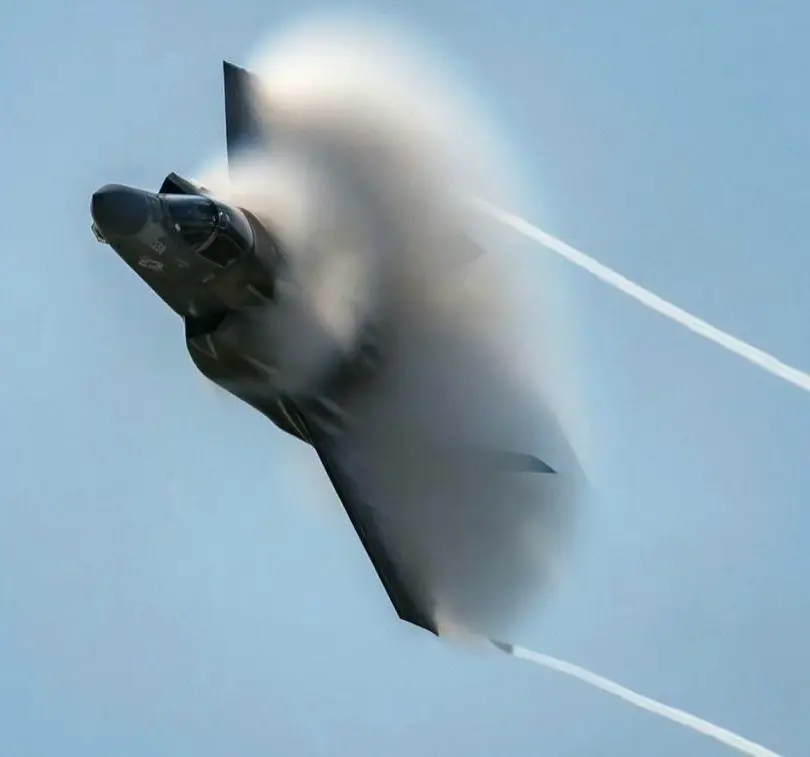
Jet Design
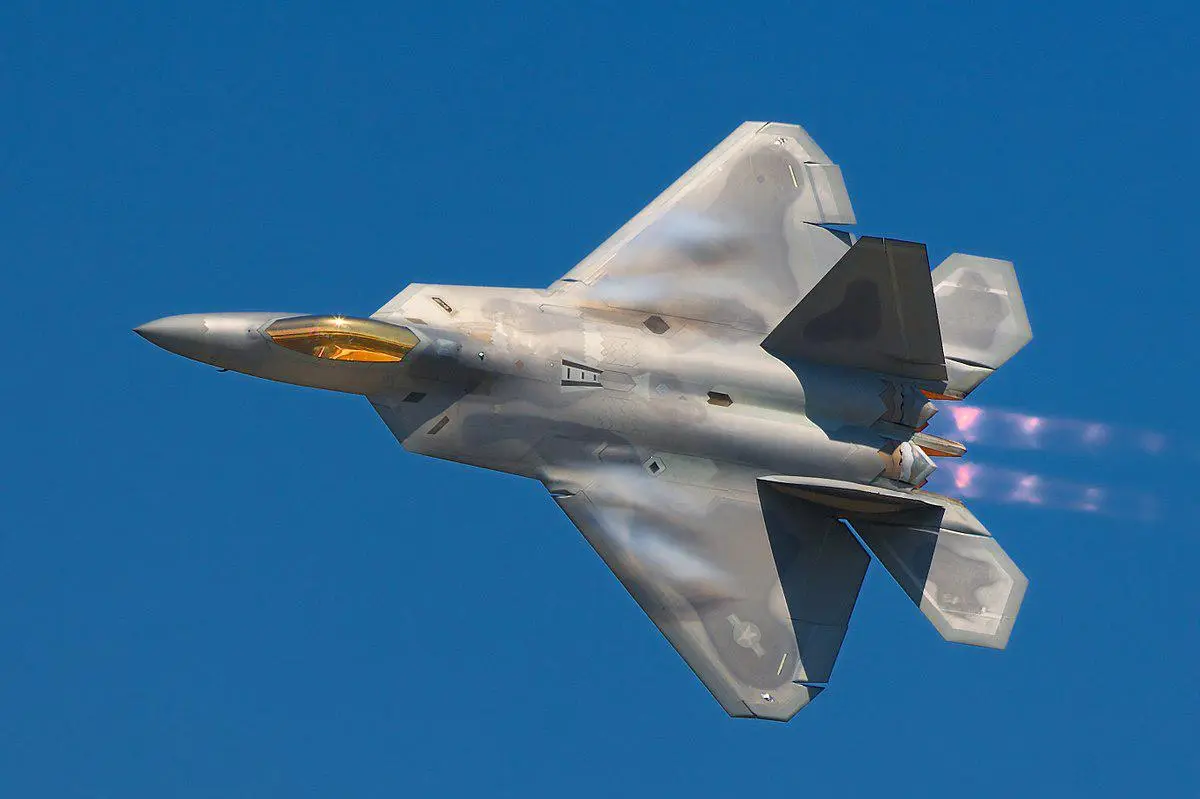
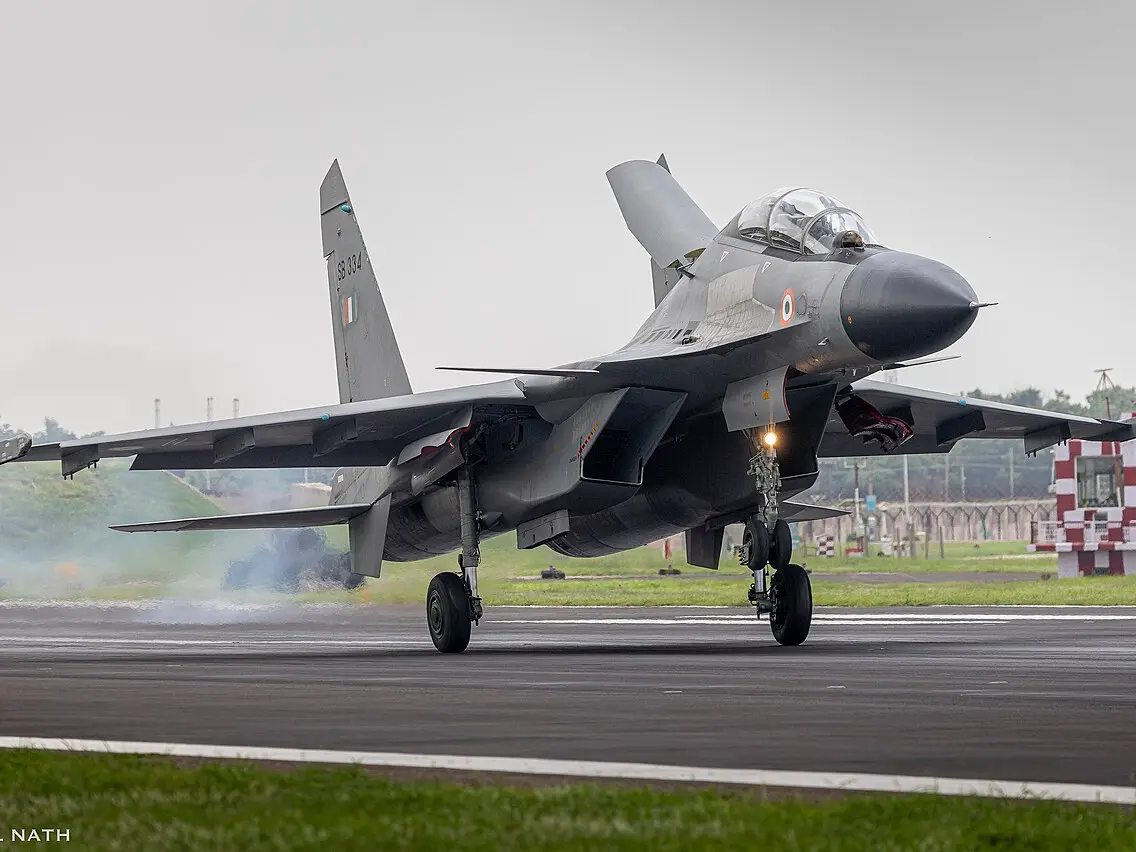
Designers use smooth surfaces, thin wing profiles, and sleek air intakes to reduce drag. Winglets cut down swirling air at the tips. Some jets, like the F-22 Raptor, blend the wing and body smoothly to reduce drag from joins. Even landing gear and engine covers are shaped for less resistance.
Thrust - Powering Past Gravity and Drag
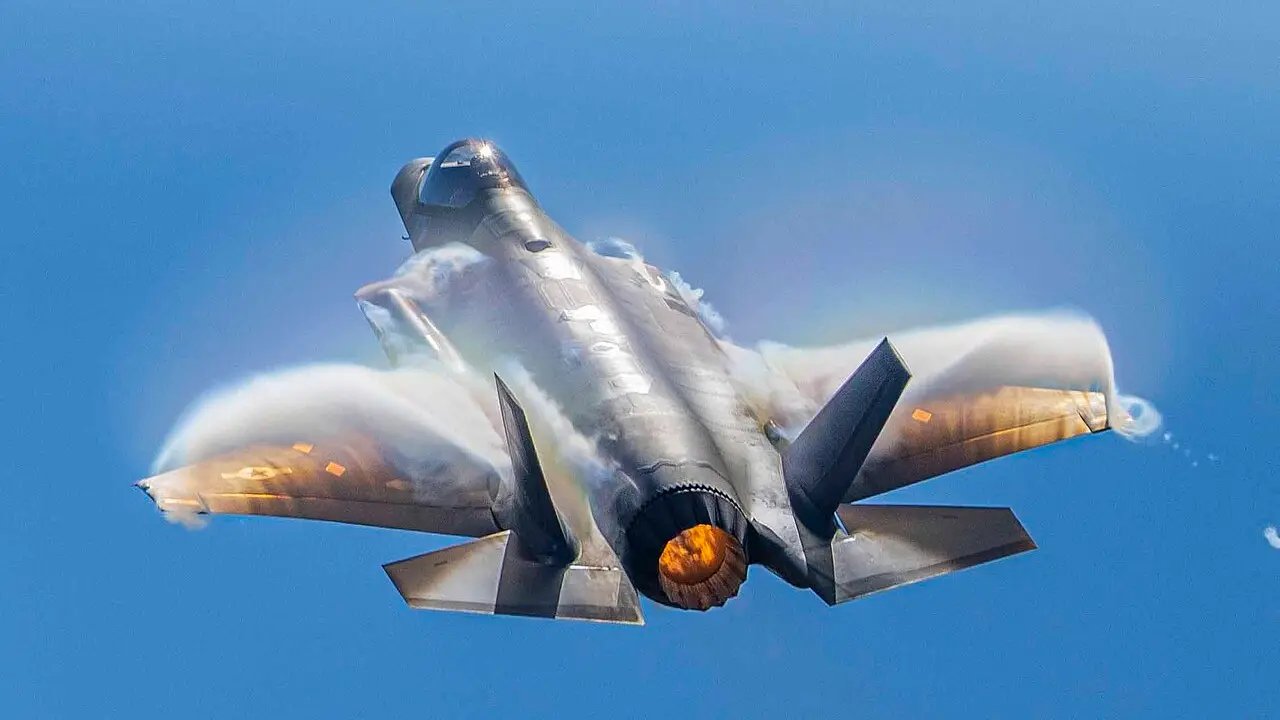
Jet engines give thrust, pushing jets forward against both gravity and air resistance. Afterburners add extra thrust for take-off and fast climbing. The thrust-to-weight ratio tells us how quickly a jet can accelerate or climb; most fighter jets have high ratios, meaning powerful engines help them beat gravity with ease.
Stealth and Aerodynamics - A Balancing Act
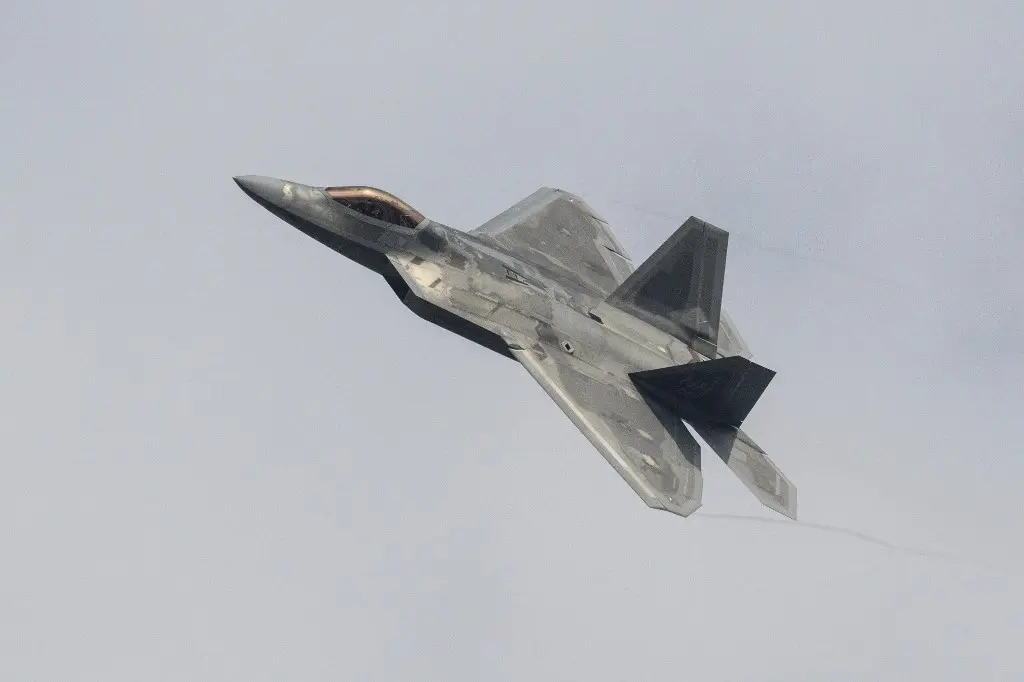
Modern jets often need to avoid radar as well as fly fast. Stealth shapes, like sharp edges or hidden intakes, may increase drag but lower radar signals. Designers work to balance stealth and aerodynamics, using special materials and shapes that allow jets to stay hidden while flying efficiently.
Future Innovations
Advances in computer modelling, new engine tech, and strong materials now let designers try wing shapes or body styles that seemed impossible before. Some use area-ruled bodies or laminar flow wings to cut drag. The future may see jets with even higher lift-to-drag ratios, more agility, and better fuel use. Know more below as engineers work to make tomorrow's jets faster and smarter than ever.
)
)
)
)
)