F‑16s return to the Gulf: Why Trump chose these low‑cost fighter jets to send a high‑stakes message to Iran amid nuclear talks

Despite the presence of advanced stealth aircraft, the F-16 Fighting Falcon continues to play a central operational role due to its balance of performance and cost efficiency.
US-Iran Tensions Escalate
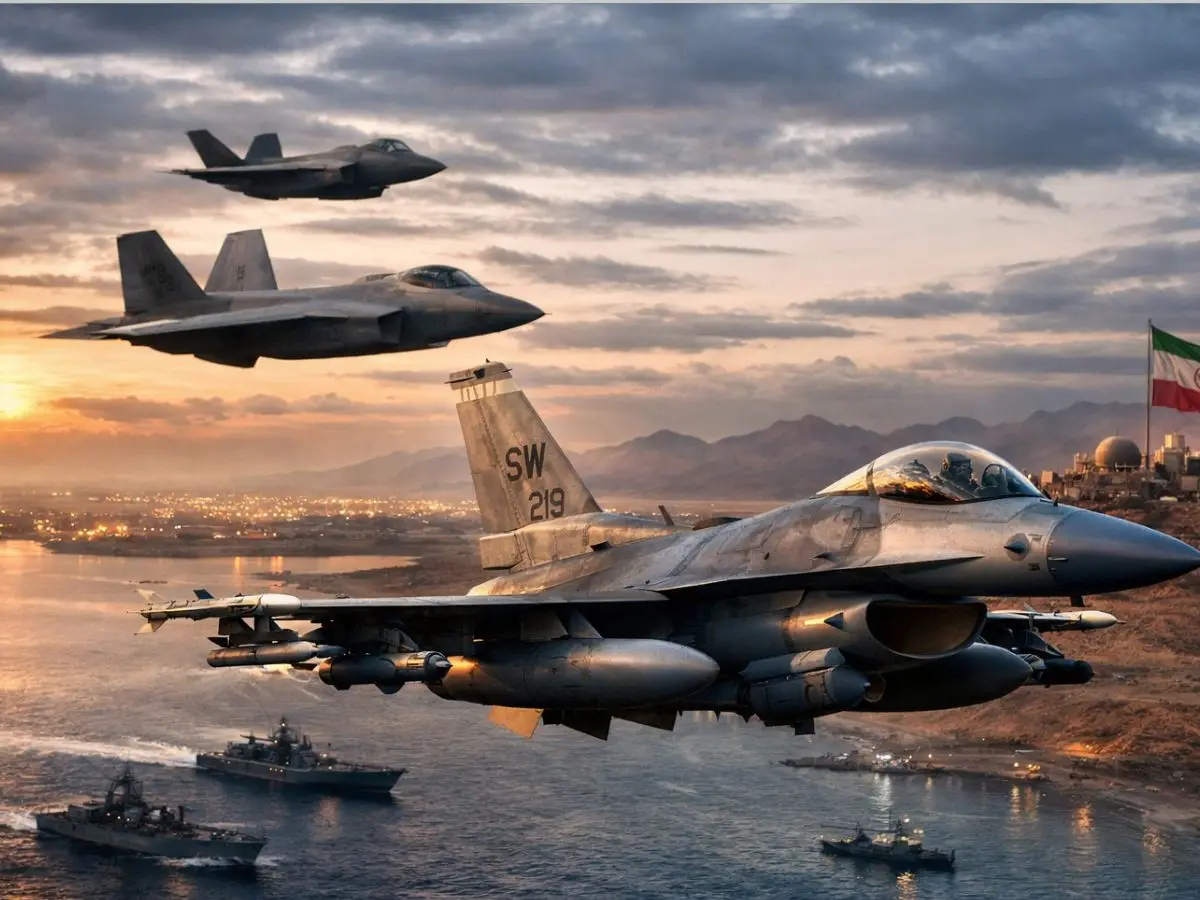
Amid persistent tensions between the United States and Iran, the US military has deployed over 50 fighter jets, including F-35, F-22, and F-16 squadrons, to the Middle East. This movement coincides with recently concluded nuclear talks in Geneva, which officials from both sides described as showing “progress.” Washington, however, remains steadfast in its red line against Iran developing nuclear weapons. Despite the presence of advanced stealth aircraft, the F-16 Fighting Falcon continues to play a central operational role due to its balance of performance and cost efficiency.
The Role of the F-16 Fighting Falcon
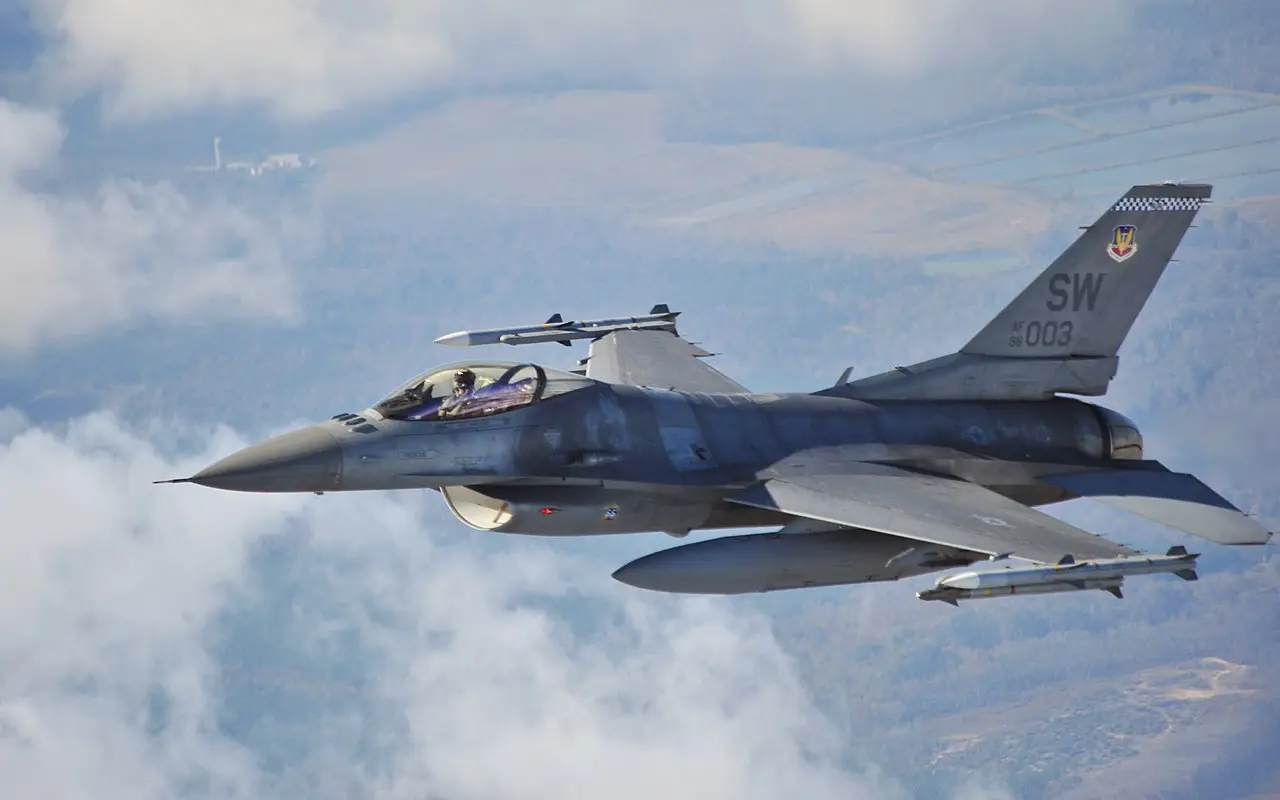
Developed by Lockheed Martin, the aircraft is widely recognised as a compact, multi-role fighter valued for its high performance and low operational cost. It excels in air-to-air combat and air-to-surface missions, providing the US and allied forces with a versatile weapon system. The F-16 can travel over 860 kilometers into hostile territory, deliver ordnance with high accuracy, defend itself against interception and return safely, making it particularly suitable for extended regional patrols, complementing more expensive stealth platforms like the F-22 and F-35. It provides a relatively low-cost, high-performance weapon system for the United States
Advanced Features and Agility
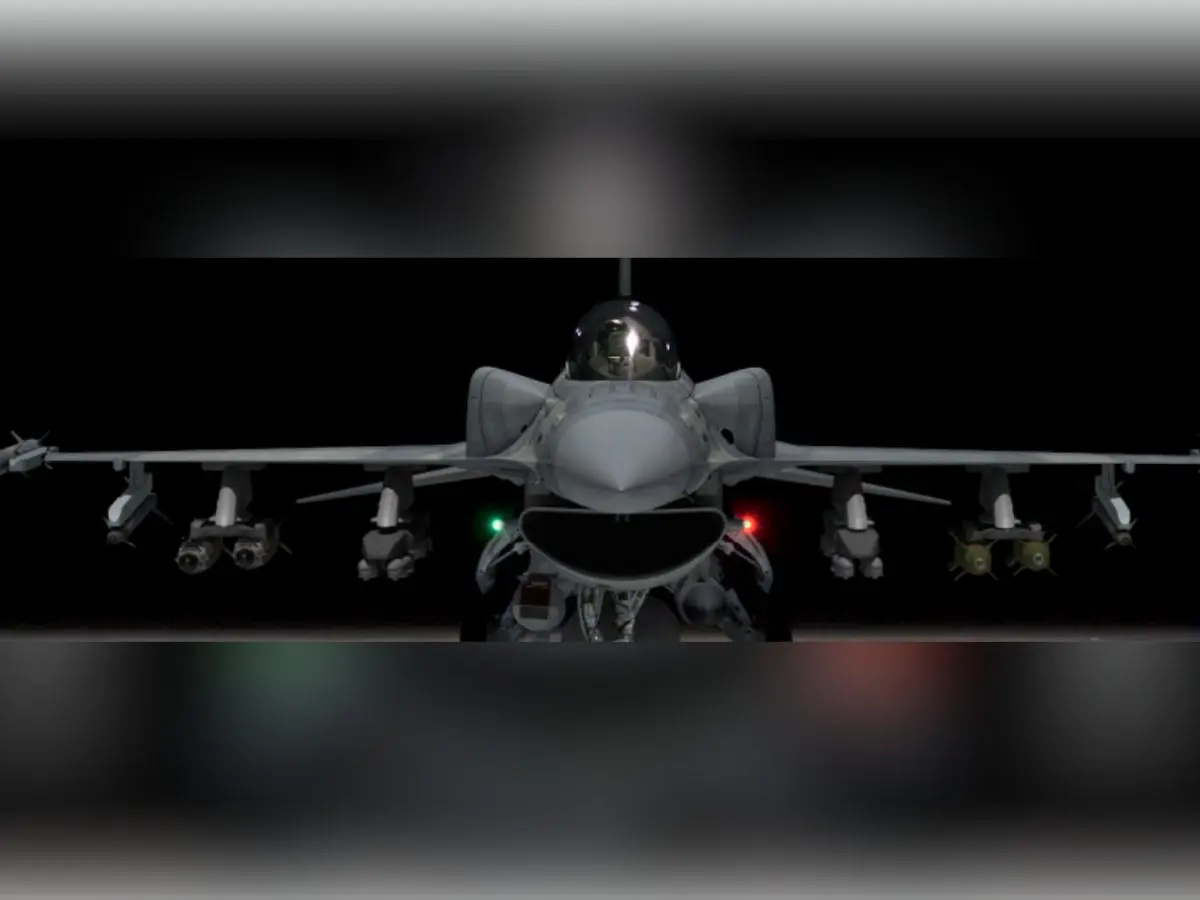
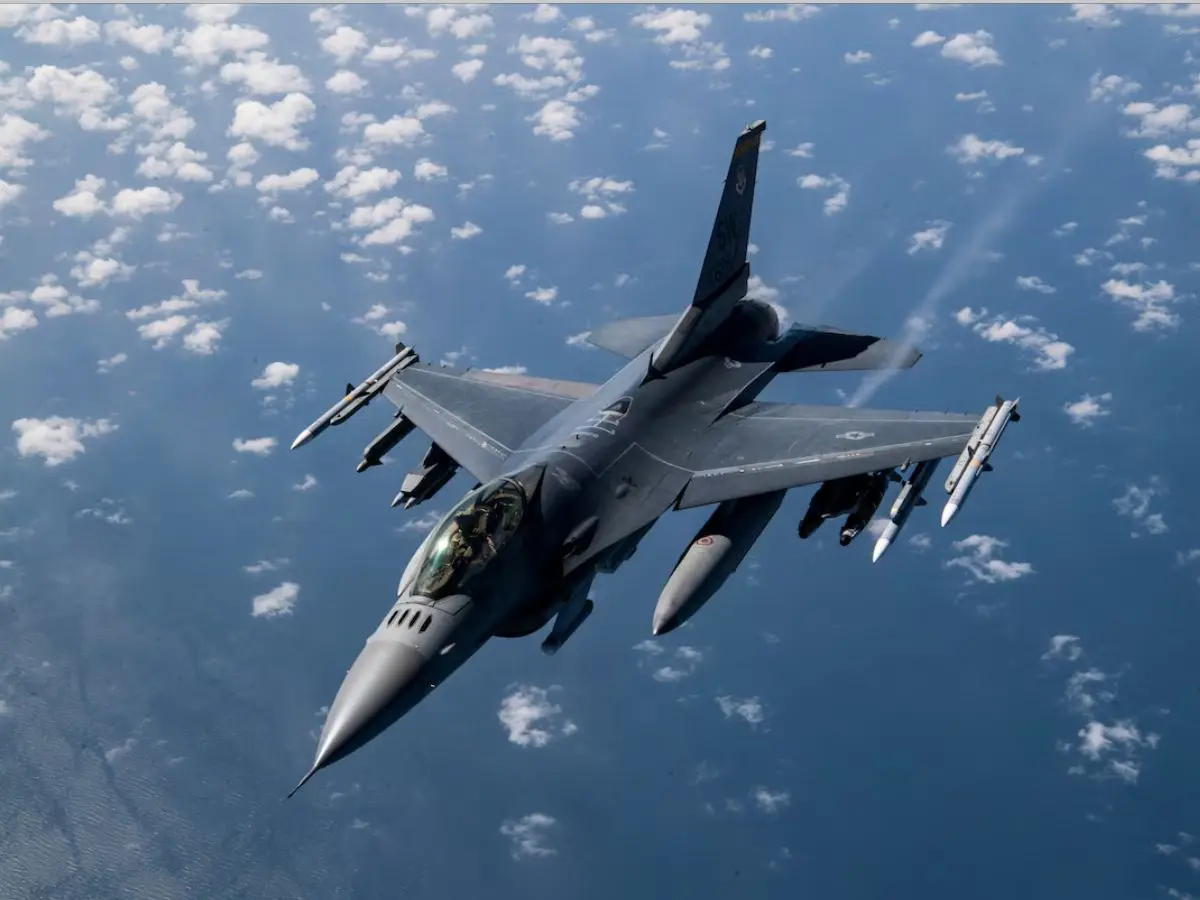
Equipped with a fly-by-wire system, a bubble canopy for enhanced visibility, and a cockpit angled for pilot comfort, the F-16 allows precise handling even under nine Gs of force (nine times the force of gravity). Modern F-16 variants feature Northrop Grumman’s APG-83 AESA radar, providing fifth-generation situational awareness, all-weather targeting, and digital map displays for mission planning. Its manoeuvrability, combat radius, and rapid response capabilities make it highly effective in contested airspaces.
Operational History
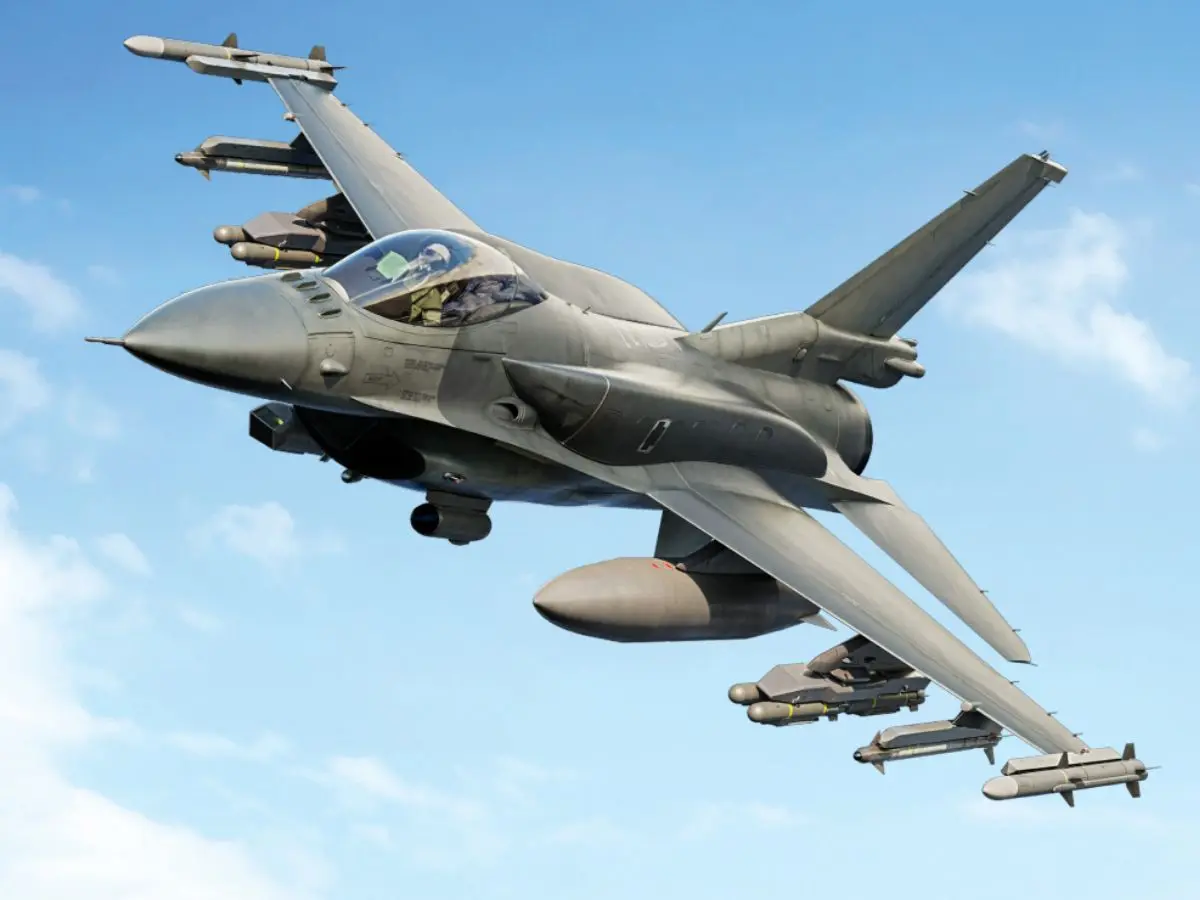
The F-16 first flew in 1976 and entered service in 1979. It has a proven combat record, including Operation Desert Storm, Operation Allied Force, and missions in Afghanistan and Iraq post-9/11. These deployments demonstrate its reliability and strategic versatility in both air dominance and precision strike roles.
Cost and Strategic Value
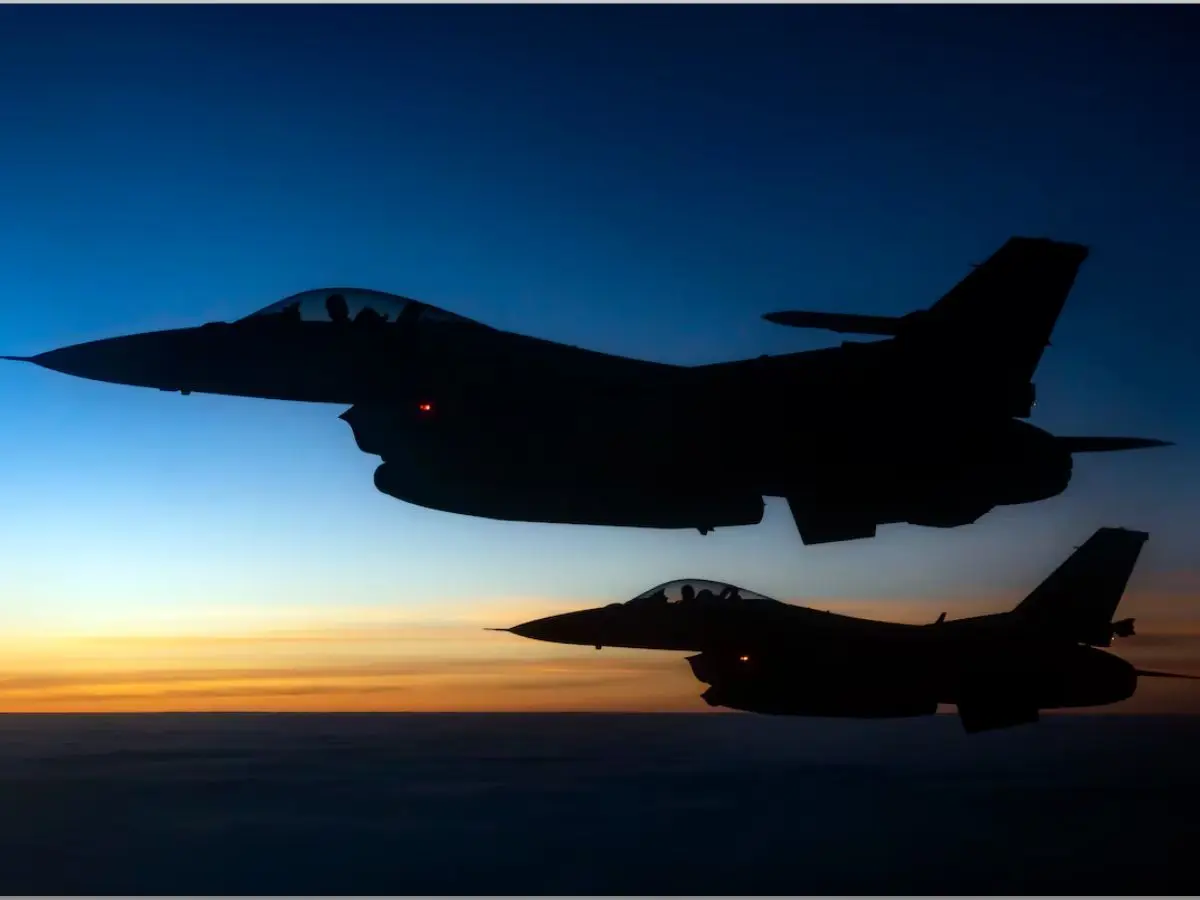
With a unit cost of $14.6 million for early models and $18.8 million for the latest F-16C/D variants, the aircraft remains far more affordable than stealth-heavy jets while retaining combat effectiveness. This cost advantage allows large-scale deployments, strengthening deterrence in the Gulf without overstretching military budgets.
Technical Specifications
The F-16 can reach speeds of Mach 2 (1,500 mph), fly over 2,000 miles, and carry a variety of munitions, including air-to-air missiles, bombs, and electronic countermeasure pods. Its operational ceiling exceeds 50,000 feet, and the airframe supports both single- and two-seat variants for multirole flexibility.
Strategic Significance
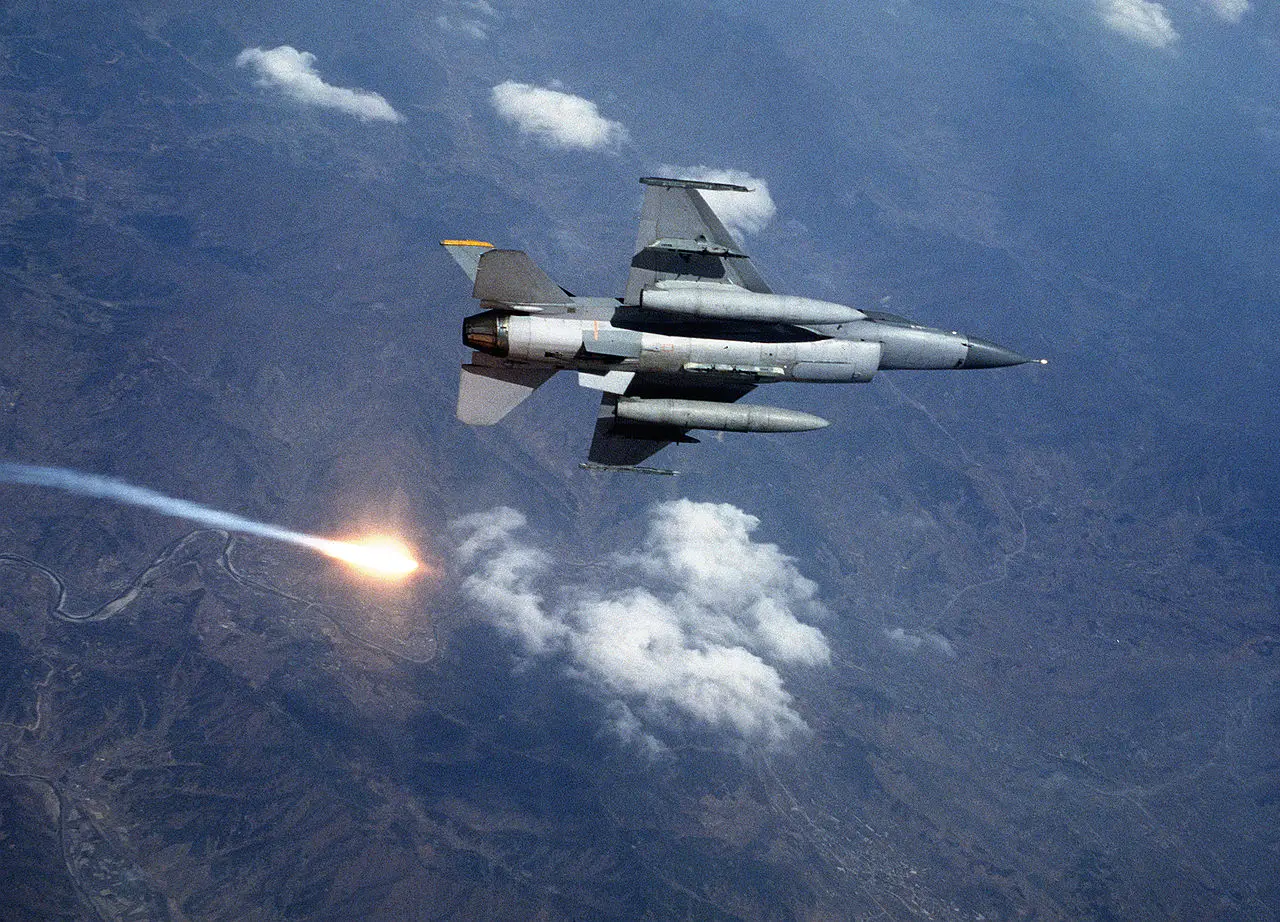
The deployment of F-16s to the Gulf signals a calibrated military posture by the US. By combining proven capability with cost efficiency, the jets reinforce Washington’s deterrence strategy while allowing nuclear diplomacy to continue.
)
)
)
)
)