Evolution of fighter jets: 1st to 6th generation aircraft explained

This progression is categorized into generations, each marking a leap in technology, design, and combat capabilities. Each generation reflects leaps in speed, agility, firepower, and technology, shaping how nations project power in the skies.
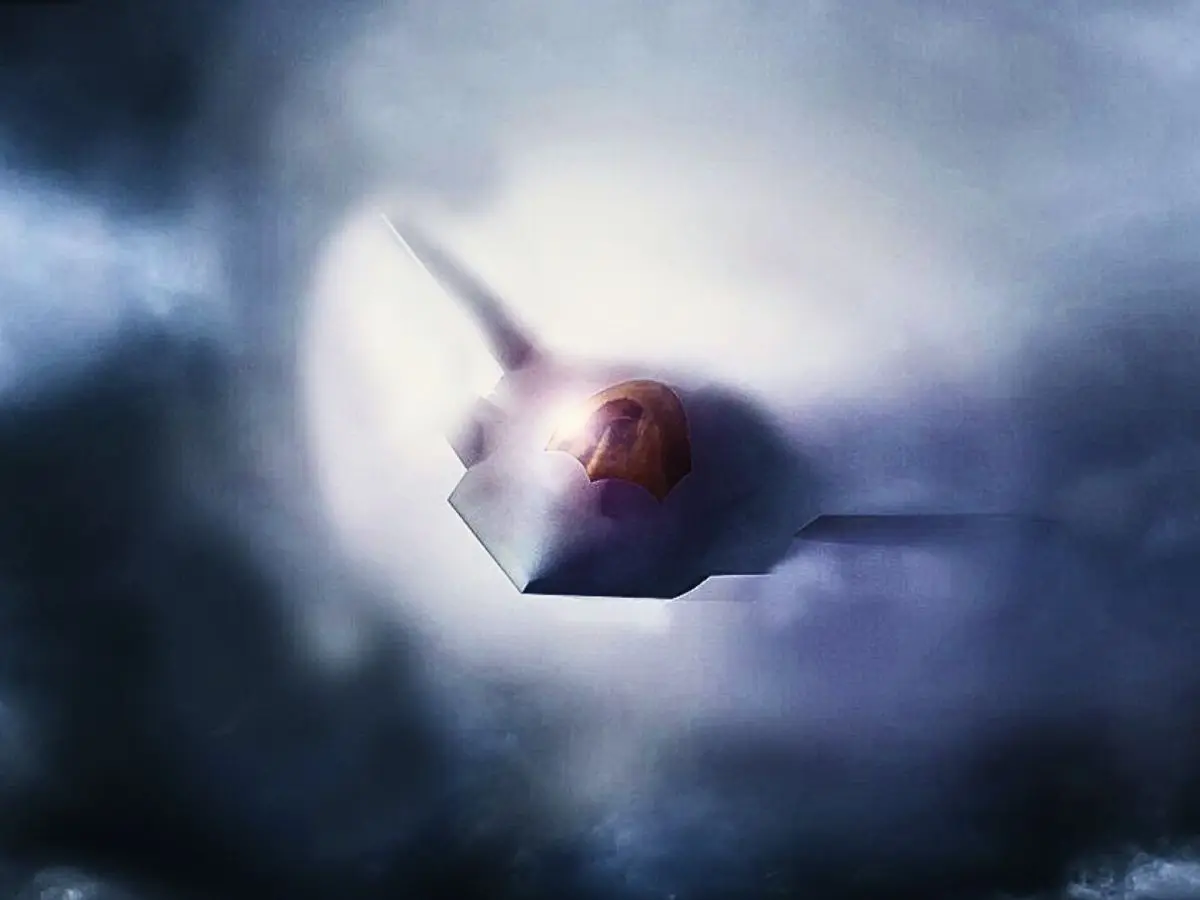
The Evolution of Fighter Jets
From the first rudimentary jet fighters of World War II to the cutting-edge stealth aircraft of today, fighter jets have constantly redefined the rules of aerial warfare. Each generation reflects leaps in speed, agility, firepower, and technology, shaping how nations project power in the skies. Understanding these generations not only reveals the evolution of combat aircraft but also offers insight into the future of air warfare, where unmanned systems, artificial intelligence, and hypersonic technology are set to redefine what it means to dominate the skies.
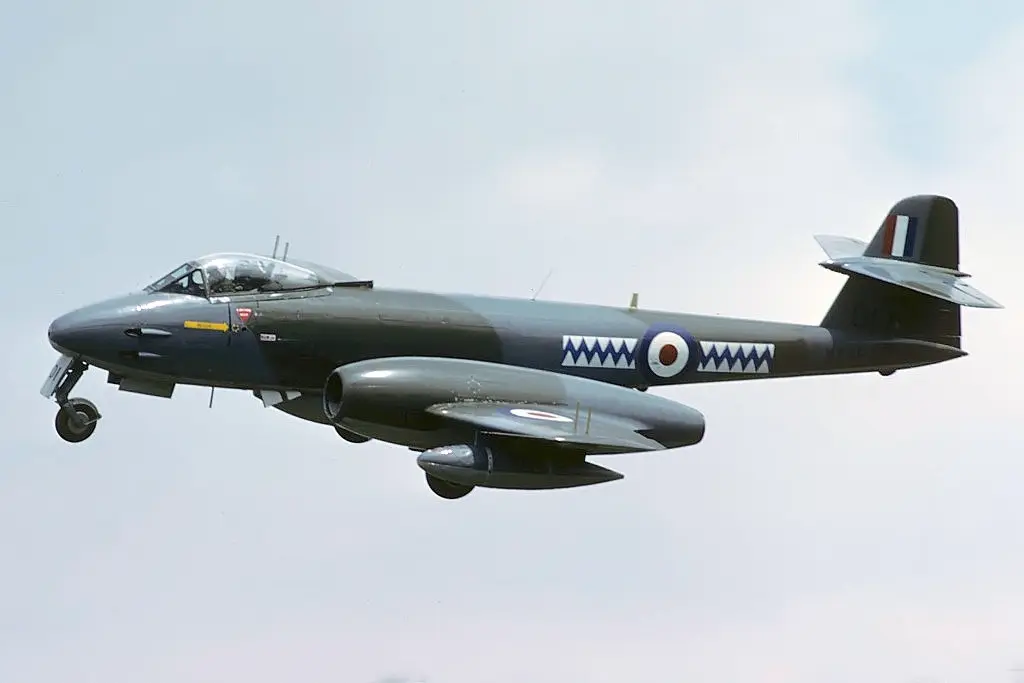
1st Generation: The Dawn of Jet Aviation
The first generation of jet fighters emerged during World War II, with aircraft like the German Messerschmitt Me 262 and the British Gloster Meteor. These planes were powered by jet engines, offering speeds and altitudes previously unattainable with piston engines. However, they lacked advanced avionics, radar, and guided weapons, relying primarily on guns for combat.
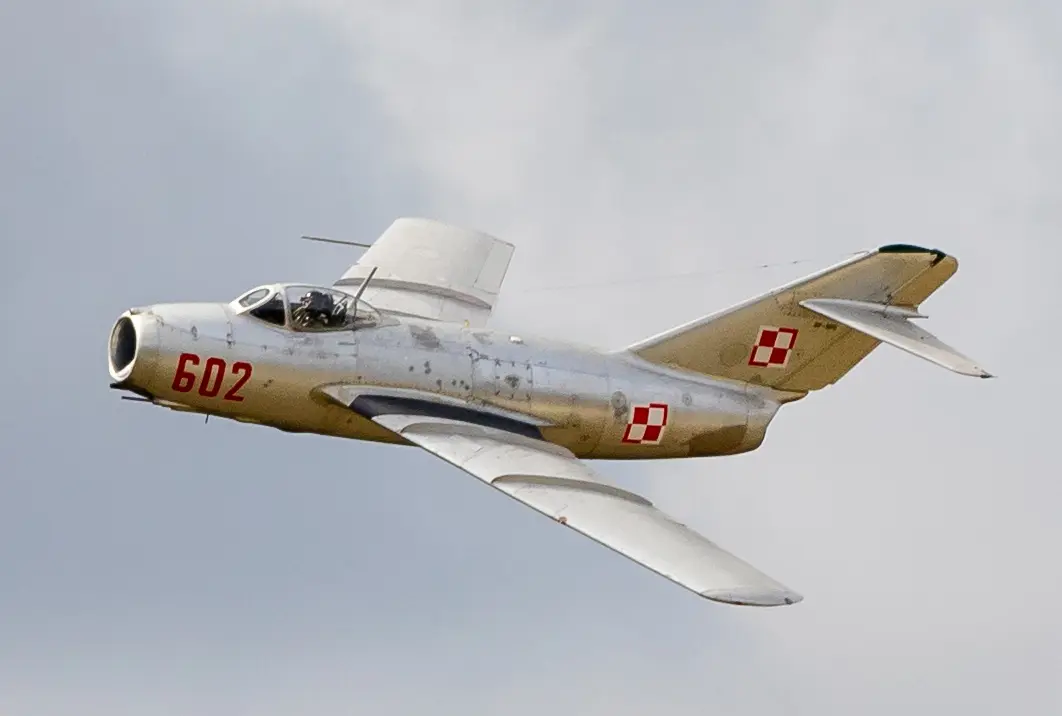
2nd Generation: Supersonic Flight and Early Missiles
In the post-war era, the 1950s and 1960s saw the introduction of supersonic fighters such as the Mikoyan-Gurevich MiG-21, Lockheed F-104 Starfighter, and Northrop F-5, MiG-15 and the F-86 Sabre. These aircraft featured swept-wing designs for better high-speed performance and began integrating radar systems and early guided missiles, like the AIM-7 Sparrow, enhancing their combat effectiveness beyond visual range.
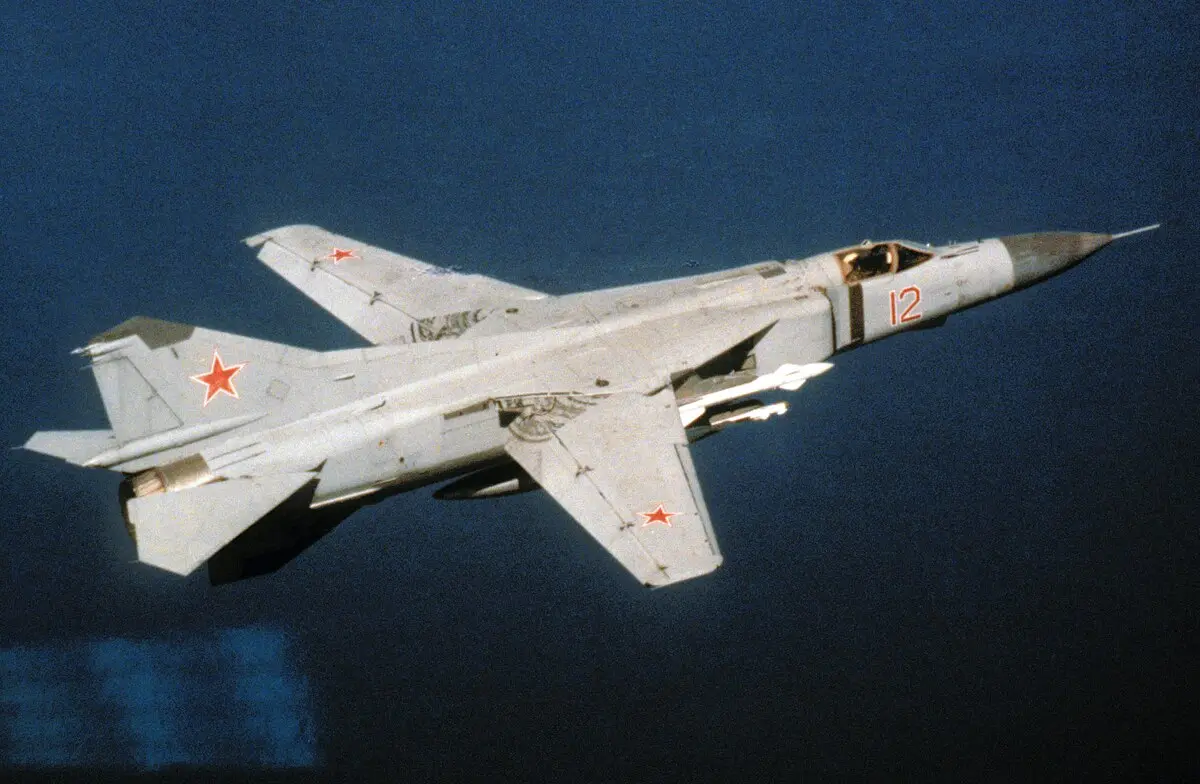
3rd Generation: Multirole Capabilities and Advanced Avionics
The 1970s introduced third-generation fighters like the F-4 Phantom II, Mirage F1, SEPECAT Jaguar, and Saab 37 Viggen and the MiG-23. These aircraft were designed for multirole missions, capable of both air superiority and ground attack. They featured improved avionics, including Doppler radar and better weapons systems, allowing for more versatile and effective combat operations.
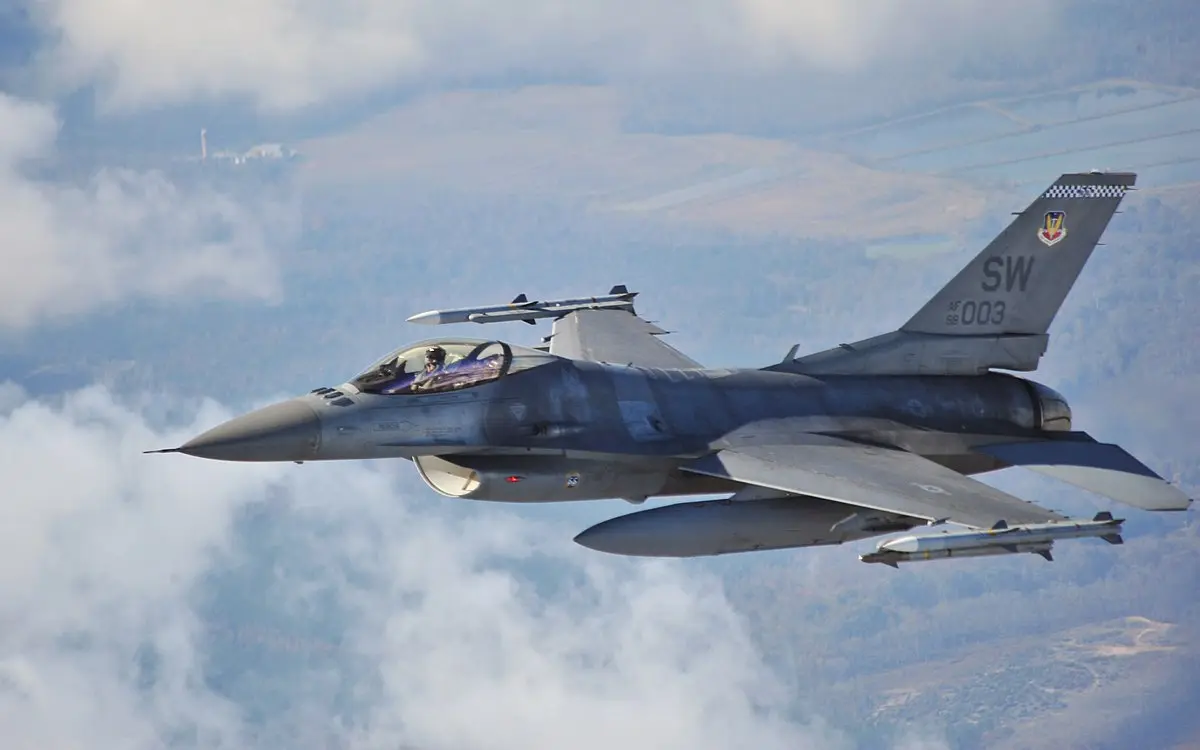
4th Generation: Fly-by-Wire and Enhanced Maneuverability
The 1980s and 1990s brought about fourth-generation fighters such as the F-15 Eagle, F-16 Fighting Falcon, F/A-18 Hornet, MiG-29 Fulcrum, Su-27 Flanker, and Mirage 2000. These aircraft incorporated fly-by-wire control systems, providing greater agility and stability. They also featured advanced radar systems, like the AN/APG-68, and precision-guided munitions, significantly improving their combat capabilities.
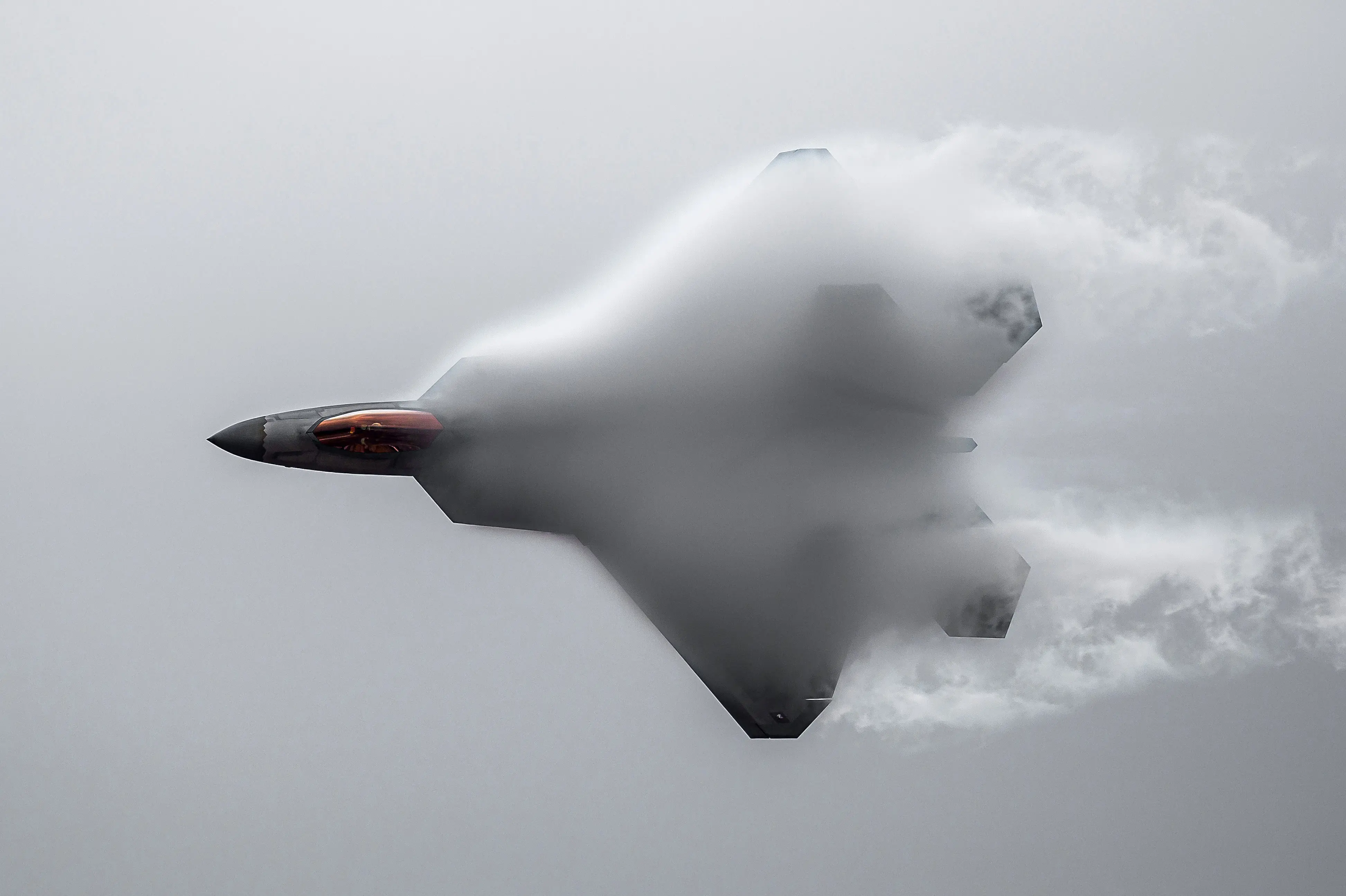
5th Generation: Stealth and Advanced Sensor Fusion
Fifth-generation fighters, exemplified by the F-22 Raptor, Chengdu J-20, Sukhoi Su-57 and the F-35 Lightning II, represent a significant leap forward. These aircraft are designed with stealth technology to reduce radar cross-section, advanced avionics for sensor fusion, and supercruise capability, allowing sustained supersonic flight without afterburners. They also feature integrated systems for networked warfare, enhancing situational awareness and combat effectiveness.
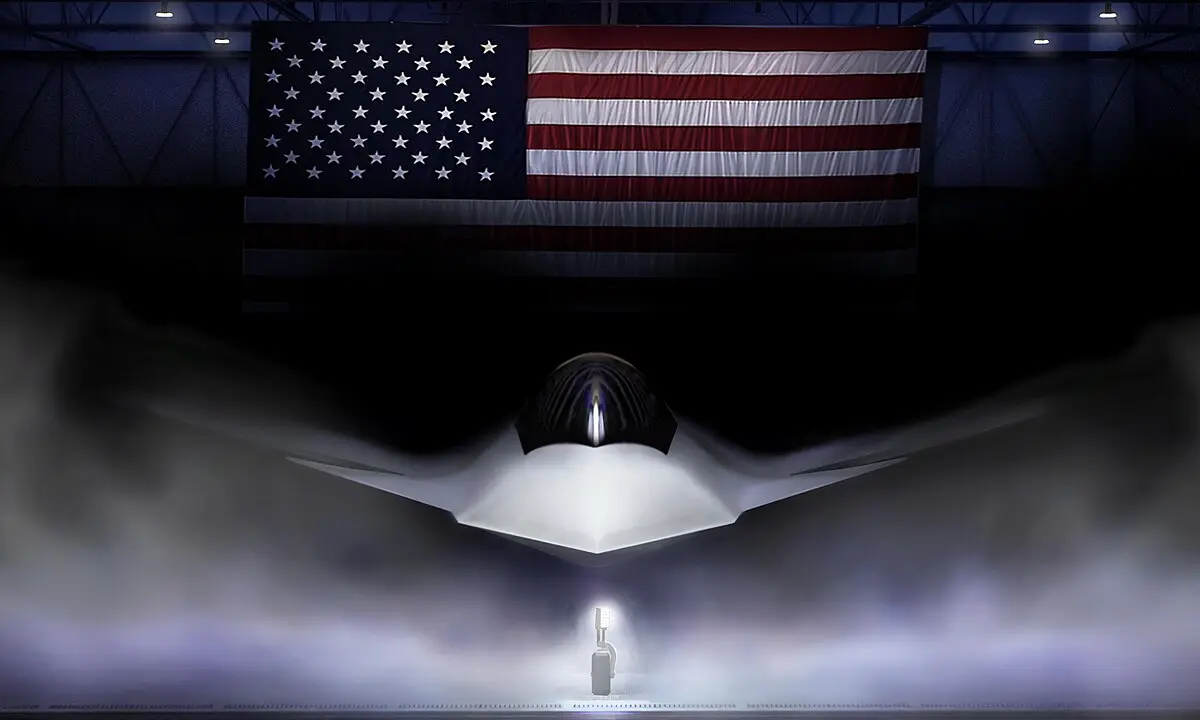
6th Generation: The Future of Air Combat
Sixth-generation fighters are currently under development, with prototypes like the Boeing F-47 and the UK-Japan-Italy Global Combat Air Programme (GCAP) in the works. These aircraft are expected to incorporate hypersonic speeds, artificial intelligence for autonomous operations, and advanced materials for enhanced stealth and survivability. They aim to operate seamlessly with unmanned systems and other networked assets, representing the next frontier in air combat technology.
)
)
)
)
)