'Ending stigma': The new protocols for military pilots reporting UFO encounters

Exploring the sweeping policy shifts that finally protect military aviators from professional ruin when officially reporting encounters with unidentified anomalies.
The Historic Stigma
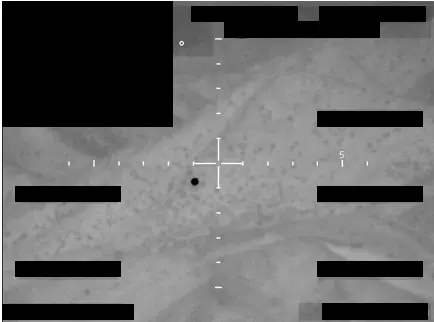
For over 70 years, a toxic culture existed within the military: pilots who reported UFOs were subjected to psychological evaluations, grounded from flight duty, and faced career-ending ridicule.
A Sweeping Policy Shift
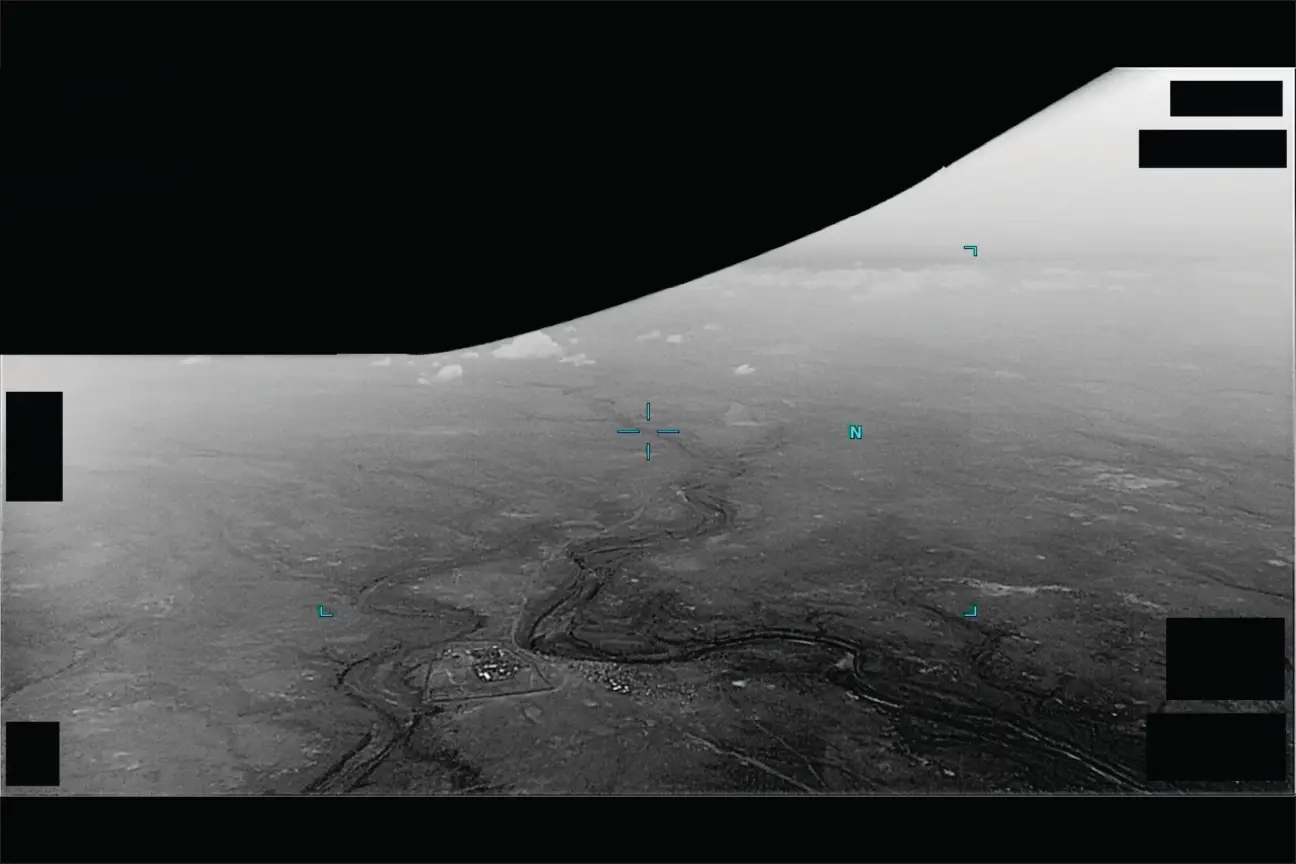
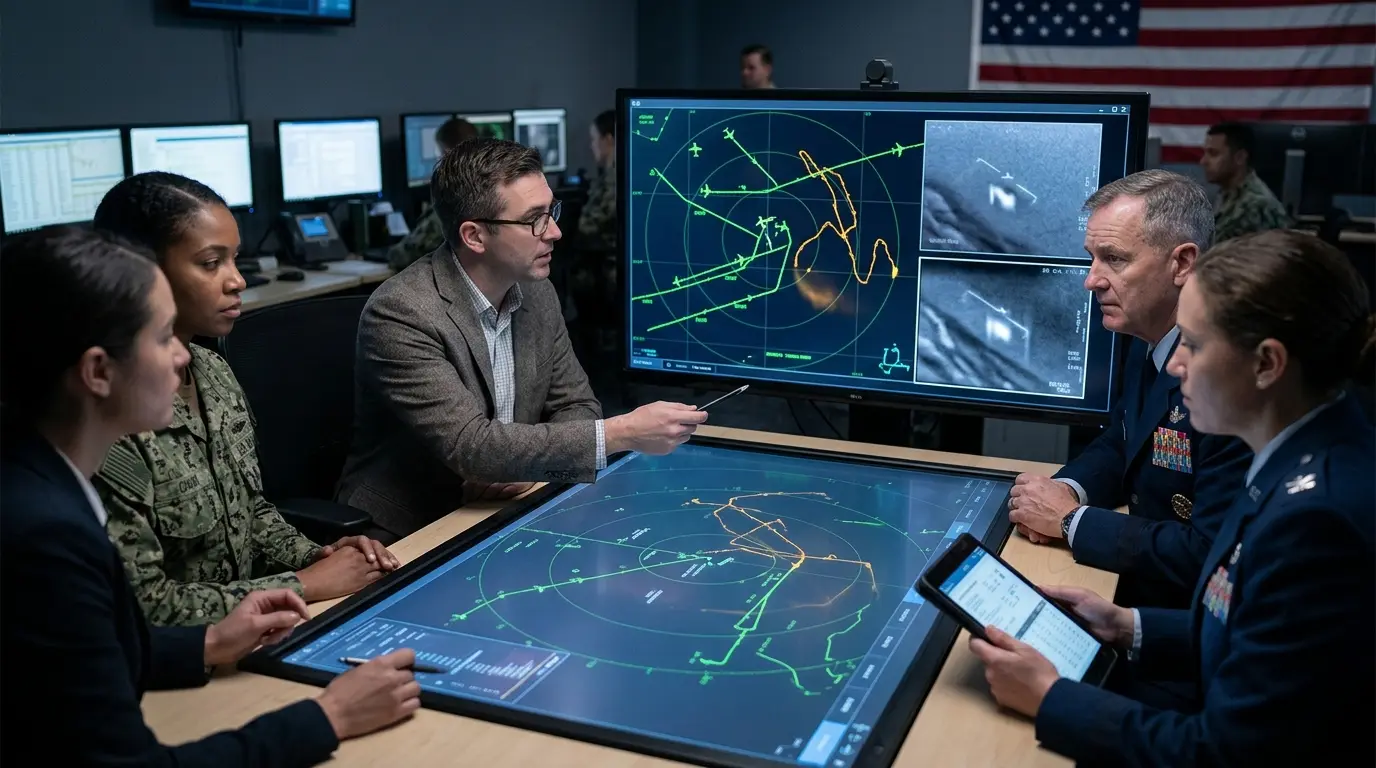
The release of the May 22 UAP files coincides with a massive bureaucratic policy shift. The Department of War has officially abolished the stigma, mandating a safe environment for reporting anomalies.
Standardized Reporting Mechanisms
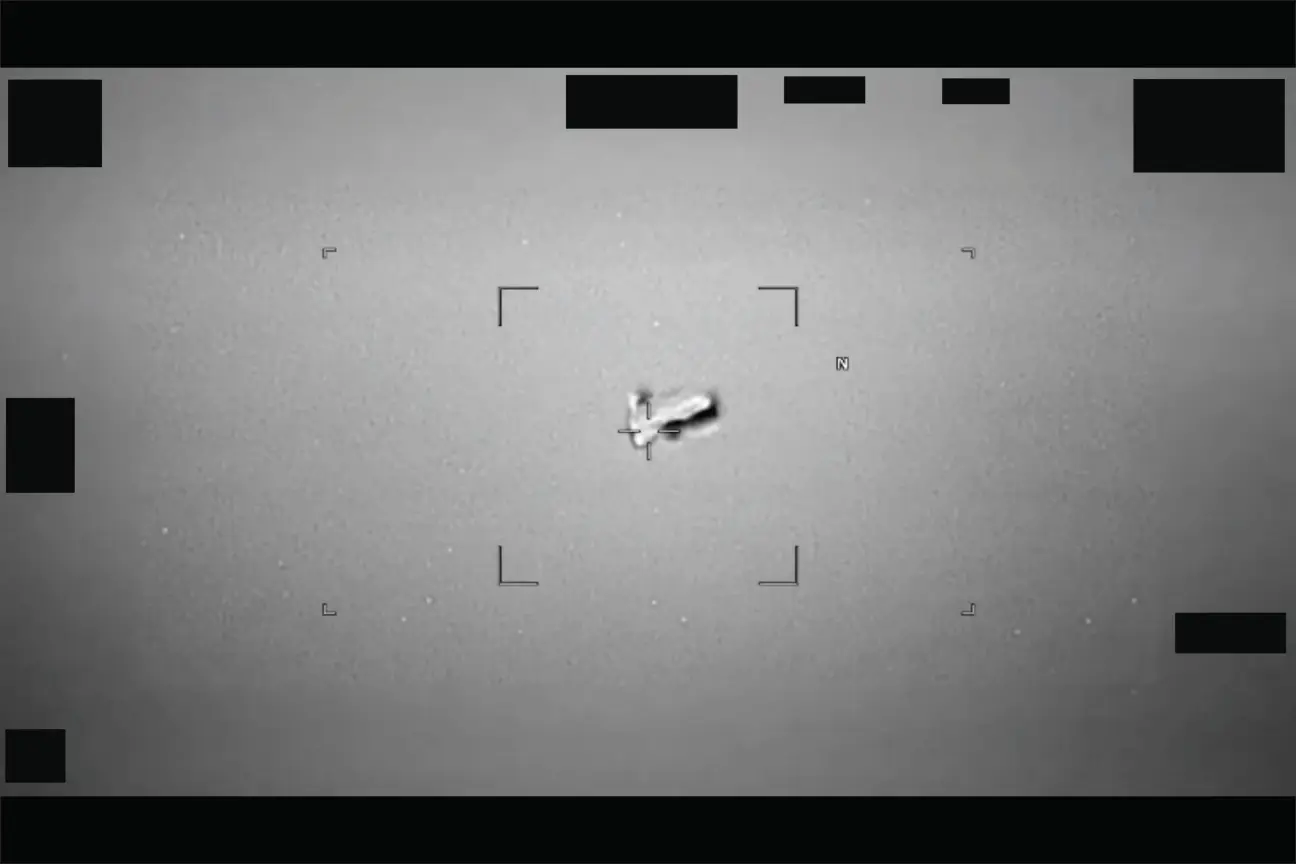
Pilots are now equipped with standardized UAP reporting forms embedded directly into their post-flight debriefing software, treating these encounters as routine intelligence gathering rather than sci-fi events.

Removing Psychological Penalties
New directives explicitly prohibit commanders from penalizing aviators or forcing psychological evaluations based solely on the reporting of anomalous aerodynamic phenomena during flight operations.
The Intelligence Goldmine
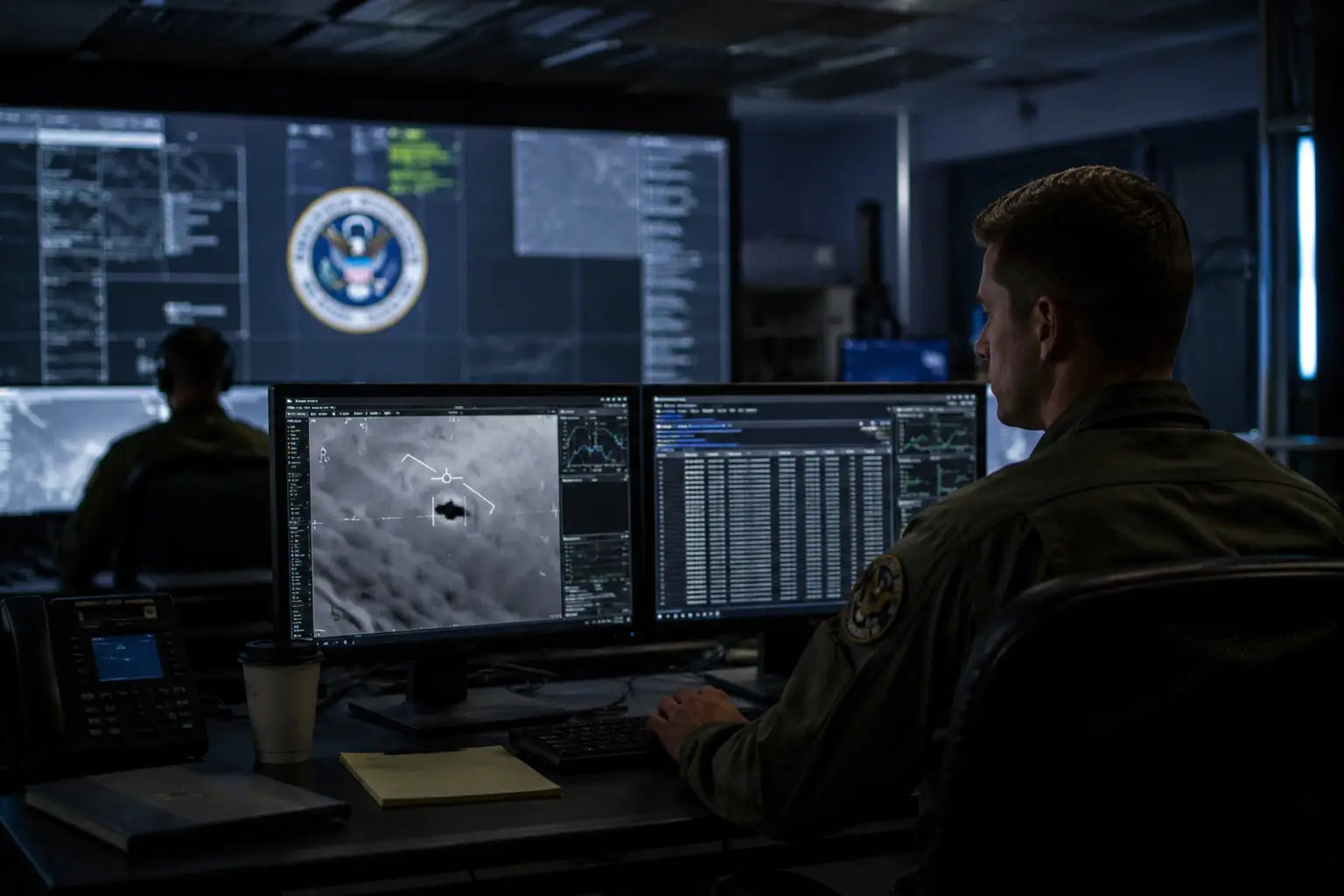
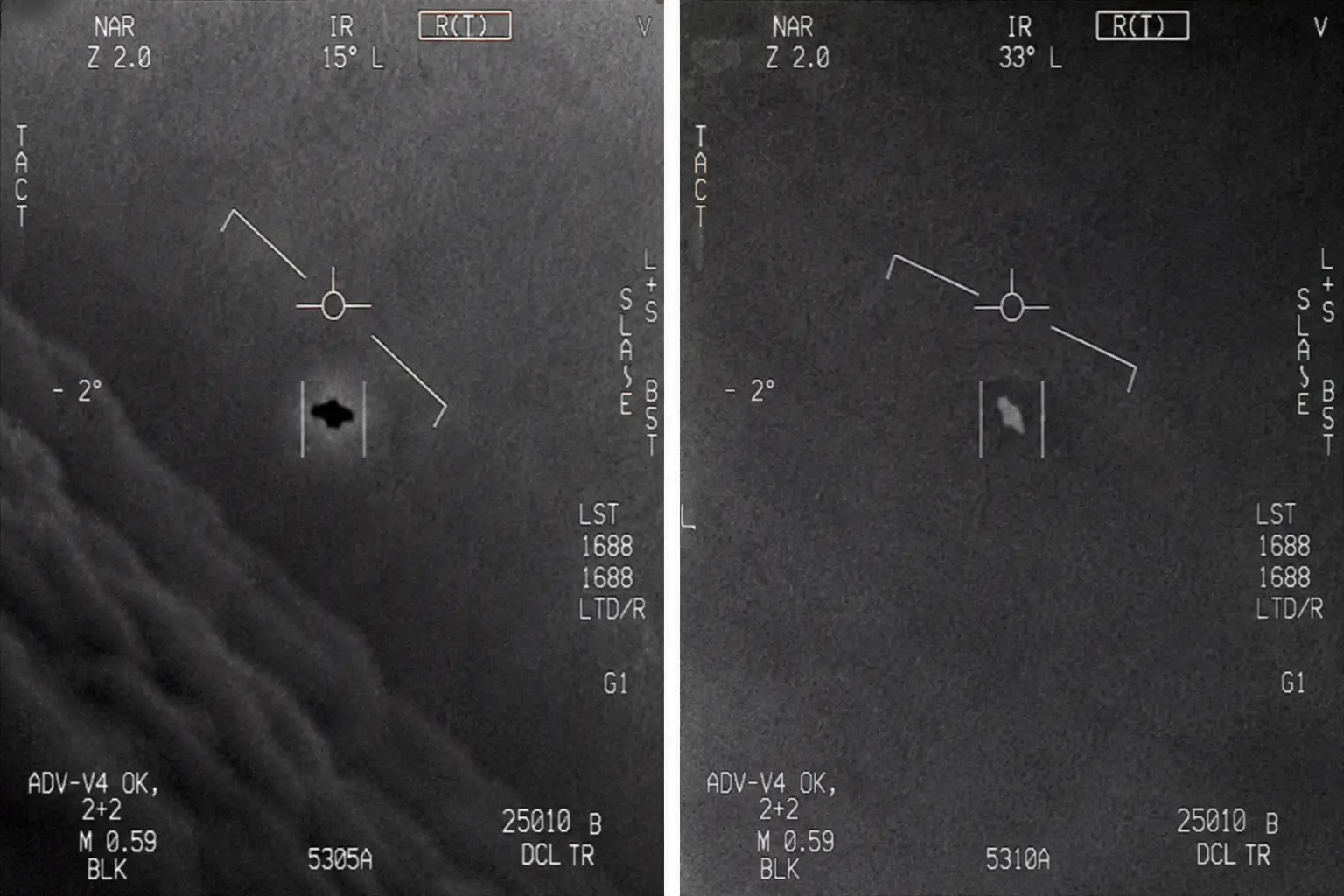
By removing the fear of reprisal, the military has unlocked a goldmine of intelligence. Hundreds of previously silent pilots have come forward to add their historical encounters to the PURSUE database.
Protecting the Whistleblowers
These new protocols also align with recent whistleblower protection laws, ensuring that service members who disclose classified UAP encounters to Congress are protected from Pentagon retaliation.
A Cultural Revolution
The normalization of UAP reporting represents a cultural revolution within the armed forces, prioritizing airspace safety and accurate intelligence over archaic Cold War-era denial tactics.
)
)
)
)
)