Electronic warfare or physical craft? How the military proves the May 22 UFOs are real

An analysis of how defense analysts use multi-modality sensor cross-referencing to rule out radar spoofing and prove the UAPs are physical objects.
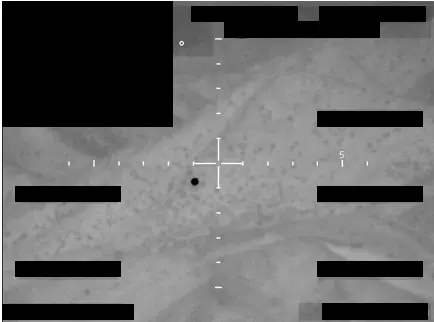
The Electronic Warfare Threat
When anomalous radar signatures appear, the military's first assumption isn't aliens; it's ‘radar spoofing.’ Adversaries frequently use electronic warfare to project fake targets to confuse air defense systems.
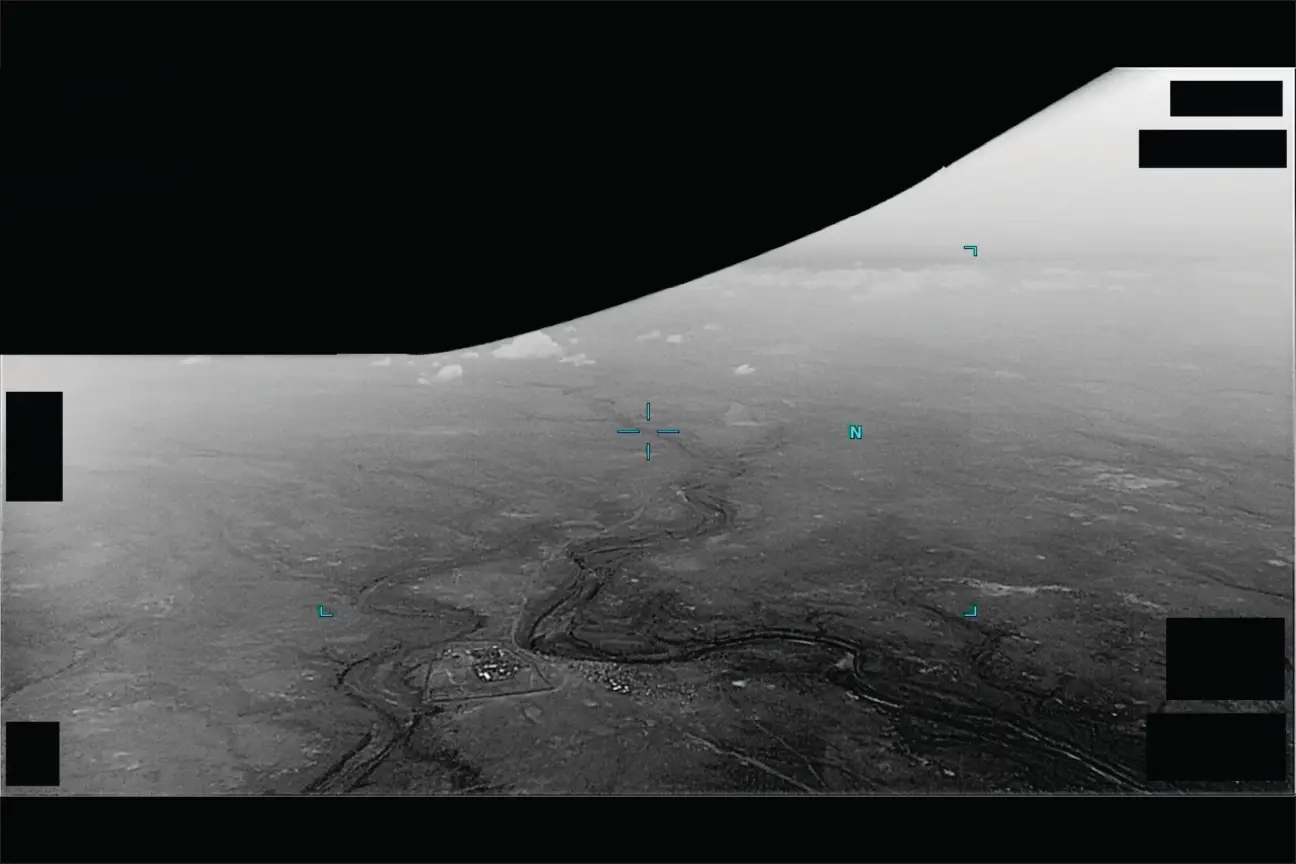
Ruling Out Sensor Glitches
The Department of War meticulously analyzes the data in the May 22 release to ensure the public isn't just looking at software glitches or dirty camera lenses on the fighter jets' targeting pods.
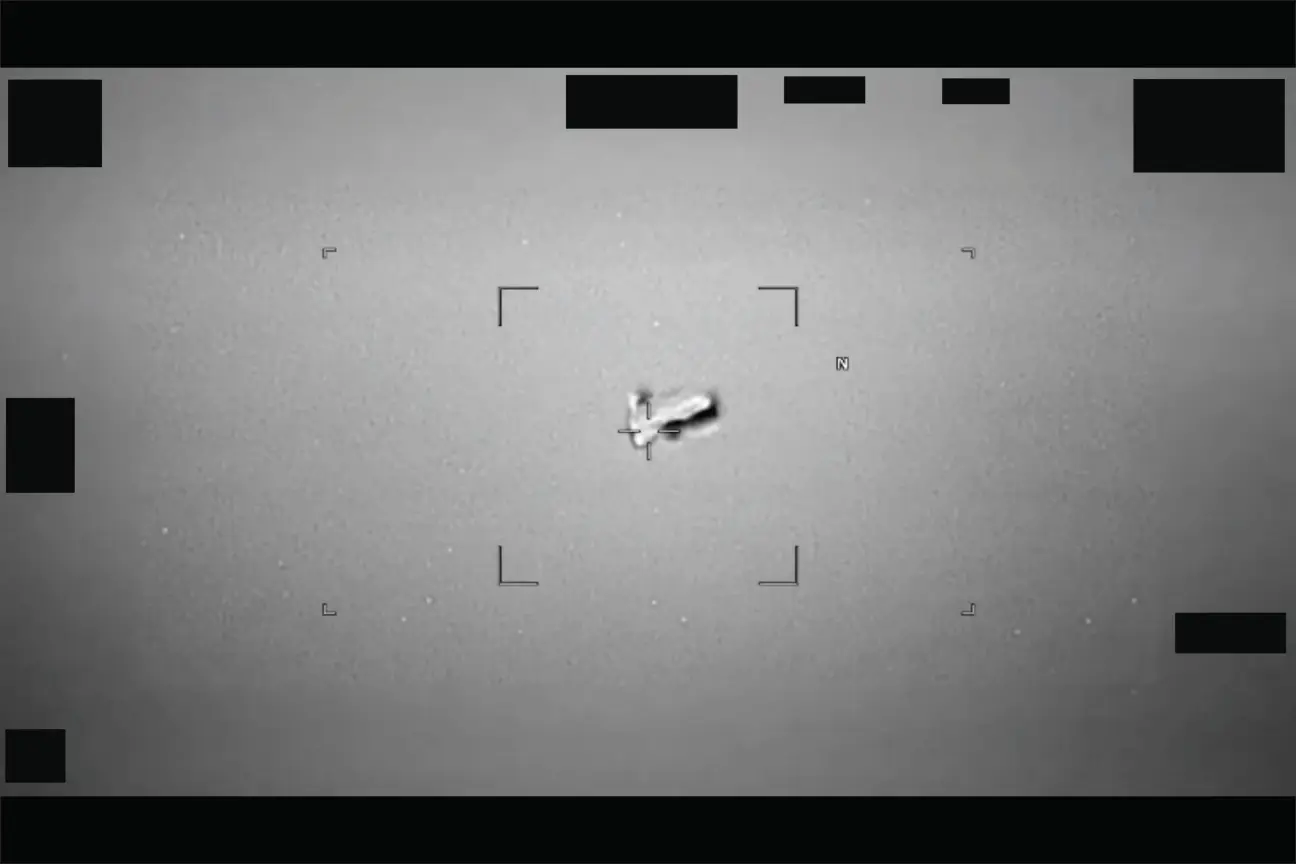
Multi-Modality Confirmation
To prove a UAP is a physical craft, the military relies on multi-modality confirmation. The 51 released videos are backed up by simultaneous data from multiple independent sensor systems.

Radar Meets Optics
An object must be tracked on ship-based Aegis radar, locked onto by an airborne infrared targeting pod, and visually confirmed by human pilot eyeballs simultaneously to completely rule out electronic spoofing.

The Importance of Visual Range
The Lake Huron intercept video is critical because the pilot visually confirmed the object's octagonal shape, proving that the radar signature was attached to a physical, solid structure in the sky.

Sonar and Transmedium Cross-Checks
For the ocean sphere videos, the military cross-referenced surface optical cameras with underwater sonar pings, proving the objects physically displaced water and generated acoustic signatures.
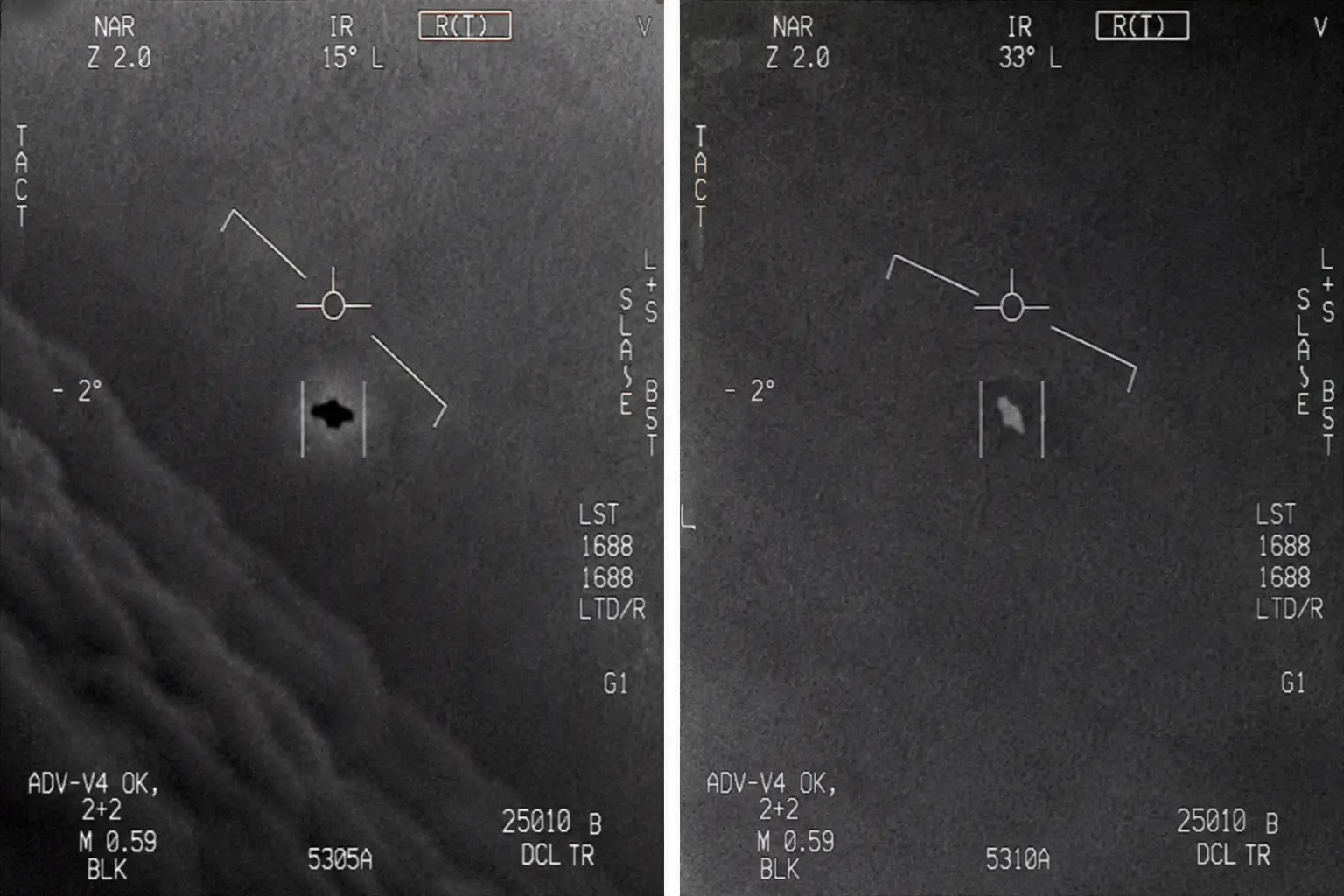
The Conclusion: They Are Real
The rigid sensor confirmation process detailed in the PURSUE files definitively concludes that while the origin of the UAPs remains unknown, they are undeniable, physical craft operating in our airspace.
)
)
)
)
)