Eid al-Adha vs Eid al-Fitr: Key differences, meaning and traditions explained

Eid ul-Adha 2026, also known as Bakrid, celebrates Prophet Ibrahim’s devotion and sacrifice to Allah. Observed with prayers, charity and animal sacrifice, the festival also marks the end of Hajj and highlights compassion, sharing and faith among Muslims worldwide.

Eid ul-Adha 2026
Eid ul-Adha, also popularly known as Bakra Eid, Bakrid, Eid al-Adha, Eid Qurban or Qurban Bayarami, is considered one of the significant festivals of Islam. In 2026, the festival will be celebrated in most parts of India on May 28, while Saudi Arabia, the United Arab Emirates, and a few other countries will celebrate on May 27.
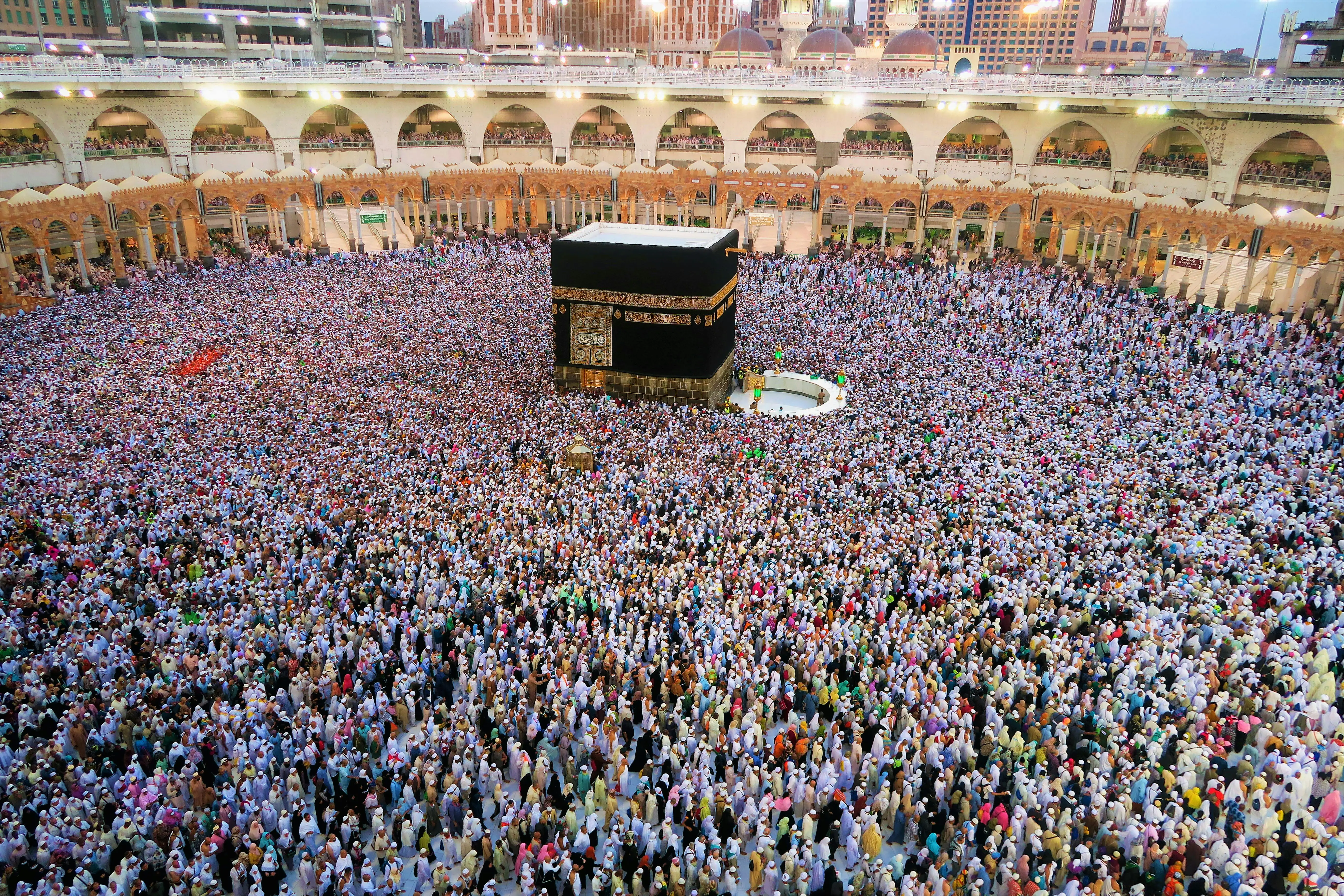
Eid al-Adha vs Eid al-Fitr
Eid al-Adha and Eid al-Fitr are celebrated globally by Muslims, marking one of the two main festivals of Islam. Eid al-Adha symbolises the ultimate sacrifice by Ibrahim, known as Abraham in Hebrew texts, as an act of love and devotion towards Allah. Whereas Eid al-Fitr celebration marks the end of Ramadan, the holy month of fasting.
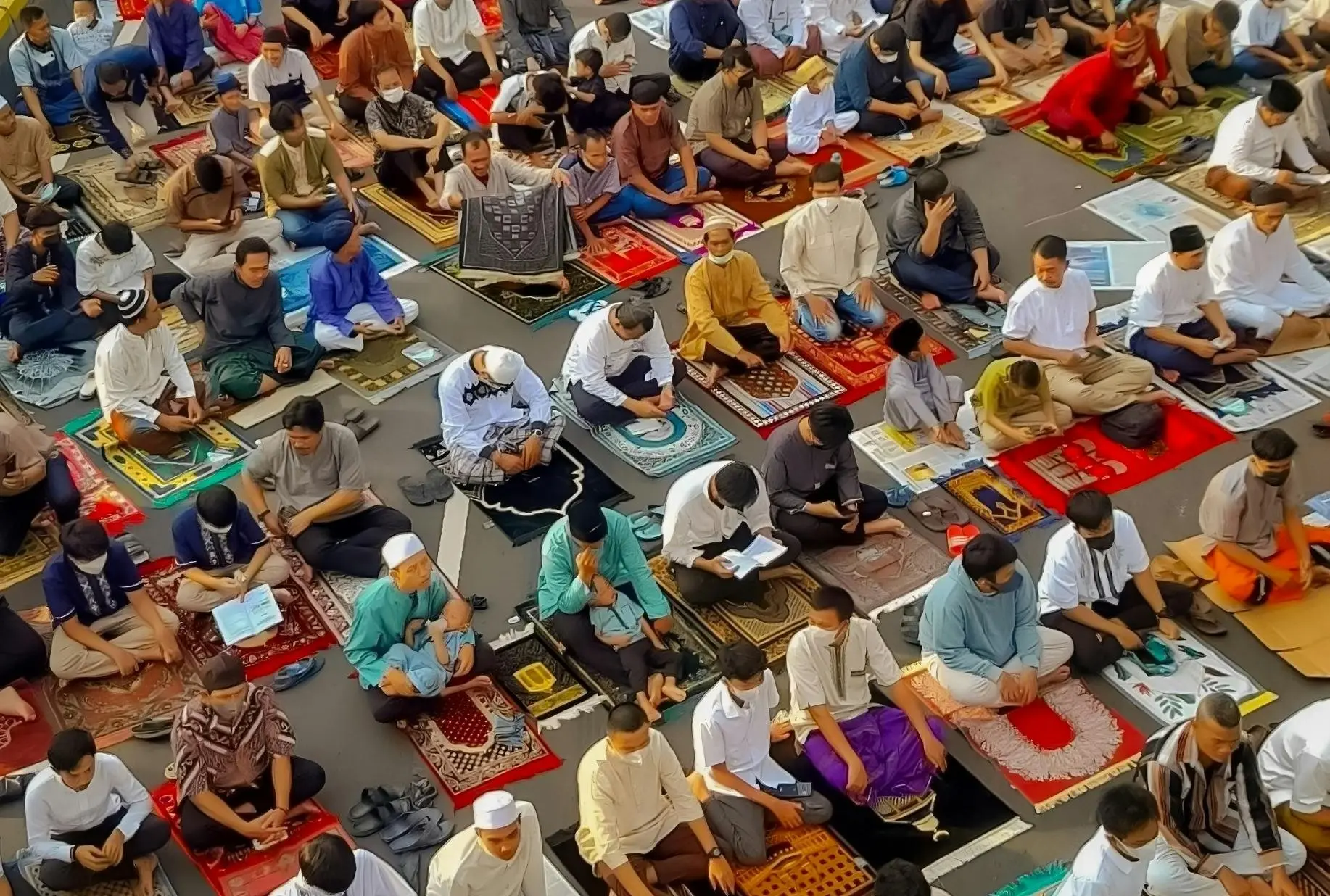
What are Eid al-Adha and Eid al-Fitr?
Surprisingly, both festivals are identified as Eid, which means ‘feast’ in Aramaic and Arabic. Eid al-Adha vs Eid al-Fitr have many differences between the two, including the reasons and history behind their celebration, along with the way their festivities unfold. Eid al-Fitr, which is celebrated on the first day of the month of Shawwal, means ‘Feast of the Breaking Fast’. Meanwhile, Eid al-Adha means ‘Feast of the Sacrifice’ and is celebrated on the 10th day of Dhu al-Hijjah.
The two Islamic festivals are also known by distinct names in India. Eid al-Fitr is popularly referred to as “Meetha Eid” due to the tradition of preparing and sharing sweet sewaiyyan, a vermicelli-based dessert, with relatives and friends. Eid al-Adha, on the other hand, is widely called “Bakrid” or “Bakra Eid” because of the ritual sacrifice of a goat or lamb offered in devotion to God.

What is the history Eid al-Adha?
The origins of Eid al-Adha are linked to the story of Prophet Abraham and his unwavering faith in God. According to the Hebrew Bible’s Book of Genesis, God instructed Abraham to sacrifice his son Isaac on Mount Moriah. As Abraham prepared to obey the divine command, his son was miraculously replaced with a lamb at the last moment. The Quran also references this account in Surah 37, known as Surah As-Saffat. To honour this act of faith and obedience, Muslims across the world perform the symbolic ritual sacrifice during Bakrid as an expression of devotion to Allah.

What do the rituals of Eid al-Adha say?
This ritual has been further elaborated upon in the Hadith, which dictates that the person or family sacrificing the goat should keep one-third of the meat, give the second portion to friends, family and neighbours, and distribute the final third among the poor and the needy. This is similar to the ritual of zakat followed during Ramadan and Eid al-Fitr, where Muslims are required to give 2.5 per cent or 1/40th of their annual savings to those in need. This action of giving to the poor (in cash and in kind) highlights the similarities and differences between the two festivals. Yet another important aspect of Eid al-Adha is that it marks the end of the Hajj—a mandatory religious journey undertaken by Muslims to the holy site of the Kaaba in Mecca. It is believed that the sins of the pilgrims, known as ‘Hajjis’, are washed away nce they complete the journey.
)
)
)
)
)