Earth’s Rotation Day: 7 Ways Earth’s spin affects our daily life

Earth’s Rotation Day explains how Earth’s spin affects day and night, time zones, winds, weather, oceans and human biological rhythms.

Day and Night
Earth's rotation creates the effect of day and night. The part of the planet that faces the sun is day, and the part opposite is night.

Wind Movements, Weather
Earth's rotation deflects air; the phenomenon is known as the Coriolis effect. In the northern hemisphere, winds are deflected to the right, and in the southern hemisphere, they are deflected to the left.

Daily Biological Rhythms
Earth's rotation causes day and night, which influences our biological patterns, the hormonal cycle, metabolism and sleep cycle.
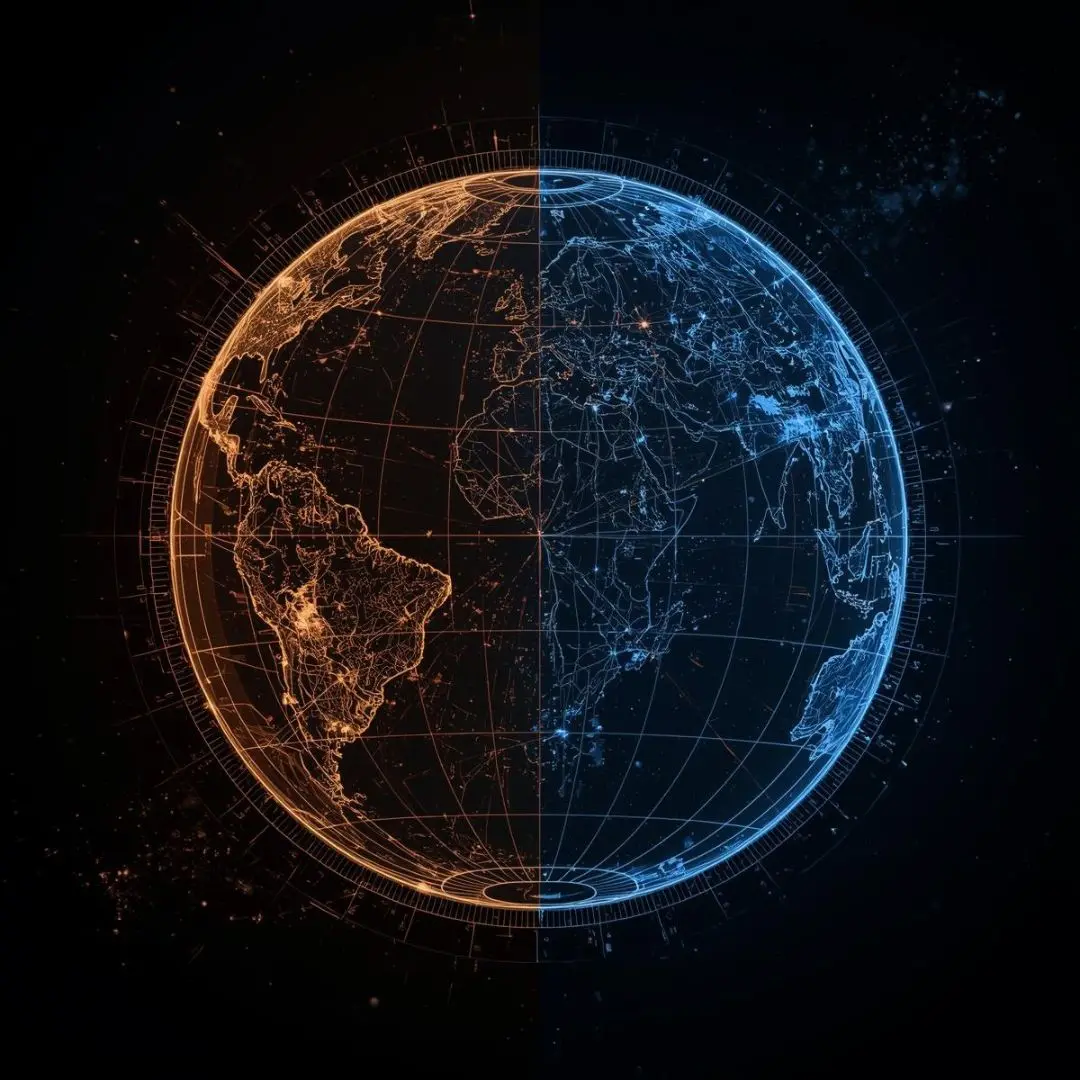
Time Zones
Earth's rotation forms the basis of timekeeping, as sunlight moves different parts of Earth, causing morning, noon and night. As Earth rotates 360 degrees in 24 hours, this means 15 degrees in each hour. The globe is divided into 24 major time zones at 15 degrees of longitude, with each zone differing by one hour.

Ocean Currents
Rotation causes ocean circulation patterns; it also influences monsoons and jet streams, which in turn cause cyclones.
Equatorial Bulge
When Earth rotates, it experiences two types of force: centripetal force and centrifugal force. Due to rotation, everything on the surface faces outward push (centrifugal force), and gravity (centripetal force) overcomes this effect, so everyone stays on the surface. Both force balances each other, which is why there is a bulge at the equator and a flattening at the poles.
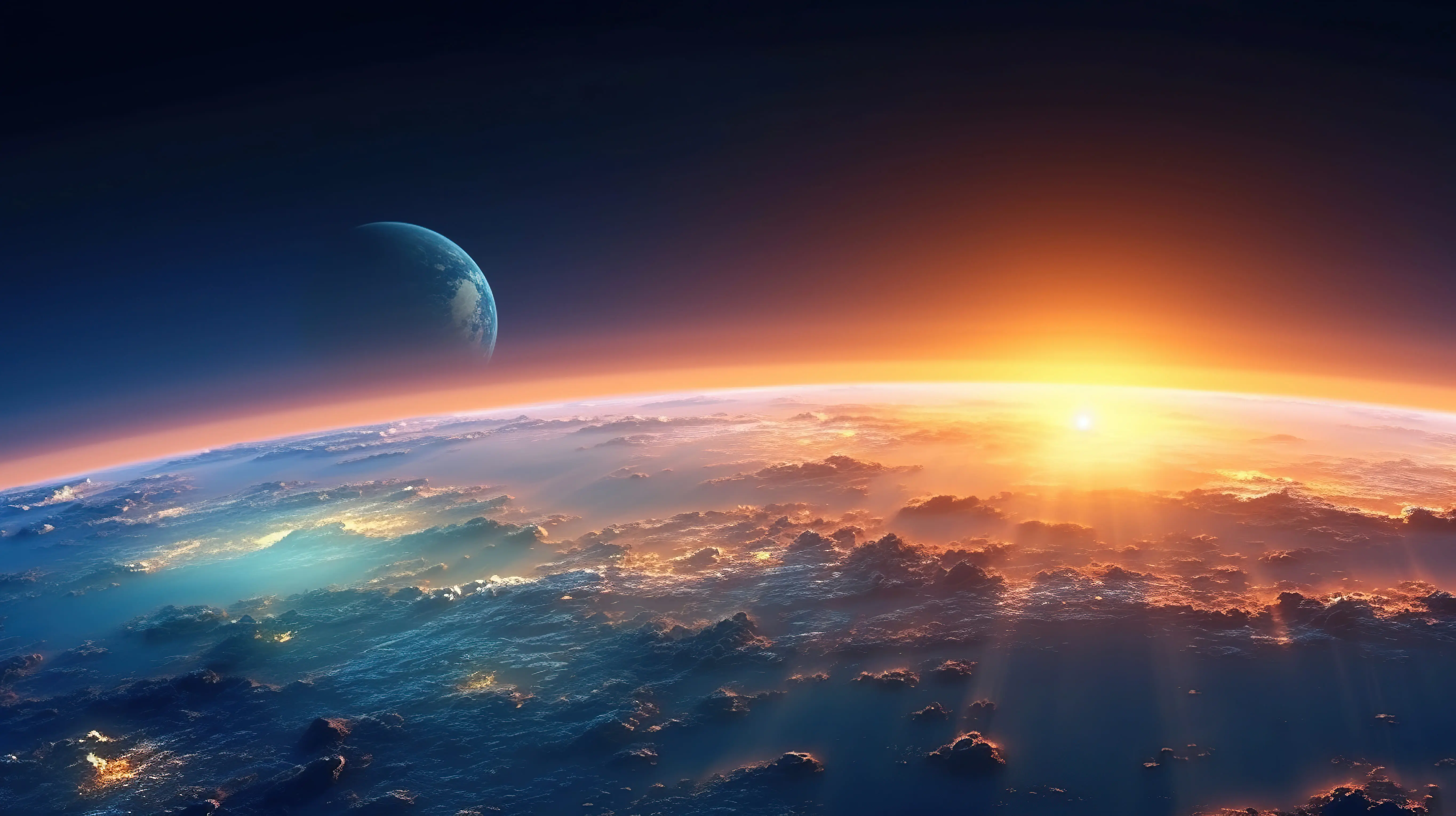
Apparent movement of the Sun, Moon and stars
Celestial bodies appear to rise in the east and set in the west due to Earth’s rotation.
)
)
)
)
)