• Wion
  • /Photos
  • /Does the US have a hidden angle in Saudi–Pakistan defence pact to counter India?

Does the US have a hidden angle in Saudi–Pakistan defence pact to counter India?

The US benefits massively from Saudi arms purchases, in 2022 alone, deals exceeded $3 billion. Supporting Saudi defence initiatives keeps the US defence industry profitable, but Washington must balance this without jeopardising India’s trust.
1. US as Saudi Arabia’s Primary Arms Supplier
1 / 7
(Photograph: Reuters)

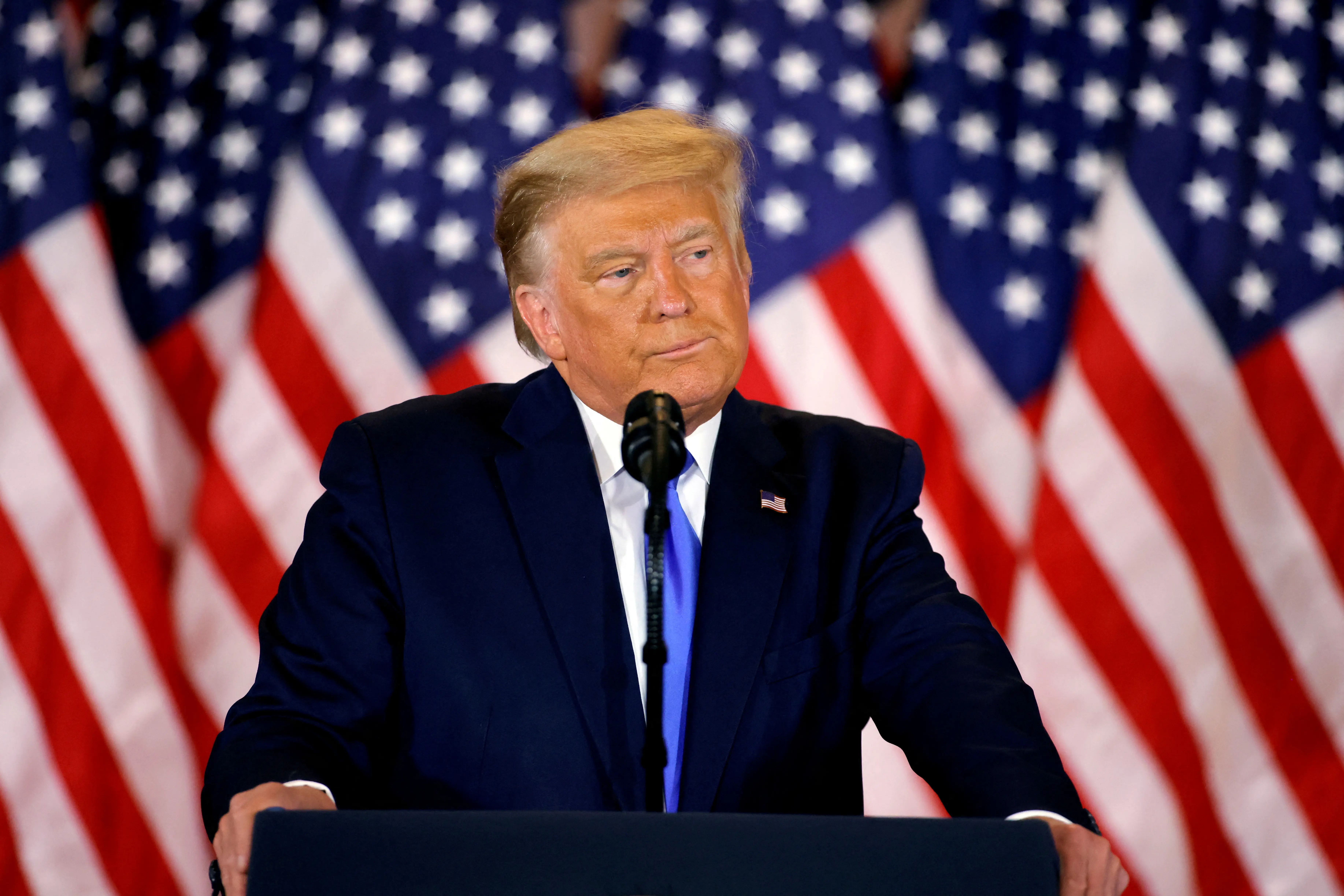
1. US as Saudi Arabia’s Primary Arms Supplier

Over 70 per cent of Saudi Arabia’s weapons come from the United States, including F-15 fighter jets, Patriot missile systems, and advanced drones. Any Saudi military move against India would require Washington’s quiet approval, giving the US leverage in the pact.

2. Balancing Relations With India
2 / 7
(Photograph: AFP)

2. Balancing Relations With India

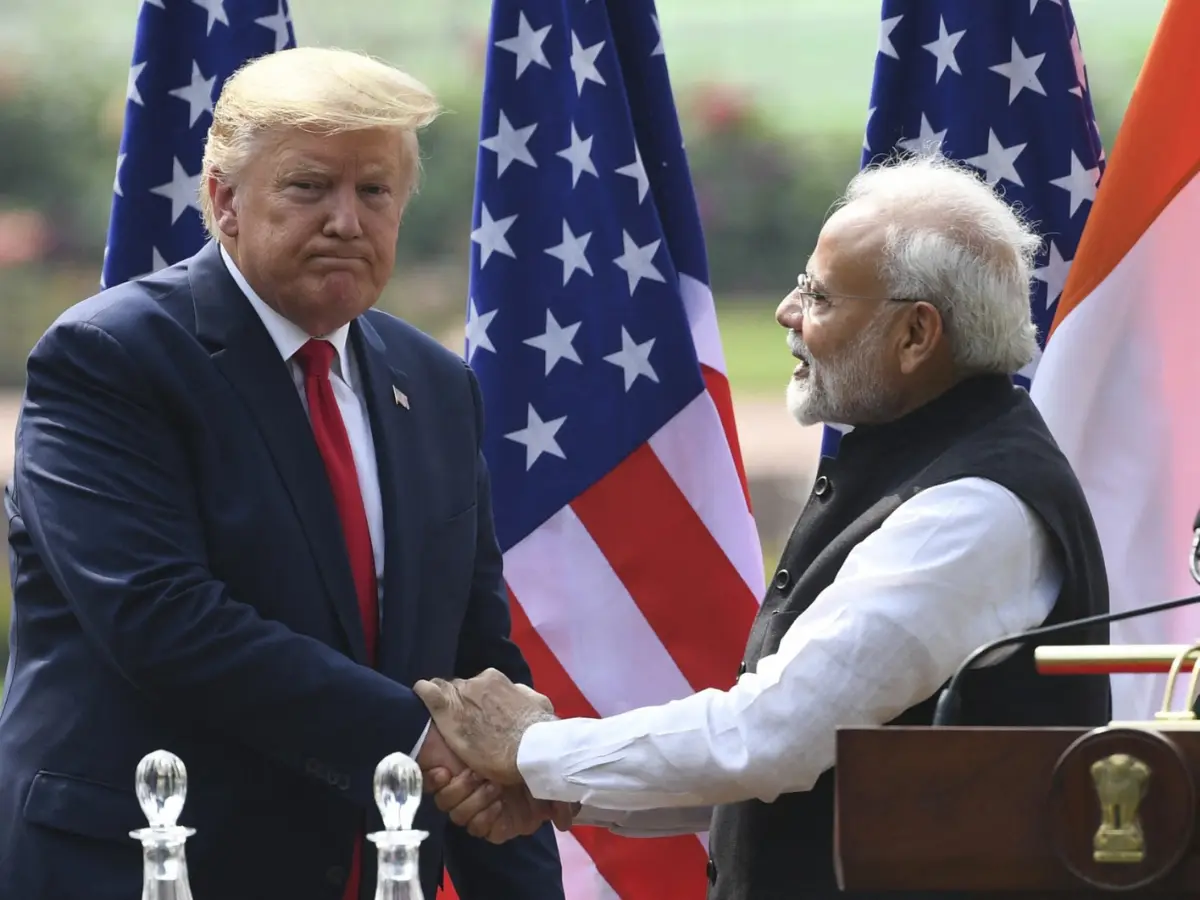
India is a key US partner in the Indo-Pacific strategy aimed at countering China. Washington sees New Delhi as a strategic ally, making it unlikely that the US would support a Saudi stance that threatens India directly.

3. Pakistan’s Longstanding US Connection
3 / 7
(Photograph: Wikimedia Commons)

3. Pakistan’s Longstanding US Connection

While US–Pakistan relations have cooled in recent years, Pakistan has historically been a major non-NATO ally. The new Saudi–Pakistan pact could provide Washington with a backchannel into Islamabad, especially as China deepens its influence there.

4. Energy Security Factor
4 / 7
(Photograph: Wikimedia Commons)

4. Energy Security Factor

The US is deeply tied to Saudi oil markets. Any conflict scenario involving Saudi Arabia and India could destabilise global energy supplies. Washington would likely use its influence to prevent Riyadh from weaponising oil against India.

5. Arms Sales and Economic Angle
5 / 7
(Photograph: WikiCommons)

5. Arms Sales and Economic Angle

The US benefits massively from Saudi arms purchases, in 2022 alone, deals exceeded $3 billion. Supporting Saudi defence initiatives keeps the US defence industry profitable, but Washington must balance this without jeopardising India’s trust.

6. Strategic Double Game?
6 / 7
(Photograph: AFP)

6. Strategic Double Game?

The US may quietly allow Saudi–Pakistan defence cooperation as long as it doesn’t threaten India directly. This gives Washington room to control both sides: securing arms deals with Riyadh while strengthening its strategic embrace of New Delhi.

7. The Bottom Line
7 / 7
(Photograph: Credit: AFP)

7. The Bottom Line

The US does have a hidden angle, it gains by staying central to both Saudi defence and India’s strategic rise. Washington is unlikely to let the Saudi–Pakistan pact escalate against India, instead using its influence to manage the balance of power in South Asia.