Does India have bunkers in case of a global nuclear war fallout? Here's what we know so far

While India is a nuclear-armed state with its own strategic doctrine, the country’s preparedness for public safety in case of nuclear fallout remains a lesser-known subject. Here is a detailed look at what is known:
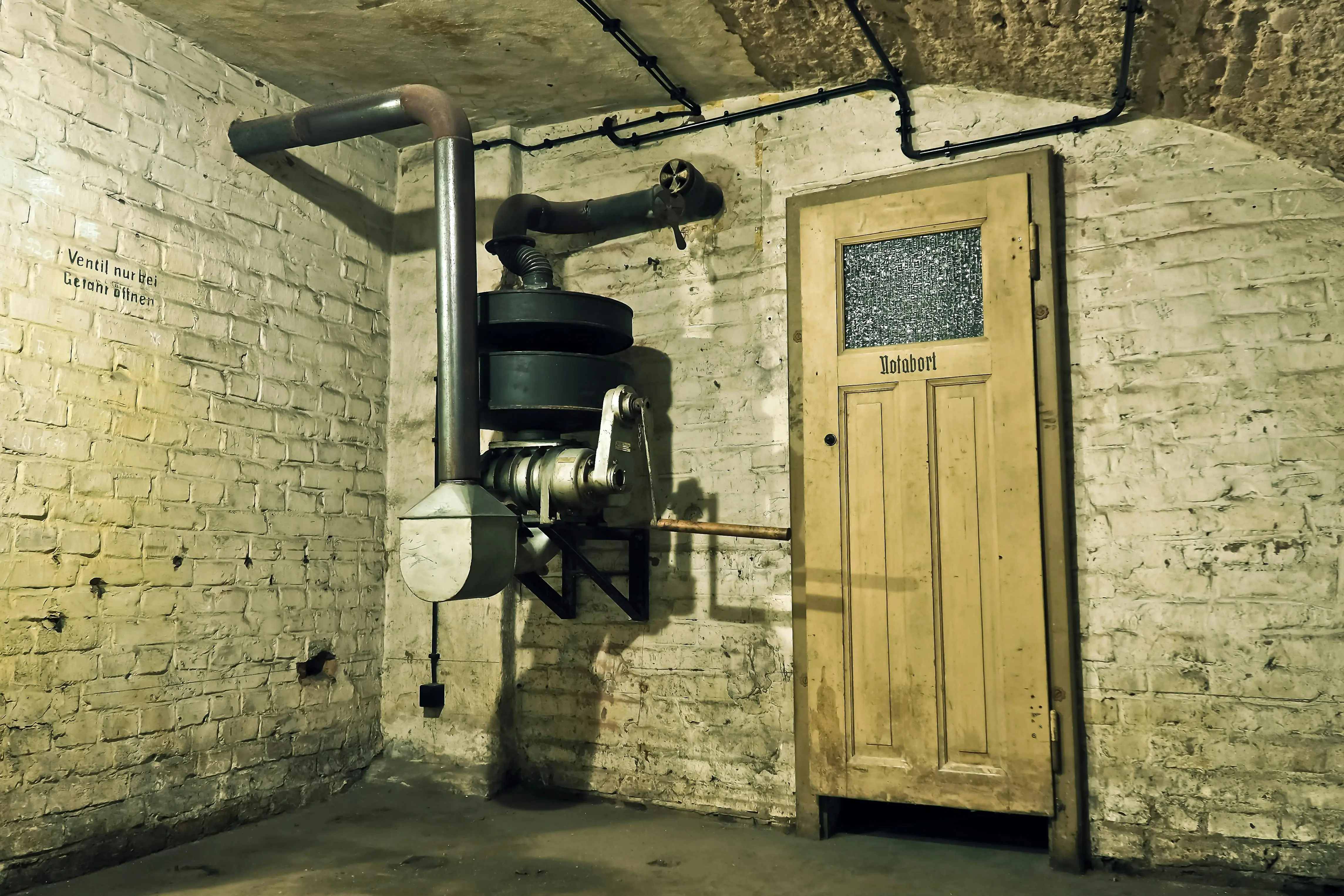
Public Nuclear Fallout Shelters Are Not Widely Available
Unlike some countries in Europe—such as Switzerland, Norway, or Finland—that have invested in public fallout shelters since the Cold War, India does not have a nationwide system of public nuclear bunkers. There are no officially announced or mapped bunkers available for the general public in most Indian cities or rural areas.
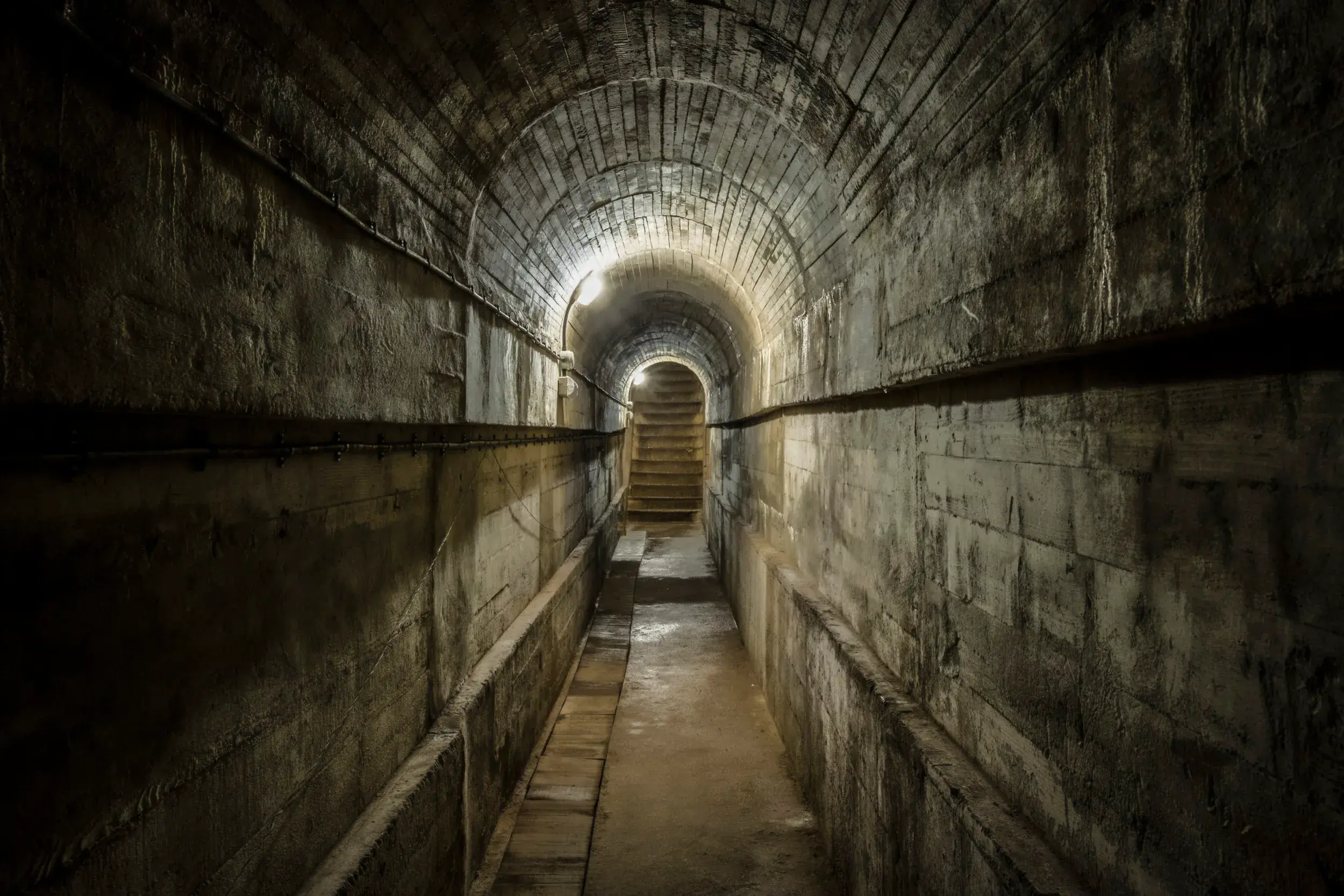
Government and Military Bunkers Do Exist
India’s military infrastructure does include hardened, underground command and control bunkers designed to survive nuclear strikes. These include facilities used by the Indian Armed Forces, the Strategic Forces Command, and other classified government bodies responsible for nuclear strategy. Similarly, the Indian government maintains secure underground spaces for leadership continuity in times of major conflict. However, these are limited in capacity and intended for strategic and leadership protection, not for civilians.
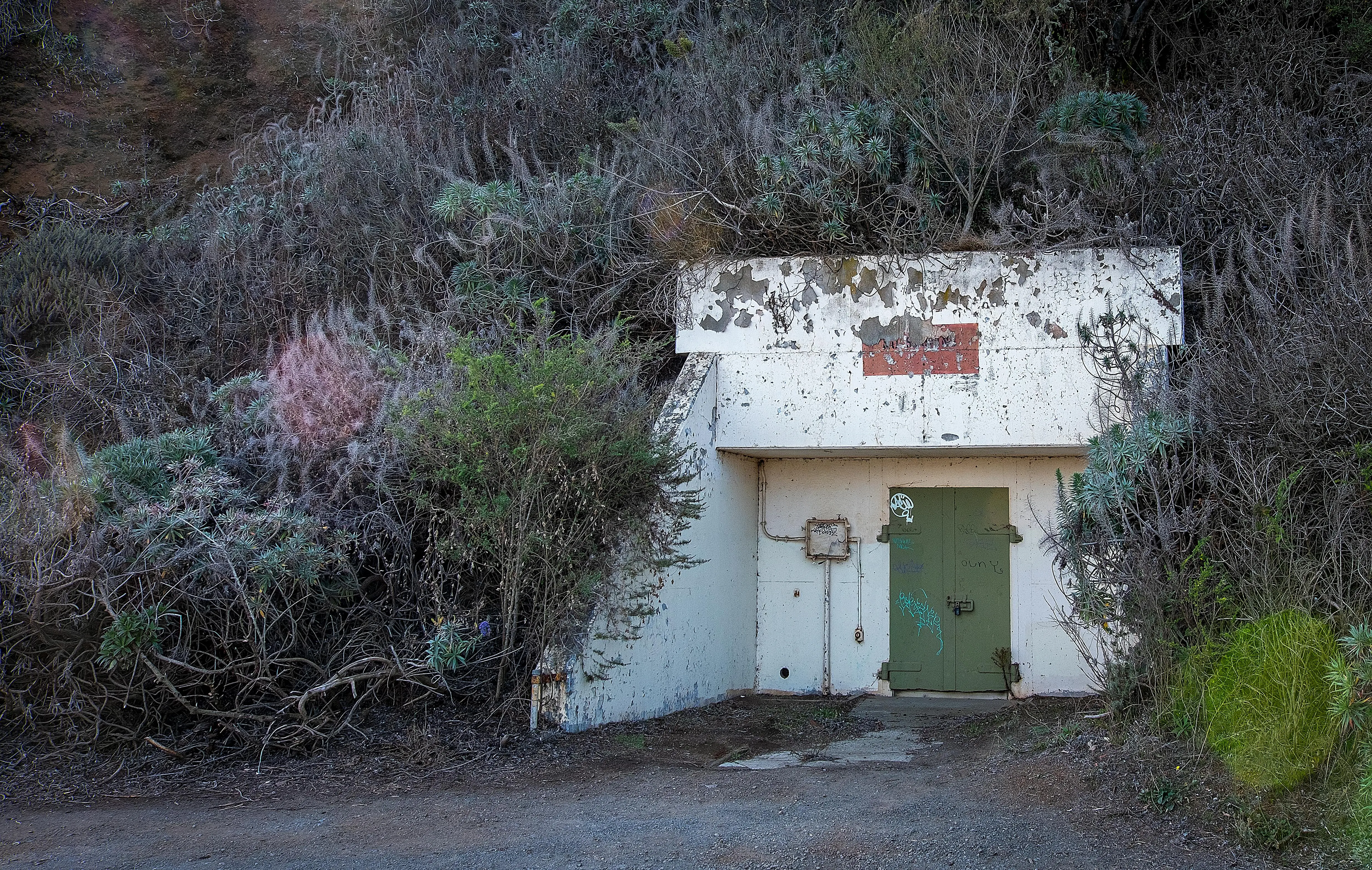
Metro Tunnels as Possible Emergency Shelters
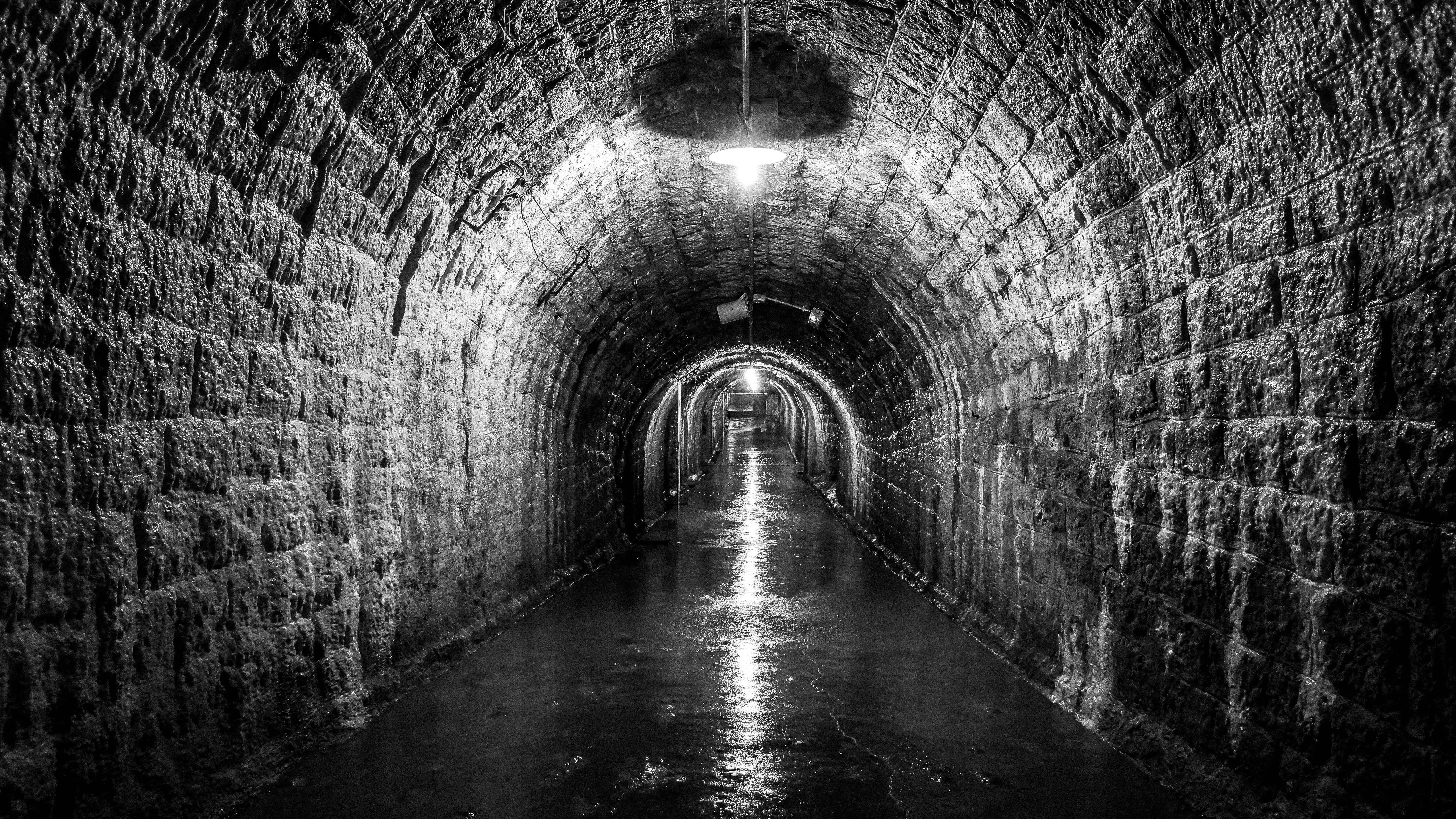
In a limited way, deep metro systems in cities like Delhi, Bengaluru, and Chennai could theoretically offer temporary protection in case of an imminent nuclear strike. Some metro stations are built at depths that could provide shielding from initial blast waves and radiation. However, they are not specifically designed as nuclear fallout shelters with air filtration or long-term supplies.

Civil Defence Systems Focus on Response, Not Sheltering
India’s civil defence programmes, which fall under the Ministry of Home Affairs, conduct occasional nuclear emergency drills and issue guidelines for evacuation, first aid, and sheltering-in-place during crises. However, these protocols are more focused on responding to localised nuclear incidents (such as dirty bombs or tactical nuclear weapons) rather than sustained global nuclear war fallout. No national programme exists for constructing, maintaining, or operating public fallout shelters.

Private Bunker Market Growing for the Wealthy
In recent years, there has been an uptick in private bunker construction among wealthy individuals, corporates, and defence contractors in India. Companies now offer custom-built underground shelters, fitted with air filtration systems, food storage, and radiation shielding. These are extremely expensive and serve a niche market, highlighting the gap between elite and public preparedness
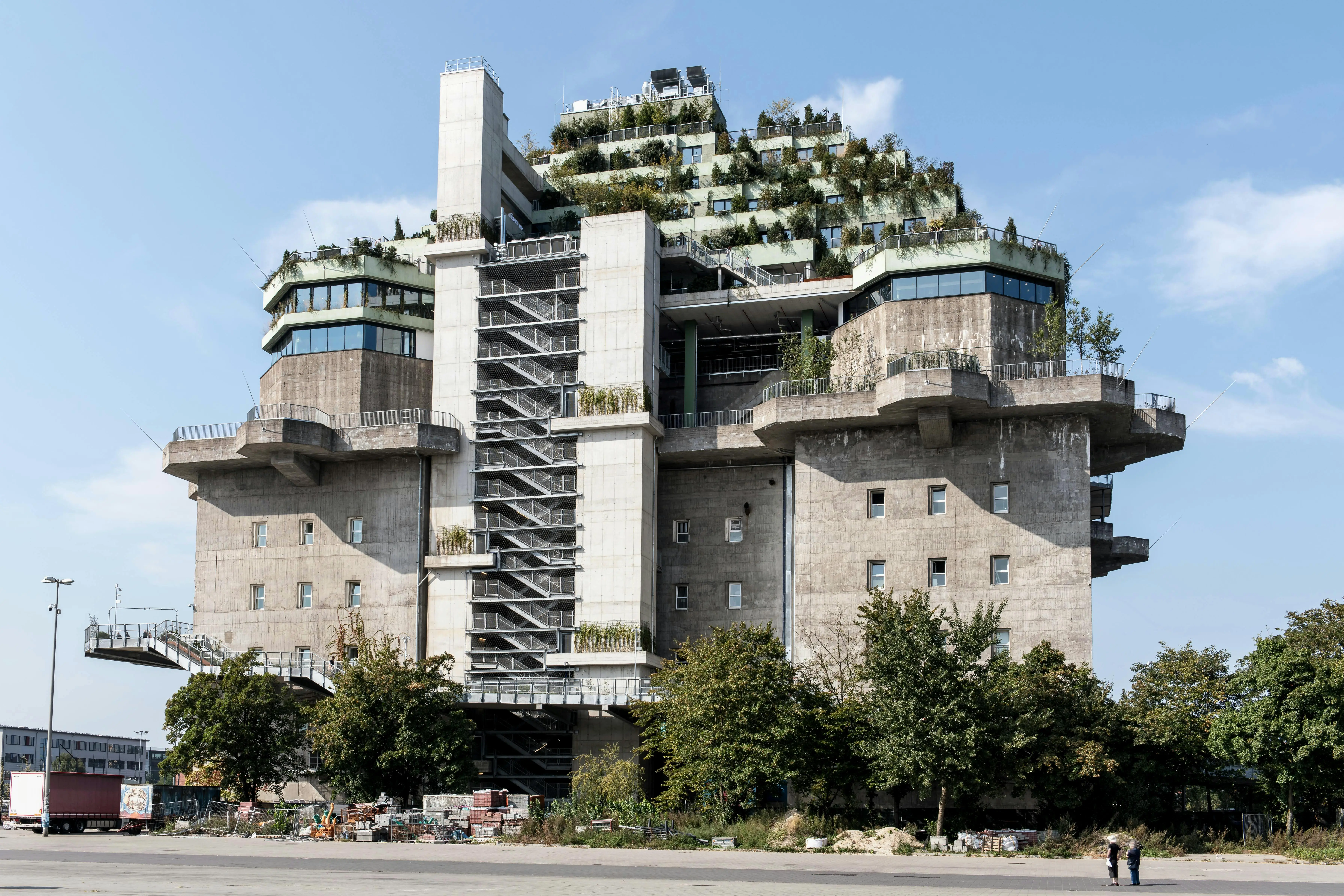
India’s Strategic Doctrine Relies on Deterrence
India follows a nuclear doctrine based on “No First Use” (NFU) and credible minimum deterrence. The belief is that the risk of mutual destruction keeps nuclear war unlikely. Because of this, India has historically prioritised deterrence over public nuclear shelter infrastructure.
Gap in Public Awareness and Preparedness
Despite being a nuclear power, public awareness in India about nuclear survival strategies remains low. There is little education on what to do in case of a nuclear attack or radioactive fallout. In comparison, countries like Japan and South Korea conduct regular public drills and have public warning systems in place.
)
)
)
)
)