Did US Delta Force seize an Iranian runway to save F-15E fighter jet airmen?

After the US F-15E Strike Eagle was shot down over hostile Iranian territory, the surviving weapons systems officer became the target of a massive manhunt. To extract the stranded colonel, US Delta Force operators covertly seized an abandoned agricultural runway deep in southern Isfahan.
The 'Dude 44' Shootdown
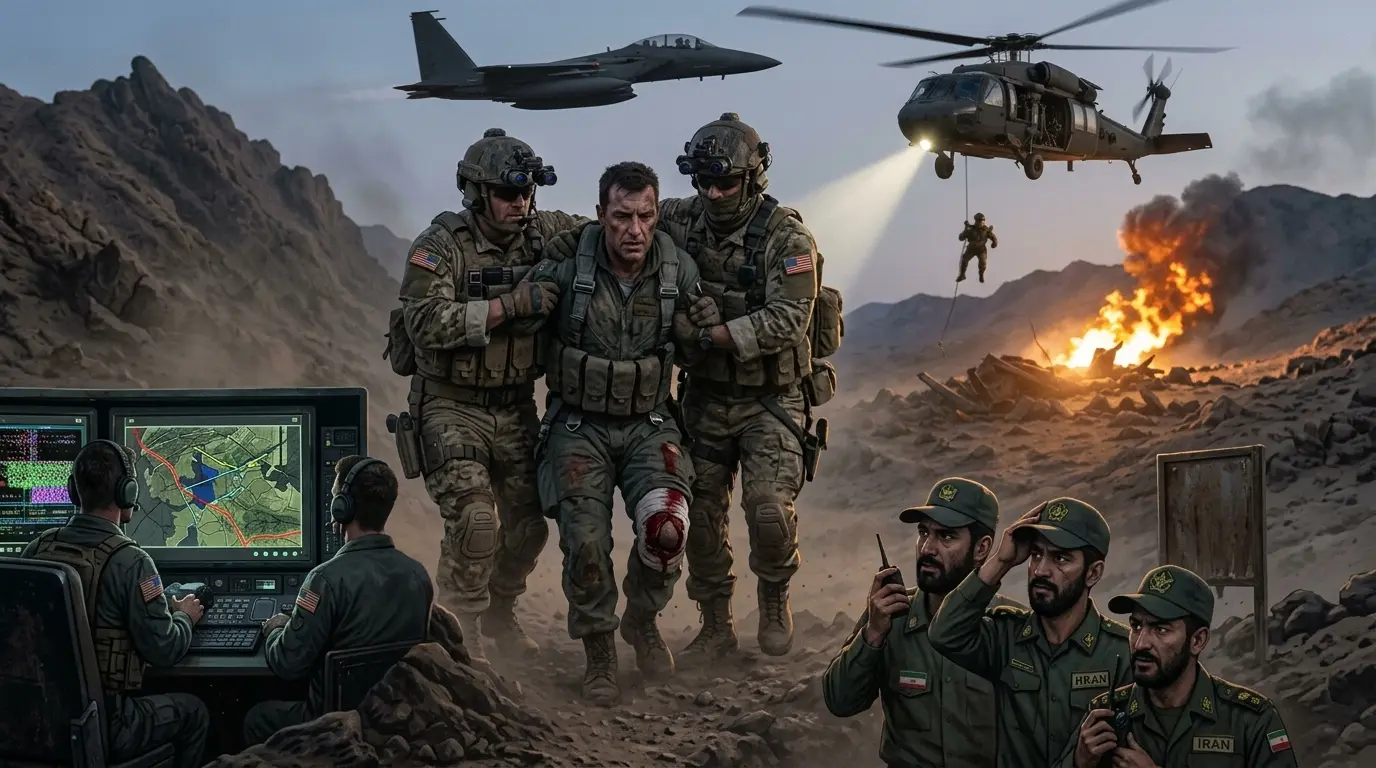
On April 3, an American F-15E Strike Eagle, call sign 'Dude 44', was struck by a shoulder-fired missile over Iran. While the pilot was rescued within hours, the weapons systems officer evaded capture and hid deep in the rugged Zagros Mountains.
A Massive IRGC Manhunt
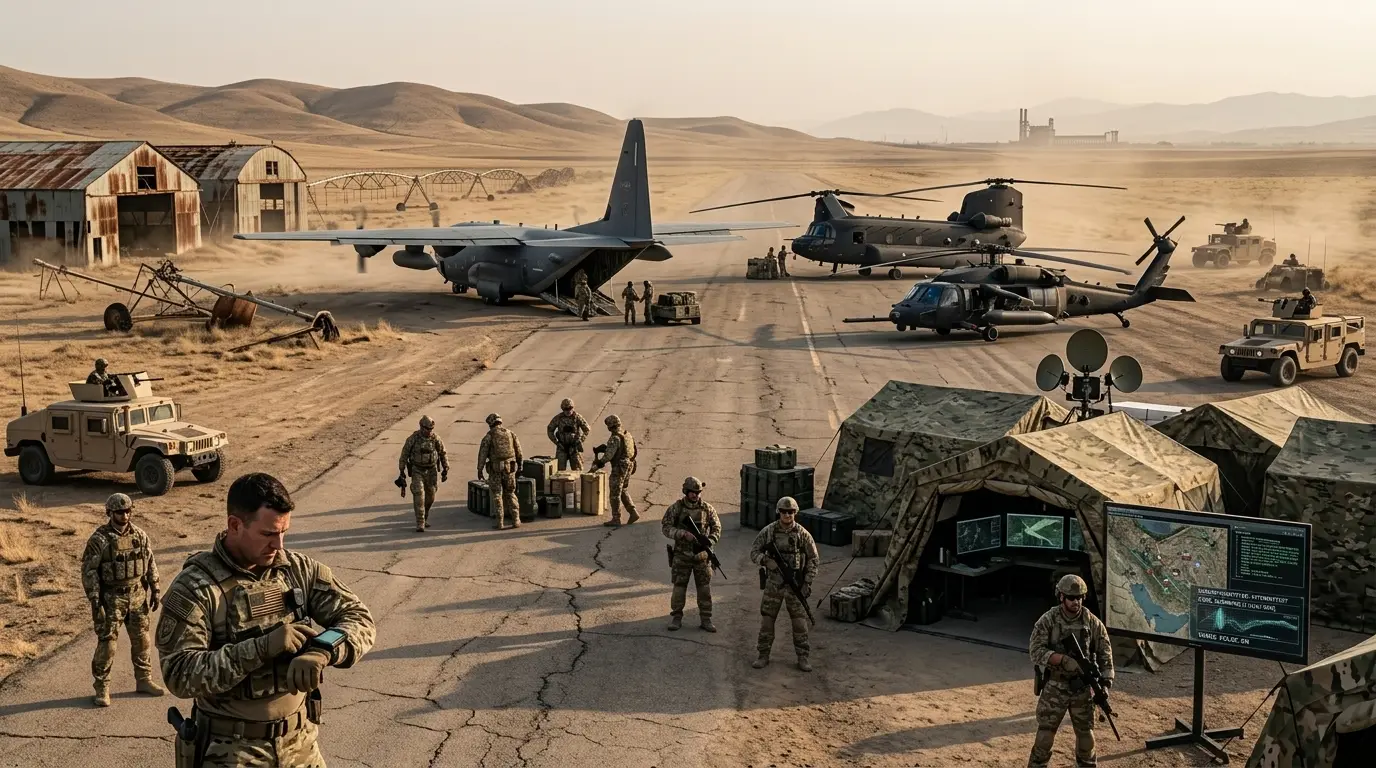
The Islamic Revolutionary Guard Corps immediately launched a massive manhunt to capture the missing US Air Force colonel. Iranian officials offered a $60,000 bounty for information leading to his capture, turning the evasion into a desperate race against time.
Seizing the Shahreza Runway
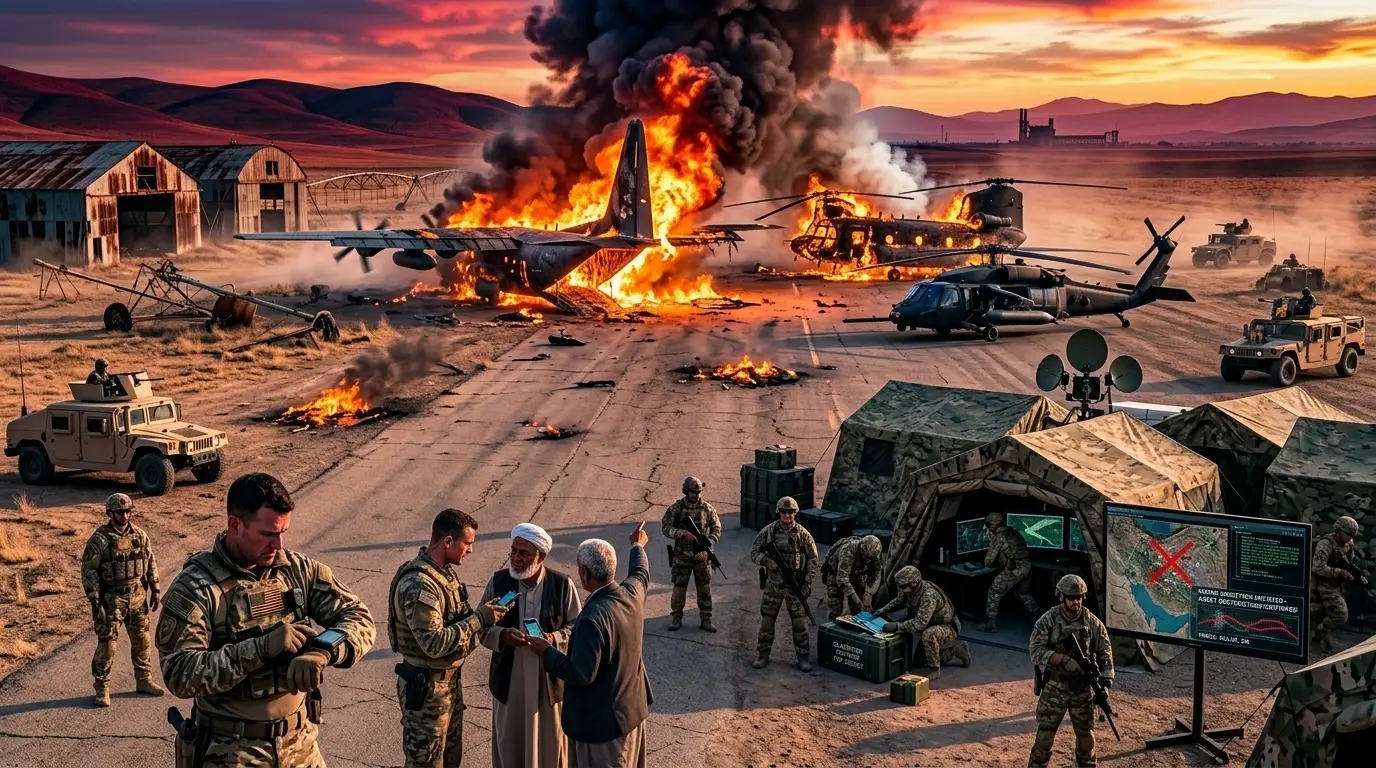
Executing the rescue required a covert staging ground deep behind enemy lines. Elite US Delta Force operators silently secured an abandoned agricultural airstrip measuring just 200 by 3,900 feet, located 14 miles north of Shahreza in southern Isfahan.
The 155-Aircraft Distraction
To blind the Iranian military, the Pentagon launched a staggering 155-aircraft armada, including 64 fighter jets and four heavy bombers. These aircraft deliberately attacked seven false extraction zones, pulling Iranian forces away from the secret Delta Force runway.
CIA 'Ghost Murmur' Tech
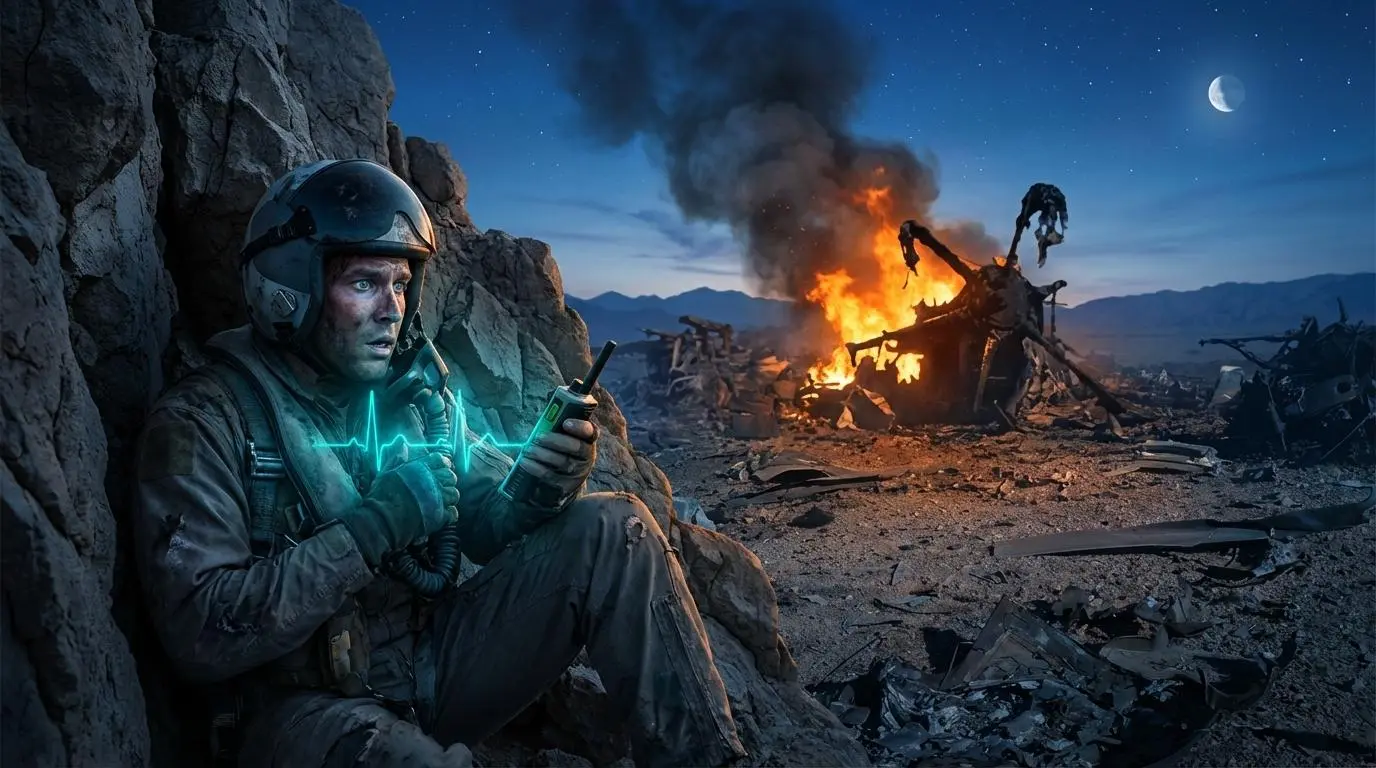
While the armada distracted the enemy, the CIA located the stranded airman. After intercepting a brief "God is good" radio transmission, intelligence operatives allegedly used 'Ghost Murmur', a highly classified biomagnetic sensor, to track the colonel's heartbeat from afar.
The MC-130 Infiltration
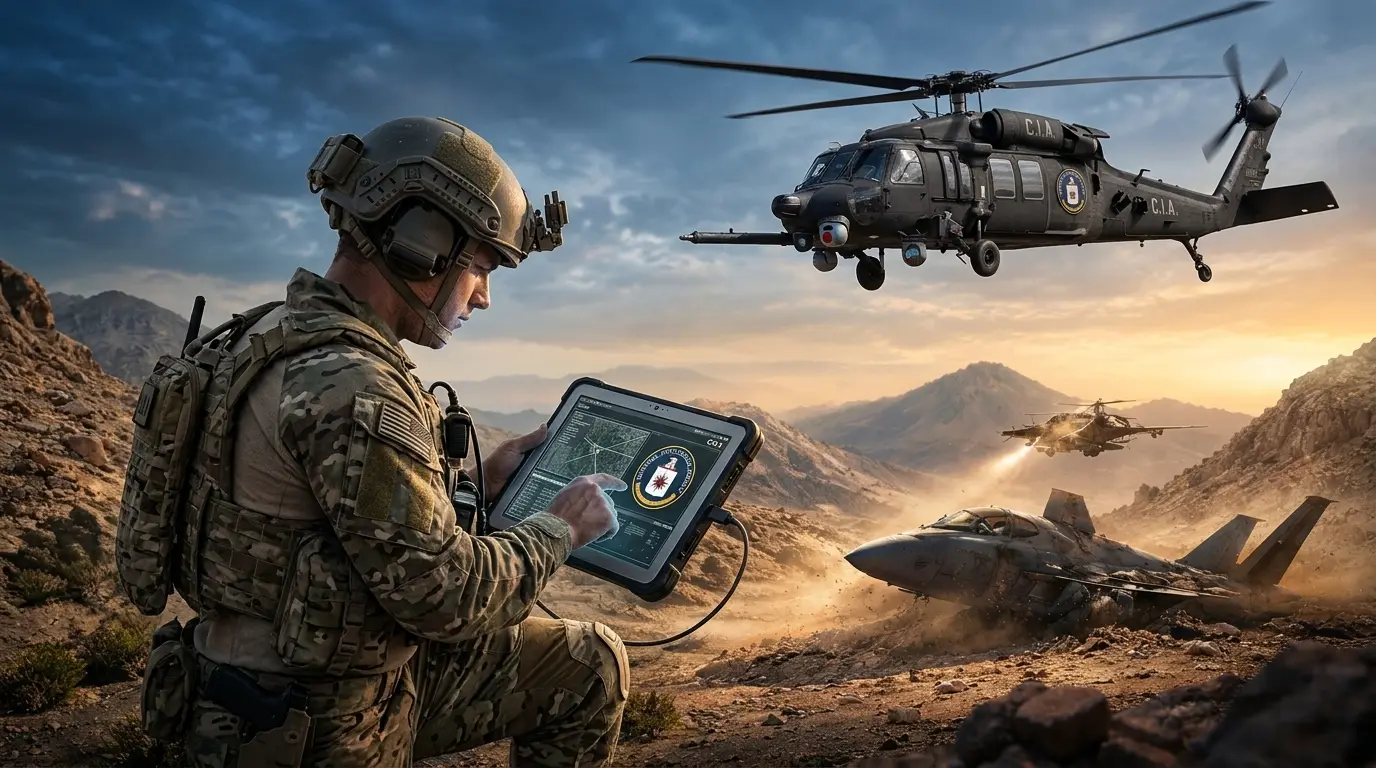
The US military landed heavy MC-130J Hercules transport planes on the seized Shahreza dirt strip to deploy rescue helicopters. However, the heavy aircraft became stuck in the soft ground, forcing US troops to intentionally destroy two multi-million dollar MC-130s to prevent Iranian capture.
A Historic Extraction
Despite losing aircraft to the difficult terrain, replacement transport planes quickly arrived at the forward operating base. The Delta Force team successfully evacuated the injured colonel alongside roughly 100 special operations personnel, concluding a historic 48-hour rescue mission.
)
)
)
)
)