Delta wing vs swept wing: 7 key differences in fighter jet performance

Delta wings and swept wings are two of the most common aerodynamic designs in fighter jets. Delta and swept wings define how fighter jets handle airspeed and manoeuvrability. Delta wings offer better lift and control at high speeds, while swept wings balance efficiency and stability.
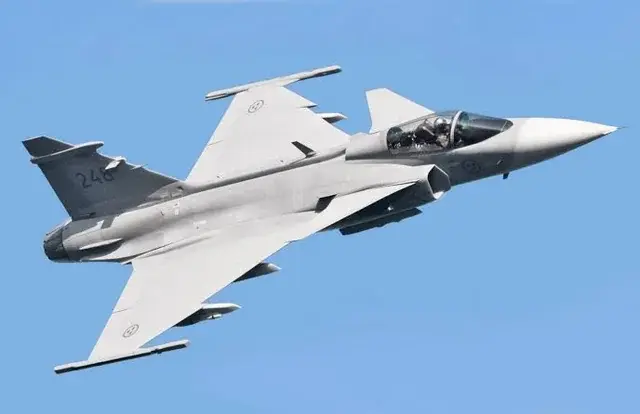
Wing Shape and Structure
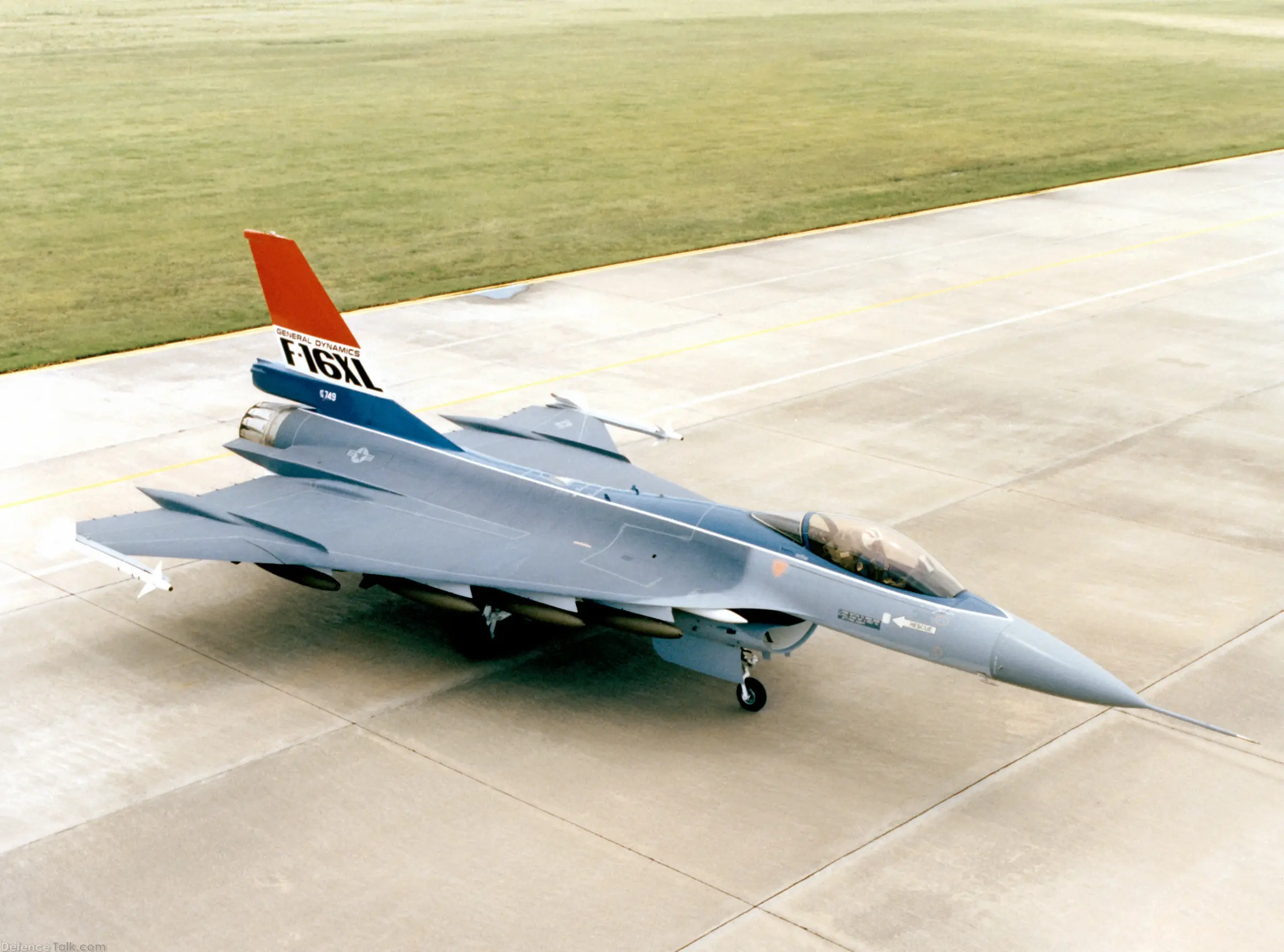
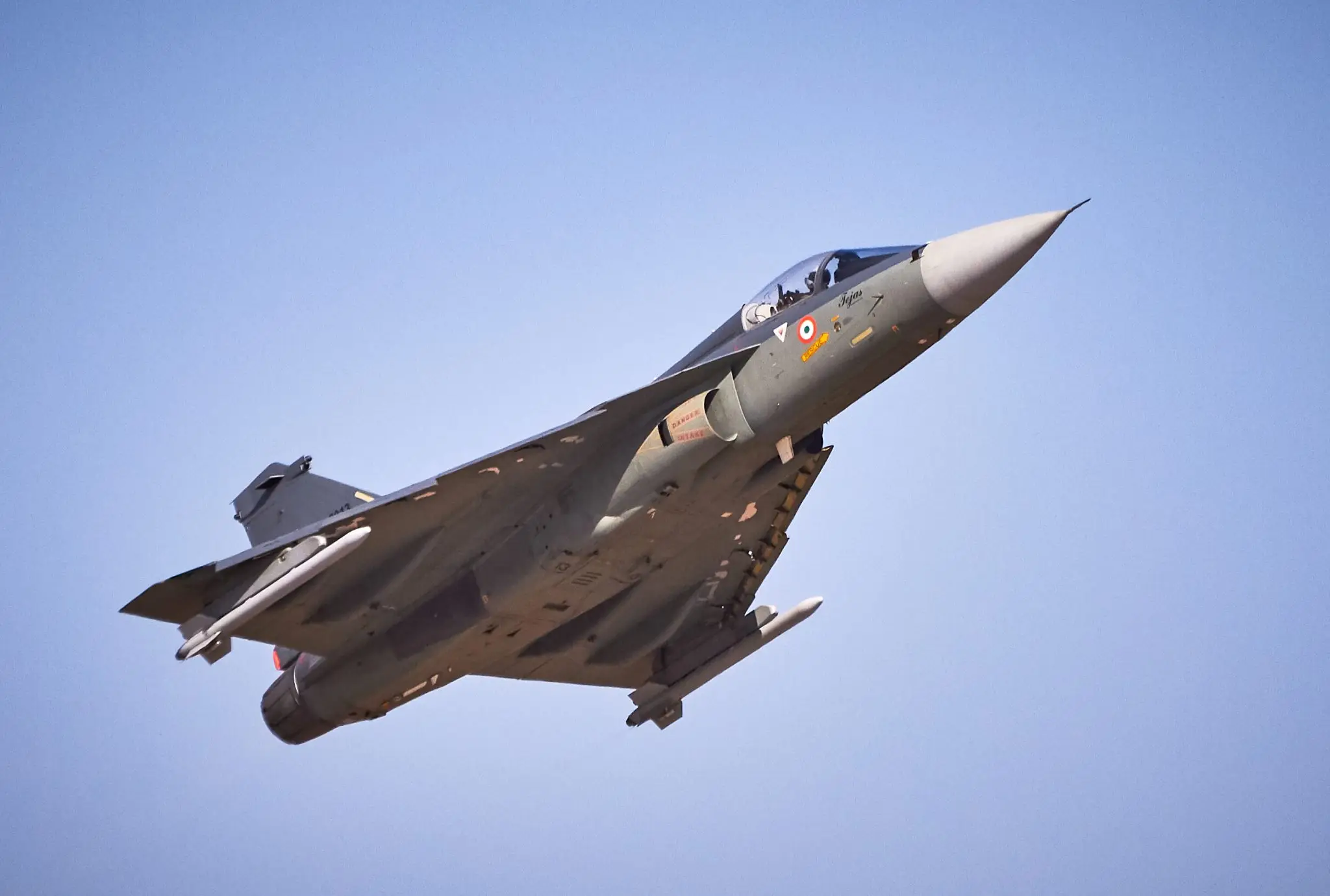
The delta wing has a large triangular planform with a broad root and a sharp tapering tip, used in aircraft like the Mirage III and Concorde. The swept wing, found on aircraft like the F-16 or F-15, is angled backward from the fuselage. Delta wings are structurally stronger and can handle more load due to their simpler single-surface design, while swept wings rely on flexible structure for lift and efficiency.
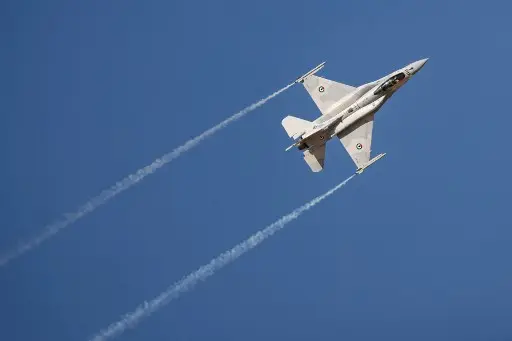
Speed and Aerodynamic Efficiency
At supersonic speeds, delta wings generate lower wave drag, improving efficiency and stability, according to NASA’s Supersonic Aerodynamics Report (1988). Swept wings, however, are more efficient during transonic (Mach 0.8–1.2) and subsonic flight. This makes them ideal for multi-role fighters operating across varied speeds.
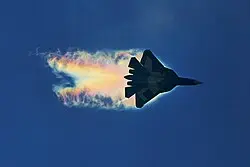
Lift and Angle of Attack
Delta wings can fly at high angles of attack, producing vortex lift that stabilises the aircraft during tight turns. The flow separation forms vortices that increase lift even at extreme angles. Swept wings perform better at moderate angles and avoid drag more effectively in level flight, offering smoother performance during cruising and long-range missions.
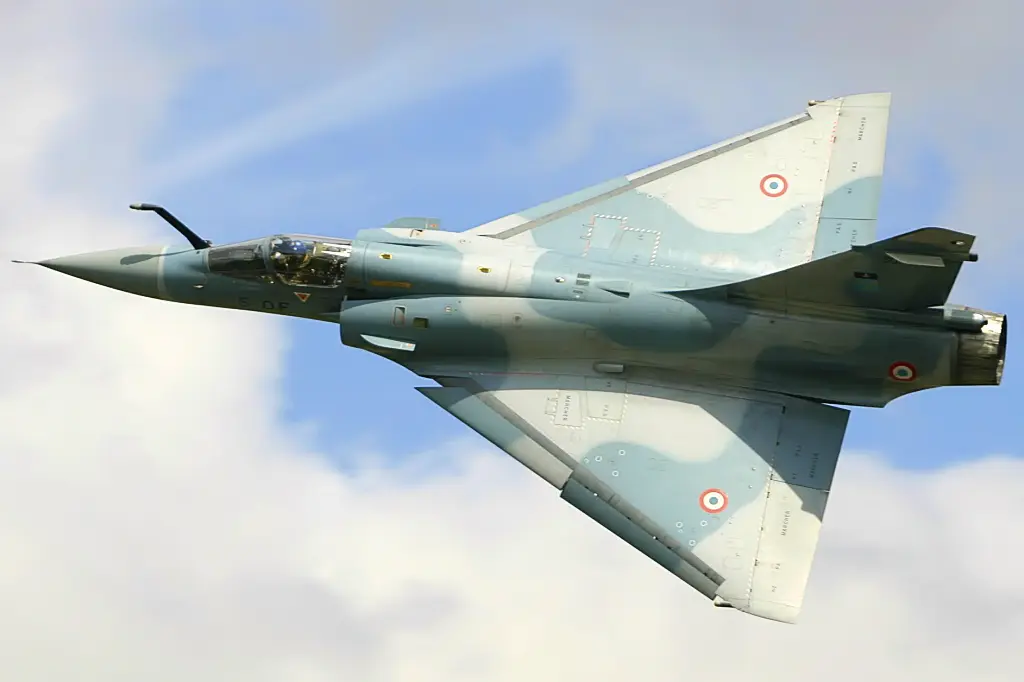
Stall Characteristics
In a stall situation, a delta wing maintains lift longer due to stable vortices forming over its surface. The swept wing, in contrast, stalls progressively from root to tip, which can reduce manoeuvrability but offers predictable control recovery. Delta wings are better suited for high-alpha manoeuvres; swept wings excel in steady, efficient flight.
Manoeuvrability and Control
Delta wings favour rapid climbing and high-G manoeuvres since they have a large surface area and generate quick lift. The drawback is more induced drag at low speeds. Swept wings, equipped with leading-edge slats or flaps, deliver smoother control at lower speeds, improving take-off and landing performance.
Structural Durability and Load Resistance
According to IJERT (2021), the delta wing shows superior stress distribution and less surface deflection (0.0029 m at zero AOA) under high aerodynamic loads. This design allows better structural integrity and resistance at both low and high angles of attack. Meanwhile, the flexible nature of swept wings makes them lighter but prone to higher deformation at extreme loads.
Application and Future Possibilities
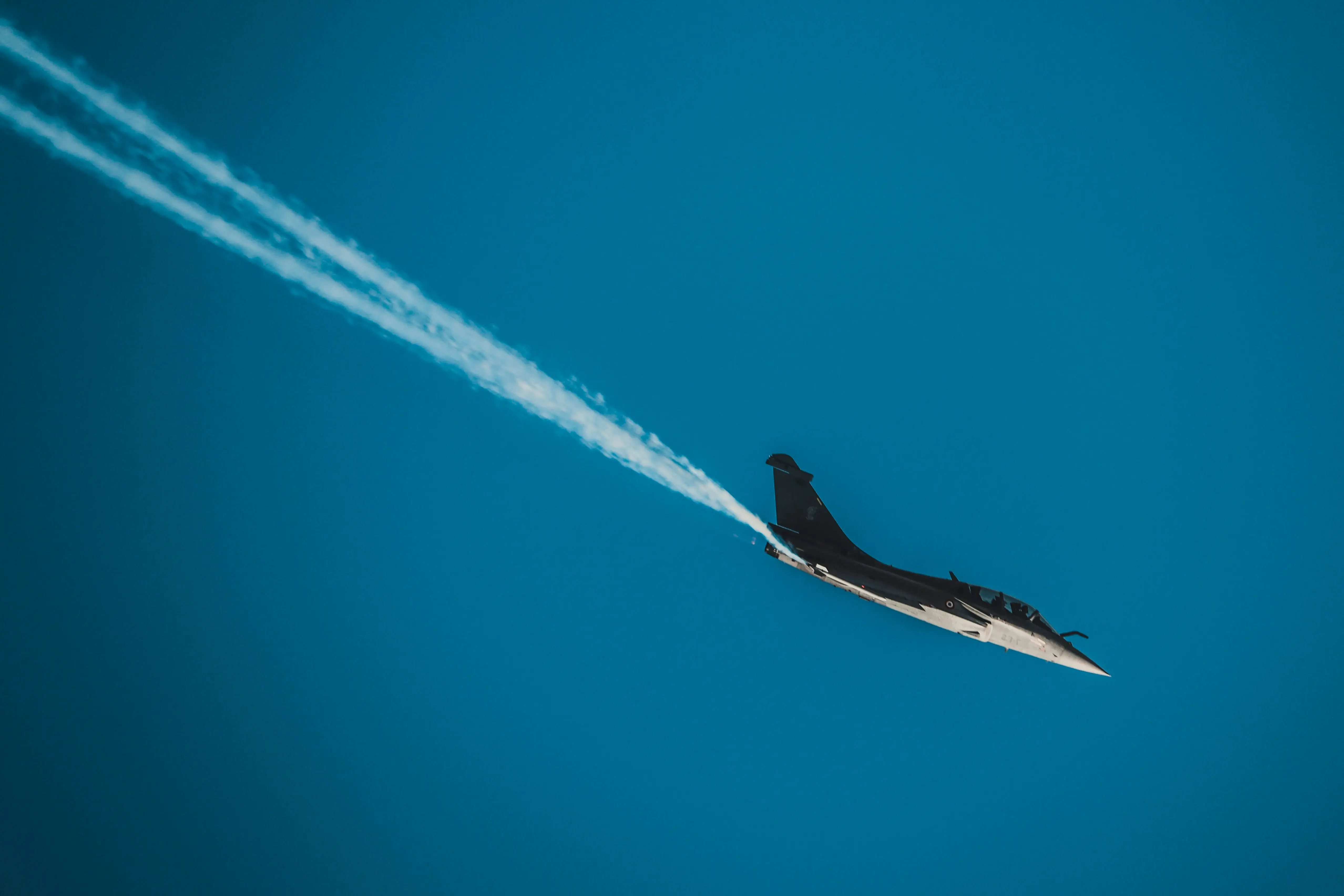
Most modern supersonic jets, such as the Dassault Rafale and Typhoon, use hybrid designs combining delta planforms with canards or small swept angles to balance lift and stability. Future sixth-generation aircraft, like the FCAS and Tempest, are expected to refine these designs further using adaptive surfaces and AI-assisted aerodynamic control.
)
)
)
)
)