Could the US embassy in Lebanon really become a target if US strikes Iran? 5 reasons why

The move reflects growing concern that, should a US strike on Iran unfold, Iranian proxies in Lebanon could pose a credible threat to American diplomatic and military interests.
Embassy drawdown amid escalating tensions
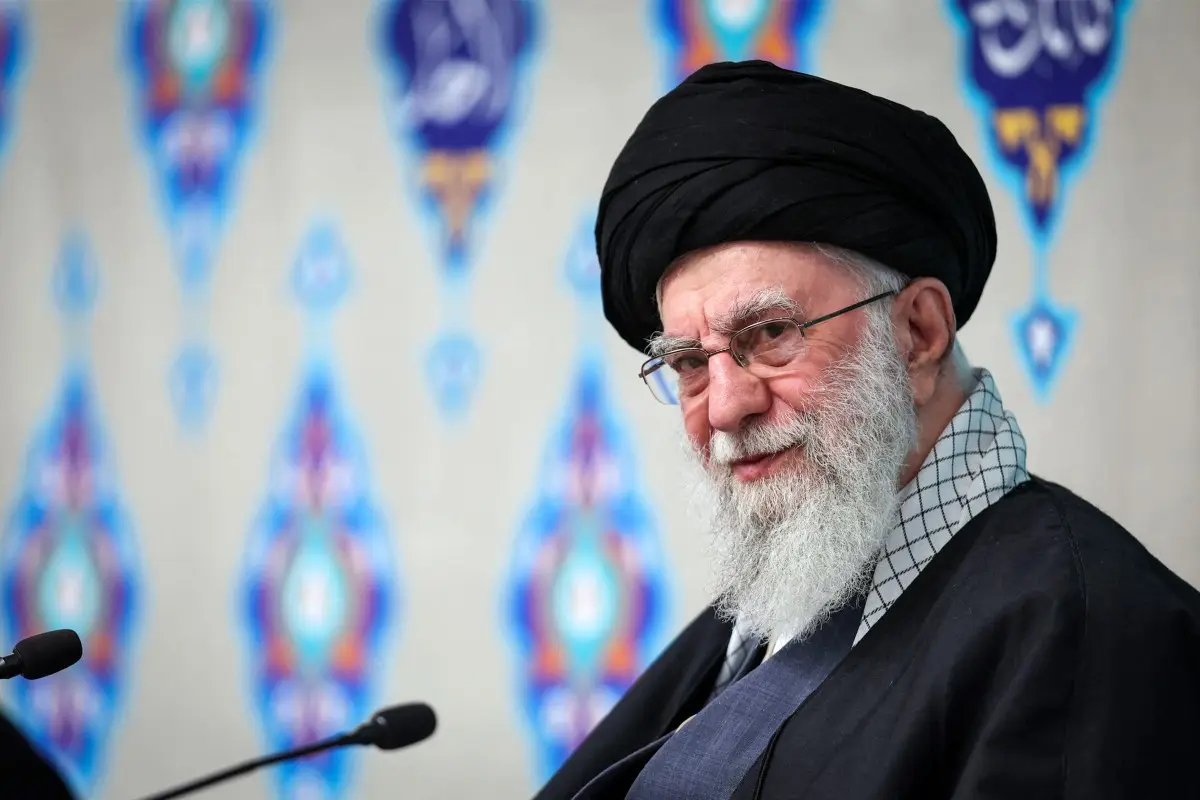
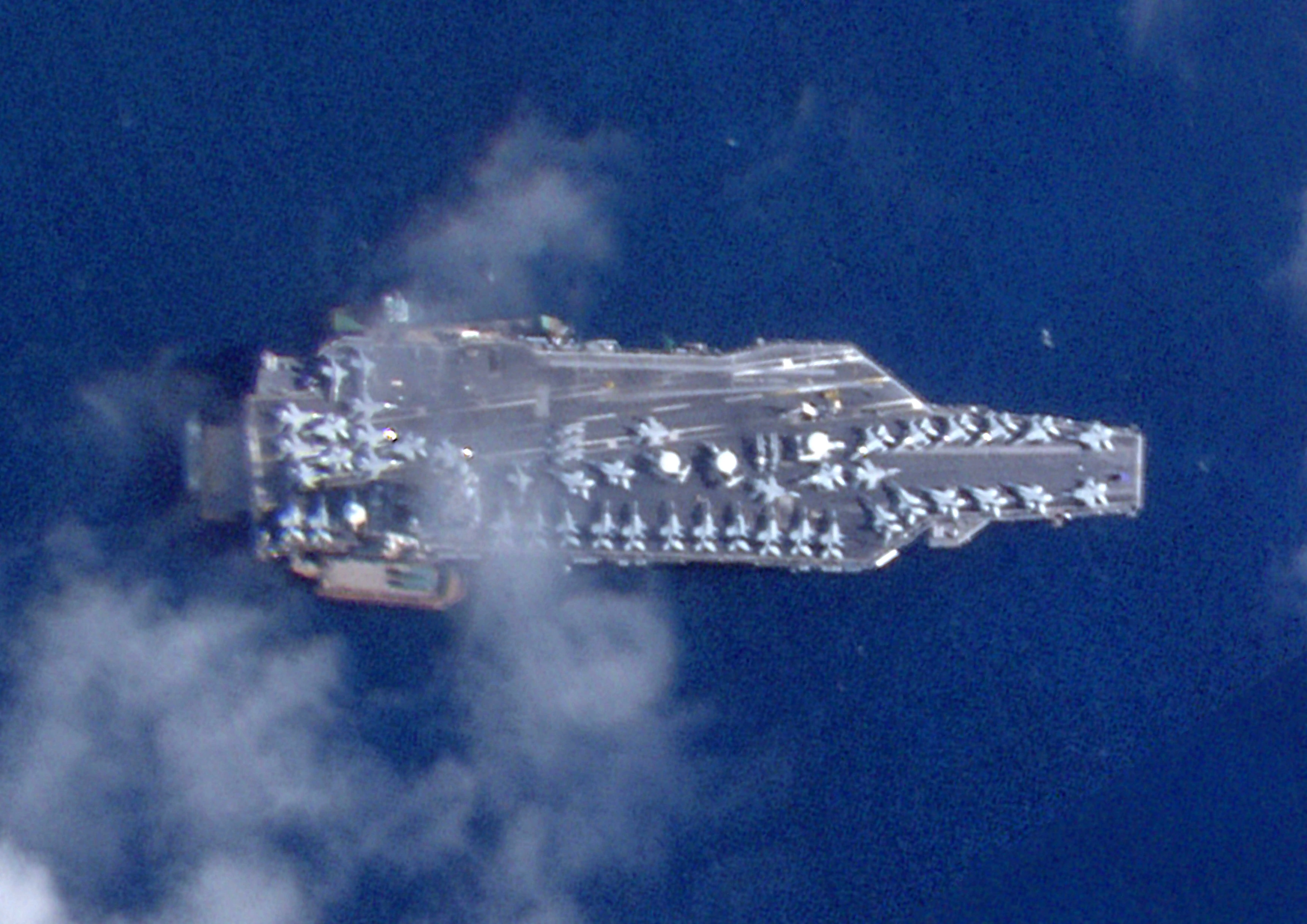
The United States on Monday ordered non-essential personnel and eligible family members to leave its embassy in Beirut as tensions with Iran escalate over nuclear talks and military deployments. A senior State Department official, quoted by Reuters, said that the decision was made after a security review and the embassy “remains operational with core staff in place”. Around 50 personnel were evacuated, with 32 staff and family members flying out via Beirut’s international airport. The drawdown follows warnings from Washington that diplomacy must produce results, even as indirect talks continue and a second US aircraft carrier heads toward the Gulf.
Proxy threat from allied militias
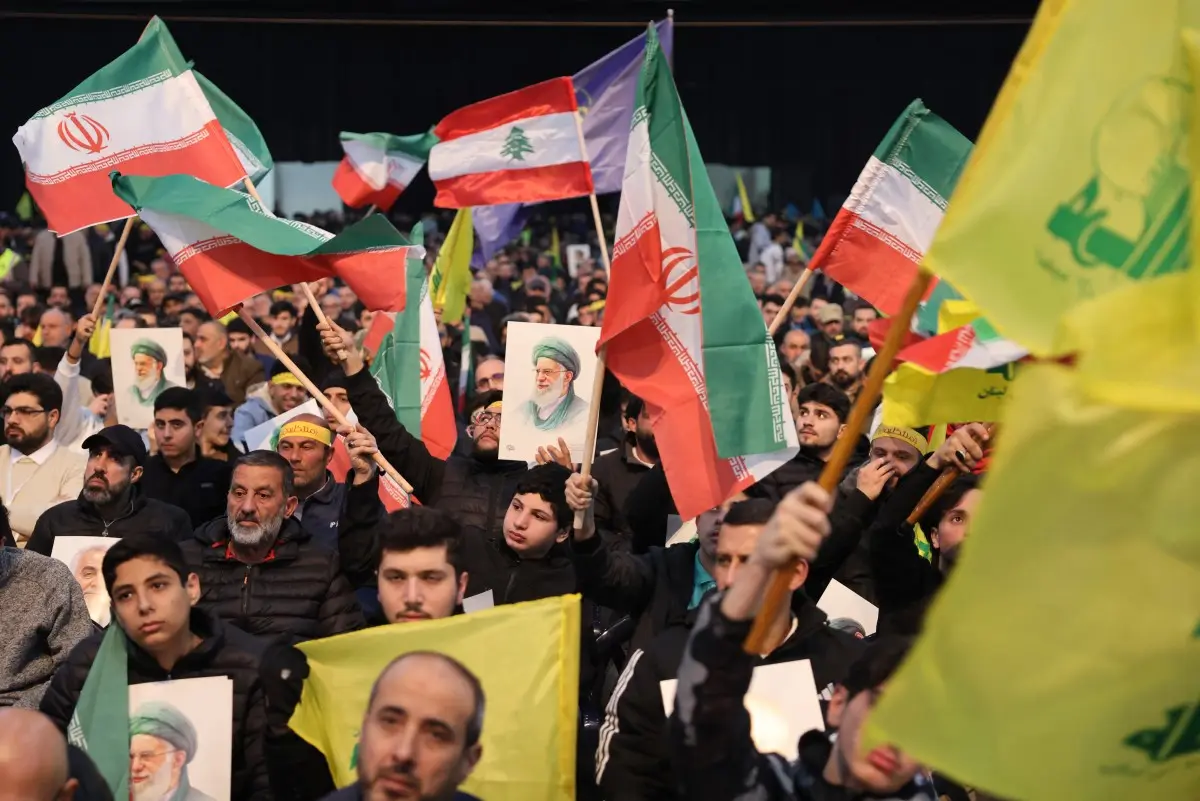
Iran has long supported militant groups across the region, particularly Hezbollah in Lebanon. These groups have history of attacks on Western targets, and US officials fear they could act in solidarity with Tehran should a military confrontation erupt. Officials have warned that diplomatic and military locations could be targeted by Iranian proxies.
Escalating military posture
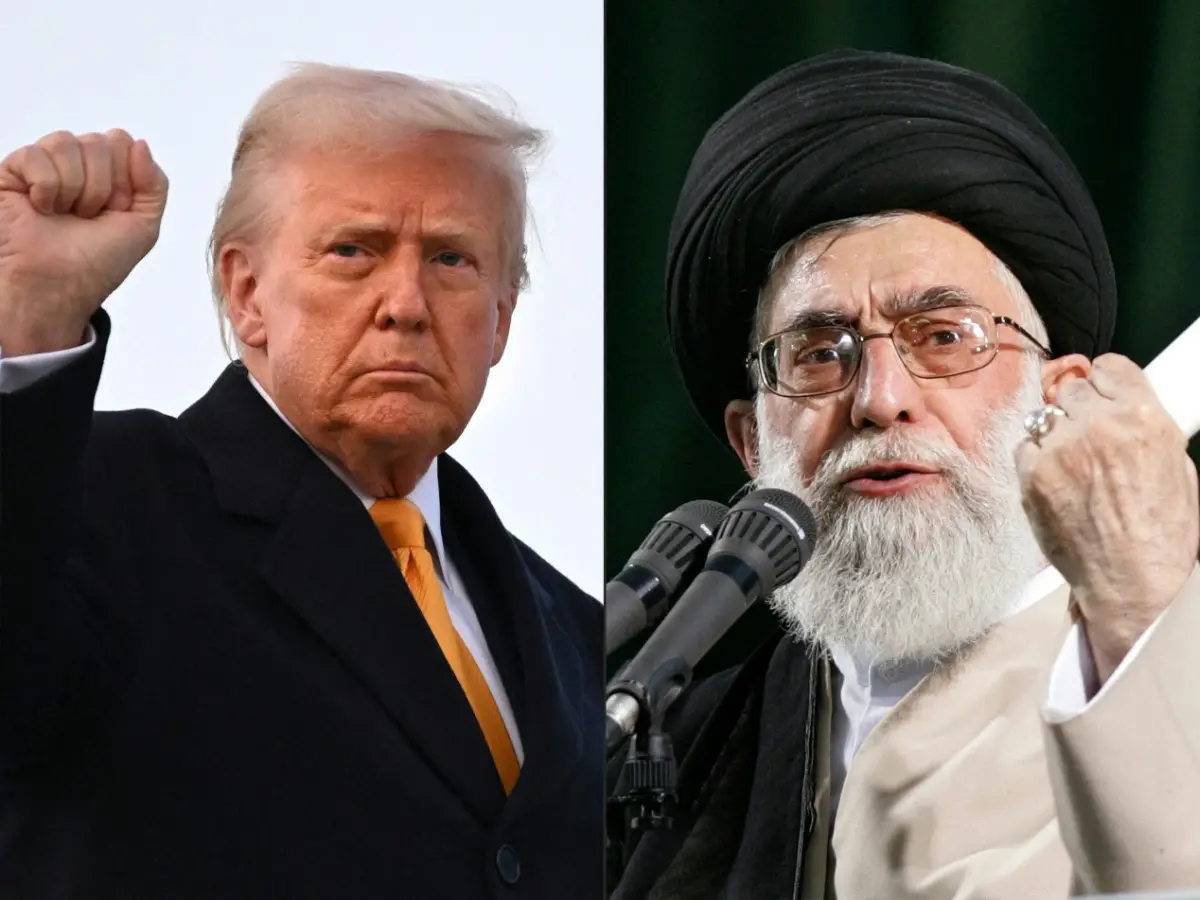
The evacuation coincides with an expanded US naval presence in the Middle East and renewed warnings from the US President that “really bad things will happen” without a new nuclear deal. Iran, in turn, has threatened retaliation against US positions in the region. Diplomatic compounds are historically among the most exposed symbols of US presence.
Historical precedent of attacks
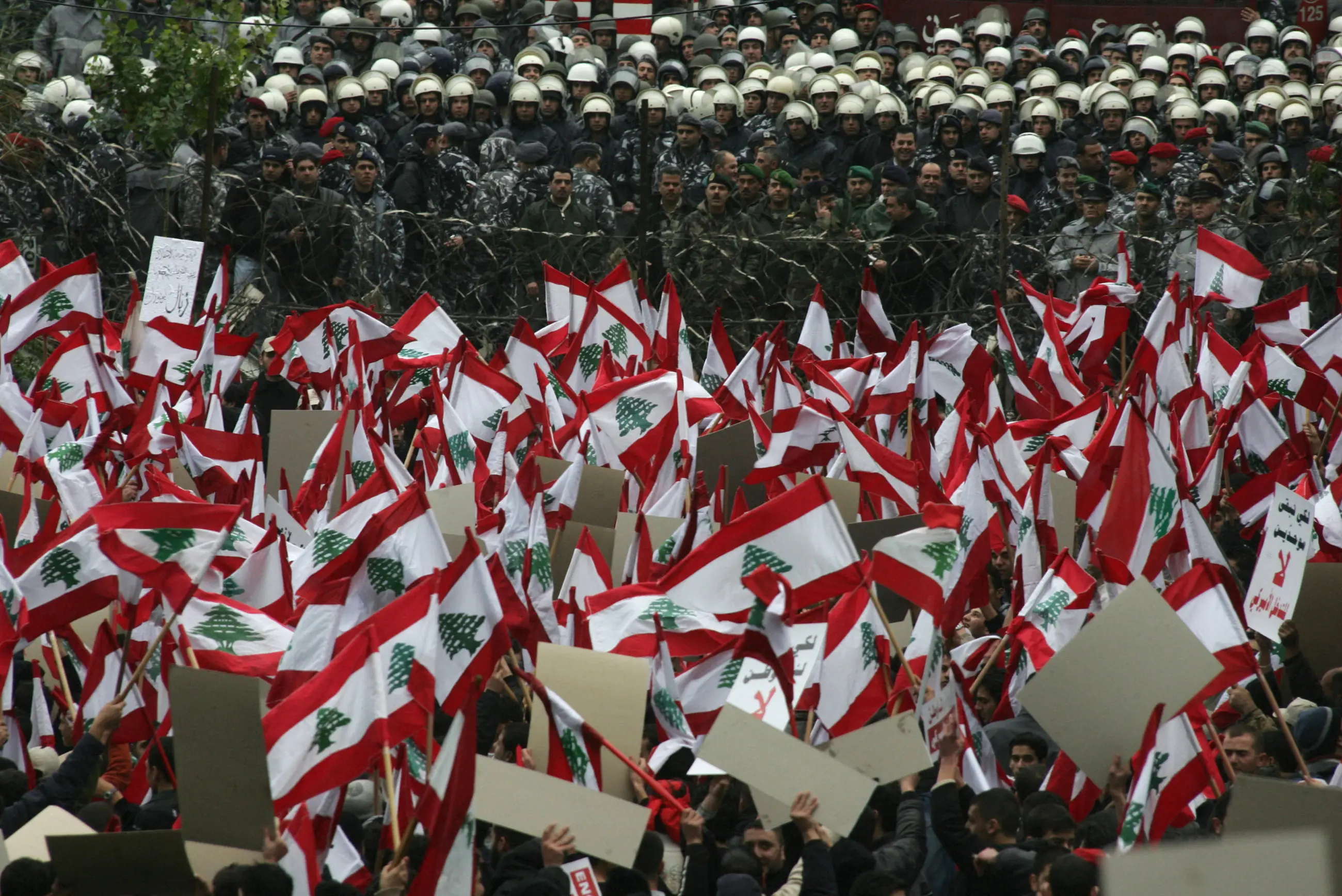
US interests in Lebanon have been targeted before. During the 1975-90 Lebanese civil war, the US held Hezbollah responsible for attacks on American positions, including a 1983 suicide bombing of the Marines’ barracks in Beirut that killed 241 service members and a 1983 attack on the US embassy annex that killed 49 staff members. Such history underscores the longstanding risks to American diplomatic missions in the country.

Travel advisory reflects heightened risk
In updating its travel advisory, the US State Department again warned Americans not to travel to Lebanon amid increased security threats, indicating that remaining embassy staff face travel restrictions and that additional limitations may be imposed with little notice. Such warnings reflect a serious reassessment of the threat environment in Beirut.

Regional spillover potential
Lebanon’s proximity to conflict zones and its complex domestic political landscape mean that regional escalation, particularly a confrontation between the US and Iran, could quickly spill over. Israeli strikes across parts of Lebanon and ongoing tensions with Hezbollah add to the volatility. Any significant escalation in the broader Middle East could pull Lebanon deeper into conflict dynamics.
Diplomatic operations maintained
Despite the reduction in staff, the embassy continues to operate with essential personnel, assisting US citizens and maintaining diplomatic functions. The temporary drawdown is described as a precautionary measure intended to protect personnel while ensuring the mission can still operate.
)
)
)
)
)