Could Israel’s Iron Beam plug India’s defence gaps against drones and missiles?

Unlike missile-based interceptors, Iron Beam offers what its developer describes as an 'unlimited magazine' and an almost zero cost per intercept.

India Eyes Advanced Air Defence
With drone warfare reshaping modern conflict, India is stepping up efforts to reinforce its air defence network. During his two-day visit to Israel beginning Wednesday, Prime Minister Narendra Modi is expected to discuss expanding defence cooperation, including combat drones, precision-guided missiles and the Iron Beam laser-based interception system. Speaking to IANS, Israeli Consul General in Mumbai Yaniv Revach said: “During this specific visit of Prime Minister Narendra Modi, we plan to expand this agreement…on manufacturing here in India, defence cooperation and also cooperation regarding the Iron Dome and other defence systems in Israel that we can share with our partners here in India.”

What Is Iron Beam?
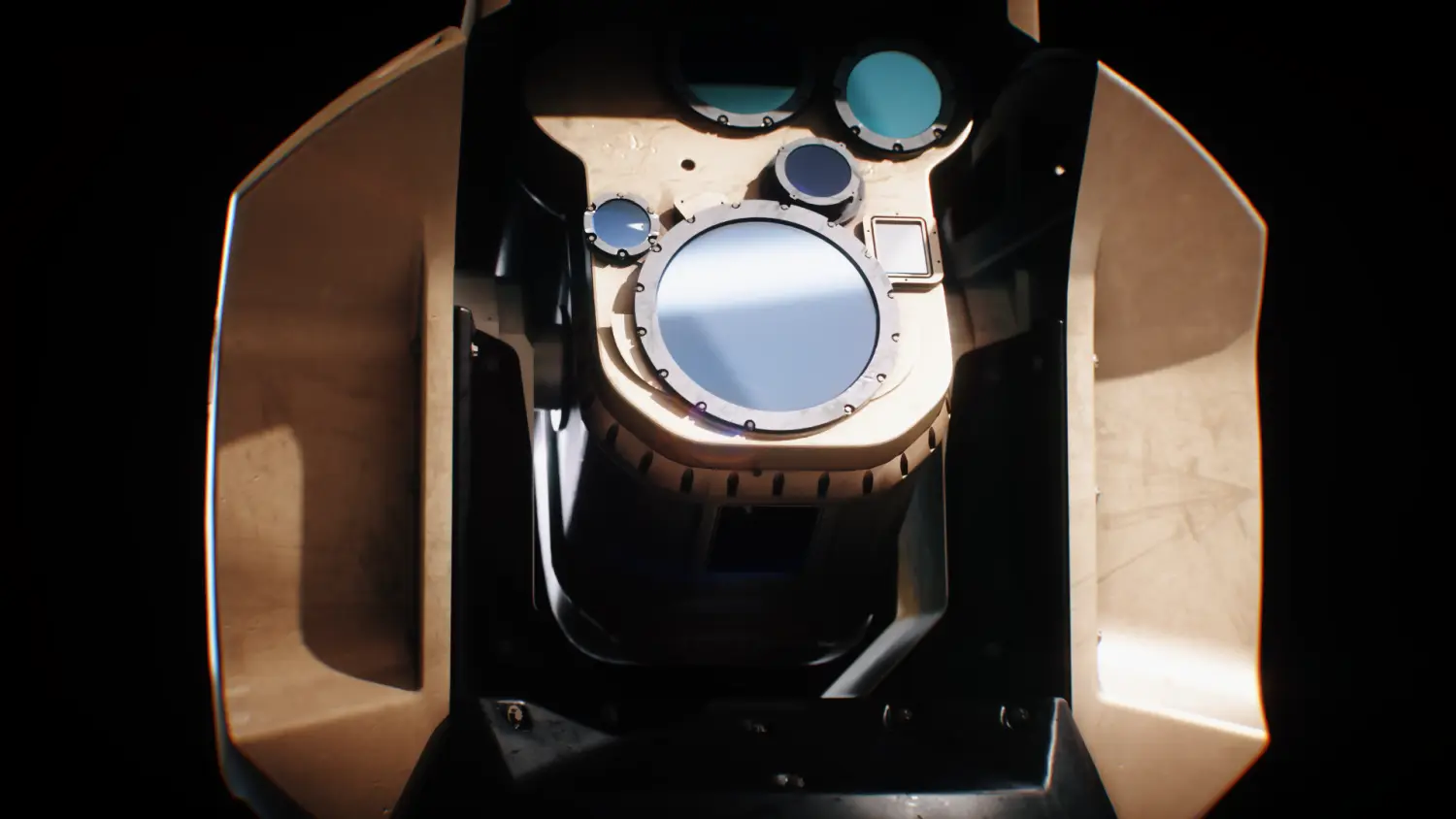
Iron Beam, developed by RAFAEL Advanced Defense Systems, is a 100 kW-class High-Energy Laser Weapon System (HELWS) that intercepts aerial threats using directed energy rather than conventional missiles. It can neutralise UAVs, rockets, mortars, artillery shells and cruise missiles with pinpoint accuracy at ranges of up to 10 kilometres. In December 2025, the Israeli Ministry of Defense announced delivery of the first operational system to the Israel Defense Forces. The system focuses intense heat on a precise part of a target, neutralising it within seconds. It integrates coherent beam combination, built-in adaptive optics, multifunction beam directors for extended tracking, and rapid retargeting against swarms.
Relevance for India
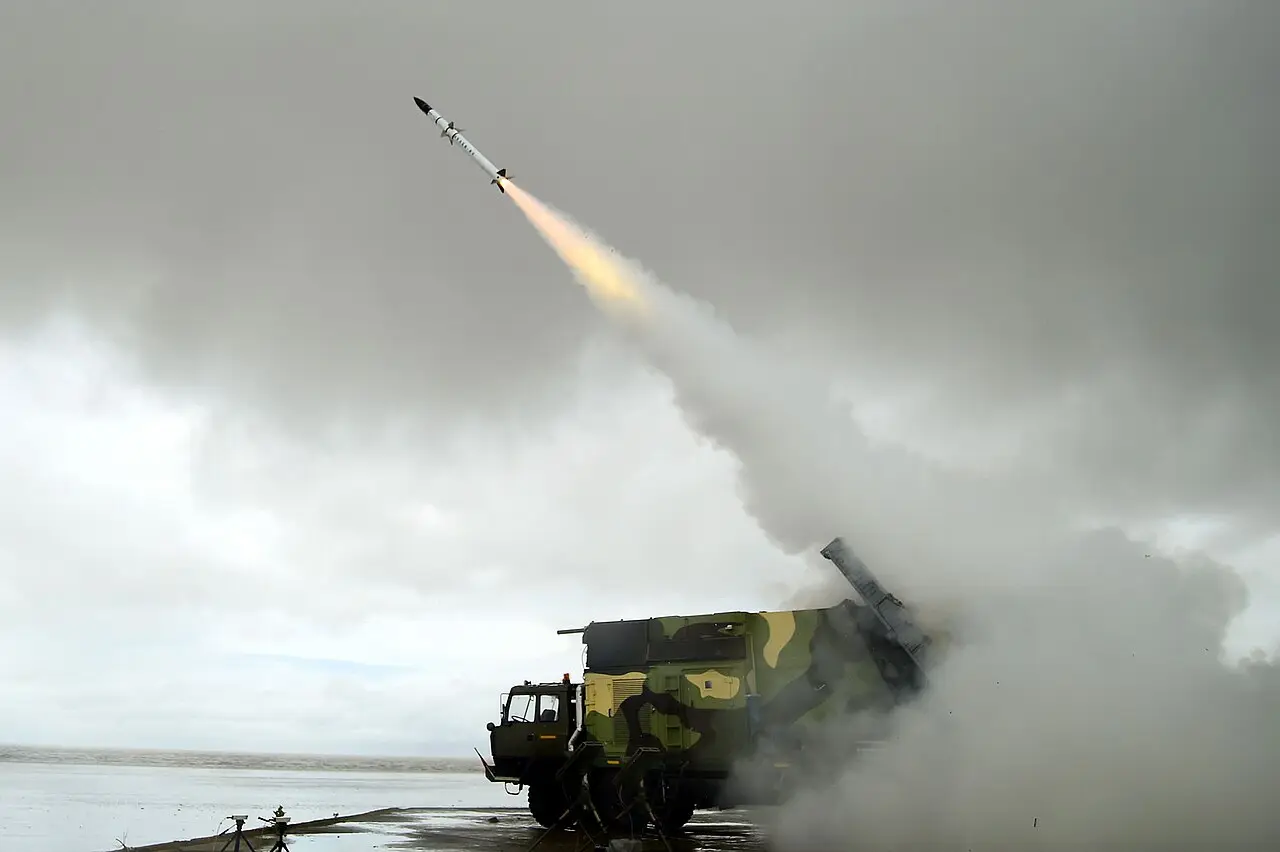
India’s multi-layered air defence relies on integrating indigenous and foreign technology. Iron Beam could add a precision, low-cost directed-energy layer capable of neutralising drones, rockets, and missiles almost instantaneously, reducing dependency on expensive kinetic interceptors and enhancing overall preparedness along sensitive borders.
Cost and Sustainability for India
Unlike missile-based interceptors, Iron Beam offers what its developer describes as an “unlimited magazine” and an almost zero cost per intercept. For India, which must maintain long-term deployment across sensitive borders, such a system could ease financial pressure while conserving conventional missiles for more complex threats.
Reinforcing India’s Layered Defence
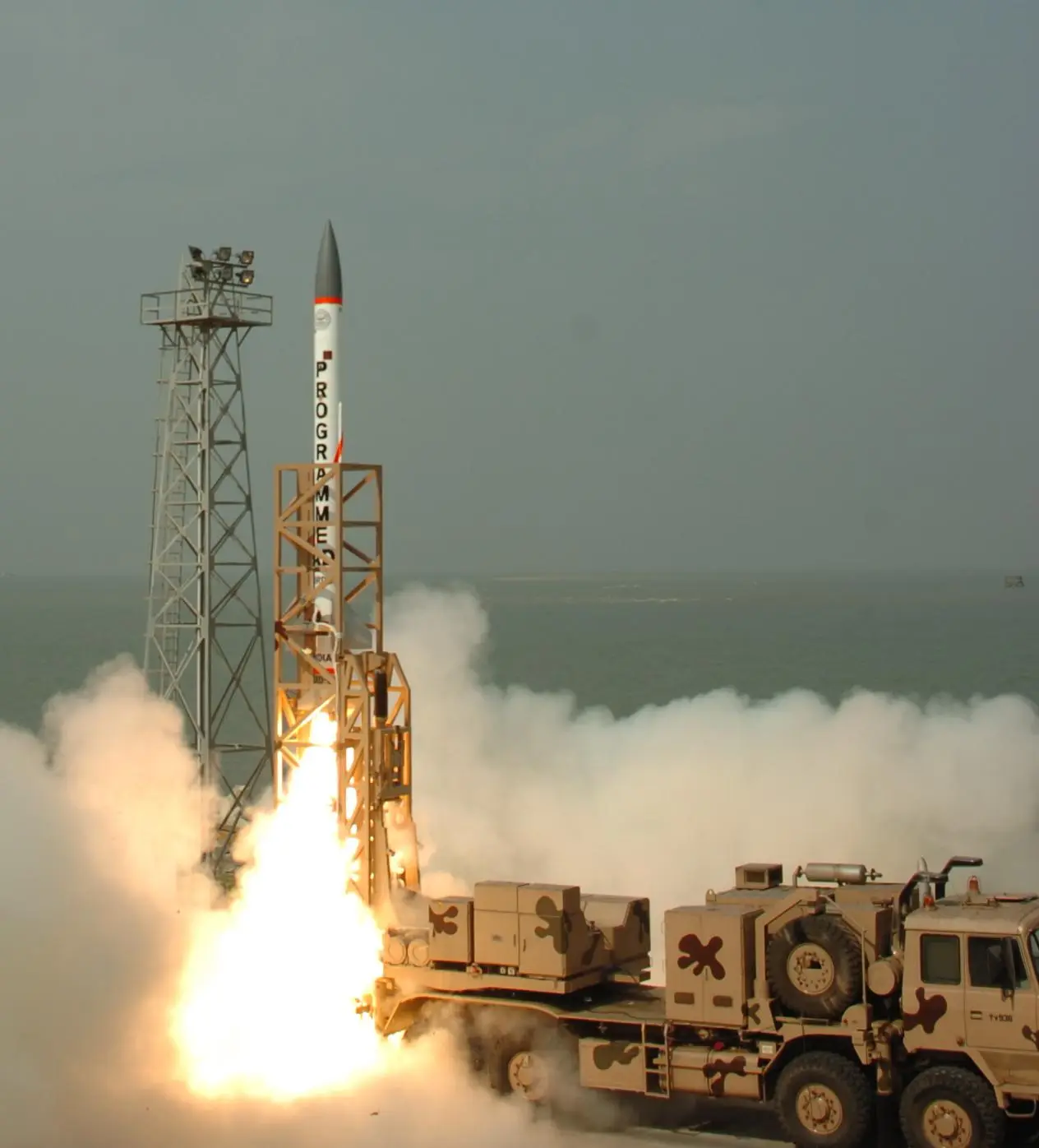
Iron Beam would not replace India’s existing missile-based air defence systems, including the indigenous Akashteer network, which has demonstrated high operational efficiency, or the Russian-origin S-400 ‘Sudarshan Chakra’ system. Instead, it could add a directed-energy layer to India’s multi-tiered air defence architecture. By complementing kinetic interceptors with low-cost, rapid laser engagement, it may strengthen protection of sensitive borders, strategic installations and key military assets, while supporting India’s push for technology-driven and sustainable defence preparedness.

Countering Drone Swarms
Iron Beam incorporates adaptive optics, beam directors for extended tracking and rapid retargeting capabilities to engage swarm attacks. Given the increasing use of small UAV clusters in modern conflicts, such features address a capability gap relevant to India’s border and strategic installation security.

Mobility and Deployment Flexibility
Variants including IRON BEAM-M and LITE BEAM are deployable on trucks or armoured vehicles and compatible with ISO pallets. This mobility is pertinent for India’s varied terrain, from forward land borders to coastal and naval assets.

Strengthening Strategic Autonomy
India has long integrated Israeli-origin systems into its defence architecture. Evaluating Iron Beam would not replace existing assets but add a directed-energy layer to its multi-tiered grid, reinforcing preparedness against evolving aerial threats while supporting domestic manufacturing ambitions.
Lessons from Operation Sindoor
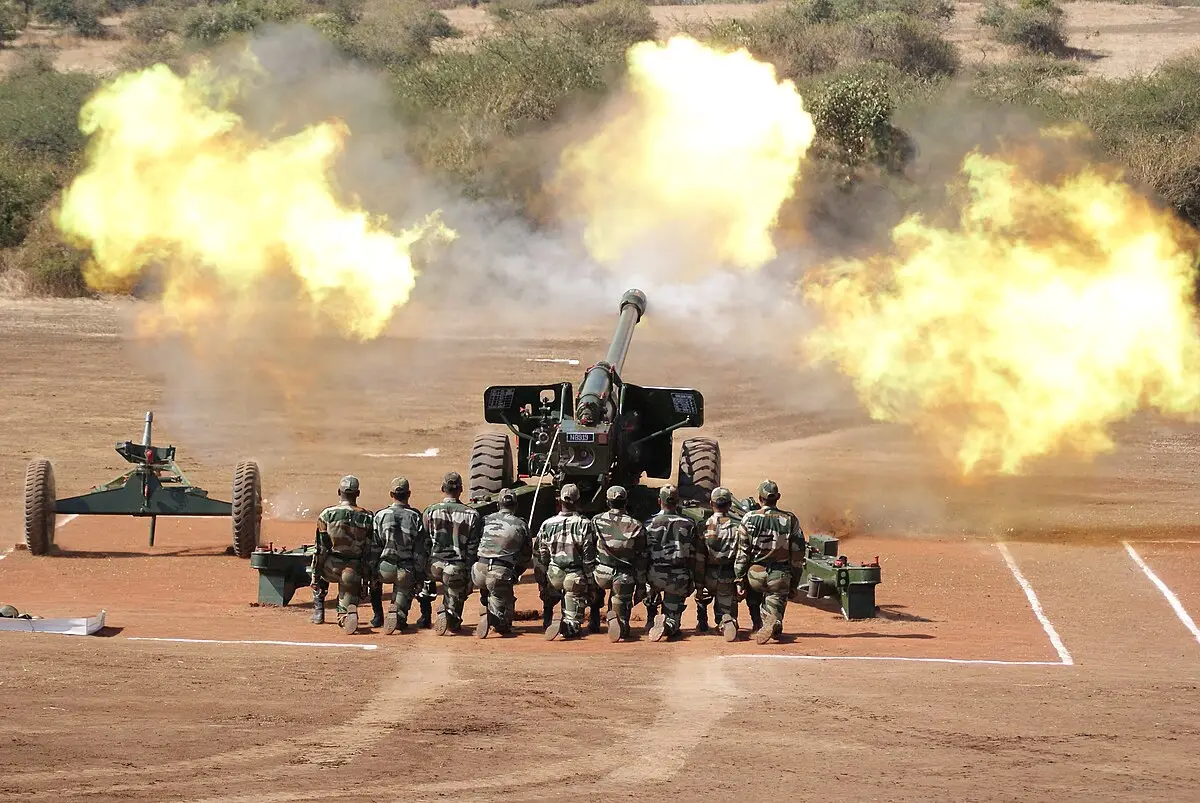
During Operation Sindoor, India’s integrated air defence network demonstrated the importance of layered surveillance and rapid interception capability amid heightened tensions. Systems of Israeli origin, including Barak-8 and SPYDER, form part of this broader defensive grid. The experience highlighted the operational value of sustained readiness against aerial threats.
)
)
)
)
)