Could future wars be fought without fighter jets at all?

Uncrewed aircraft like drones and loyal wingmen are changing air combat. While pilots stay in command, AI teammates take on high-risk roles. Big nations race to blend manned and unmanned forces. Know what’s next in hybrid air power
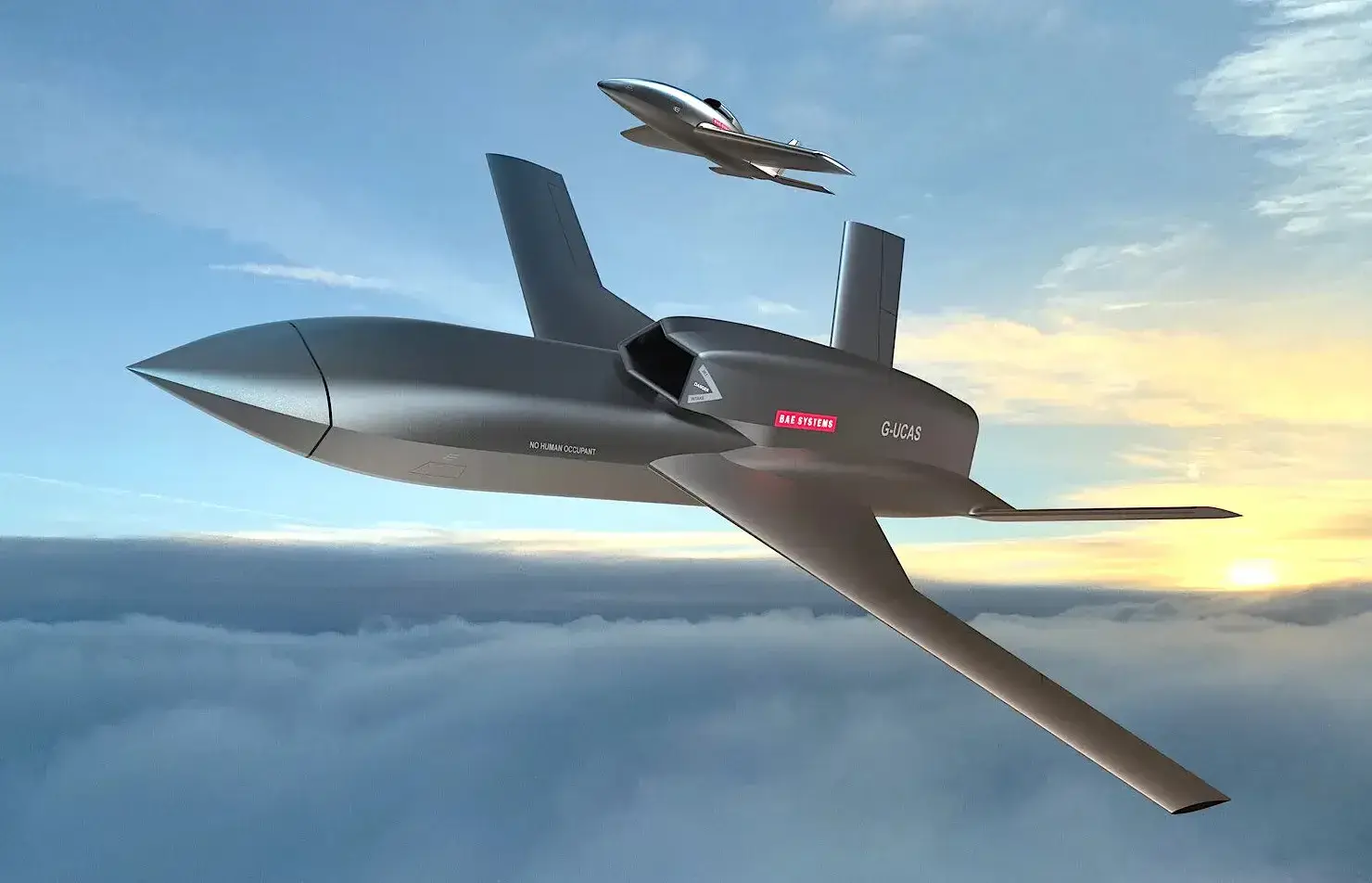
The big question in air power
Uncrewed systems now lead the way, from swarming drones and loitering munitions to loyal wingman aircraft flying with fighters. Programmes in the US, Europe, India and China point to a mixed future, with pilots as mission leaders and autonomous teammates, not a full end to crewed jets yet.
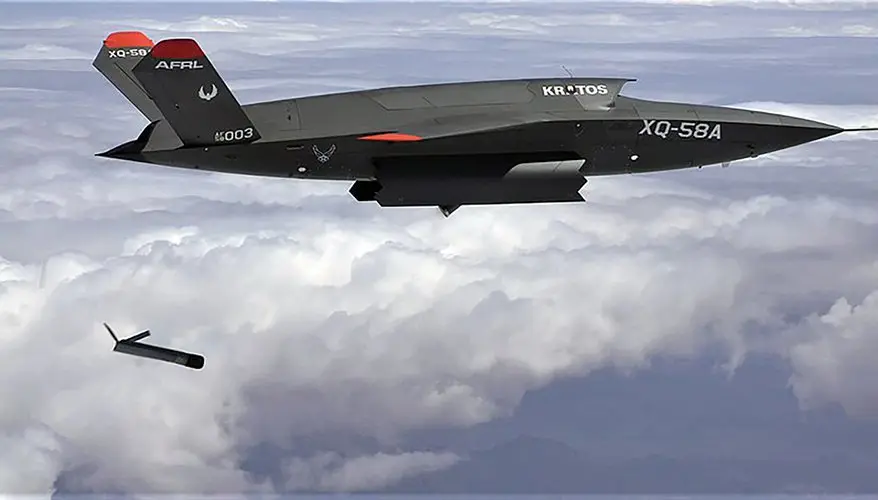
Loyal wingman revolution
The US Collaborative Combat Aircraft pairs crewed jets with affordable autonomous wingmen carrying sensors, jammers and weapons. First prototypes fly in 2025, with an initial 100 to 150 aircraft planned before the decade ends, aiming to multiply combat power at lower cost.
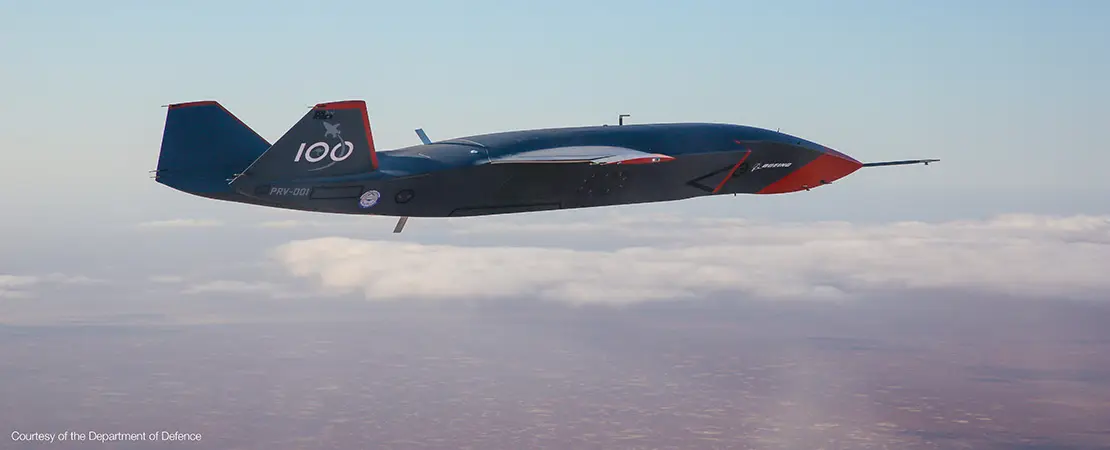
Global race to team manned and unmanned
Boeing’s MQ-28 Ghost Bat has passed 100 test flights and targets missile tests by late 2025. China, Europe and India are also advancing drone concepts, with India’s HAL CATS Warrior moving through key ground run milestones in 2025.
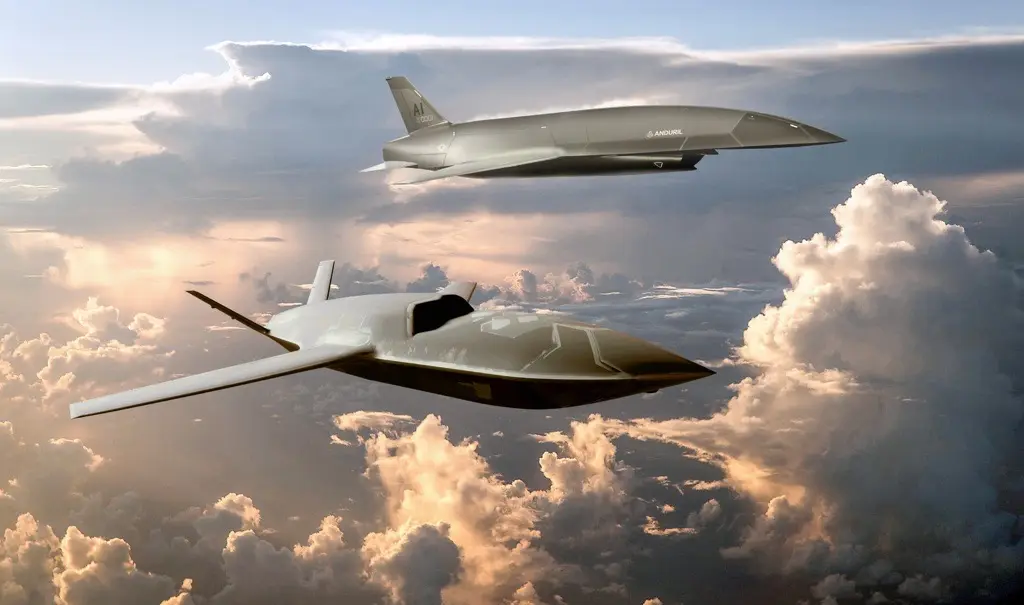
Global race to team manned and unmanned
Boeing’s MQ-28 Ghost Bat has passed 100 test flights and targets missile tests by late 2025. China, Europe and India are also advancing drone concepts, with India’s HAL CATS Warrior moving through key ground run milestones in 2025.
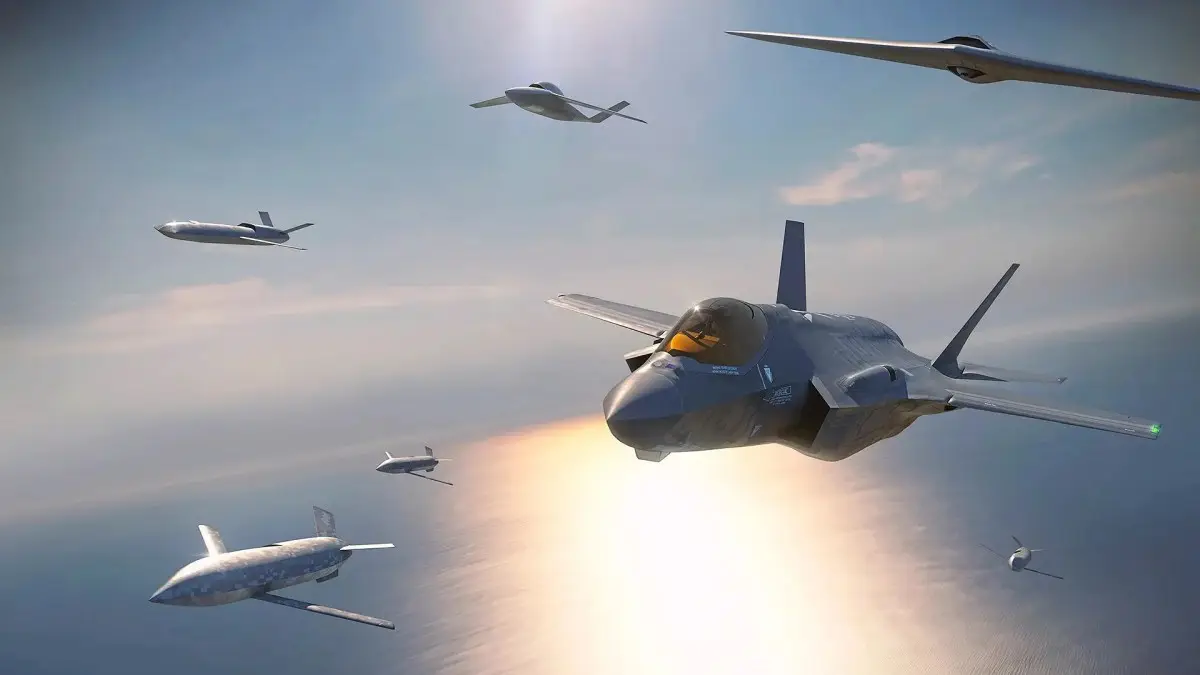
Will drones replace pilots entirely
A 2025 study suggests autonomous drones will not fully replace fighter pilots soon. Teaming will dominate, with pilots commanding AI for complex missions while attritable drones take greater risks and extend reach.
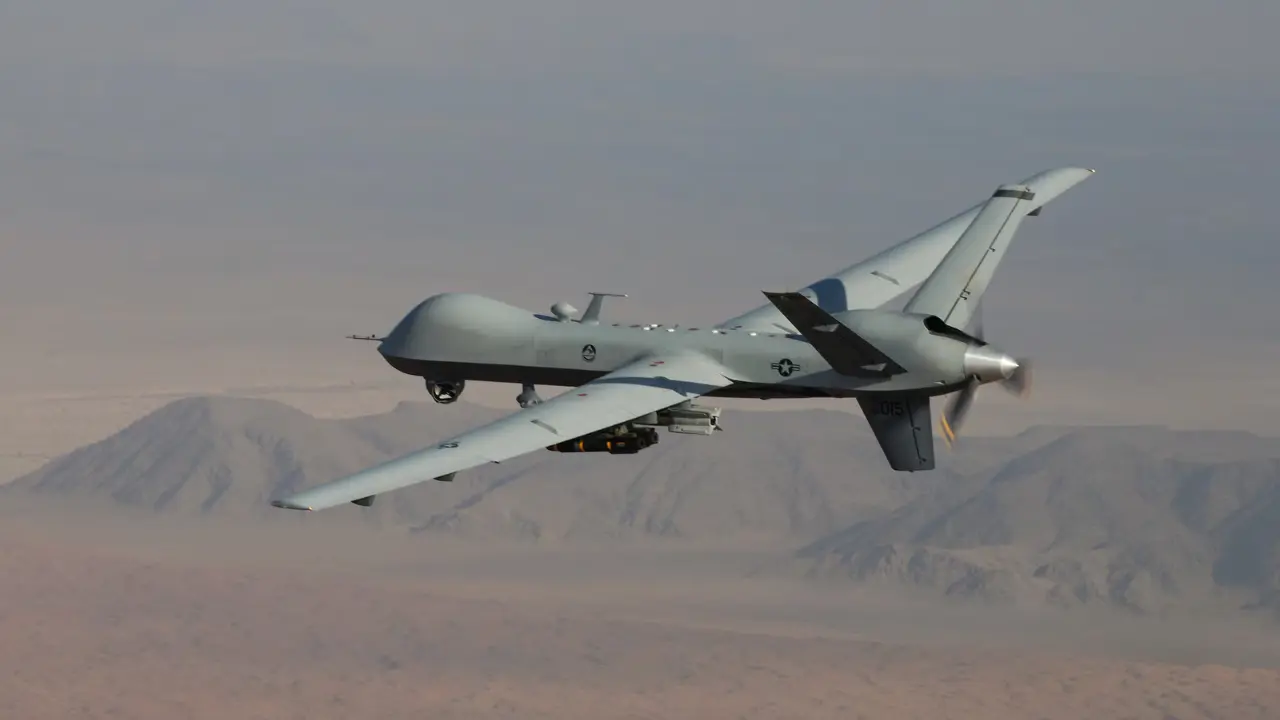
Cost, mass and attrition logic
US plans call for thousands of affordable CCAs over time, trading perfect stealth for numbers in some roles. Wargames indicate massed, lower-cost drones can outperform a few high-end assets in wide theatres such as the Pacific.
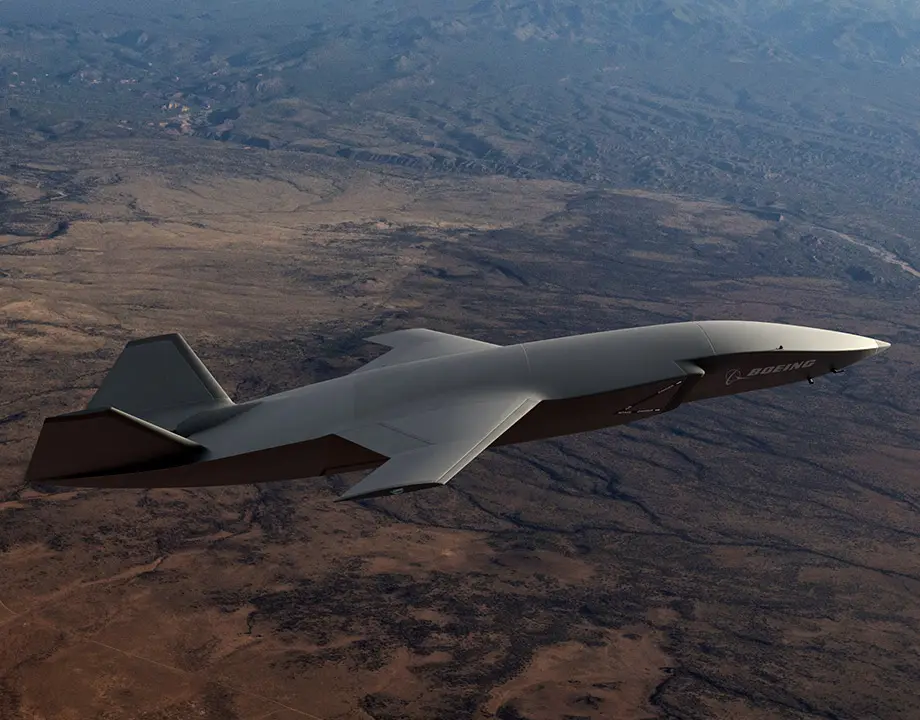
The likely future
Expect hybrid air power. Crewed sixth-generation fighters will direct wingmen, while swarms, loitering munitions and better counter-UAS shape every battle. Manned jets will remain, but fewer and more command-focused as autonomy scales up.
)
)
)
)
)