Can Israel’s advanced air defence systems intercept Iran’s Sejjil ballistic missile?

Israel's Arrow 3 and Arrow 2 systems are designed to intercept Iran's Sejjil missile. While the Sejjil's solid-fuel engine reduces early warning times, Israel's exo-atmospheric shield uses hit-to-kill technology to safely destroy it in space.
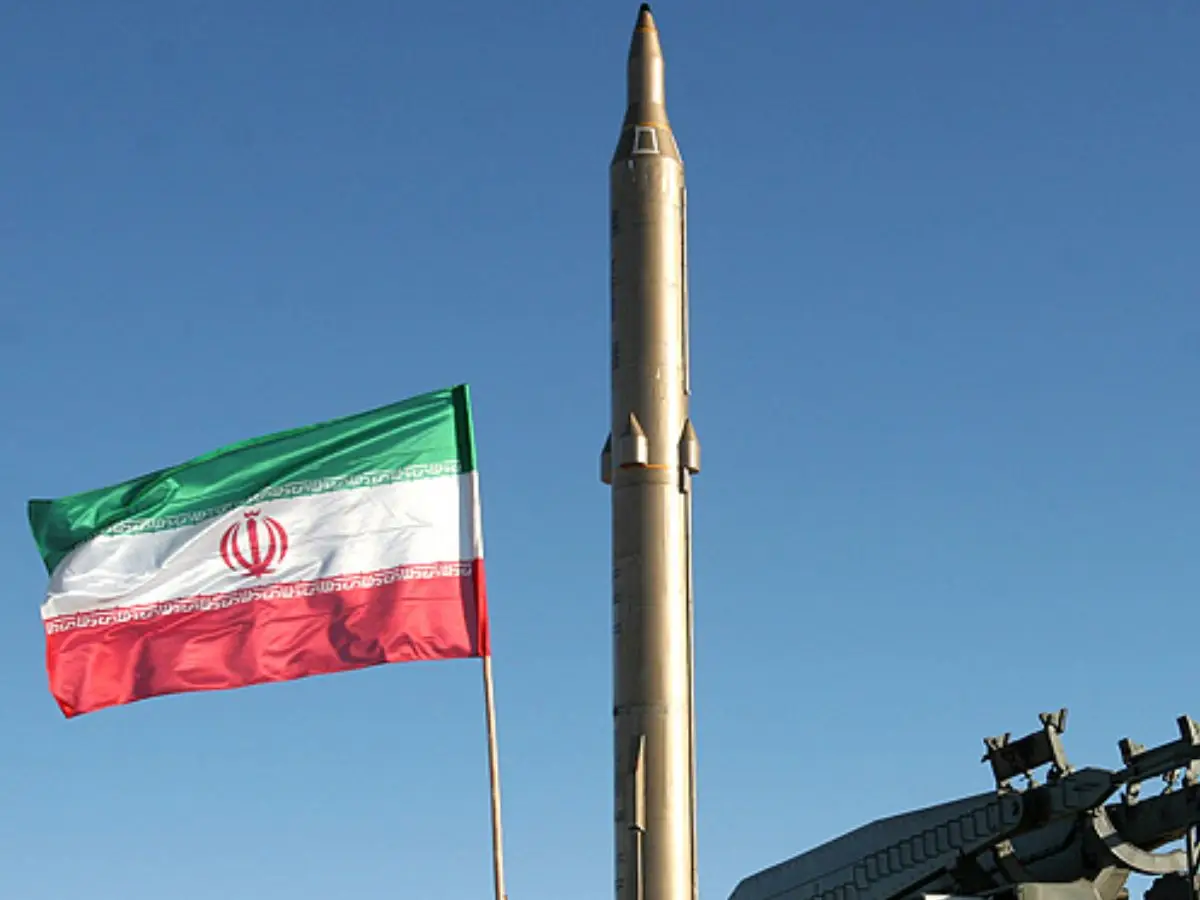
The Sejjil missile threat
Iran’s Sejjil is an advanced, solid-fuelled medium-range ballistic missile. Unlike older liquid-fuelled rockets, its solid propellant allows it to be launched in mere minutes, drastically reducing early warning times.

Striking at hypersonic speeds
With an operational range of up to 2,500 kilometres, the Sejjil can easily reach Israeli territory. Upon atmospheric re-entry, its 700-kilogramme warhead plummets towards its target at blistering hypersonic velocities.
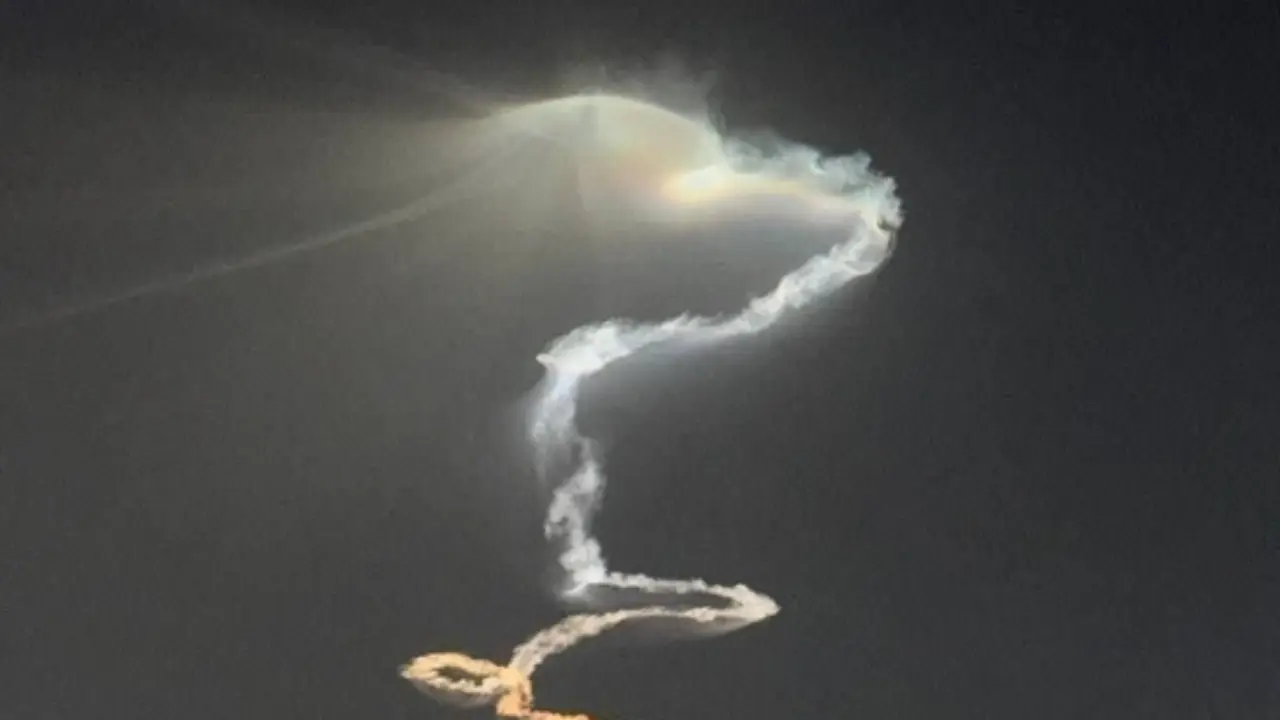
The challenge of detection
Because the Sejjil requires almost no fuelling time on the launchpad, US and Israeli early-warning satellites have a dangerously narrow window to detect its heat signature before it achieves high altitude.
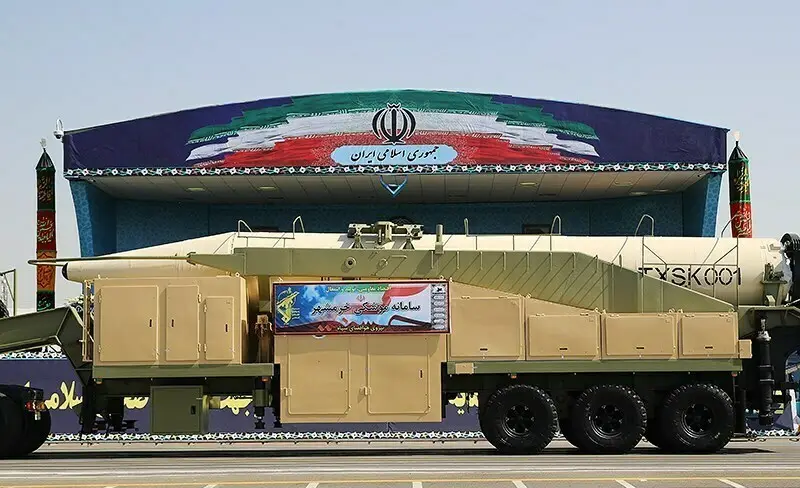
The Arrow 3 primary shield
To counter long-range threats like the Sejjil, Israel relies on its Arrow 3 interceptor. Co-developed with the United States, this system is specifically engineered to destroy incoming ballistic missiles entirely outside the Earth's atmosphere.
Hit-to-kill interception
The Arrow 3 acts essentially as a bullet hitting a bullet in space. By destroying the Sejjil in the vacuum of space using kinetic force, it ensures that any hazardous warhead debris burns up harmlessly during re-entry.

The Arrow 2 atmospheric backup
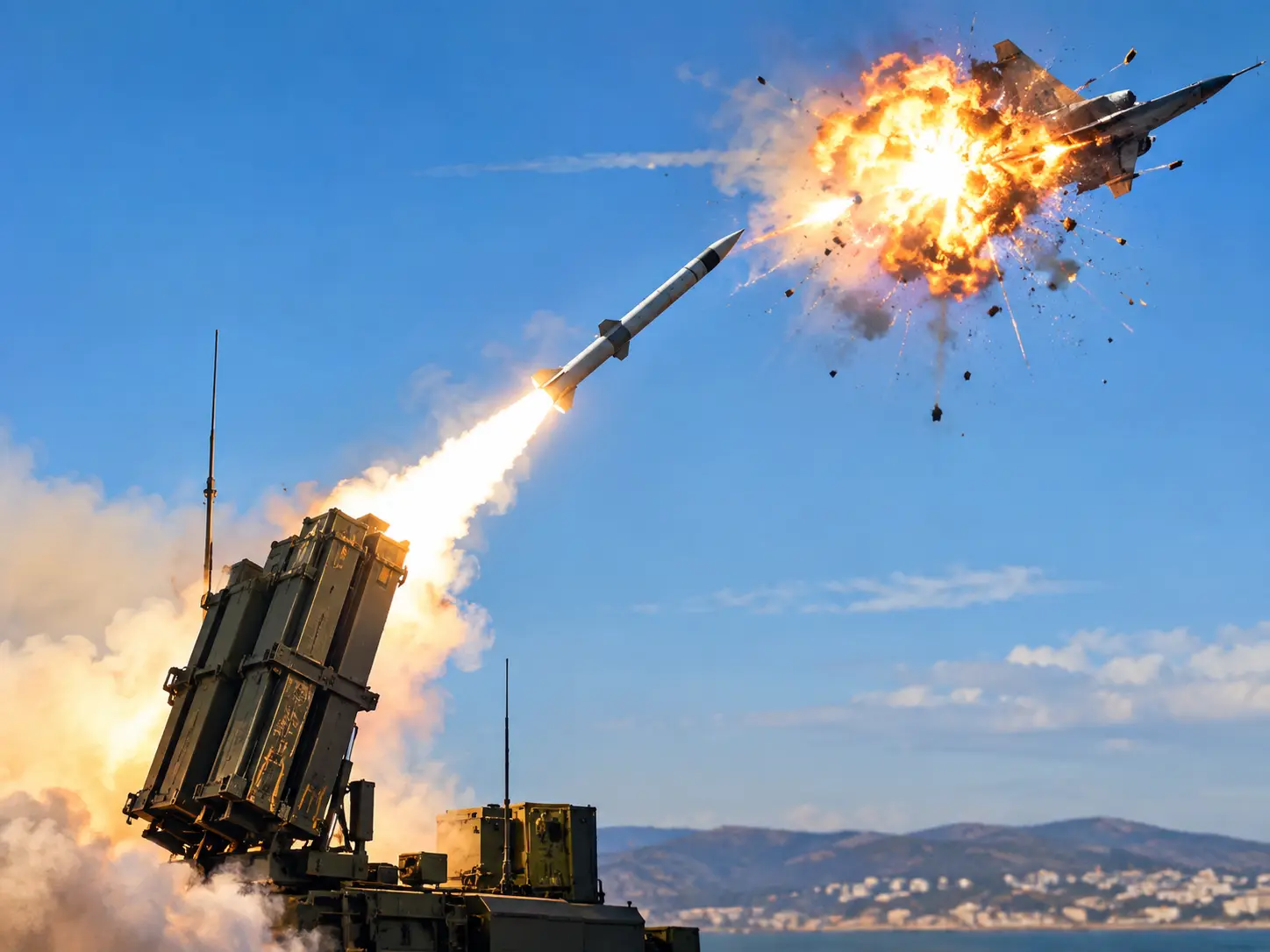
If the Arrow 3 fails to intercept the Sejjil in space, Israel's multi-layered network activates the Arrow 2 system. This secondary interceptor uses a fragmentation warhead to destroy the missile as it descends into the upper atmosphere.
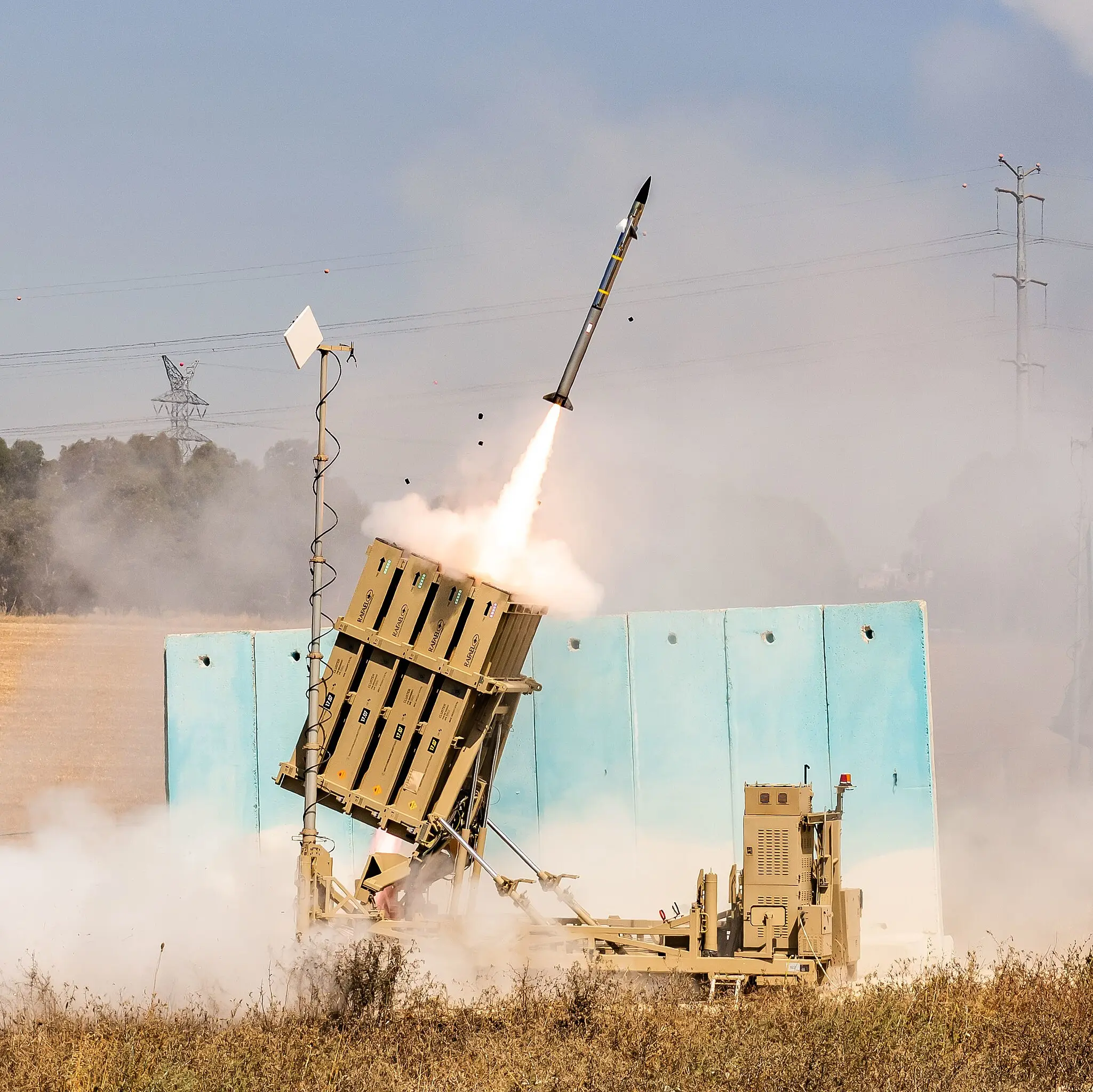
Can Israel intercept it?
Yes, Israel's Arrow systems are technologically capable of intercepting the Sejjil. However, the weapon's rapid launch capability and extreme terminal speed make it one of the most severe tests for Israel's defensive shield.
)
)
)
)
)