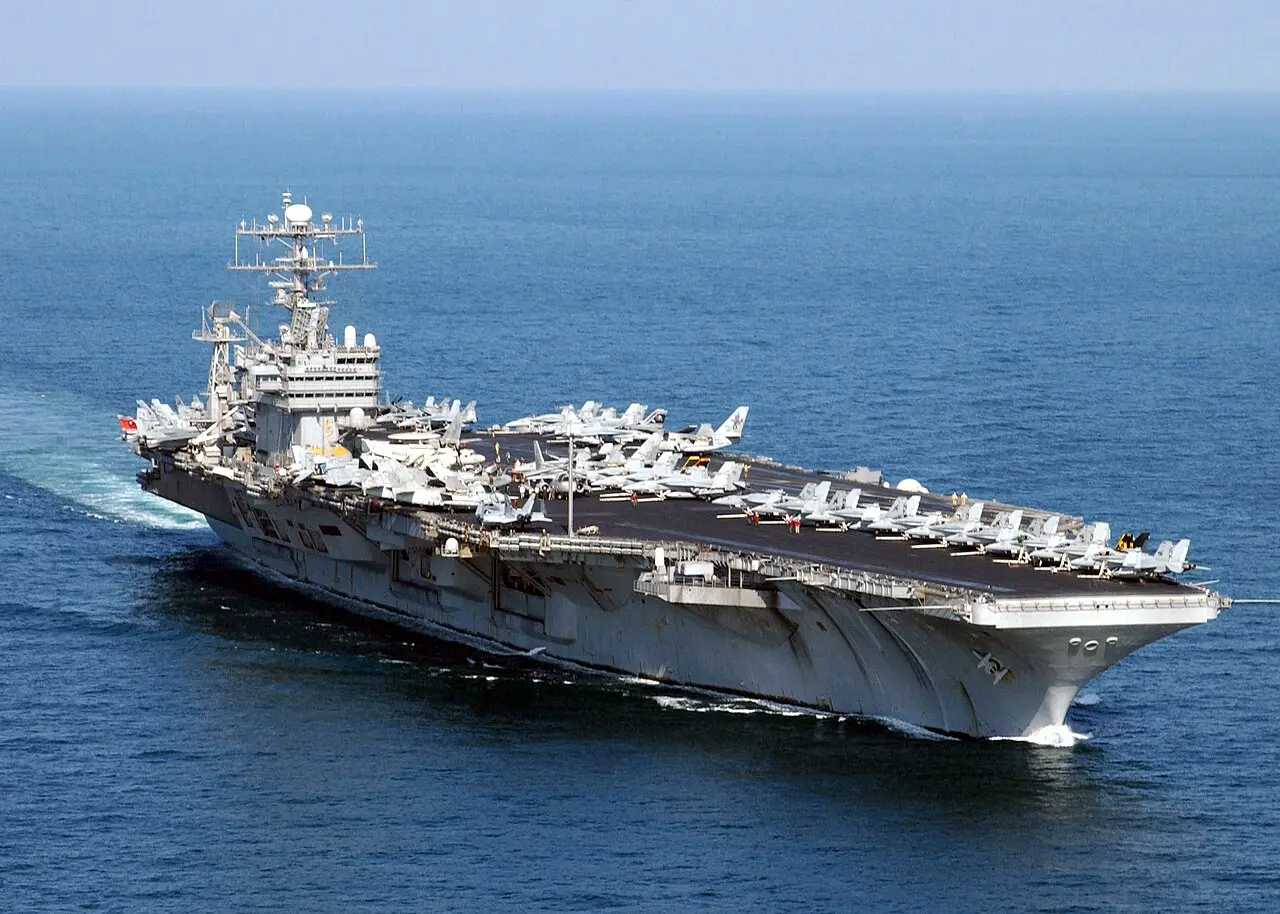
Can Iran really sink the USS Abraham Lincoln with its radar-evading low-altitude missiles?

Iran claims its radar-evading missiles can sink the USS Abraham Lincoln. While saturation attacks pose risks, the US Navy’s layered Aegis shield and carrier mobility make a successful hit highly unlikely.

Iranian missile claims
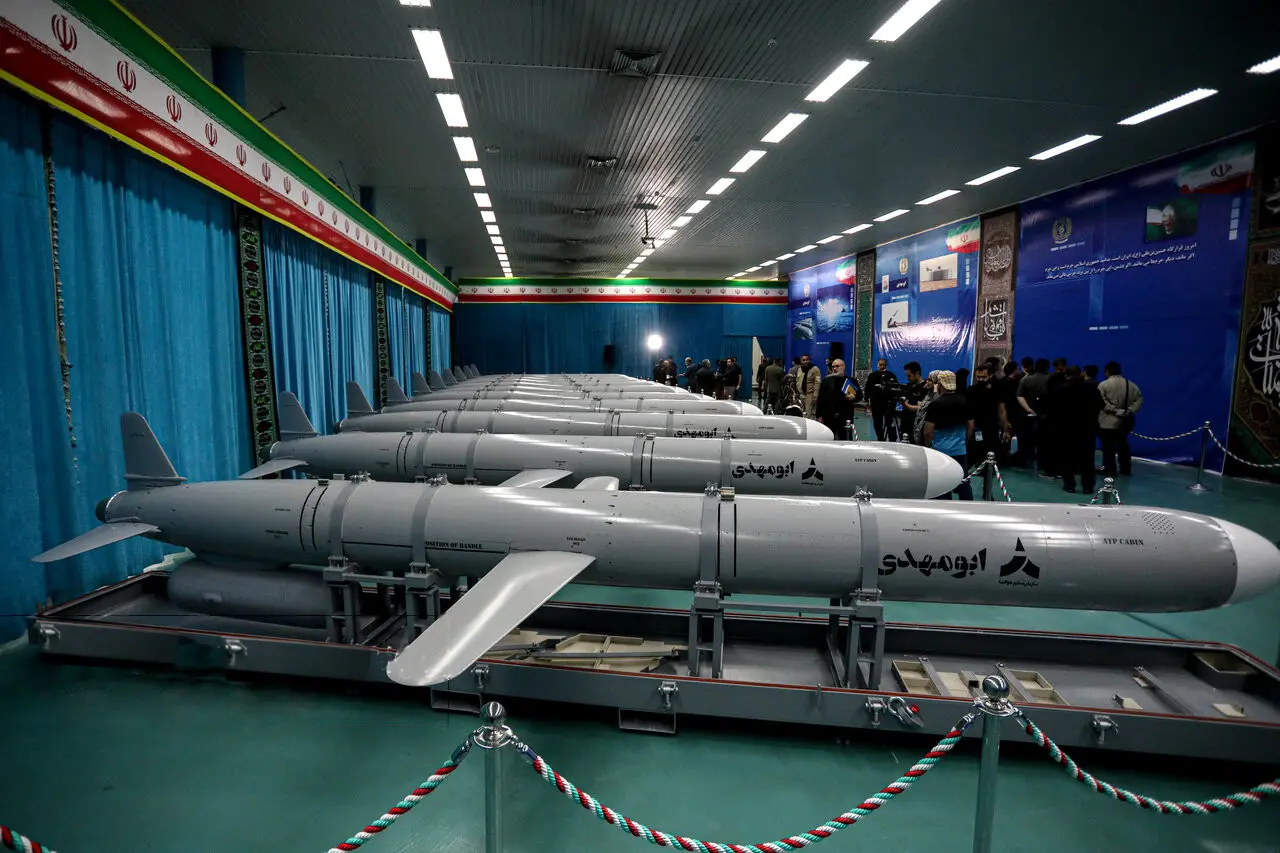
Iran asserts that its long-range missiles can force US carriers to retreat. The Abu Mahdi cruise missile features a reported range of 700 to 1,000 kilometres. It is designed to fly at very low altitudes to evade detection by ship-borne radar.
The sea-skimming threat
Low-altitude flight, or sea-skimming, allows missiles to hide below a ship's radar horizon. By staying close to the water, these weapons significantly reduce the reaction time for defenders. Iran uses this technology to target large surface vessels like aircraft carriers.
The first shield
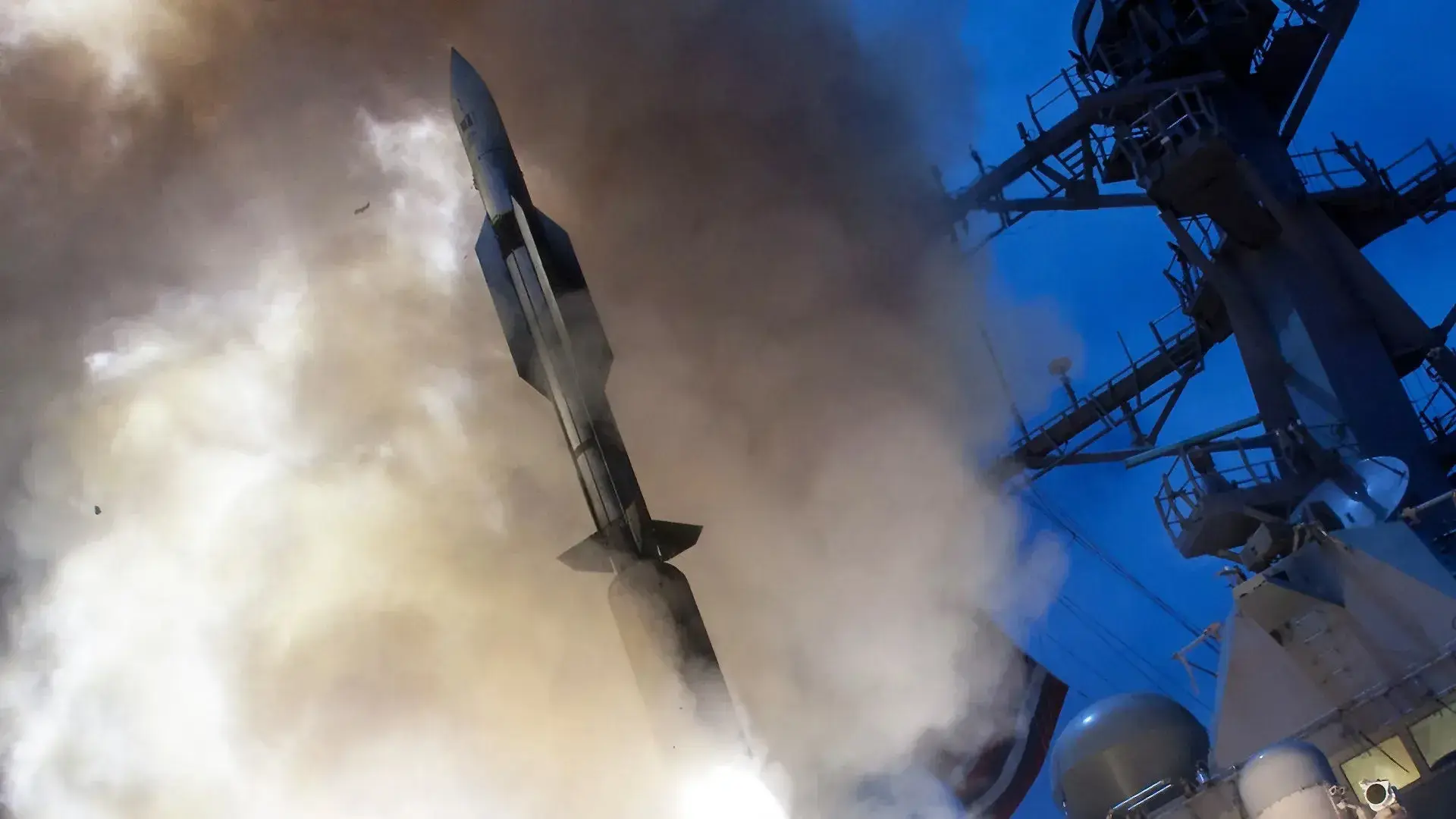
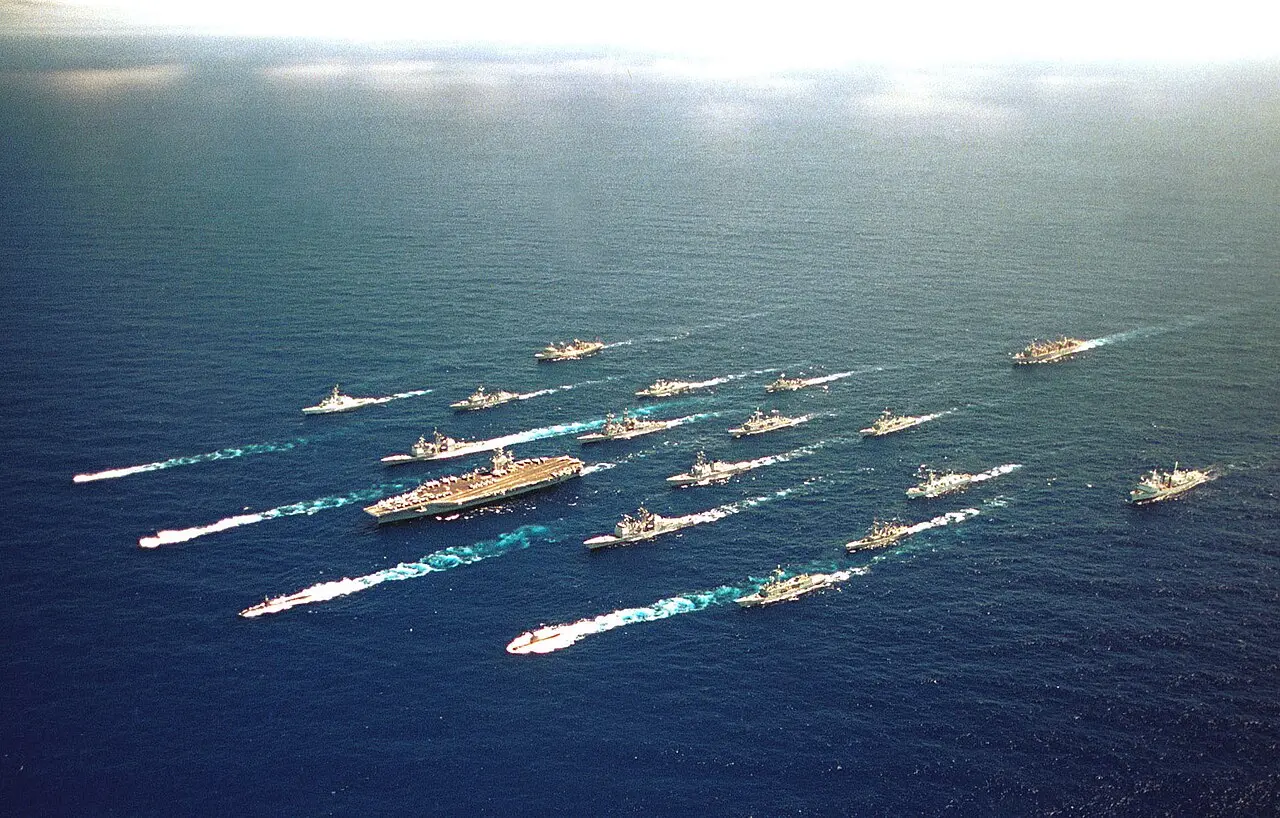
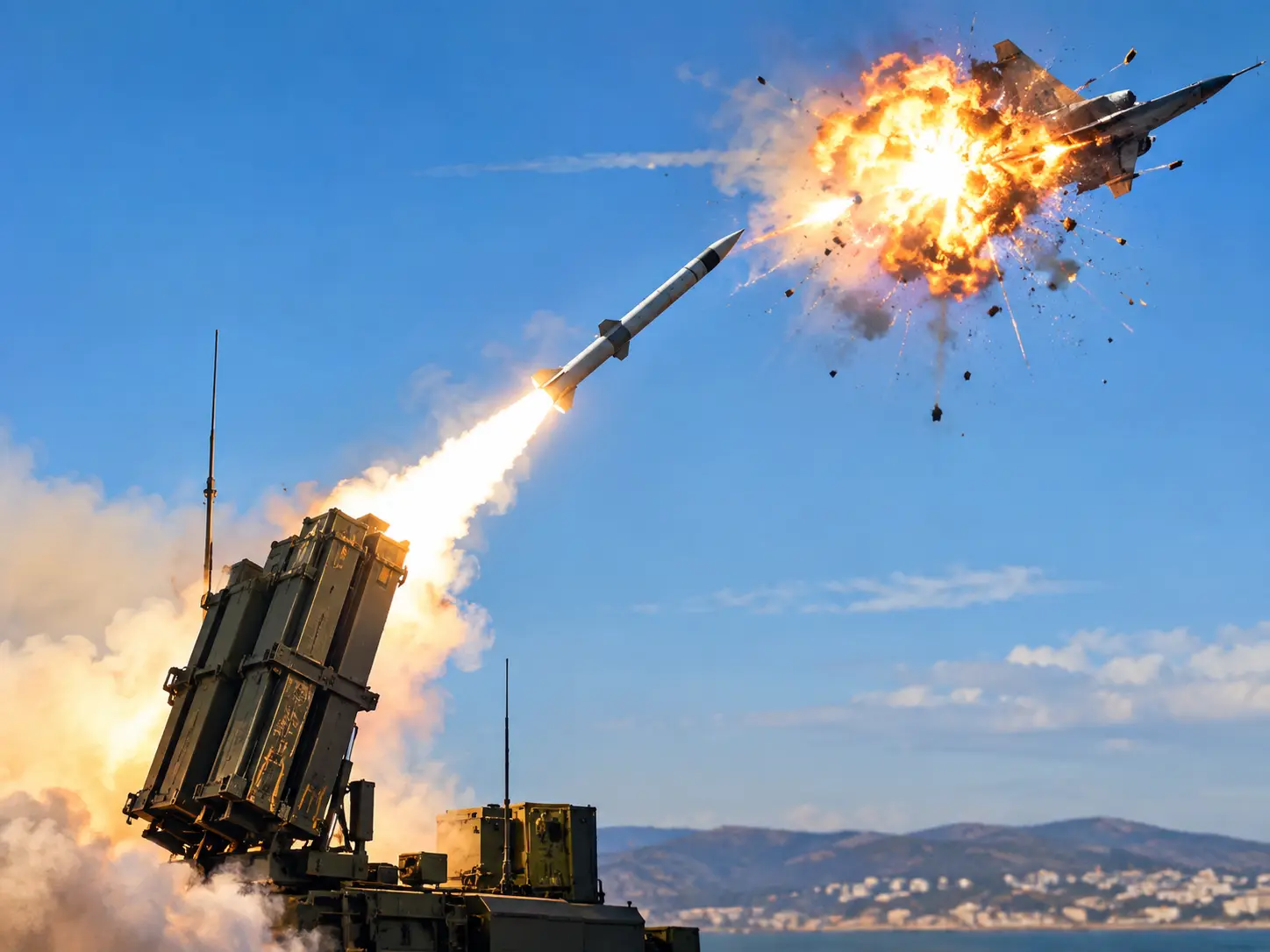
The USS Abraham Lincoln is protected by Aegis-equipped destroyers capable of tracking over 100 targets simultaneously. The system uses SM-6 interceptors to destroy incoming threats hundreds of kilometres away. This creates a robust outer belt of protection.
Radar-evading technology
Tehran claims the Abu Mahdi cruise missile uses AI-powered guidance and radar-absorbent materials to bypass electronic warfare. It features a dual-mode seeker (active and passive) to remain functional even when jammed. However, US defense suites like SEWIP Block III are specifically engineered to filter out "sea clutter" and distinguish these "stealthy" signatures. These systems can autonomously spoof or jam the missile’s seeker, causing it to lose its lock on the carrier before impact.
The saturation strategy
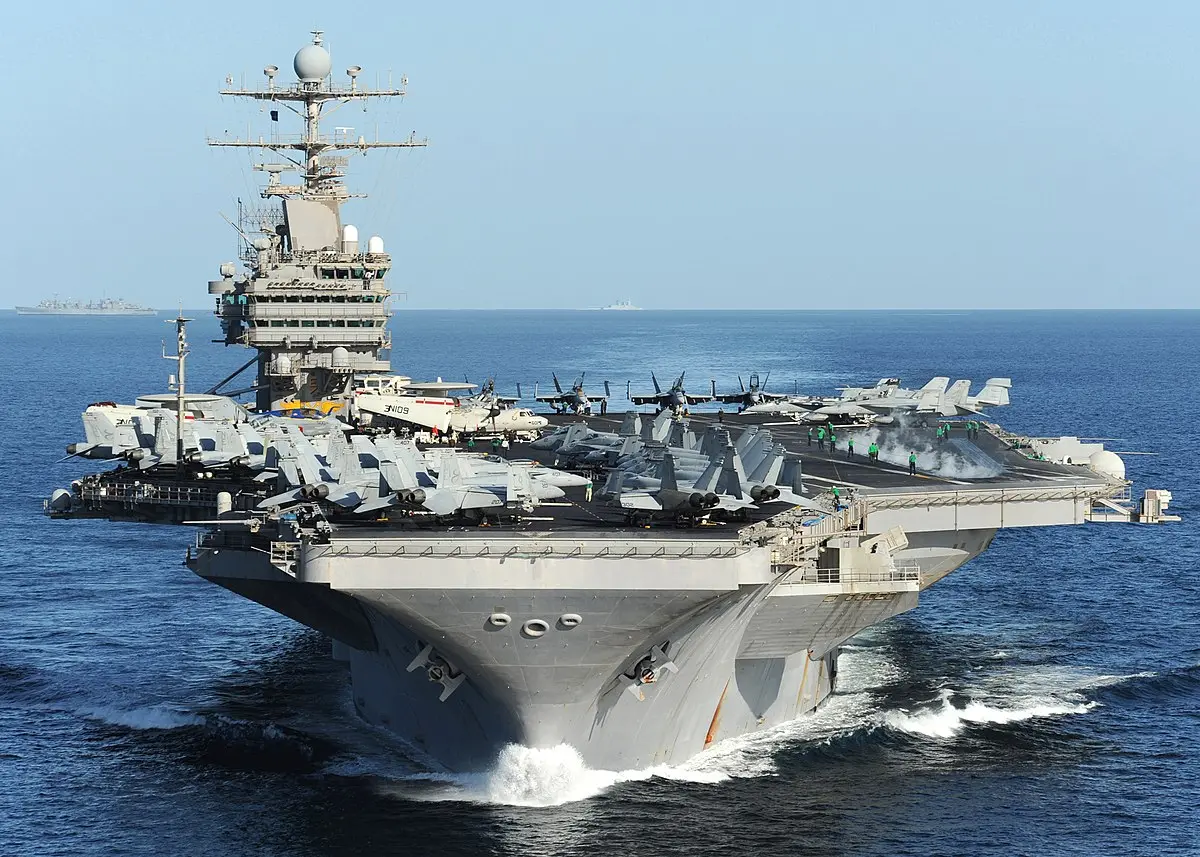
Iran's primary strategy relies on "saturation attacks" to overwhelm ship defences. This involves launching hundreds of drones and missiles in waves simultaneously. The goal is to exhaust a strike group's interceptor supply to let a lethal blow land.
The mobility factor
The USS Abraham Lincoln is a "moving fortress" rather than a stationary target. It can move at speeds exceeding 25 knots (46 km/h) and change direction frequently. This mobility makes it extremely difficult for long-range missiles to predict its location.

Close-in weapon systems
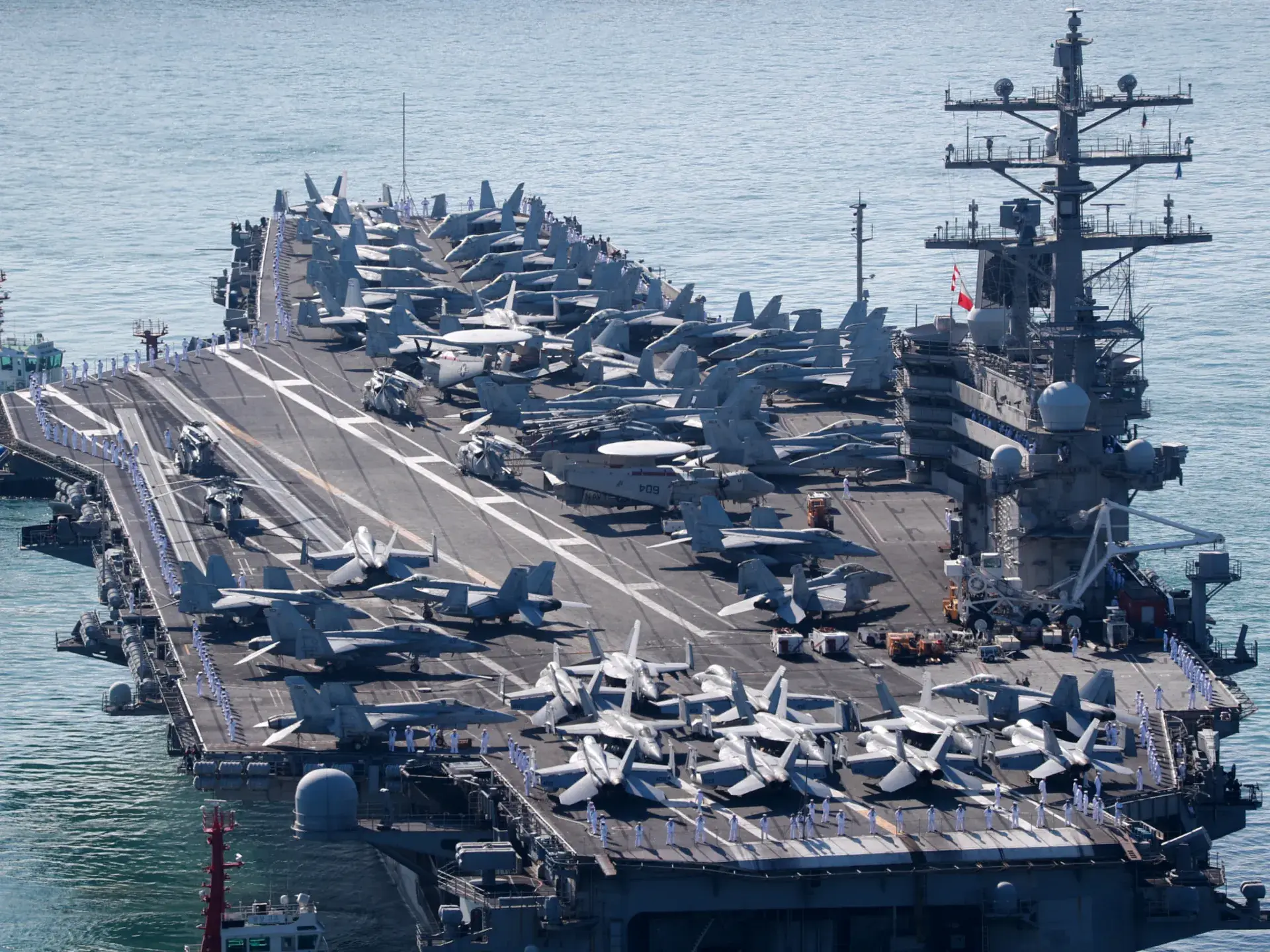
If a missile bypasses the outer interceptors, it faces the Phalanx CIWS and SeaRAM. These are the carrier's final line of defence for immediate self-protection. The Phalanx fires thousands of rounds per minute to shred missiles just before impact.
Intelligence and targeting
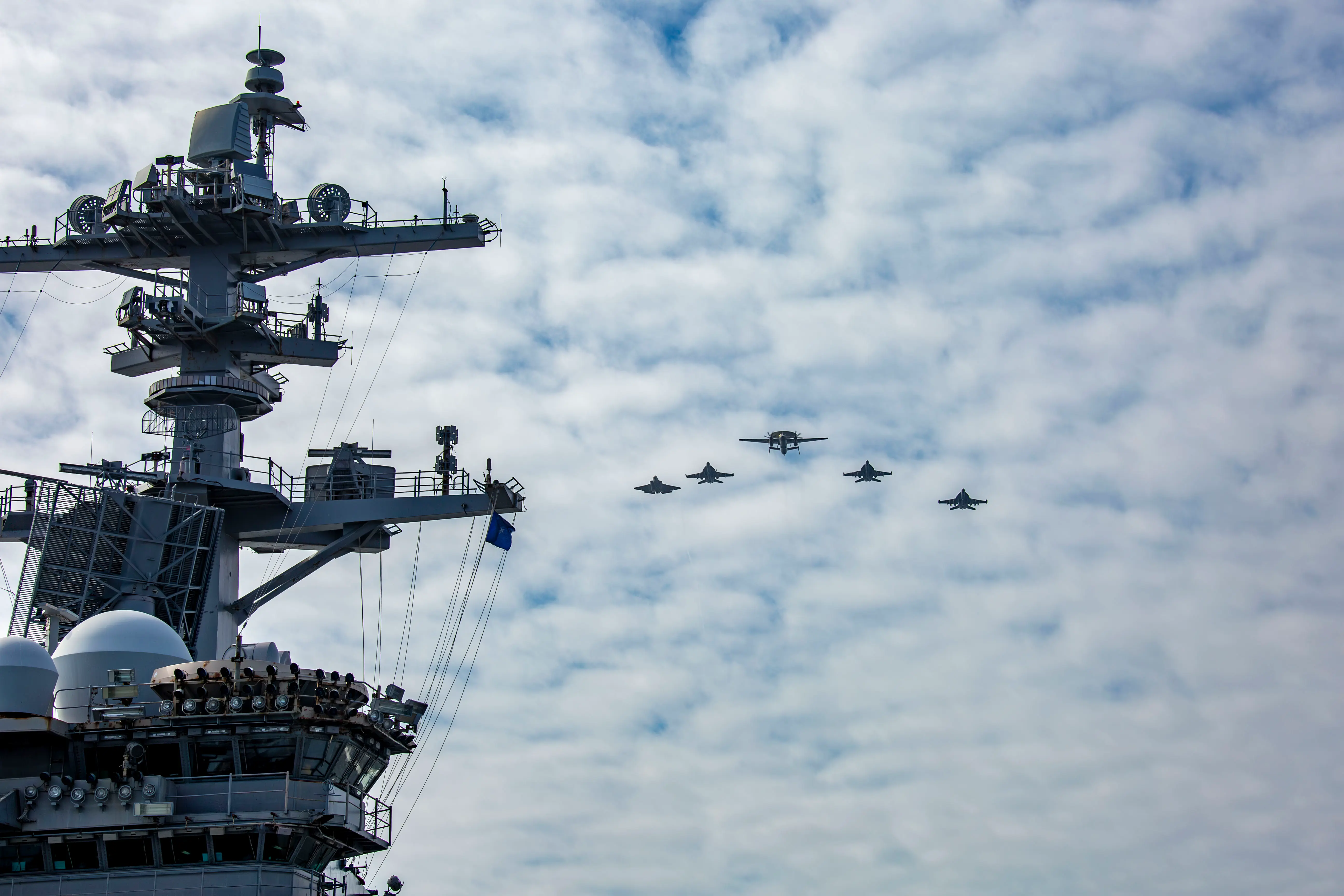
Sinking a moving carrier requires precise, near-real-time tracking. Iran significantly bolstered this capability in December 2025 by launching three domestically built satellites (Paya, Zafar-2, and Kowsar). The Paya satellite utilizes AI to enhance image resolution for maritime observation. While this narrows the "intelligence gap," experts argue that Iran still lacks the high-frequency, persistent "constellation" needed to track a carrier moving at 30 knots in real-time across the vast Arabian Sea.
Regional geographic risks
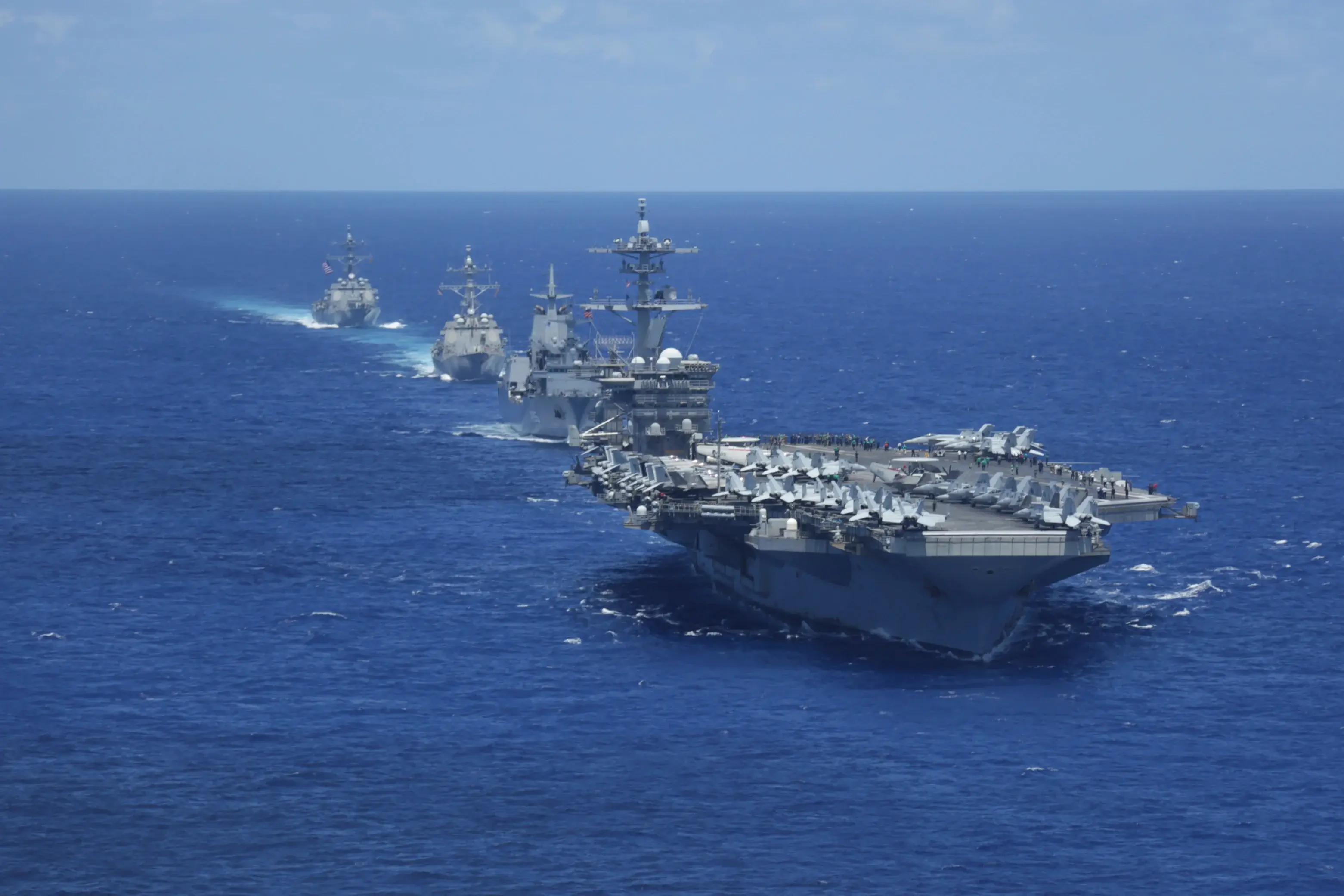
The threat is highest in confined waters like the Strait of Hormuz where movement is limited. To mitigate this, the US Navy often operates carriers in the open Arabian Sea. This provides more room to manoeuvre and deeper defensive layers.
Fact versus rhetoric
While Iranian missiles are potent, a successful sinking is considered highly unlikely by military analysts. The US Navy's layered defence is purpose-built for asymmetric threats. Sinking a 100,000-tonne nuclear ship remains a massive technical challenge.
)
)
)
)
)