Can India's S-400 shoot down Bangladesh's Eurofighter Typhoon over Bengal if needed?

While the Eurofighter Typhoon is a formidable "4.5-generation" jet, placing 16 of them next to India’s S-400 batteries creates a tactical nightmare for the Bangladesh Air Force (BAF). Geography and physics are heavily stacked against Dhaka.
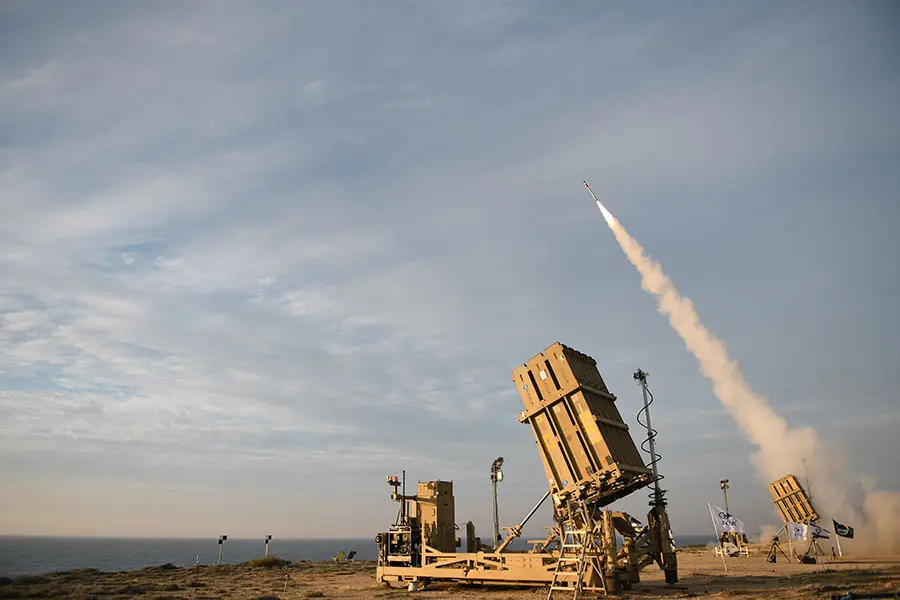
1. The "Zero Depth" Trap
Bangladesh is geographically small and surrounded by India on three sides. This creates a fatal problem: Strategic Depth. An Indian S-400 battery deployed near the Siliguri Corridor or Hasimara has a tracking radius of 600 km and a kill radius of 400 km. This covers nearly the entirety of Bangladesh’s airspace. A BAF Typhoon taking off from Kurmitola (Dhaka) is inside the S-400’s lethal envelope the moment its wheels retract.
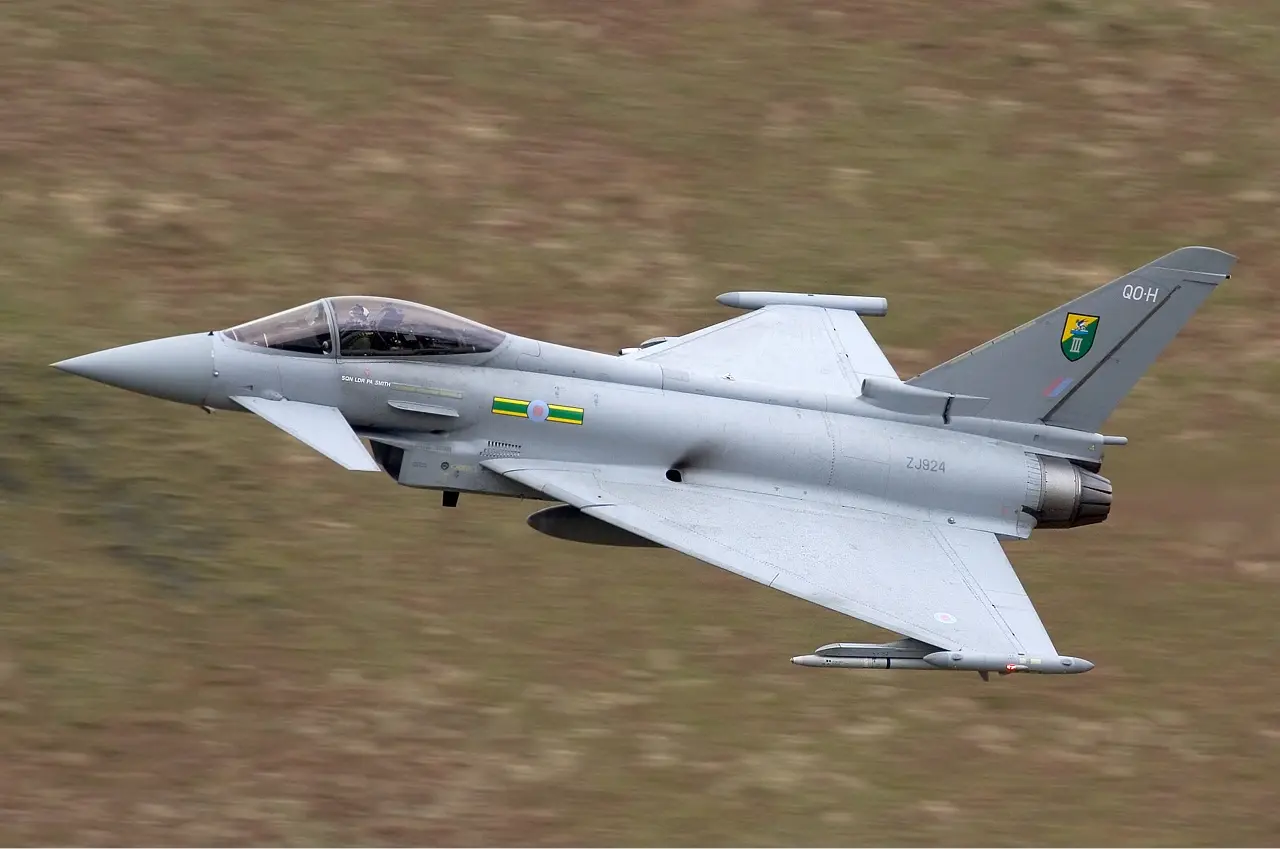
2. It’s Not a Stealth Fighter
The Eurofighter Typhoon is stealthy, but it is not stealth. It has a reduced radar cross-section (RCS) compared to an F-16, but it is not an F-35 or F-22. The S-400’s massive 91N6E radar is designed specifically to detect "low-observable" targets. Against a non-stealth delta-wing jet like the Typhoon, the S-400 will likely achieve a weapons-grade lock at ranges of 200+ km, leaving the pilot nowhere to hide.
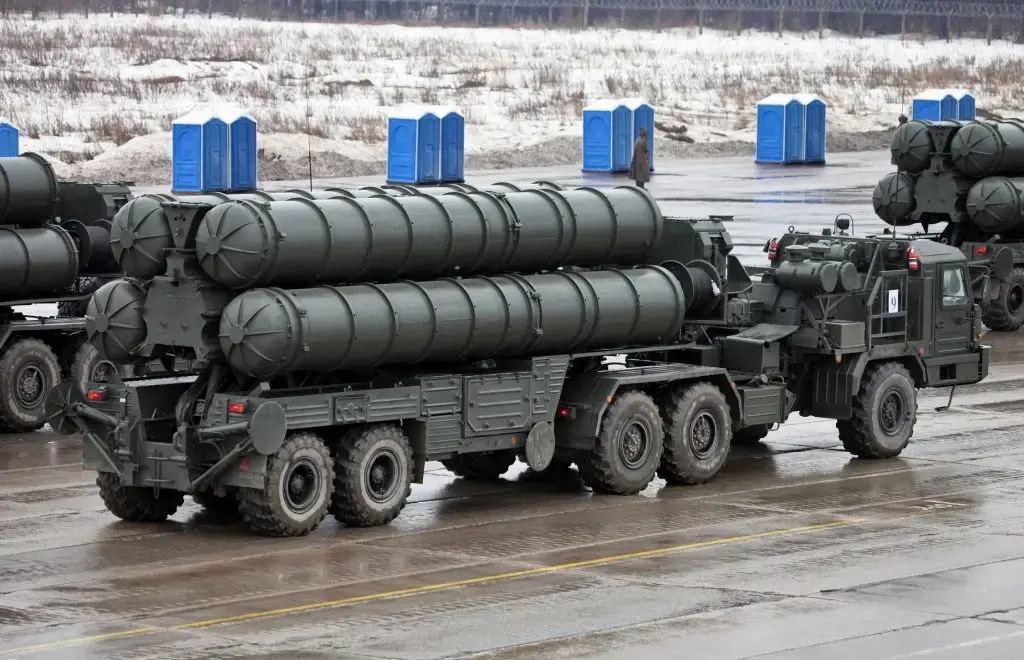
3. The "Takeoff" Kill Shot
In a conflict, BAF pilots would need to gain altitude to use their own missiles (like the Meteor) effectively. The moment they climb above the radar horizon (roughly 100 meters), they become visible to Indian radars. This forces them to stay dangerously low, hugging the terrain, which neutralizes their own speed and range advantages while burning fuel rapidly.
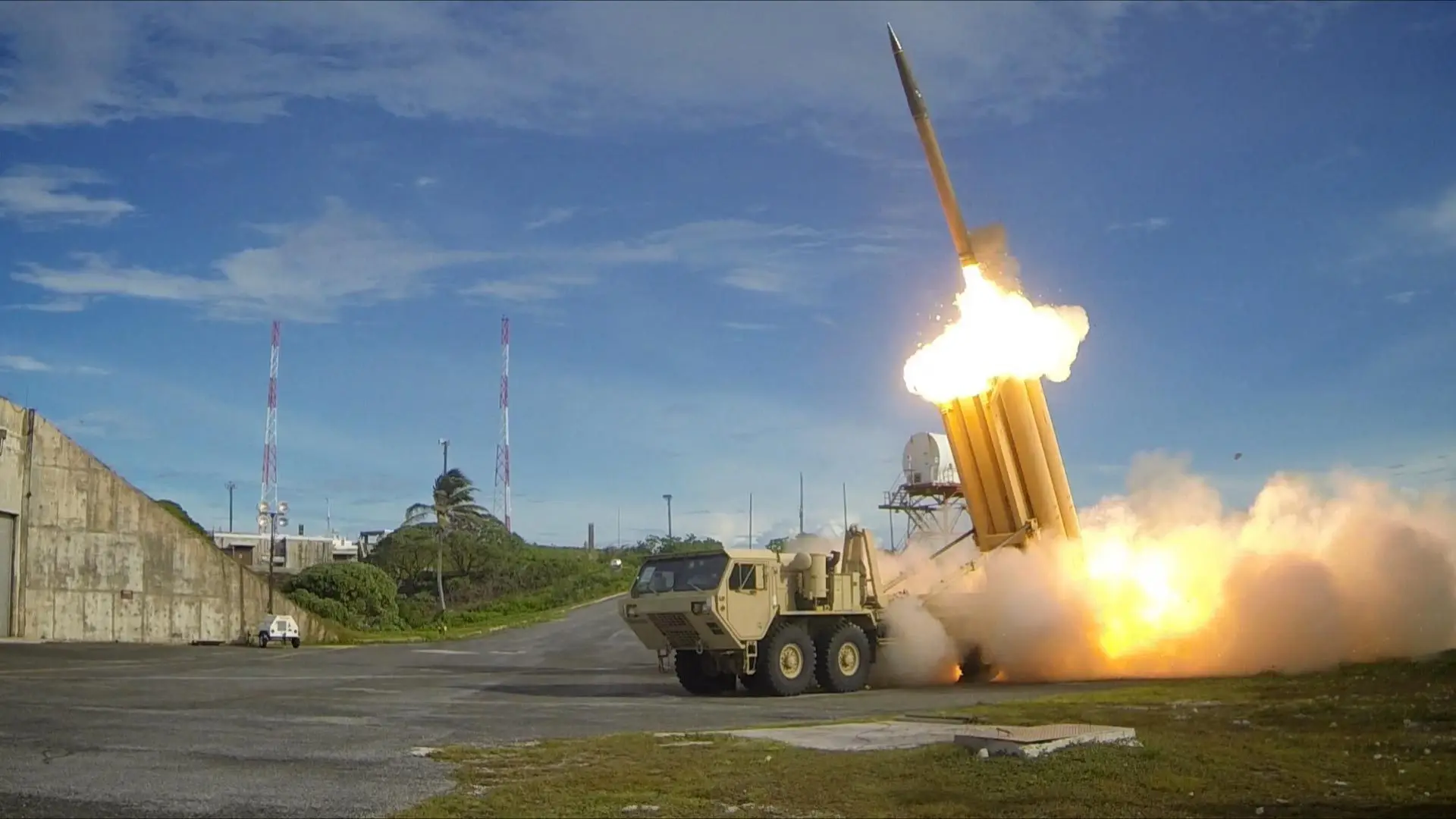
4. The "Praetorian" vs. "Triumf" Duel
The Typhoon’s best defense is its Praetorian DASS (Defensive Aids Sub-System), widely considered one of the best electronic warfare suites in the world. It can jam radars and tow decoys. However, the S-400 is designed with "burn-through" capability to overpower jammers. In a duel between a single jet’s jammer and a massive ground-based radar grid, the ground radar usually wins.
5. Overwhelming Saturation
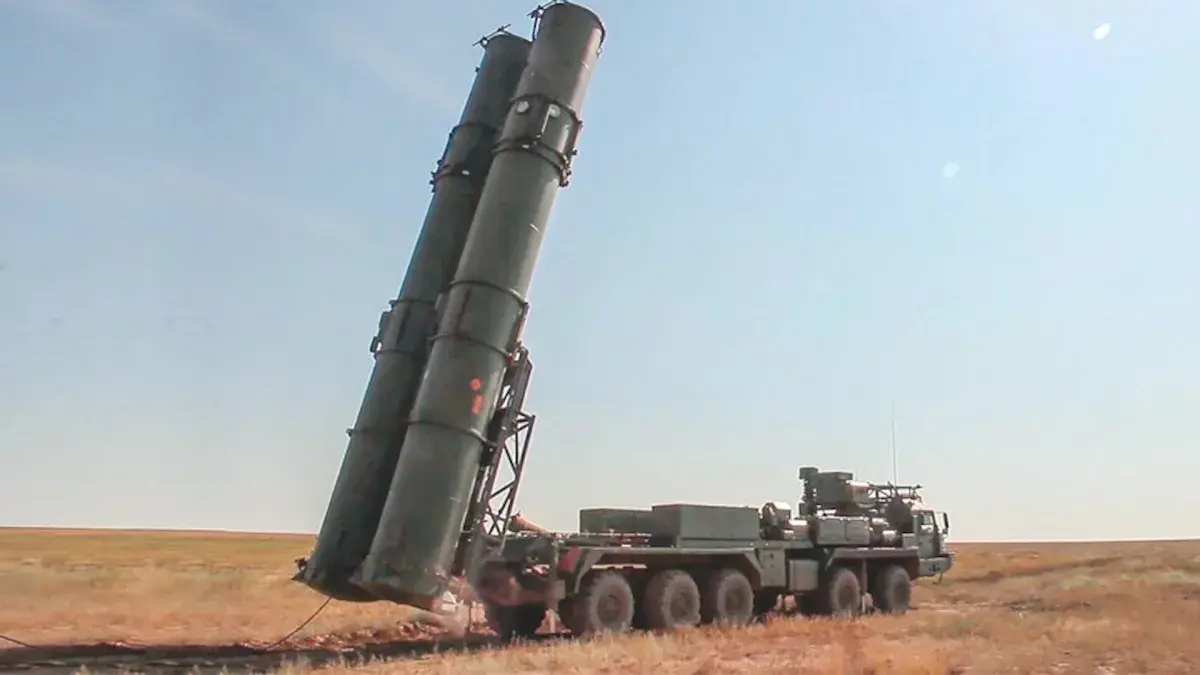
India doesn't just rely on one missile. An S-400 battery can launch multiple interceptors (like the 48N6 and 9M96) simultaneously at a single target. A squadron of 16 Typhoons would face a "wall" of Indian interceptors. Even if the Typhoons evade the first wave, they would bleed all their energy (speed) trying to survive, making them sitting ducks for the second wave or patrolling Indian Rafales.
6. The "Shoot-and-Scoot" Failure
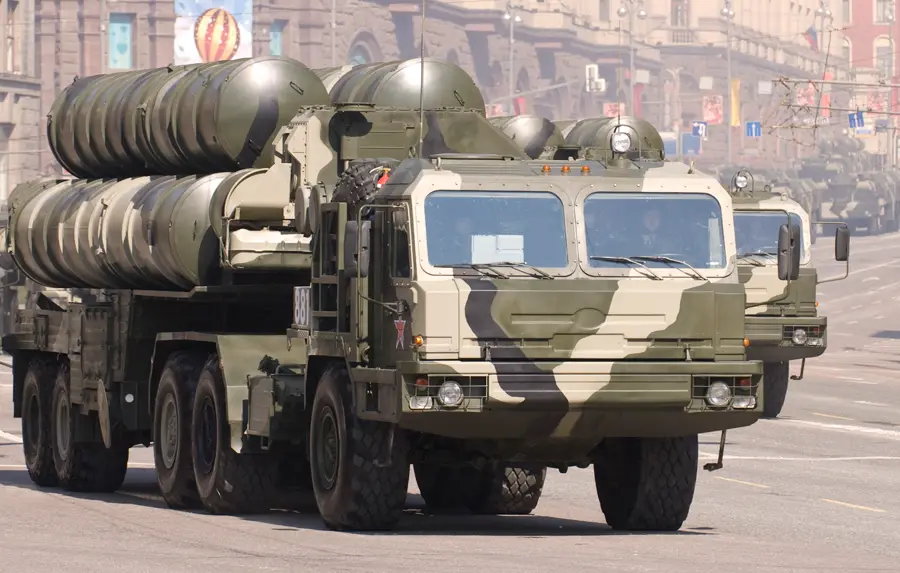
Typhoons rely on speed to fire missiles and escape ("Shoot and Scoot"). But against the S-400, there is no "safe zone" to scoot to. Since the S-400’s range extends deep into Bangladeshi airspace, a Typhoon retreating to land is still a valid target until it is practically on the runway.
7. The "Network" Advantage
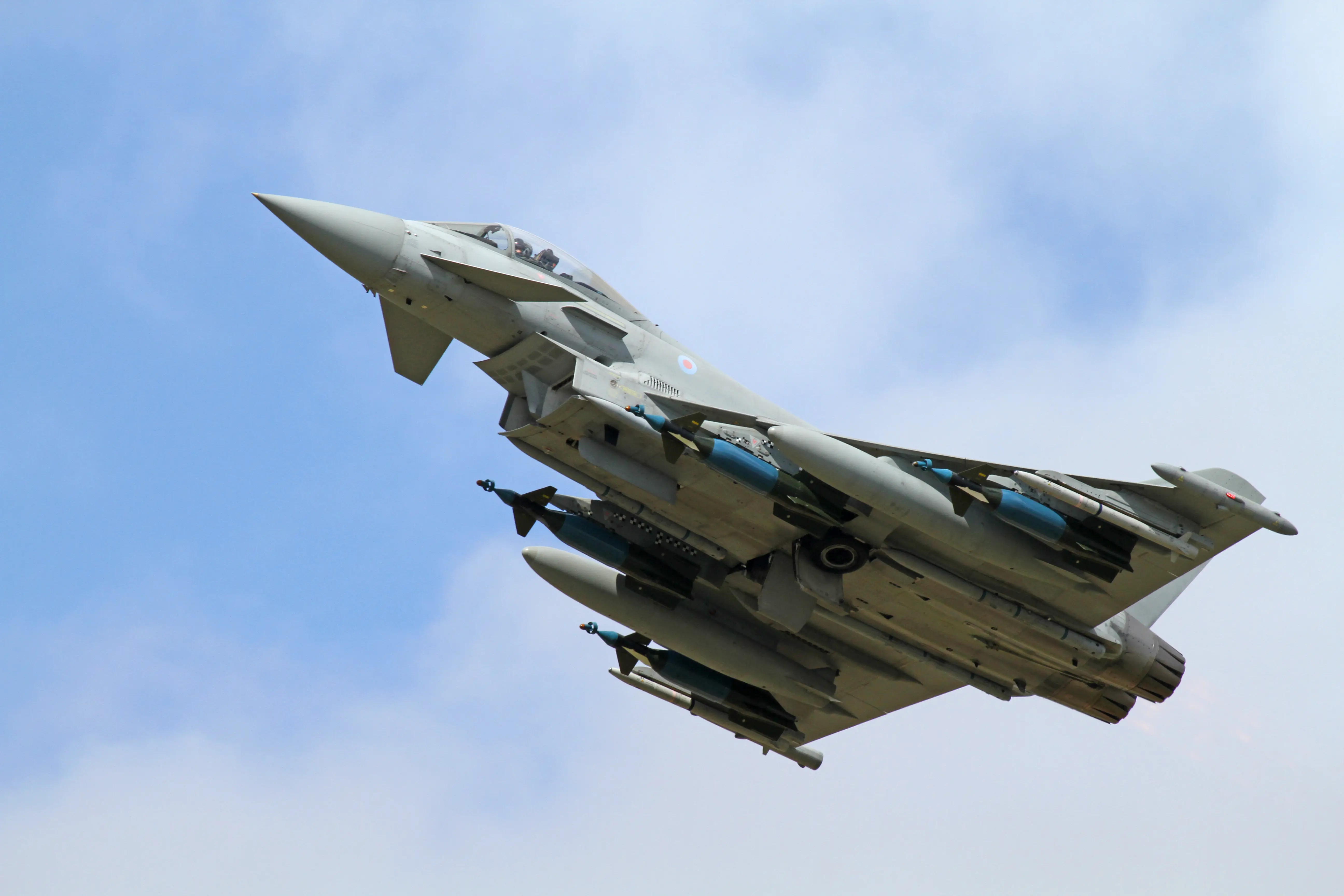
The S-400 is not working alone. It is integrated into India’s IACCS (Integrated Air Command and Control System). This means data from AWACS planes, Rafale sensors, and ground radars is fused instantly. If the S-400 radar is momentarily jammed, an Indian Su-30MKI or Netra AWACS can datalink the Typhoon's coordinates to the missile battery, bypassing the jamming entirely.
)
)
)
)
)