Can India’s Rafale evade Iran’s air defence system after being exposed by B-2 bombers?

India’s Rafale fighter jet is known for its versatility, agility, and advanced electronics. But how would it perform if, hypothetically, it were tasked with penetrating Iranian airspace, a region protected by one of the most layered and sophisticated air defence networks in the Middle East?
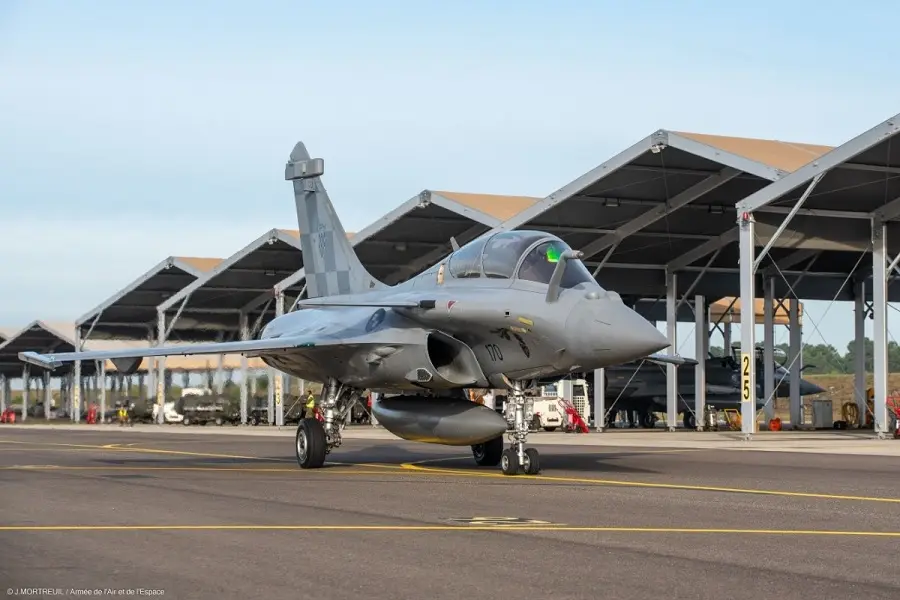
What the Rafale Brings to the Table
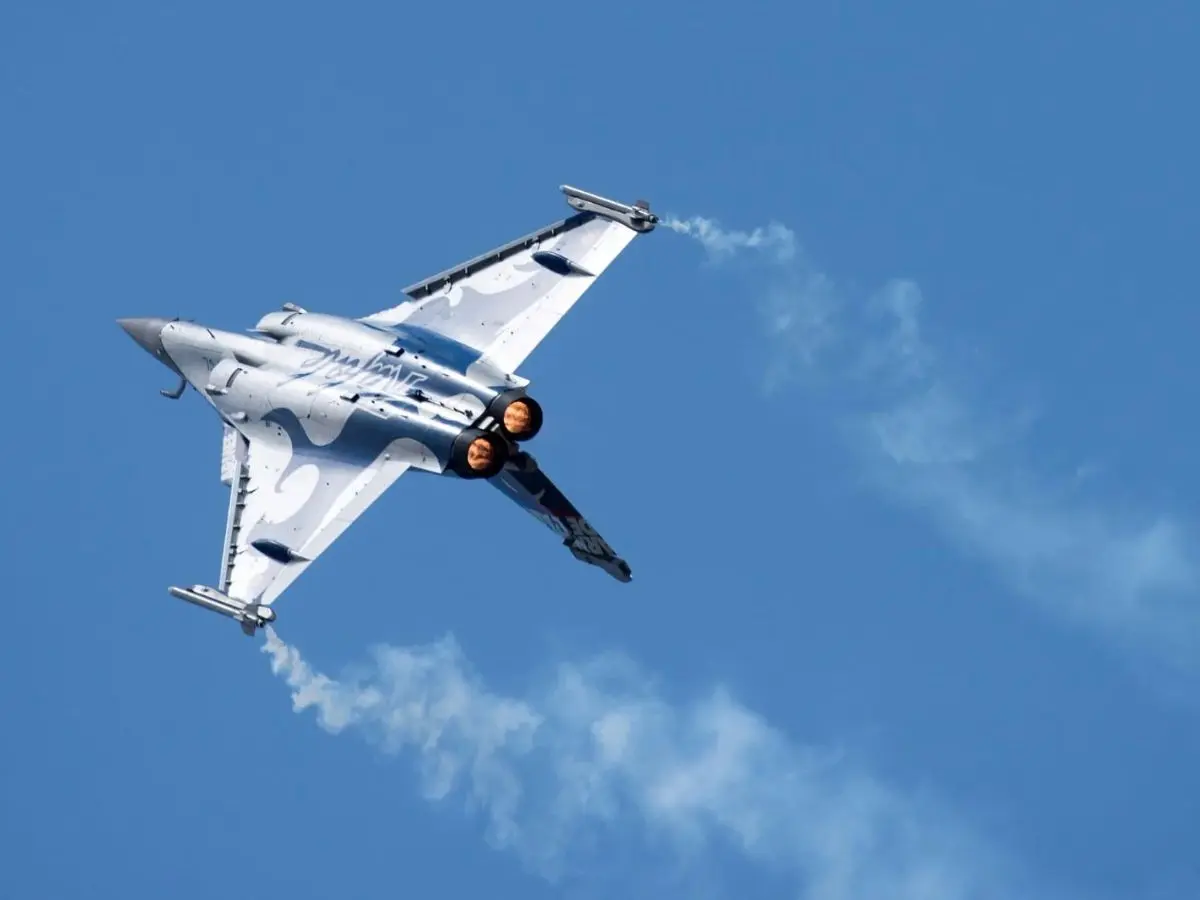
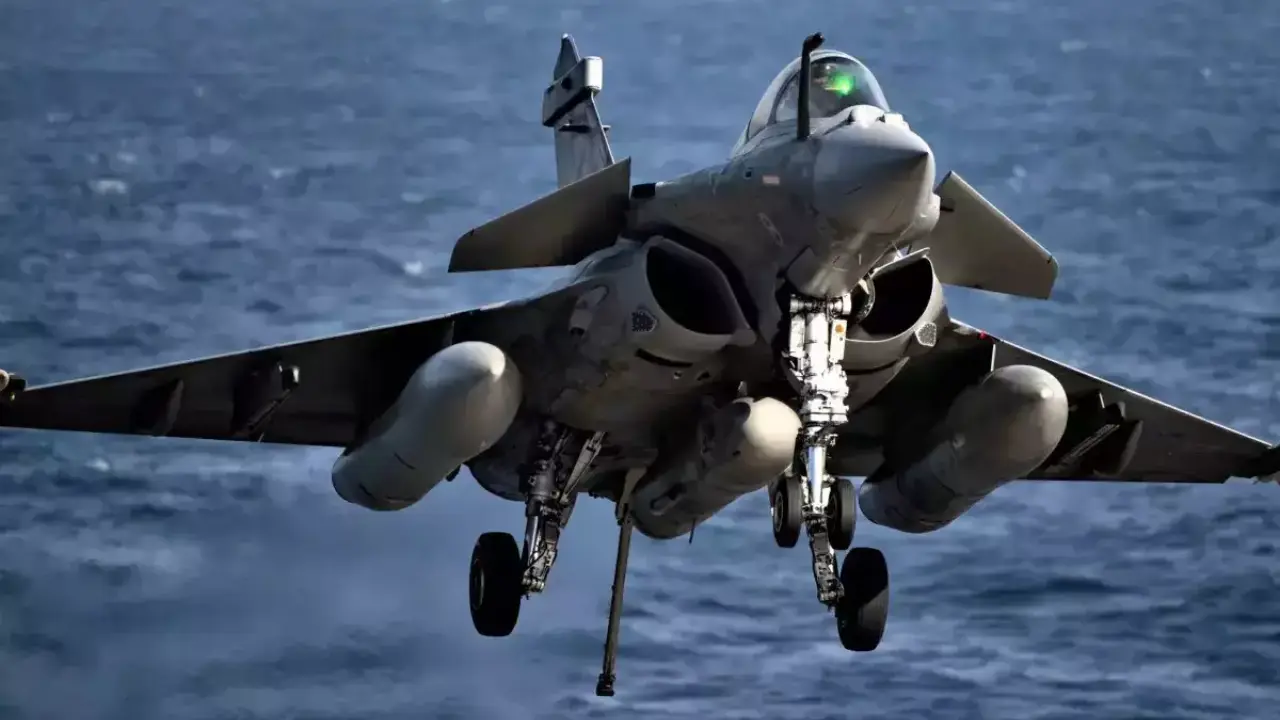
The Rafale, manufactured by Dassault Aviation, is one of the most advanced multi-role fighter jets in India’s arsenal. It comes equipped with an RBE2 Active Electronically Scanned Array (AESA) radar, advanced avionics, and a highly effective SPECTRA electronic warfare suite. This suite is designed to detect and jam enemy radars, deploy decoys, and protect the jet against incoming missile threats. India’s Rafales are also armed with long-range weapons like the Meteor air-to-air missile and the SCALP cruise missile, giving them the ability to strike deep into enemy territory from a standoff distance. Together, these features make the Rafale a formidable platform for strike missions in contested airspace.
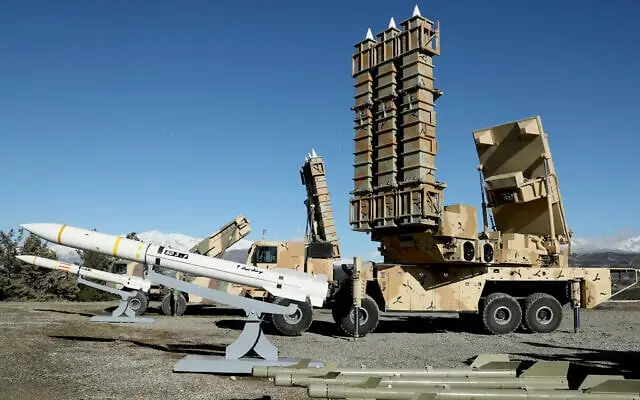
Iran’s Layered Air Defence
Iran maintains a dense, multi-layered air defence system, which includes both domestically developed and imported technologies. Key systems include the Bavar-373, a long-range surface-to-air missile system often compared to Russia’s S-300, along with other platforms such as the S-200, Khordad-15, and the Mersad. These systems are supported by early warning radars and mobile launchers, creating overlapping zones of detection and engagement. Iran has also invested heavily in passive detection technology and electronic surveillance to monitor low-RCS (radar cross-section) targets. Any aircraft attempting to penetrate this environment would need to evade or suppress multiple threat layers simultaneously.
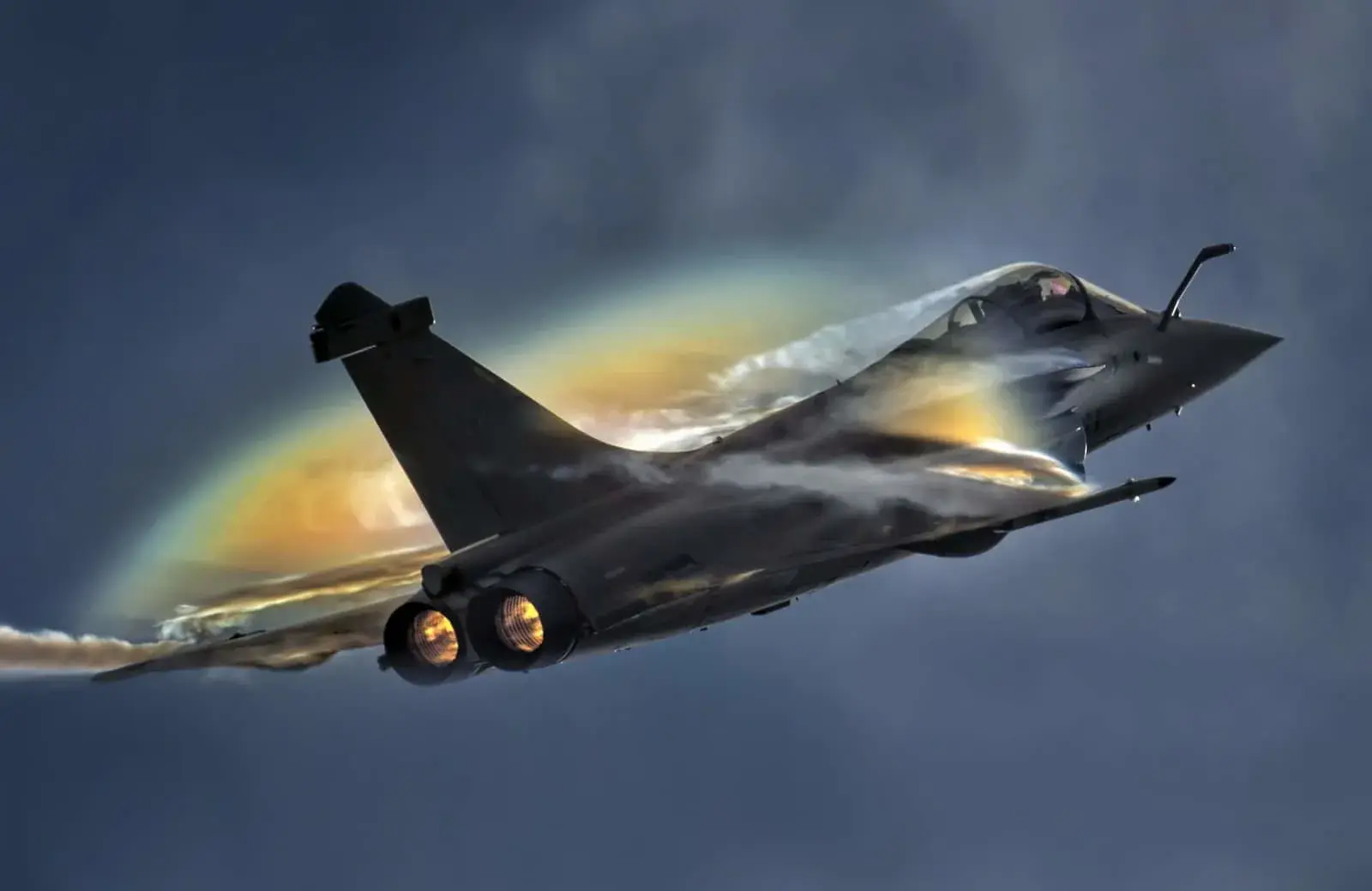
A Hypothetical Strike Mission
In a simulated strike scenario, a Rafale mission would likely involve flying at low altitude to avoid radar detection, using terrain-following flight paths. The aircraft would activate its SPECTRA suite to jam and deceive enemy radars while staying outside the engagement envelope of long-range SAMs. The use of SCALP cruise missiles would allow the Rafale to launch precision strikes from over 500 kilometres away without entering hostile airspace. For added safety, Rafales could rely on real-time intelligence from airborne early warning systems and satellite feeds to map radar zones and identify blind spots. The goal would be to complete the mission without triggering a full-scale air defence response.
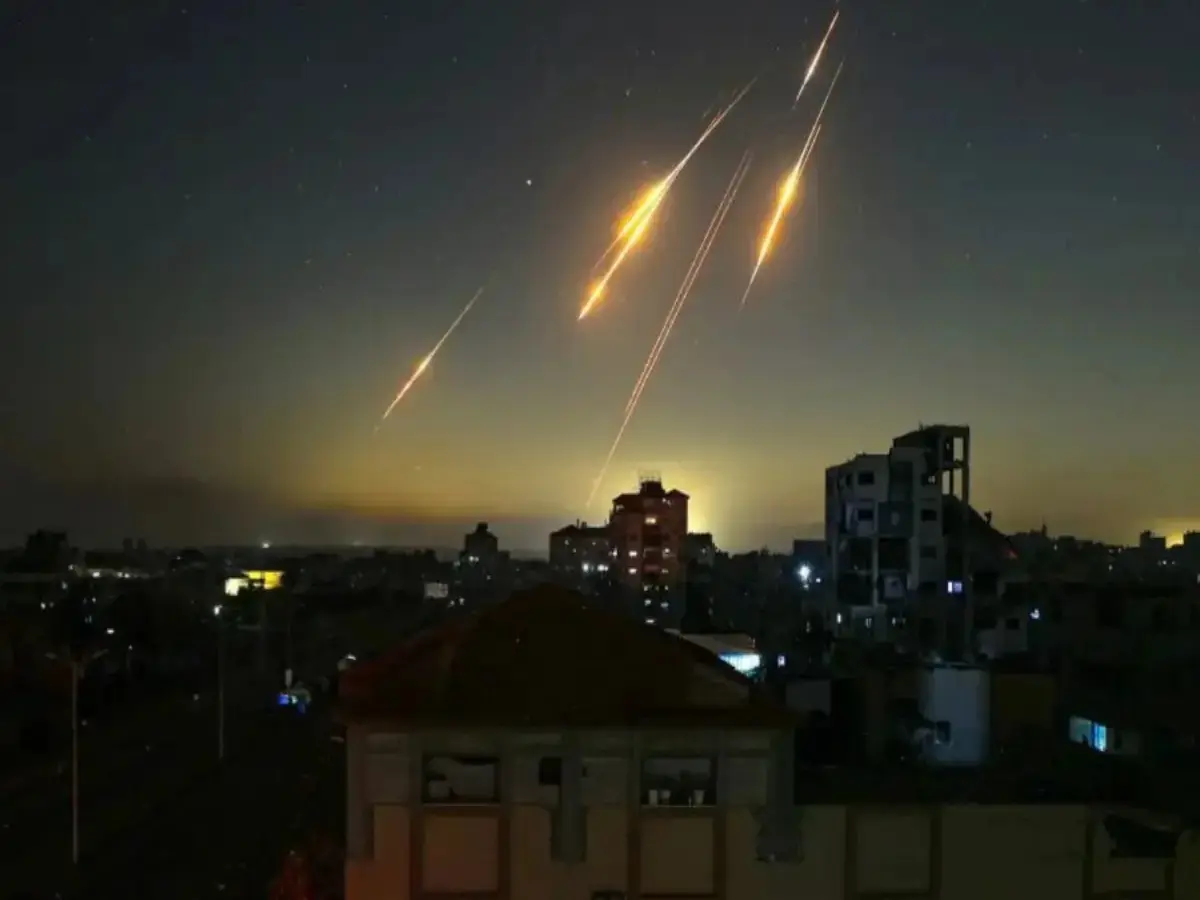
Could Iran Detect or Intercept It?
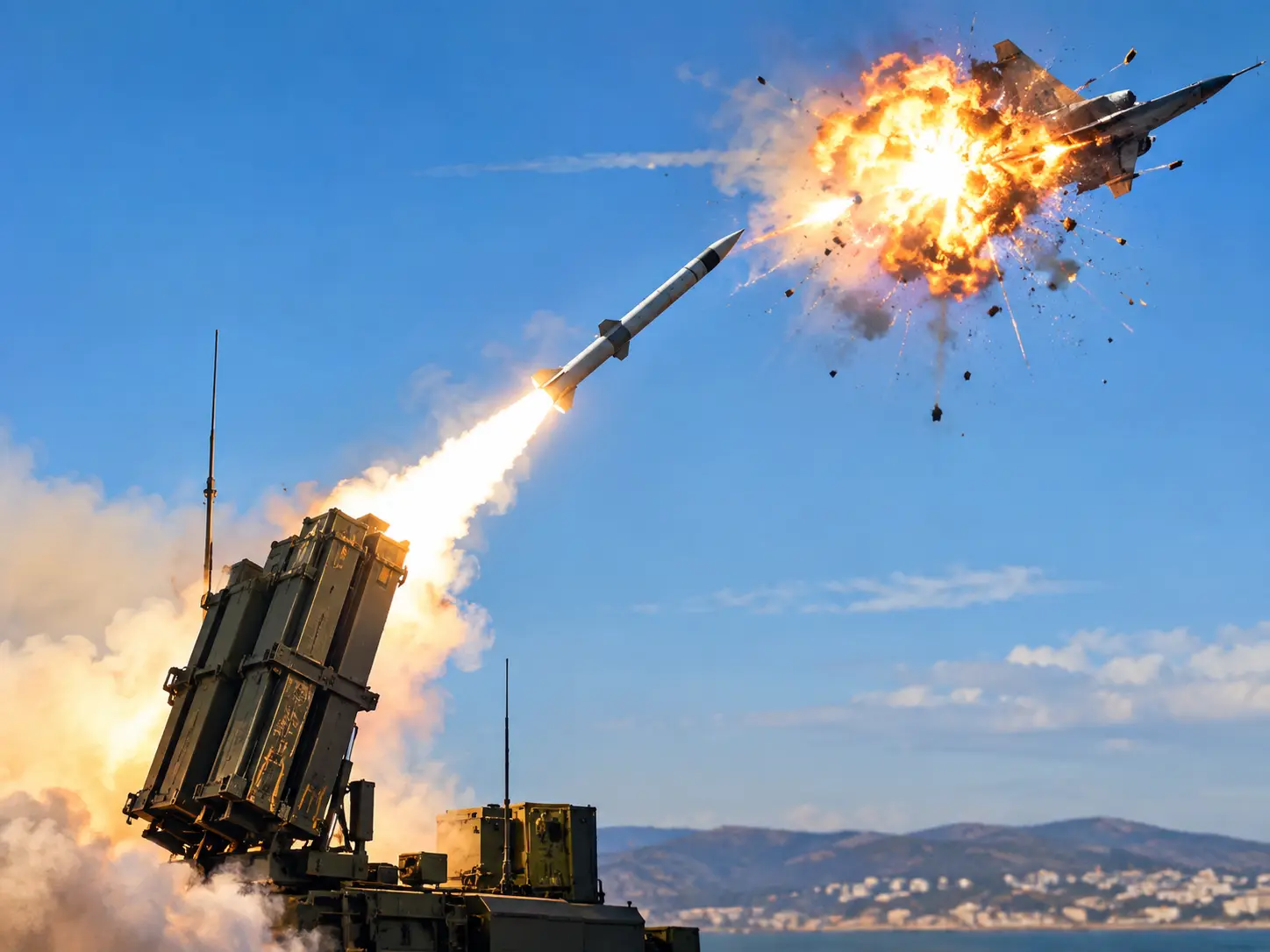
Iran’s air defence systems are designed to detect a variety of aerial threats, including fighter jets, drones, and cruise missiles. While the Rafale is not a full stealth aircraft, its reduced radar cross-section and advanced electronic countermeasures give it a significant advantage. However, if multiple Rafales were involved in a strike or if the aircraft lingered too long in contested zones, the risk of detection and engagement would increase. Iran’s long-range radars and SAMs could theoretically track the Rafale, particularly if it ascended to higher altitudes or lost the element of surprise. Interception would depend on how early the threat was detected and whether radar jamming was effective.
What Experts Say
Military analysts suggest that the Rafale’s real strength lies in single-strike, high-speed missions with maximum electronic masking. Experts note that the SPECTRA system offers one of the best integrated electronic warfare capabilities among 4.5-generation fighters, allowing it to spoof radar and delay detection. However, analysts also point out that while the Rafale can perform deep-penetration strikes, sustained operations in a heavily fortified region like Iran would require additional assets, including drones for reconnaissance, anti-radiation missiles for suppression, and possibly stealthier platforms for follow-up missions. The key would be strategic planning, minimal exposure, and absolute precision.
Simulation, Not Provocation
This information presents a technical and strategic simulation, not a forecast of conflict or aggression. It aims to assess how one of India’s most capable jets would handle a hypothetical high-risk scenario involving advanced air defences. Such simulations help understand modern aerial combat dynamics and highlight the importance of electronic warfare, tactical planning, and survivability. In reality, both India and Iran pursue defence modernisation to safeguard sovereignty, and scenarios like these remain theoretical exercises in defence journalism.
)
)
)
)
)