Can fighter jets ever fly silently? Here’s what science says

Fighter jets are very loud because of their powerful engines and high-speed airflow. The combination of powerful engines, shockwaves, and turbulent airflow creates intense noise. Even stealth jets can't fly silently. Here's why jet noise is unavoidable, no matter the technology.
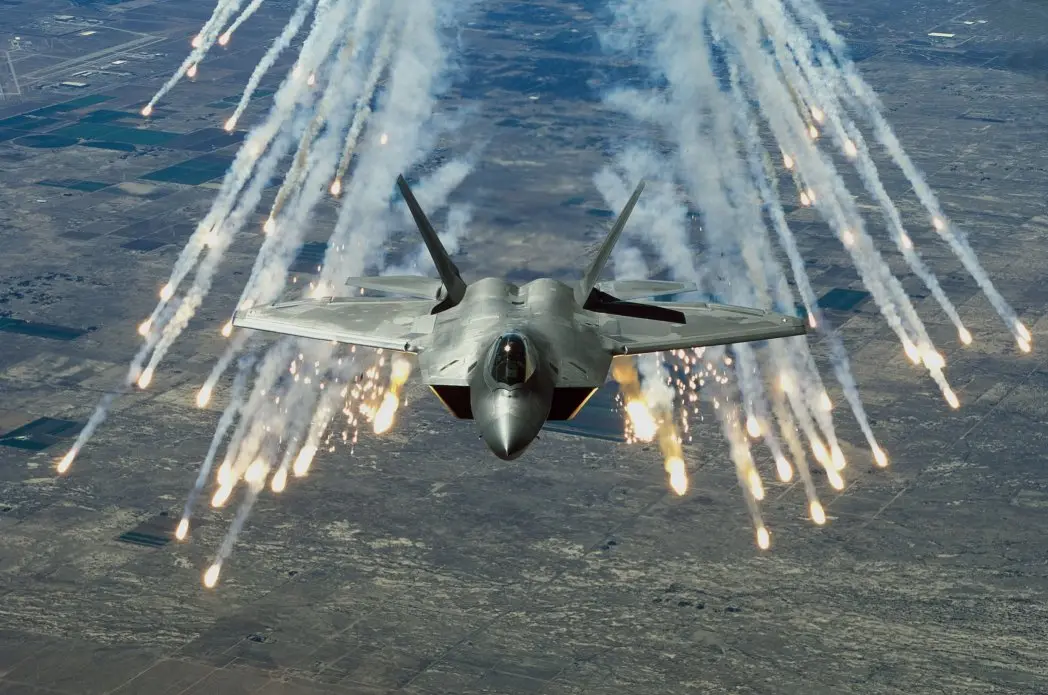
Why so loud?
Fighter jets use low-bypass jet engines and afterburners to go supersonic and climb fast. These engines push out huge amounts of hot air at high speed, leading to a deafening roar that can reach up to 153 decibels louder than an ambulance siren.
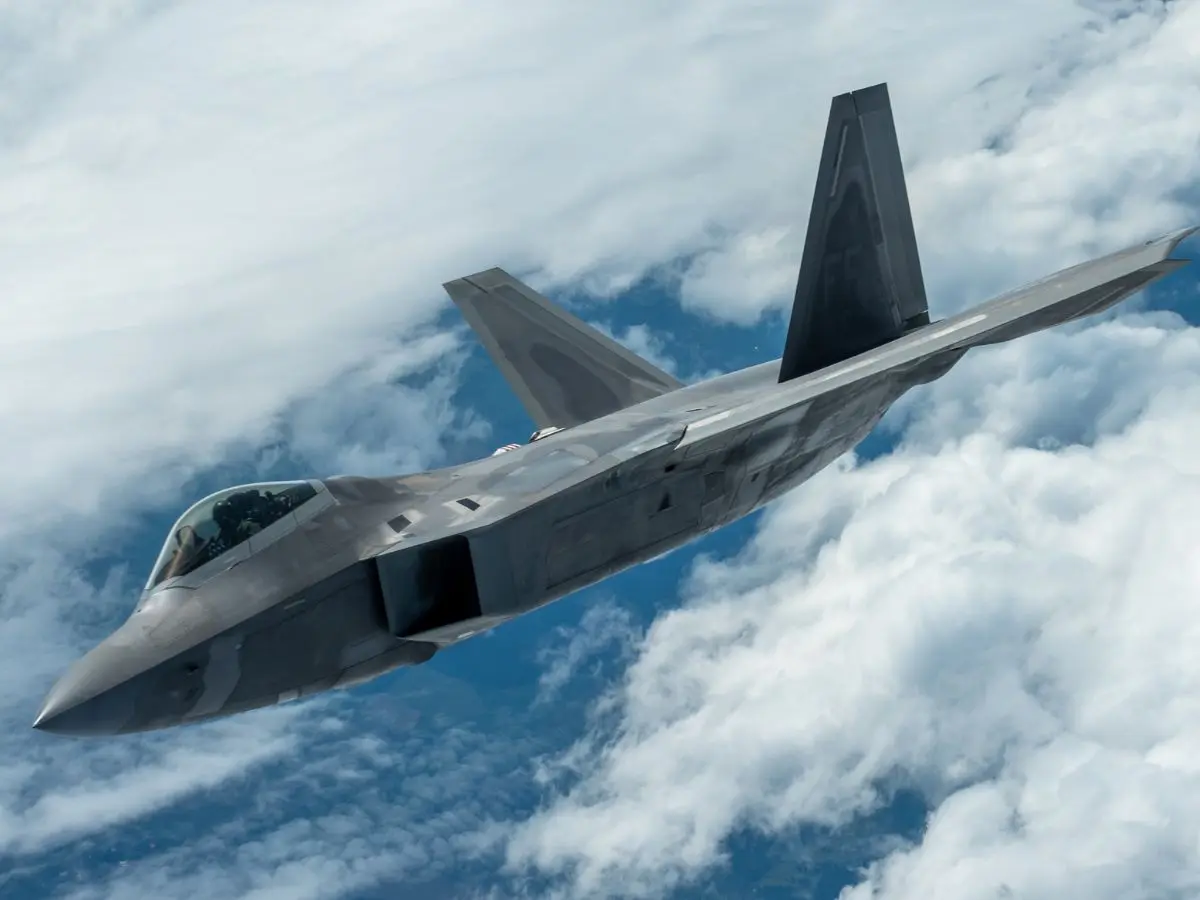
Sound physics in flight
Jet noise comes from hot exhaust gases mixing with outside air at very high speeds. Turbulence in the exhaust jet, as well as combustion and shockwaves inside the engine, all create intense sound waves that travel for kilometres.
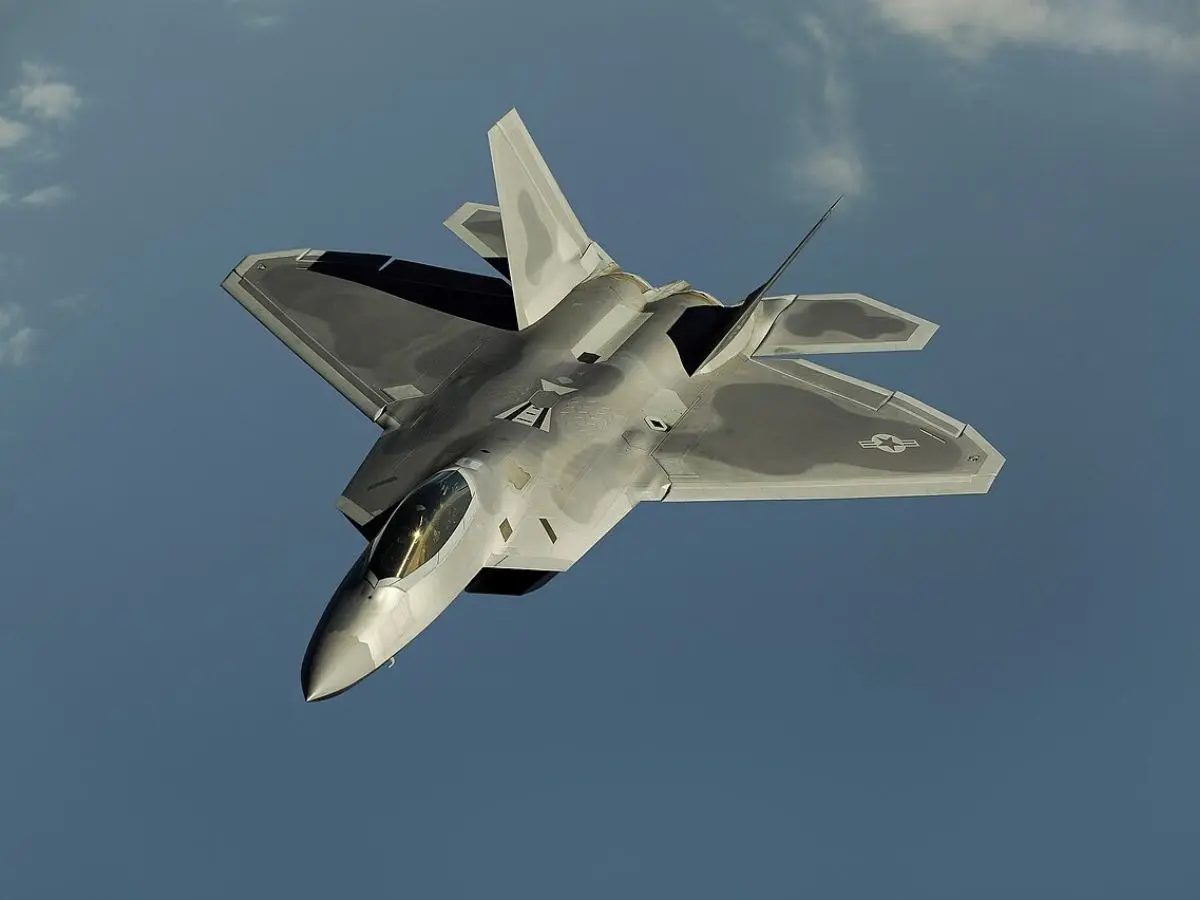
Engine design matters
Fighter jets use “low-bypass” engines for more thrust at the cost of noise. Commercial planes use “high-bypass” engines, which are much quieter because more air is directed around the engine core.
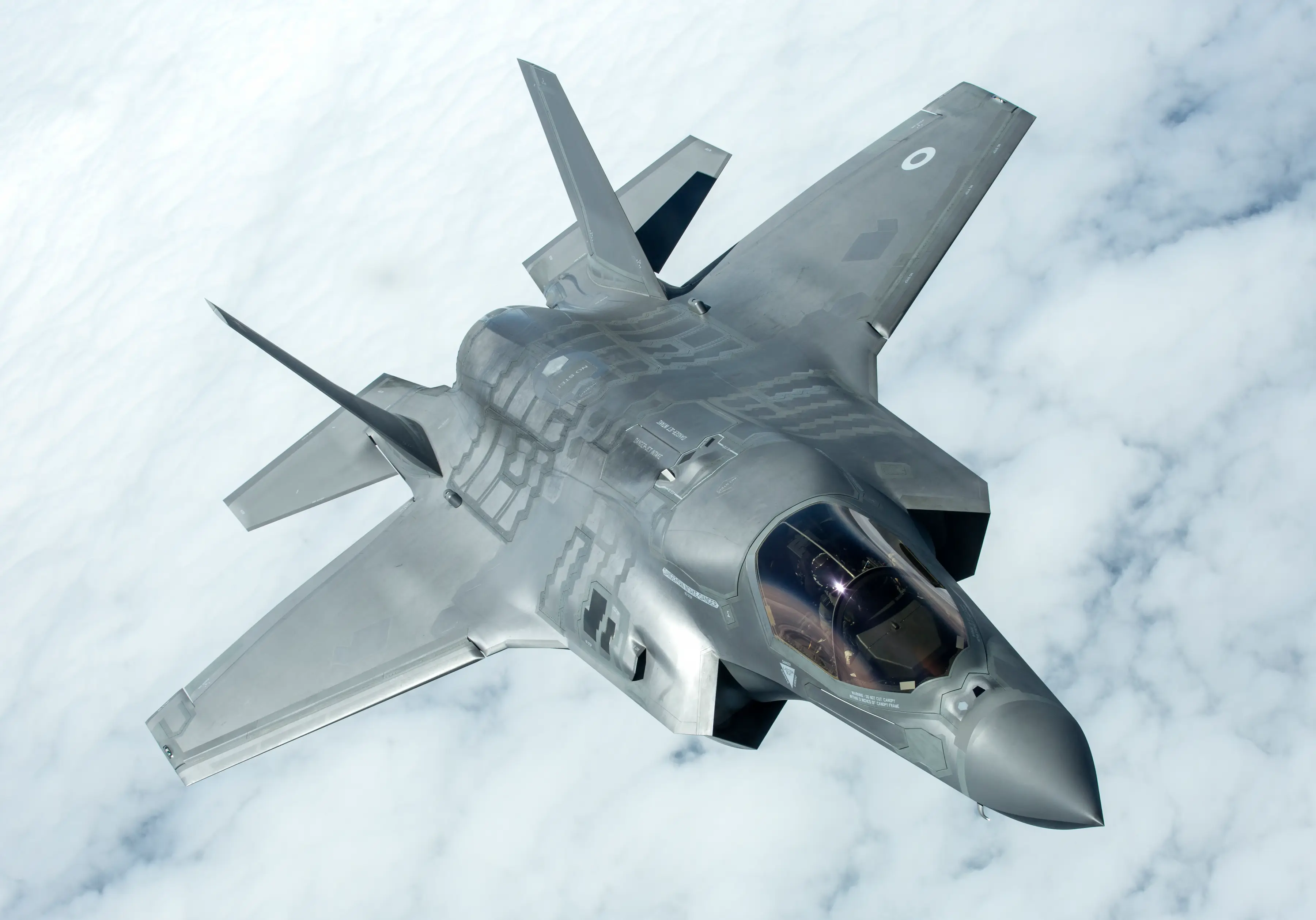
Stealth vs perfect silence
Stealth fighters like the F-22 and B-2 are built to avoid radar not sound. Special designs and buried engines in the B-2 help reduce noise, but stealth tech only muffles the sound a bit. Perfect silence is not possible at high speed.
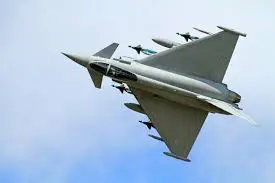
Why jets cannot be truly silent
No matter the technology, moving air fast enough for flight causes noise. Even rotor drones and propeller planes have sound signatures. In jets, the combination of shockwaves, engine parts, and air flow means full silence is impossible.
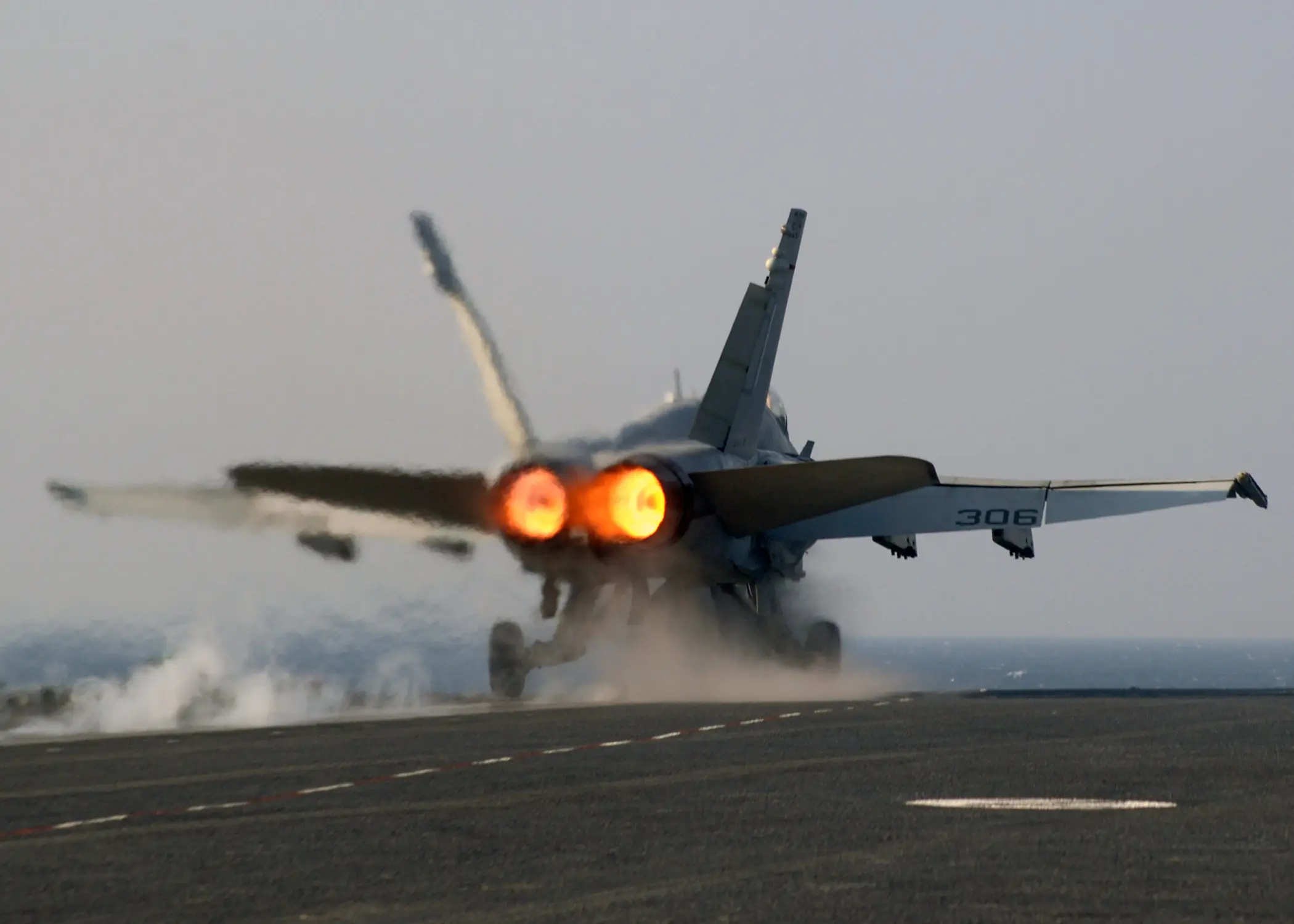
Does stealth technology help?
Some stealth aircraft hide their engine noise by placing exhausts on top, inside, or using cooled exhaust paths. This helps make them a bit quieter from ground level, but not perfectly silent, and noise can still be detected by modern systems.
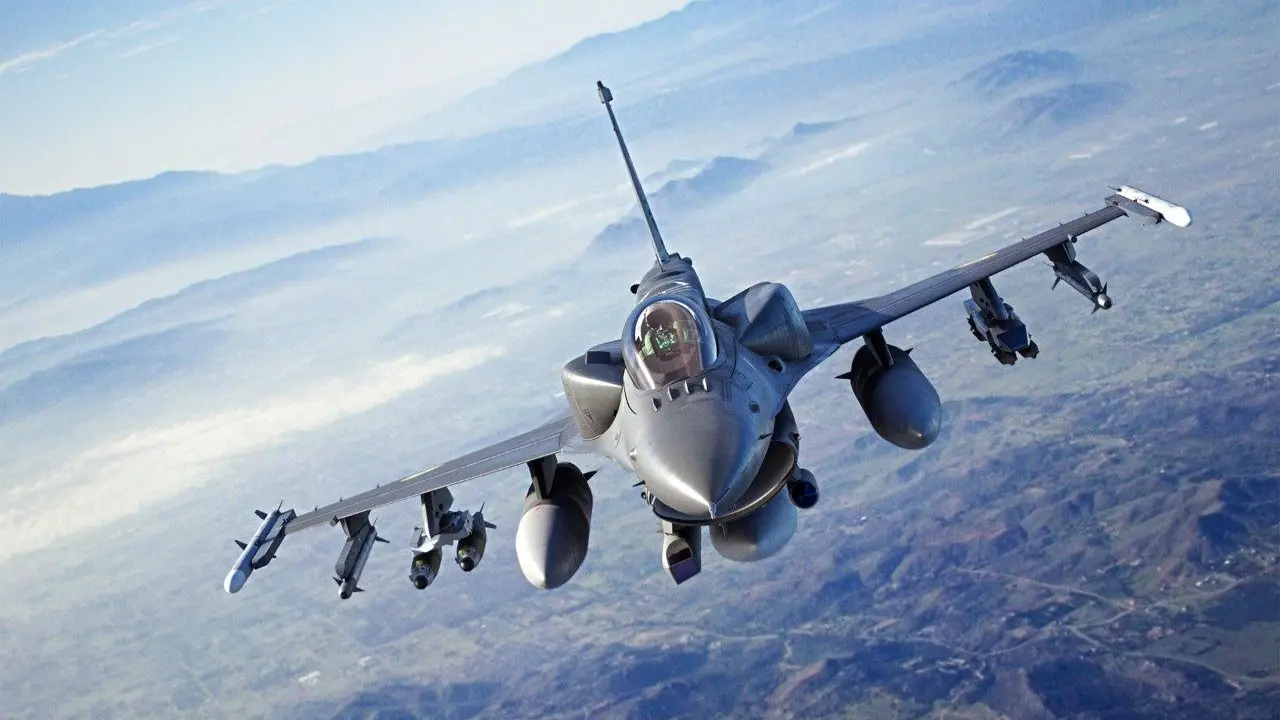
Limits
In military scenarios, low sound helps but cannot mask a fighter’s sonic boom, engine or airflow noise. Crews and ground staff must wear ear protection. Fighter jets remain loud by design and physics, even if they look invisible on radar.
)
)
)
)
)