Can AI-powered robots clean up India’s city waste crisis?

Robot sweepers tested in Mumbai smart city project. AI sorting systems separate plastics, metals from organic waste. 15,000 malware instances hit infrastructure robots. Human workers still needed for quality control and repairs.
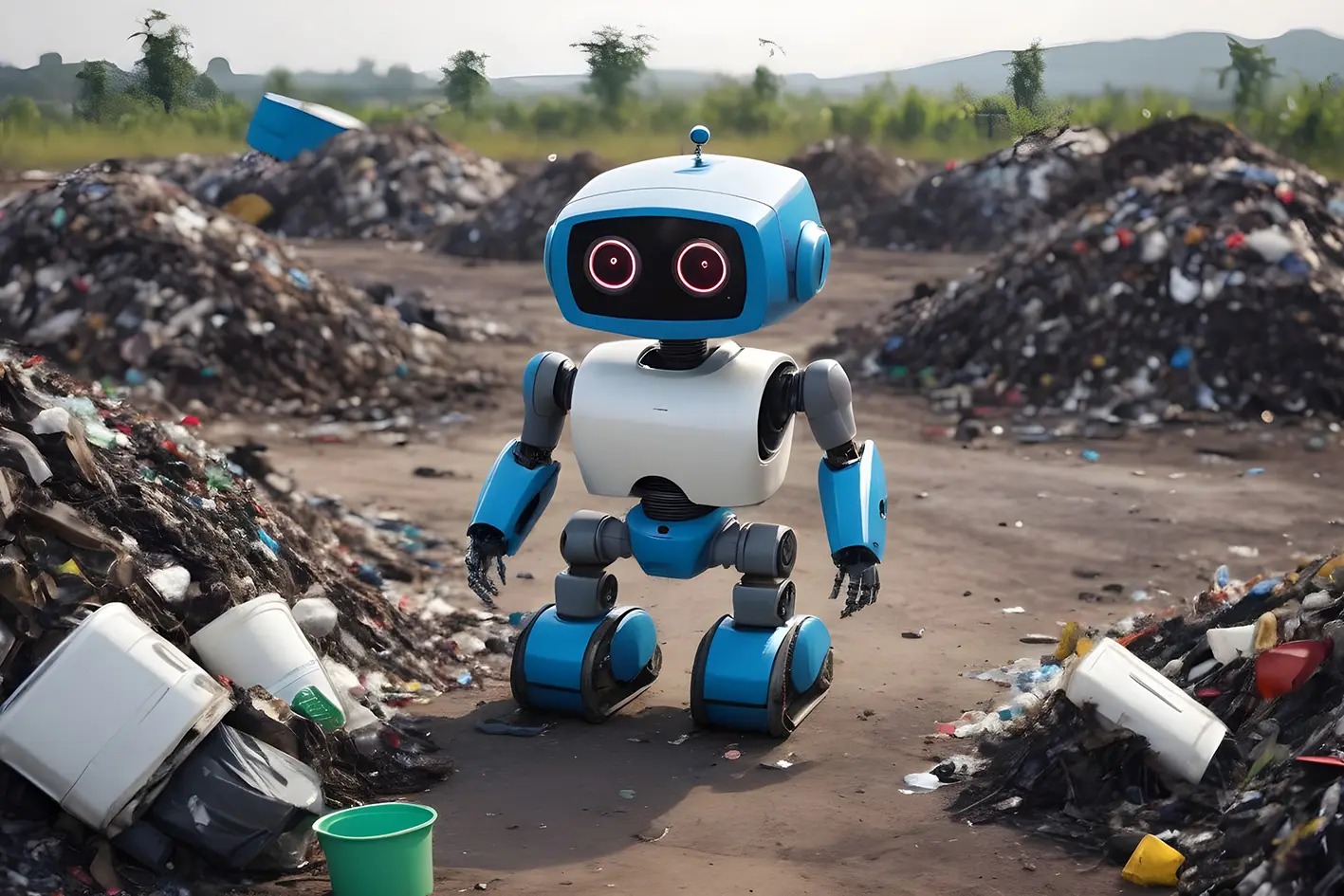
Robot sweepers and waste sorting machines
Robot sweepers and waste sorting machines are being tested across Indian cities as part of smart city initiatives. Mumbai has deployed automated sweepers in busy areas, while other metros experiment with AI-powered sorting systems that can separate plastics, metals, and organic waste.
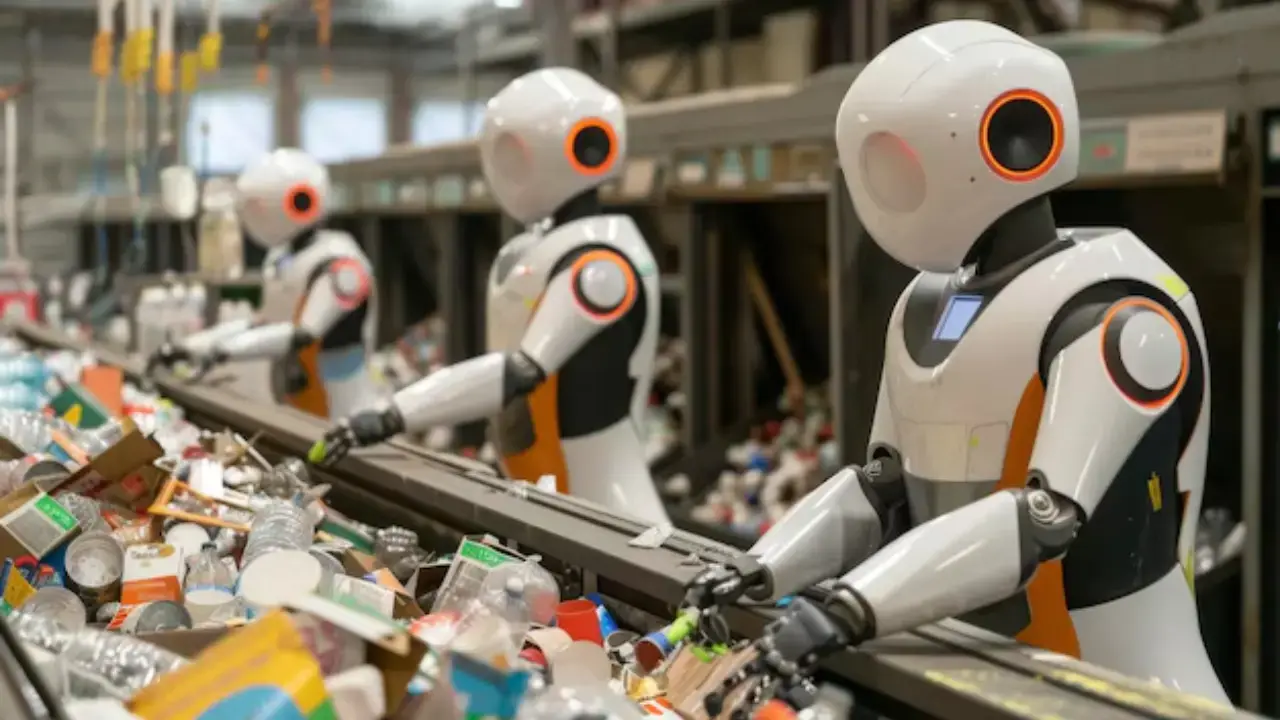
Cybersecurity challenges
According to industry reports, over 15,000 instances of malware were detected in critical infrastructure sectors, highlighting cybersecurity challenges even for waste management robots. These machines require secure networks and regular updates to prevent hacking and ensure reliable operation
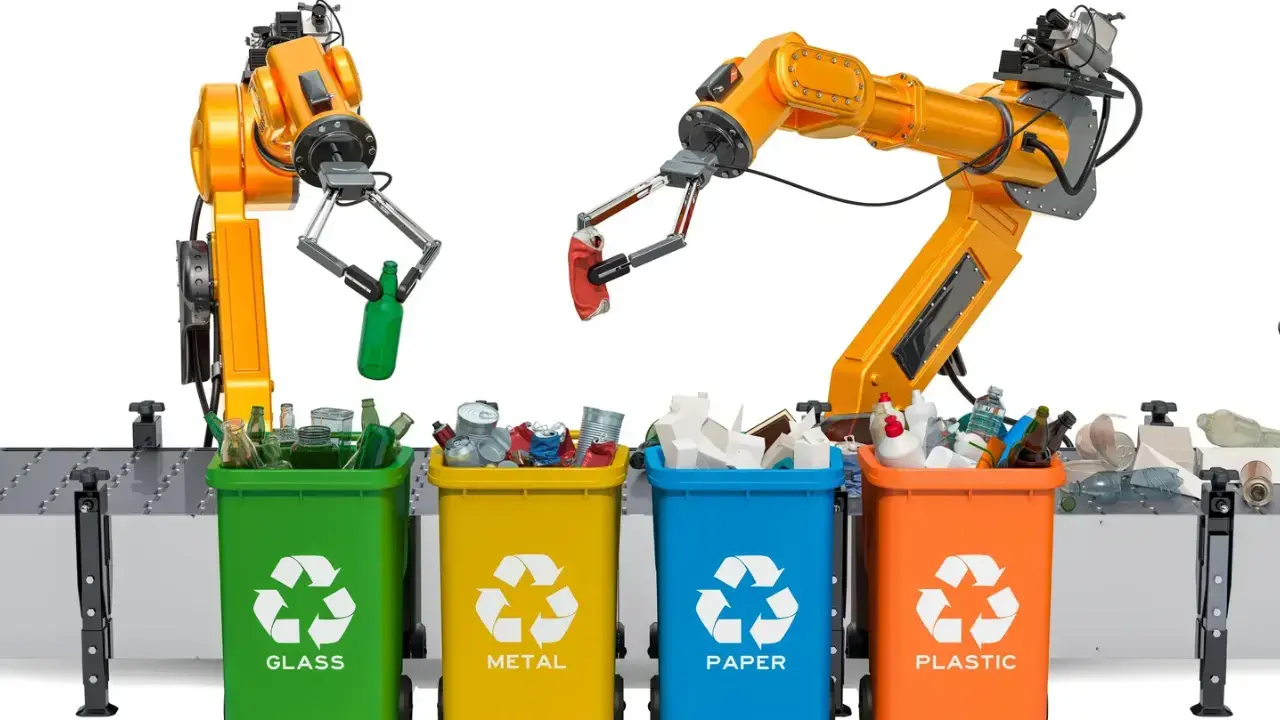
Revamped Distribution Sector Scheme
Under the Revamped Distribution Sector Scheme, over 250 million smart meters are planned, creating potential attack vectors if not properly secured. Waste management robots face similar cybersecurity challenges, requiring encrypted communication and secure operational protocols.
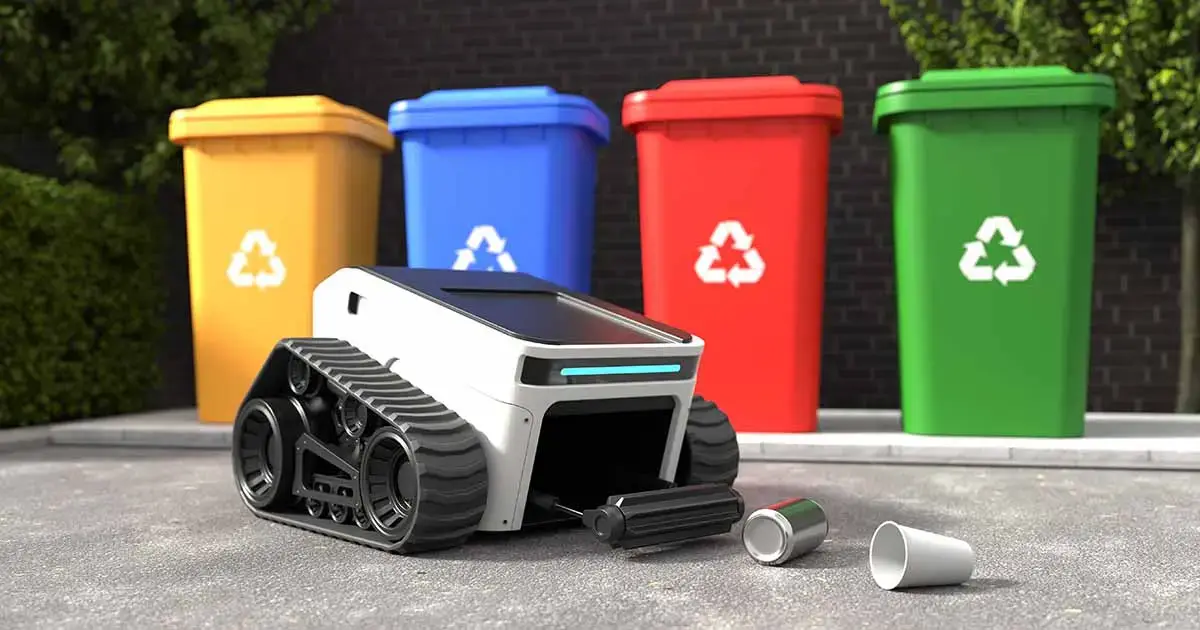
Robot waste sorting systems
Robot waste sorting systems can process thousands of kilograms of mixed waste hourly, but they struggle with heavily contaminated materials or unexpected objects. Human workers remain essential for quality control, maintenance, and handling situations that exceed robot capabilities.
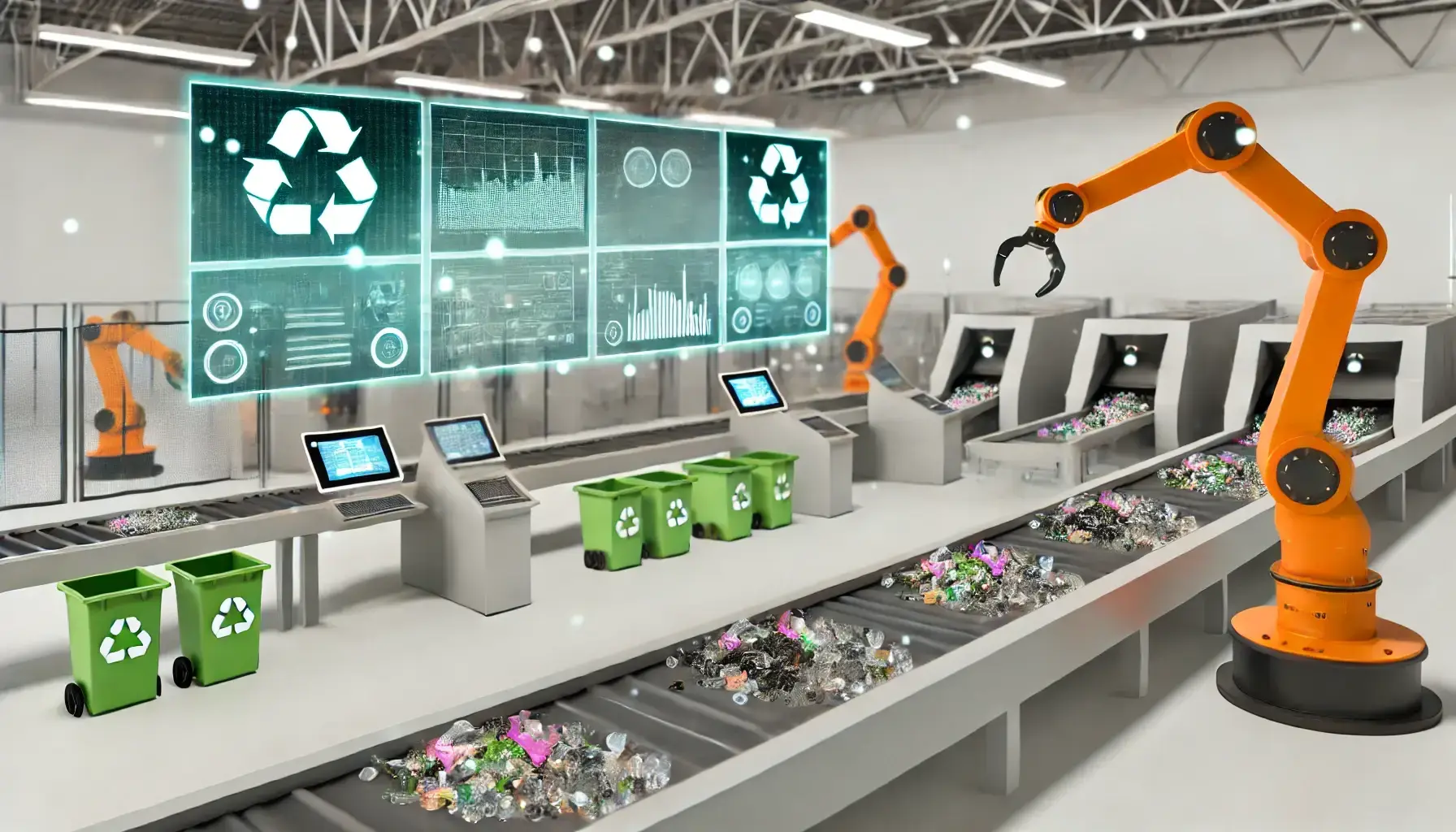
Waste management robots
Several Indian startups are developing affordable waste management robots using local materials and manufacturing. These cost-effective solutions aim to make robotic waste processing accessible to smaller municipalities that cannot afford expensive imported equipment.

Educational programmes
Educational programmes in schools and colleges now include lessons on robotics for environmental management. Students learn both the benefits and limitations of automated systems, preparing the next generation to work alongside robots in waste management careers.
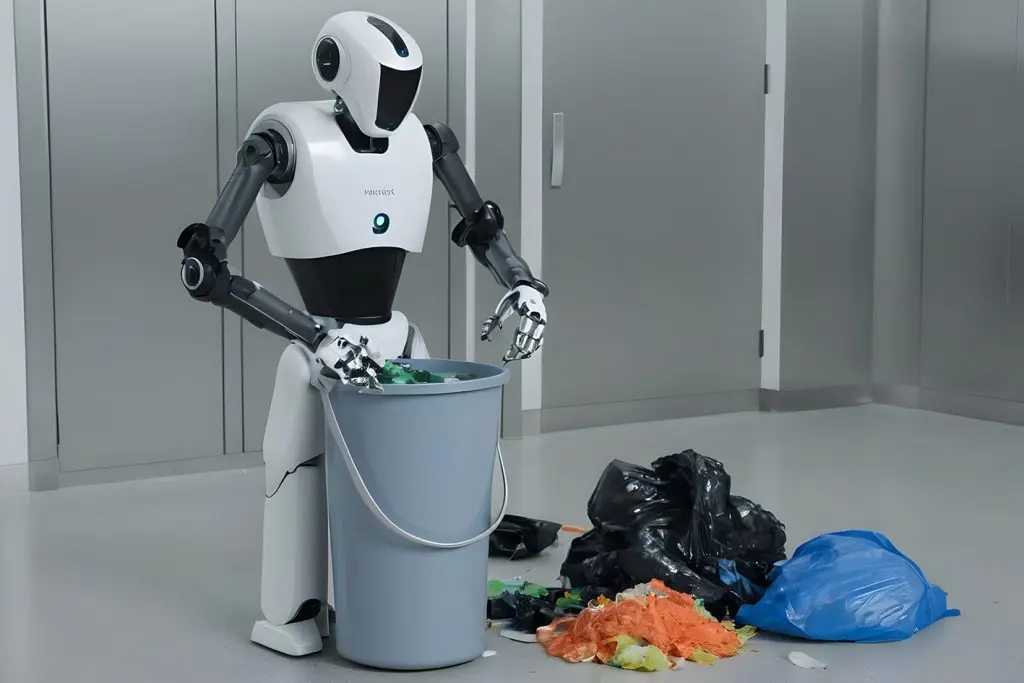
Waste management
While robots offer efficiency improvements, successful waste management still depends on public cooperation and good waste segregation habits. Cities implementing robot systems report best results when they combine technology with community awareness programmes and proper waste collection systems.
)
)
)
)
)