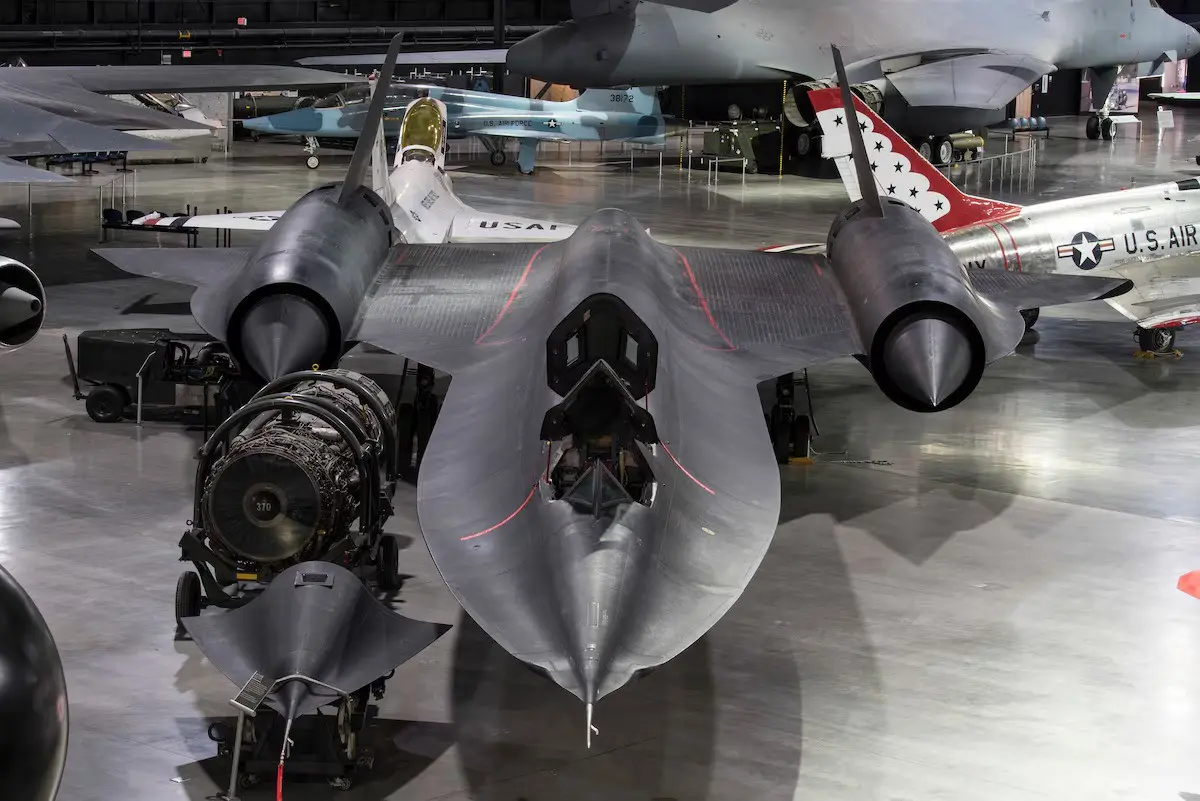
Built like a spaceship, this war machine needed Titanium skin to survive!

Titanium has a rare combination of properties, it’s as strong as steel but weighs 45 per cent less. This allowed the SR-71 to maintain high speed and altitude without being too heavy.
Speed That Melted Metal
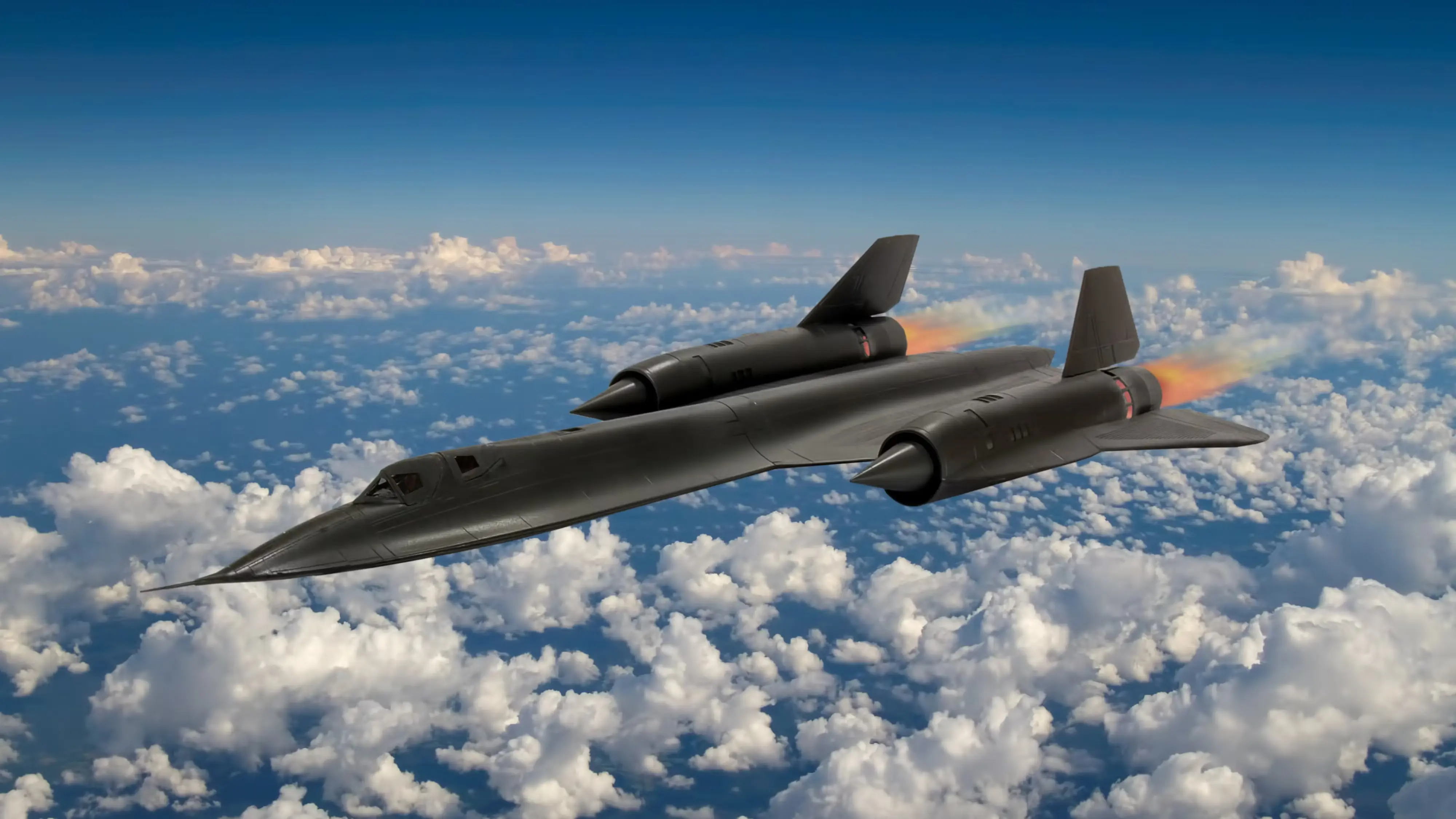
The SR-71 flew at over Mach 3.3, which means more than 3,500 km/h. At that speed, air friction causes extreme surface heating, temperatures around 500 to 600°C. Traditional aircraft materials like aluminium simply couldn’t handle it, they would melt or lose structural integrity. Titanium, on the other hand, retained its strength and shape, making it the perfect armor for a jet that was literally burning through the sky.
Light, Yet Tough as Hell
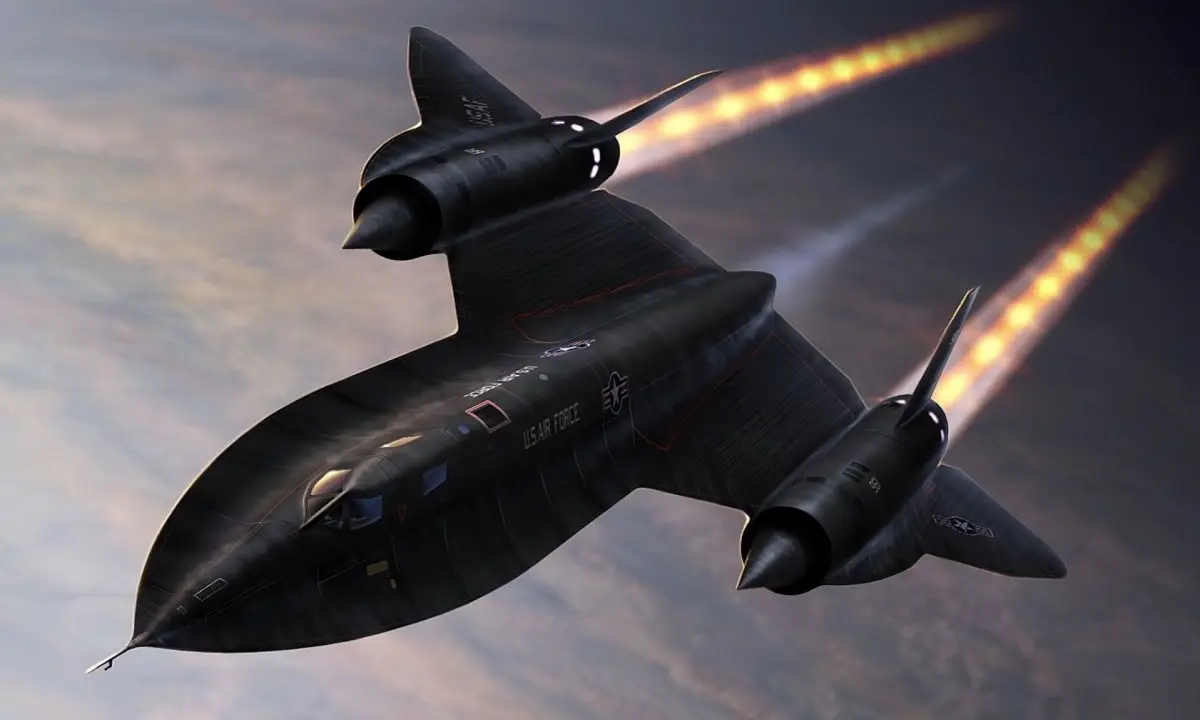
Titanium has a rare combination of properties, it’s as strong as steel but weighs 45 per cent less. This allowed the SR-71 to maintain high speed and altitude without being too heavy. The metal gave the aircraft the ability to carry surveillance equipment, evade enemy radars and missiles, and still outrun nearly everything in the sky. No other material at the time could provide this perfect balance of strength, heat resistance, and weight.
Irony: Bought from the Enemy
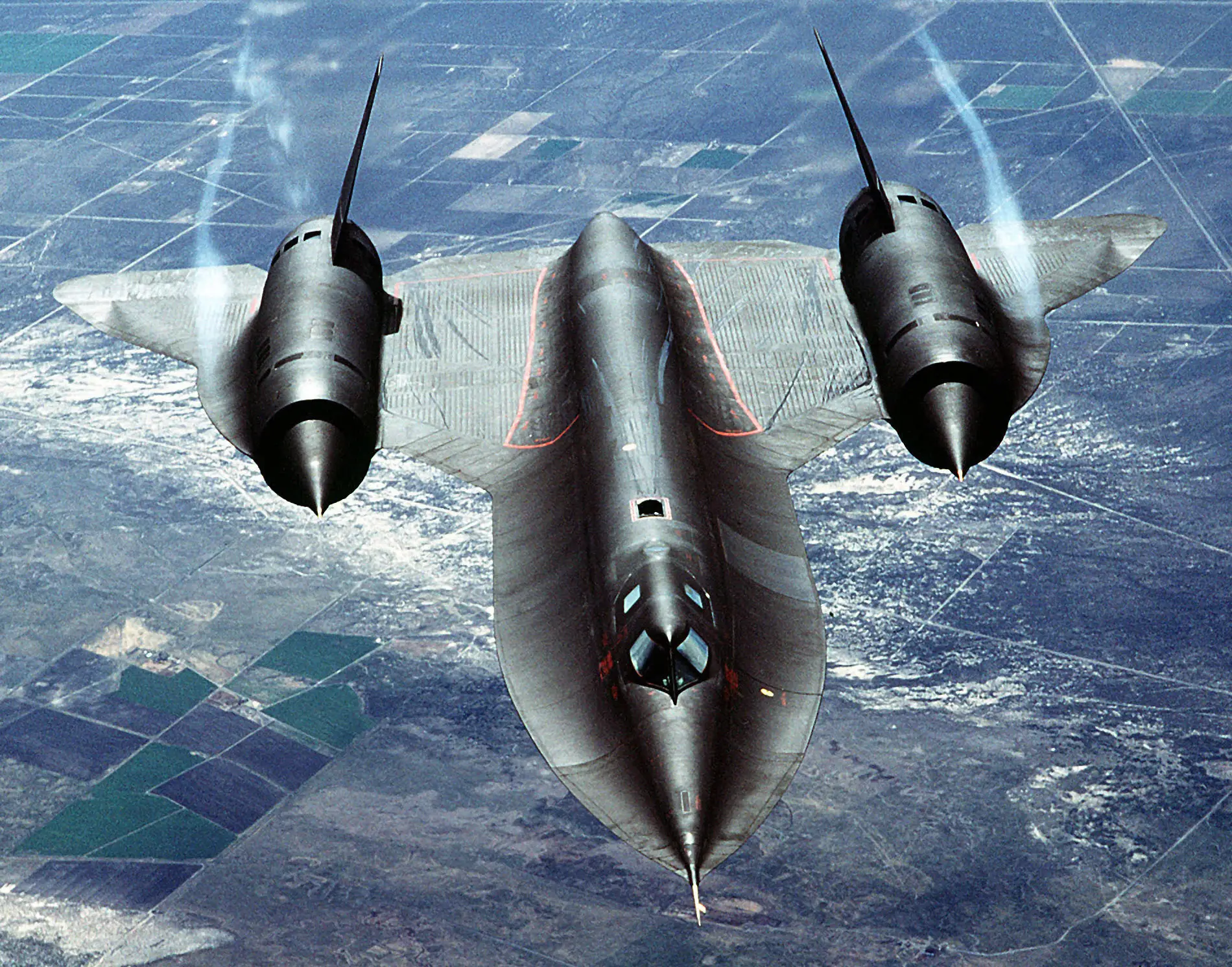
Here’s the wild part, the world’s largest titanium reserves were in the Soviet Union, the very country the SR-71 was built to spy on. To get enough titanium, the CIA set up fake front companies to quietly purchase it from Soviet suppliers without revealing its real use. In short, the U.S. built a spy plane to surveil the USSR... using Soviet metal. The Cold War was full of irony, and this was one of its best-kept secrets.
Not Easy to Work With
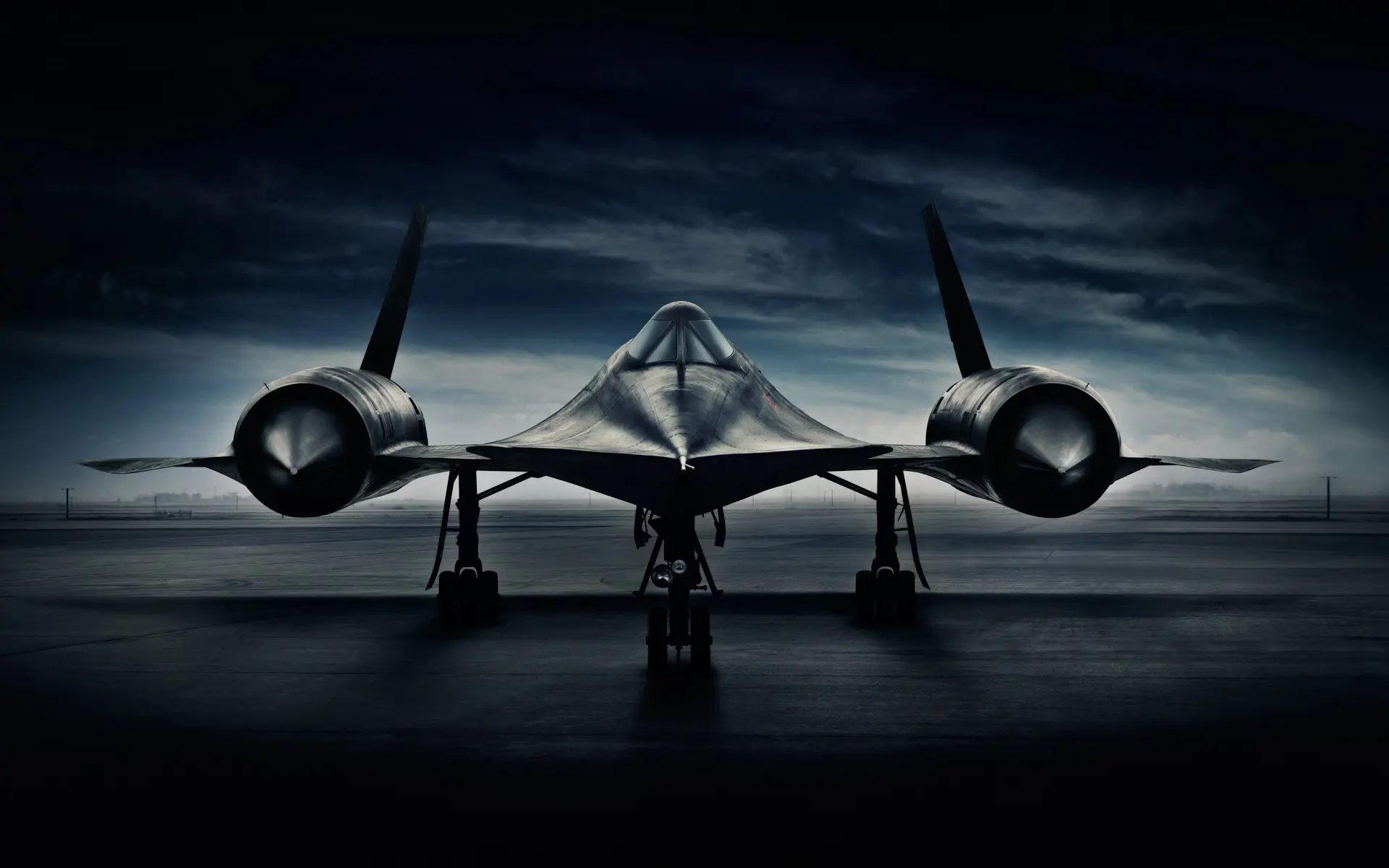
Titanium is incredibly tough but also incredibly hard to work with. It wears down conventional tools, reacts poorly to certain chemicals (like chlorine), and requires specialised techniques for welding and forming. Lockheed engineers had to develop entirely new manufacturing processes to build the SR-71, including custom tools and sealants that could handle the stress of high-speed flight. Even building the plane was a battle against the element it was made from.
A Jet That Leaked on the Ground
One of the quirkiest facts about the SR-71 is that it leaked fuel while parked. That wasn’t a design flaw, it was intentional. The heat expansion during flight caused the titanium skin to expand and seal up perfectly at altitude. On the ground, when it was cold, the gaps between panels allowed fuel to drip out. Only after it took off and hit high speeds did the aircraft truly come together, almost like it was self-assembling mid-air.
)
)
)
)
)