Budget 2026: Key terms you must know to understand the Union Budget 2026

Finance Minister Nirmala Sitharaman will present the Union Budget 2026 this Sunday. From Fiscal Deficit to Capex and Disinvestment, here is a simple guide to the key financial terms you need to know to understand India’s economic blueprint.
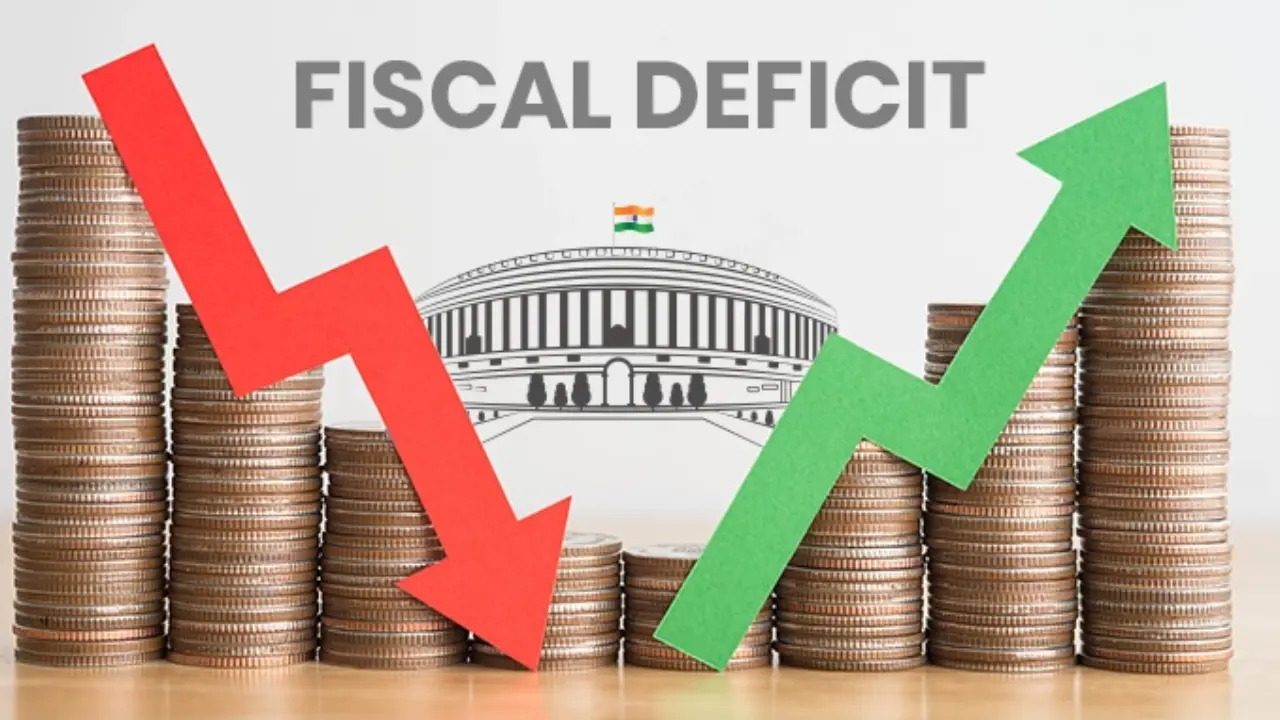
Fiscal Deficit
A fiscal deficit arises when the government’s total expenditure exceeds its total revenue, excluding the money it has borrowed. It essentially indicates the total amount the government needs to borrow to meet its financial obligations for the year.
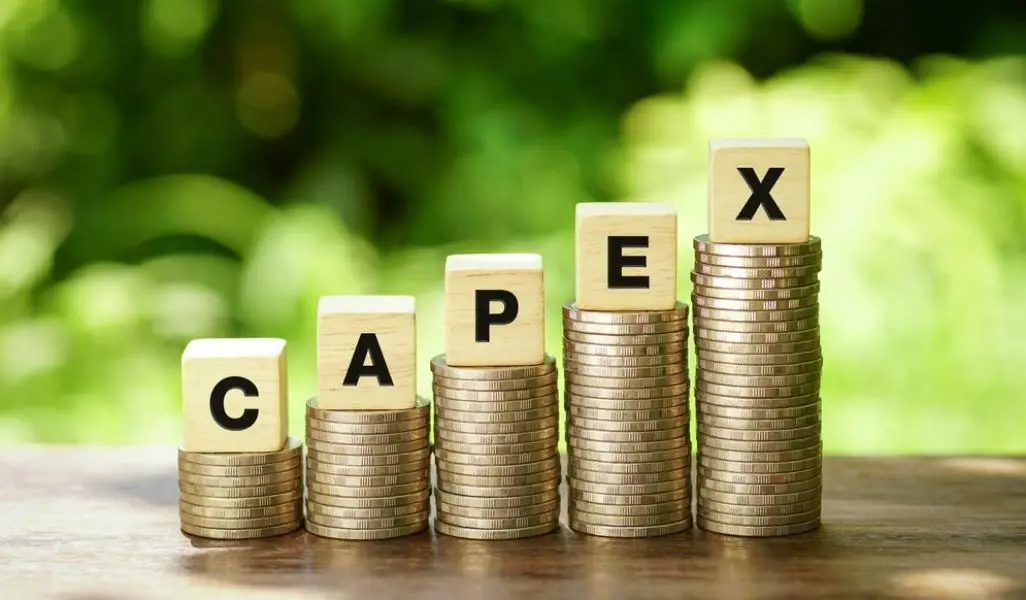
Capital Expenditure (Capex)
Capital expenditure, or Capex, is the money spent by the government on acquiring or upgrading assets like machinery, land, and buildings. These investments are vital as they drive infrastructure development and generate future economic growth.
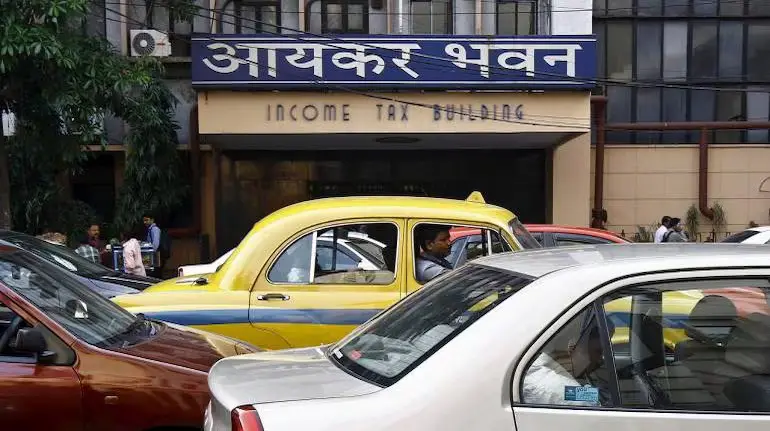
Direct vs Indirect Tax
Direct taxes, such as income tax, are paid directly by an individual or entity to the government. In contrast, indirect taxes like GST are levied on goods and services paid by the consumer when they purchase anything.
Revenue Deficit
A revenue deficit occurs when the government’s revenue expenditure exceeds its revenue receipts. This gap highlights a shortfall in the current income needed to fund daily operations, such as paying salaries, pensions, and subsidies.
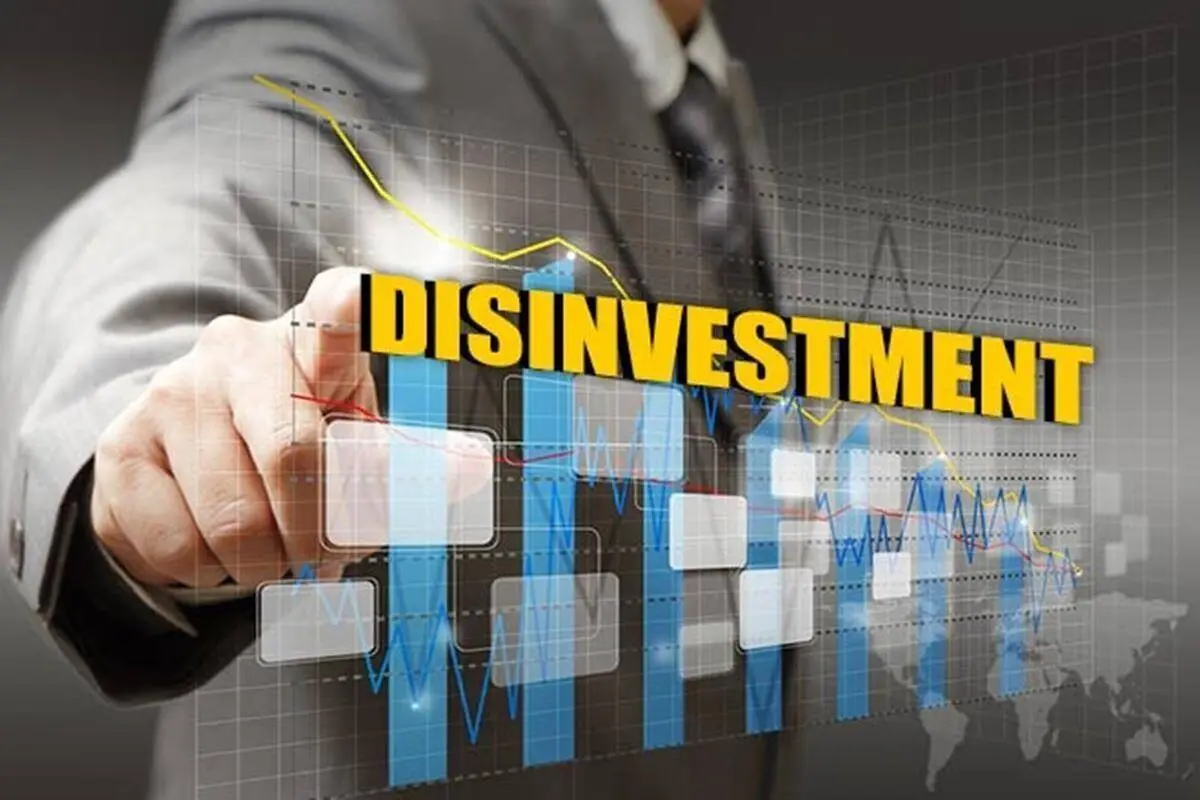
Disinvestment
Disinvestment refers to the government selling its shares in public sector undertakings to raise funds. By converting these held assets into cash, the government generates resources to bridge fiscal gaps or finance new development projects.
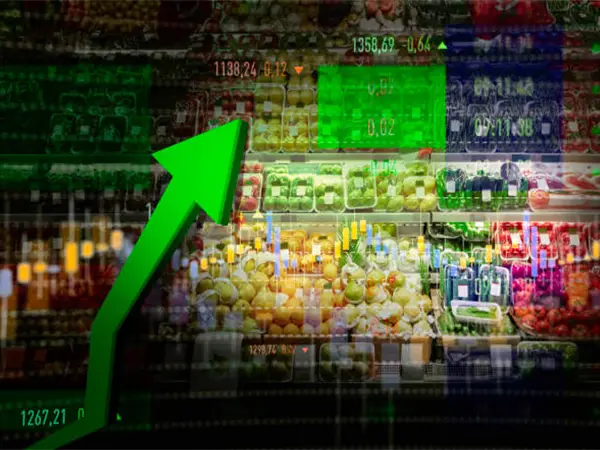
Inflation
Inflation measures the rate at which the general price level of goods and services increases in an economy. A rise in inflation leads to a decline in purchasing power, making it a critical factor for the government to manage.
GDP (Gross Domestic Product)
GDP refers to the total market value of all finished goods and services produced within the country during a specific period. It serves as the primary indicator of the nation's overall economic health and growth size.
)
)
)
)
)