Black holes can bend time, but could they really be portals to another universe?

The answers, while rooted in physics, continue to blur the line between what we know and what remains firmly in the realm of the unknown.
Introduction
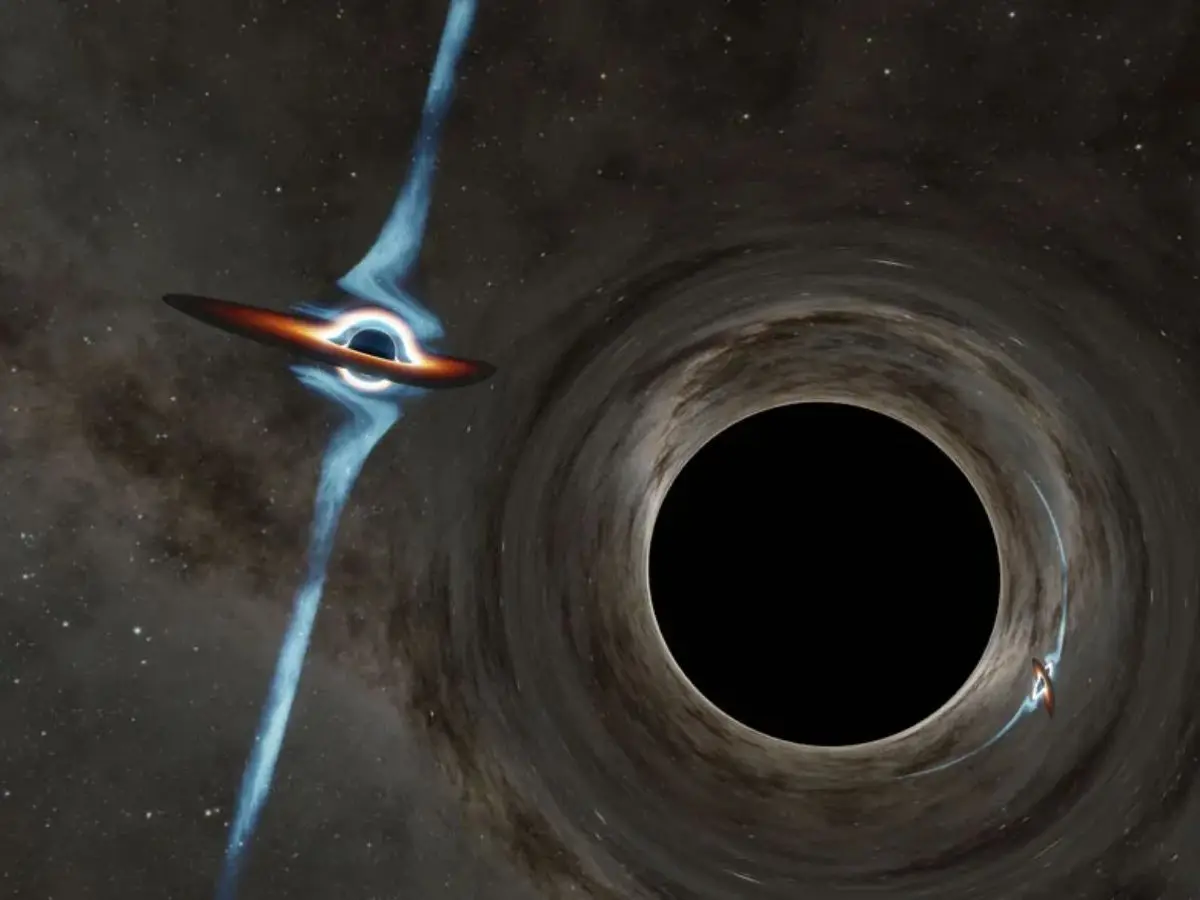
They have been called cosmic traps, bottomless pits, even portals to the unknown. Black holes sit at the edge of science and imagination, bending light, stretching time, and swallowing anything that drifts too close. For decades, astronomers have probed whether these objects are merely the dead ends of massive stars or doorways into something more extraordinary, another time, another universe, or perhaps a completely different reality. The answers, while rooted in physics, continue to blur the line between what we know and what remains firmly in the realm of the unknown.
What a black hole actually is
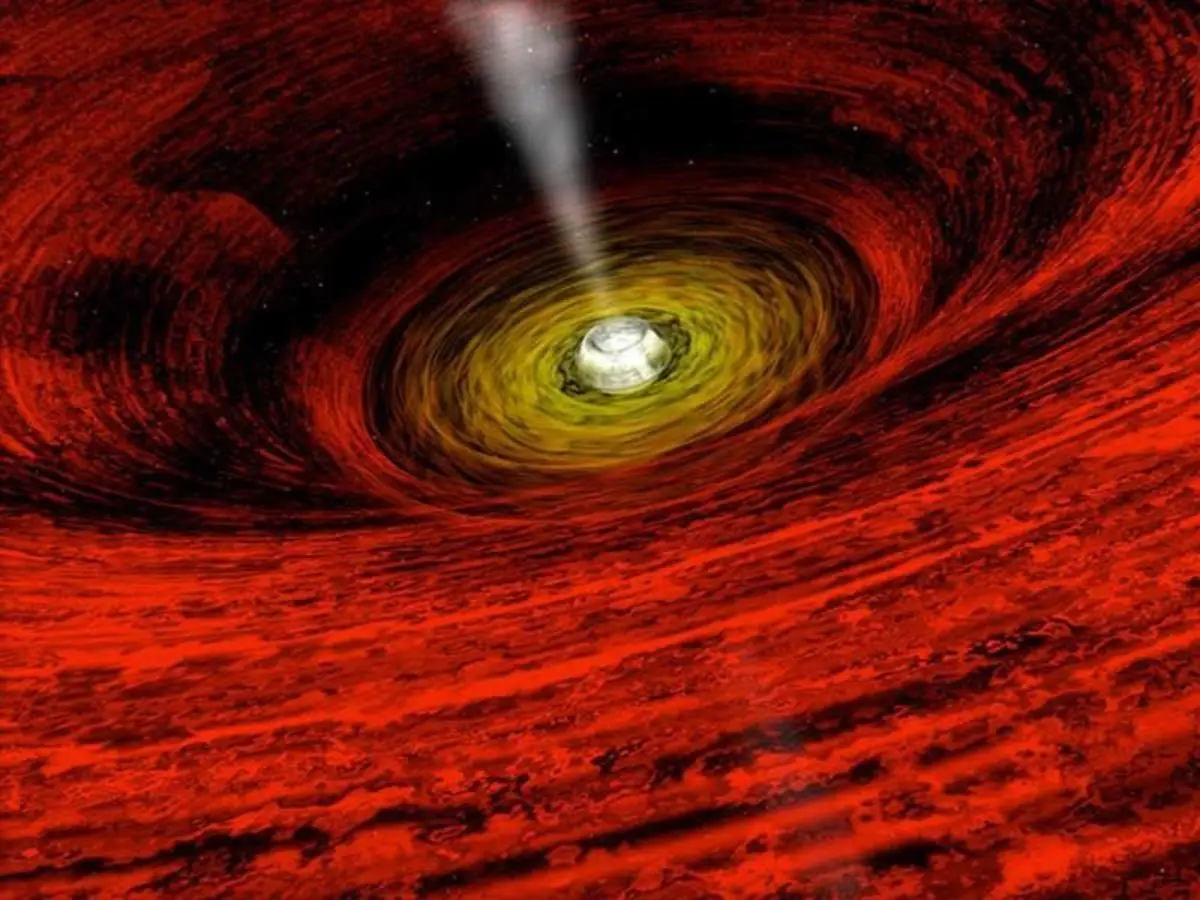
A black hole is a region where gravity is so strong that nothing, not even light, can escape once it crosses the event horizon, a one-way boundary. General relativity predicts an inner core where densities become extreme, a 'singularity' , though many physicists suspect this signals where quantum gravity must take over. In short: we understand the outsides well; the centre remains theory-laden.
How time behaves near the horizon
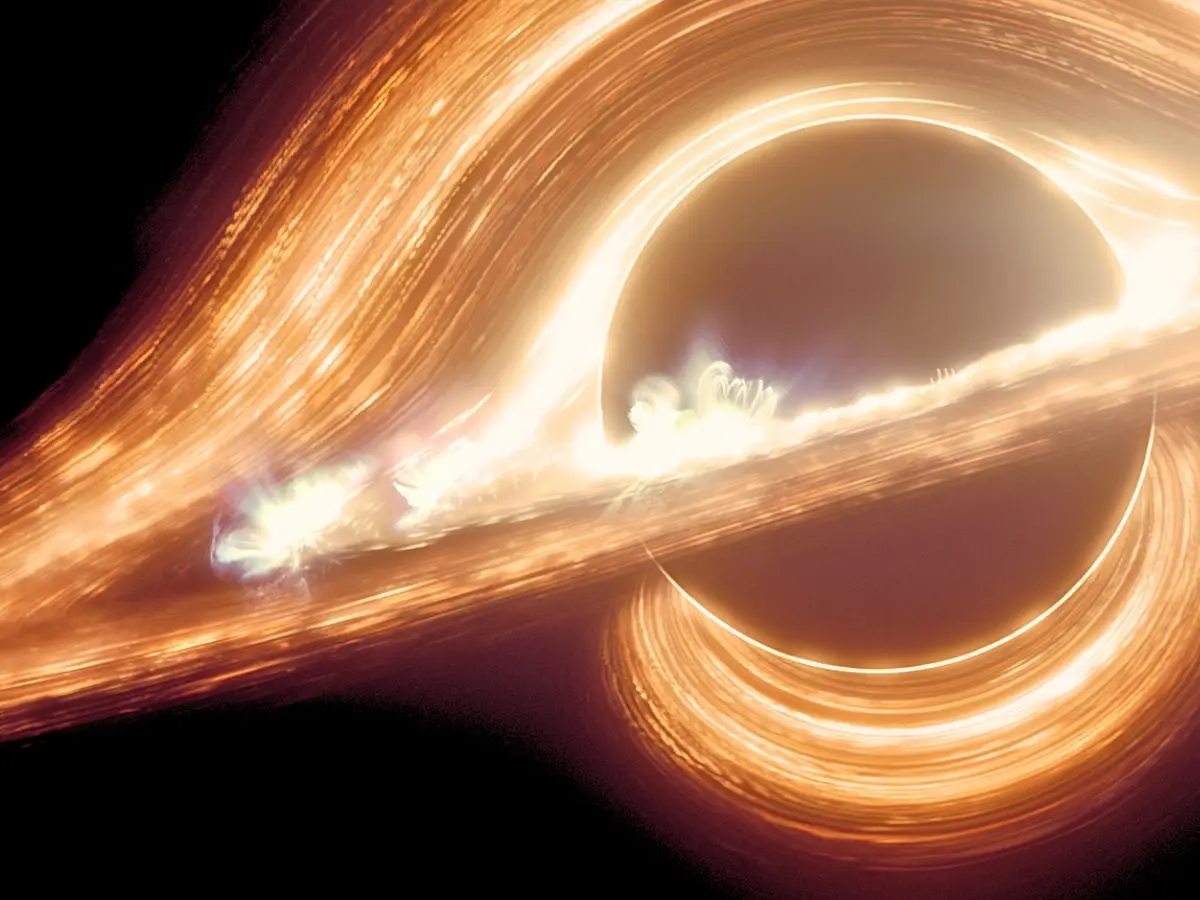
Approach a black hole and time dilation becomes dramatic. To a distant observer, an infalling spacecraft appears to slow and fade as it nears the horizon; to the crew on board, crossing the horizon would feel locally uneventful in a sufficiently large black hole, though tidal forces eventually dominate deeper in. Time distortion is real physics, not science fiction, but it does not provide a usable time machine.
What we’ve actually seen
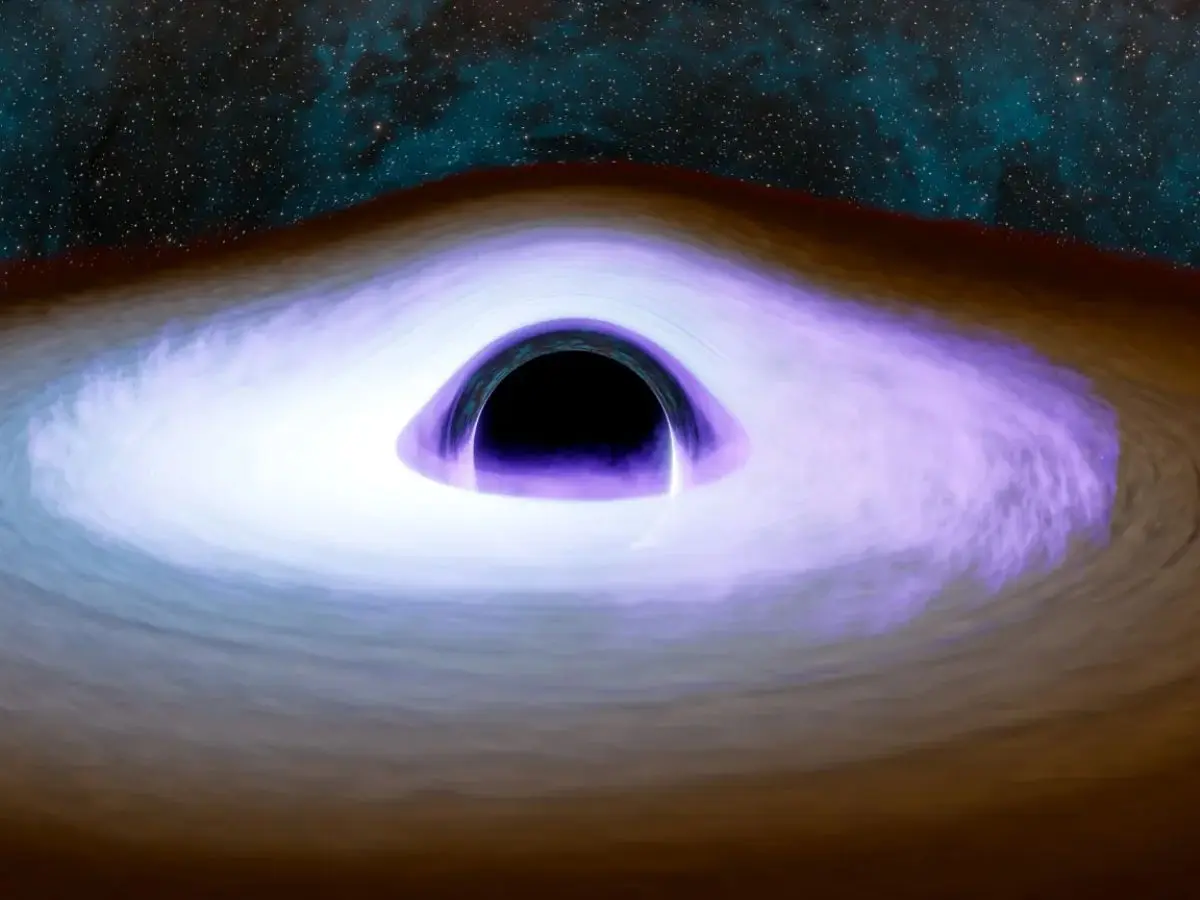
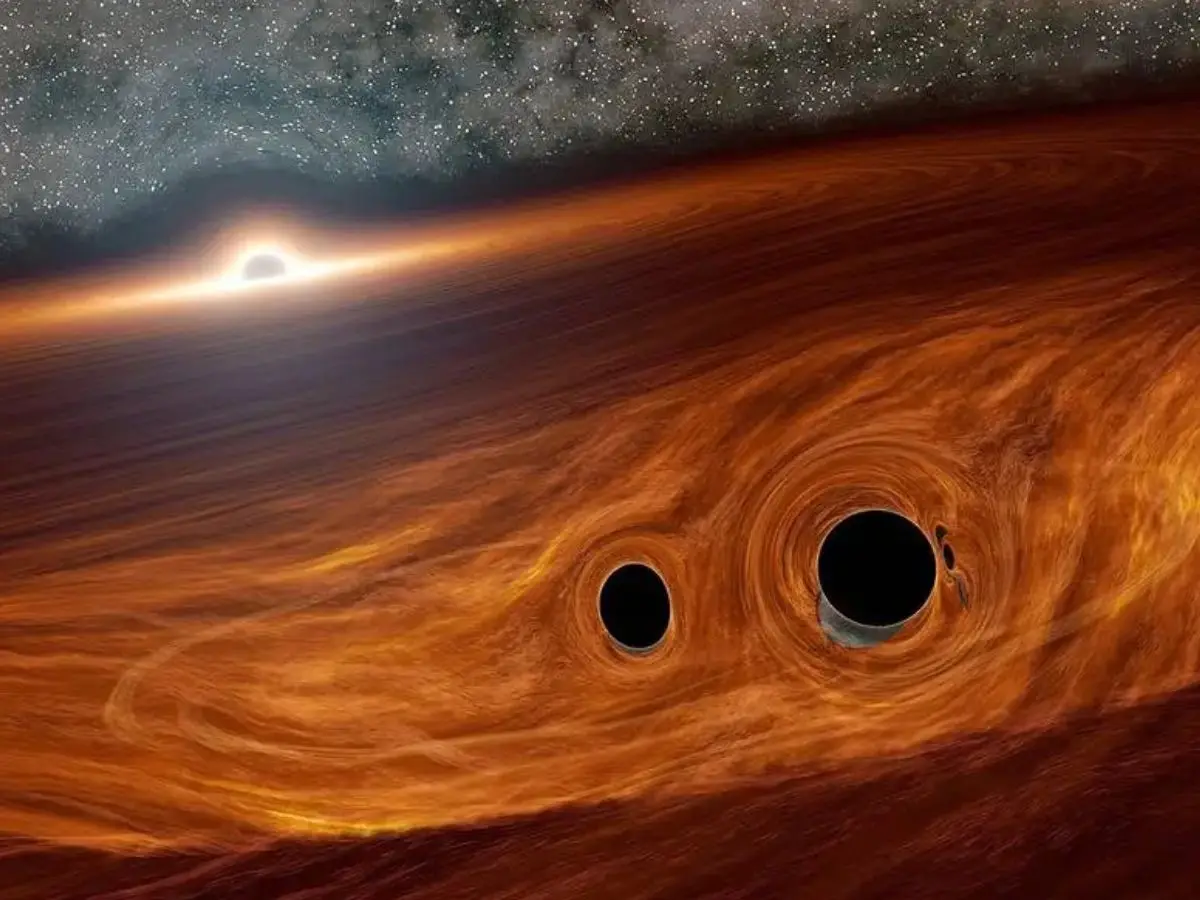
Black holes are no longer abstract. In 2019 the Event Horizon Telescope unveiled the first image of a black hole’s ‘shadow’ in galaxy M87, followed in 2022 by our Milky Way’s own Sagittarius A*. Separately, the LIGO/Virgo collaborations detected gravitational waves in 2015 from two stellar-mass black holes merging, a landmark confirmation of Einstein’s predictions. These observations anchor black holes as astrophysical facts, not mere mathematical curiosities.
Are black holes portals or time machines?
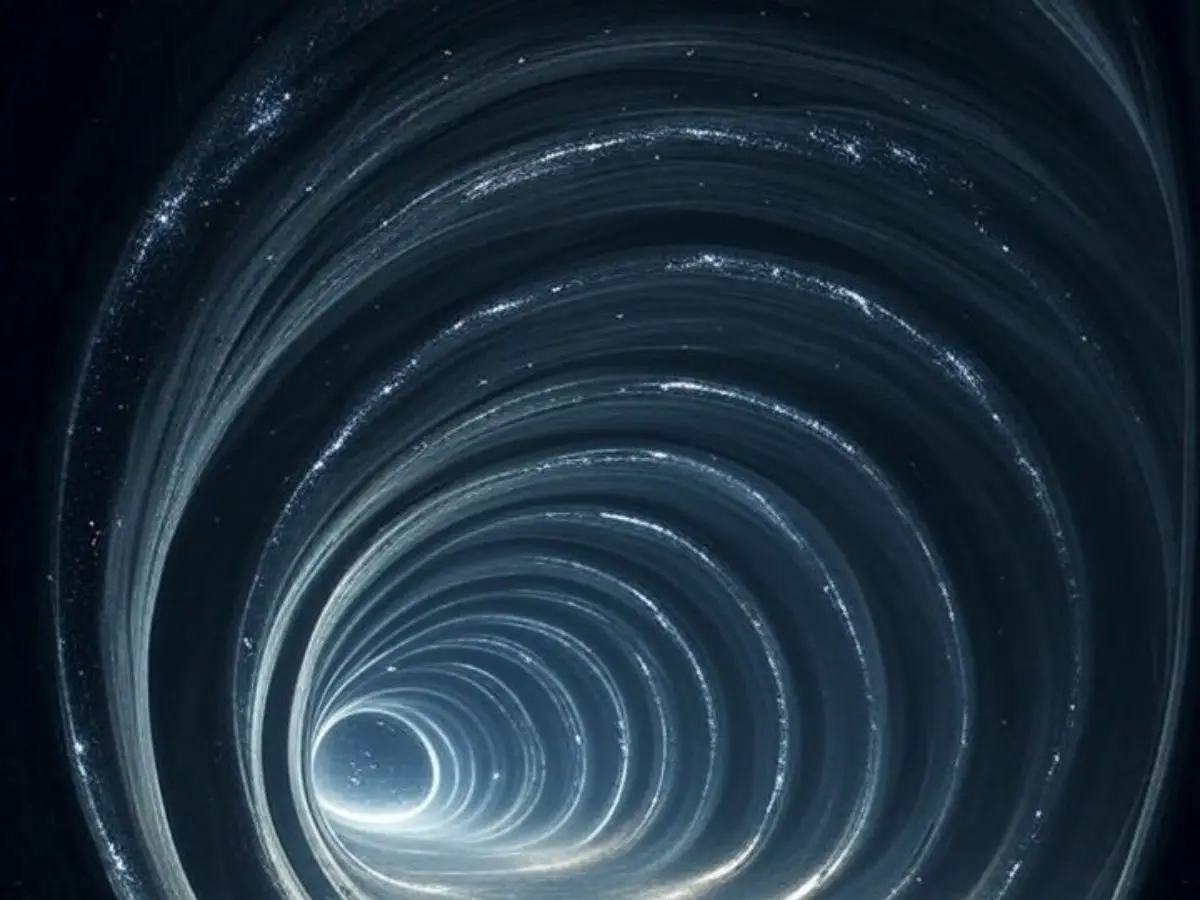
General relativity admits mathematical constructs that look like tunnels in spacetime, wormholes, and the extended solutions of rotating or charged black holes contain internal regions suggestive of passages to elsewhere. But these ‘bridges’ are violently unstable and would collapse long before anything could traverse them. Traversable wormholes, by contrast, require exotic matter that violates standard energy conditions, for which no practical source is known. There is no empirical evidence that real black holes function as gateways.
Could they take us to another universe or time?
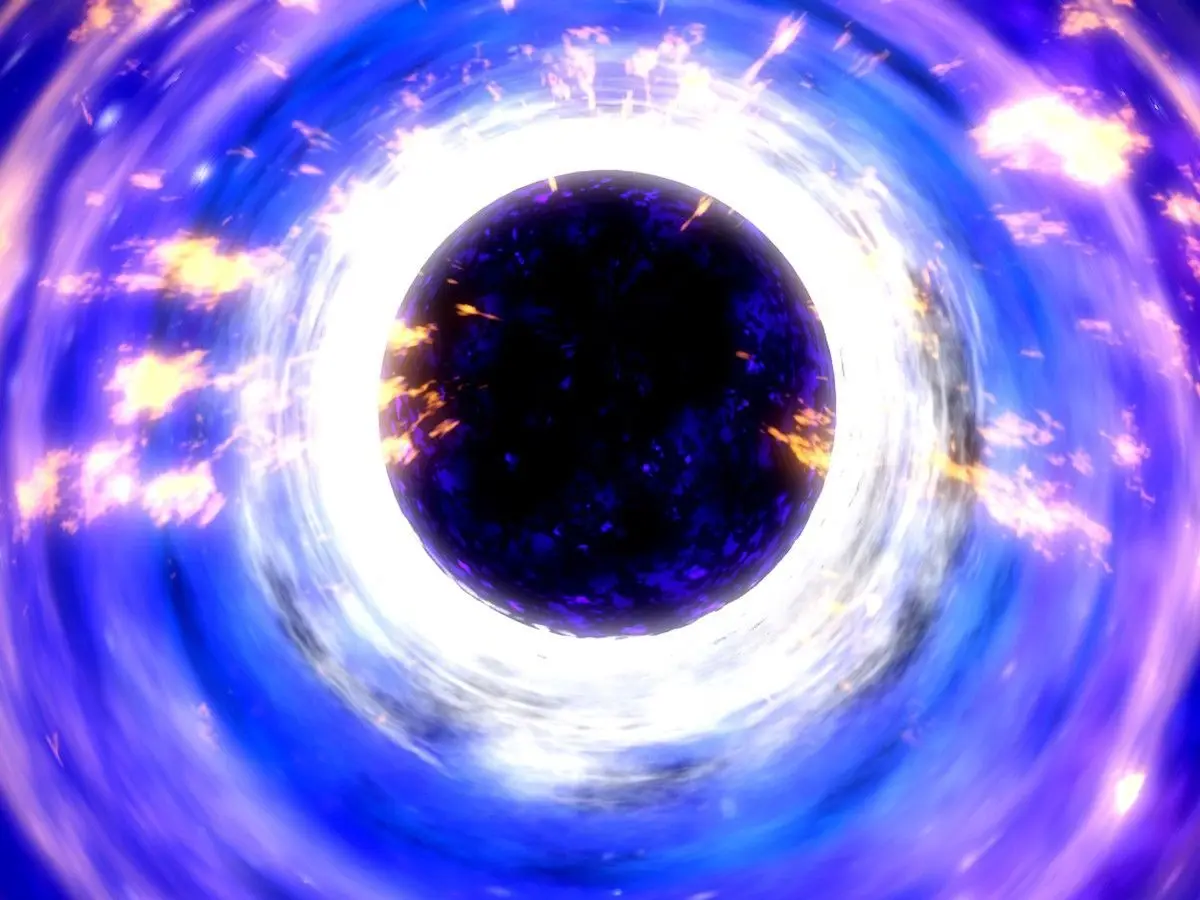
Even if a stable wormhole existed, keeping it open appears to demand physics beyond what we’ve observed. Some modified-gravity ideas explore workarounds, but these remain speculative and untested. Rotating (Kerr) black holes also raise ideas of closed timelike curves, paths that loop in time, yet the regions where such curves might occur lie behind inner horizons where classical theory likely breaks down. The consensus: fascinating on paper, unsupported in nature.
The information puzzle and the bottom line
Stephen Hawking’s prediction that black holes radiate and slowly evaporate leads to the information paradox: does quantum information vanish? Recent theoretical advances propose mechanisms to preserve information, but none imply a practical exit route from inside a black hole. Today’s best evidence shows black holes as endpoints of collapse and engines of extreme physics, not stargates. If you’re after time travel or trips to other universes, current science says black holes won’t take you there.
)
)
)
)
)