'Billions in upgrades': Why is the US still investing billions in the B-52 bomber?

The US Air Force is investing over US$15 billion to upgrade its 70-year-old B-52 bomber fleet. Featuring modern Rolls-Royce engines and advanced digital radars, the newly designated B-52J will serve as a standoff missile truck alongside the B-21 Raider well into the 2050s.
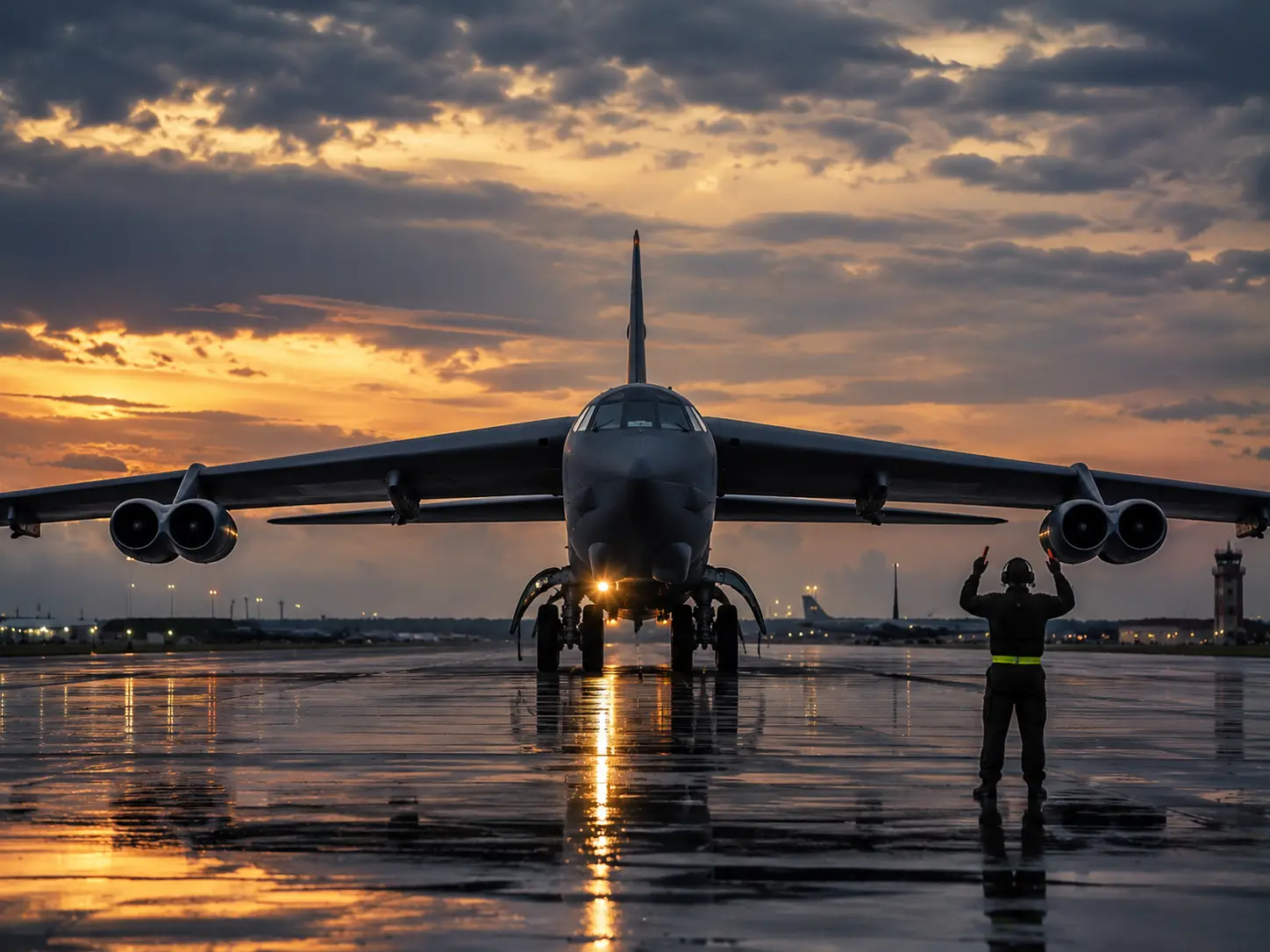
A Massive Financial Commitment
The United States Air Force is investing approximately US$15 billion to comprehensively upgrade its ageing B-52 Stratofortress fleet. This massive financial commitment guarantees the 70-year-old heavy bomber will continue flying combat missions into the 2050s.
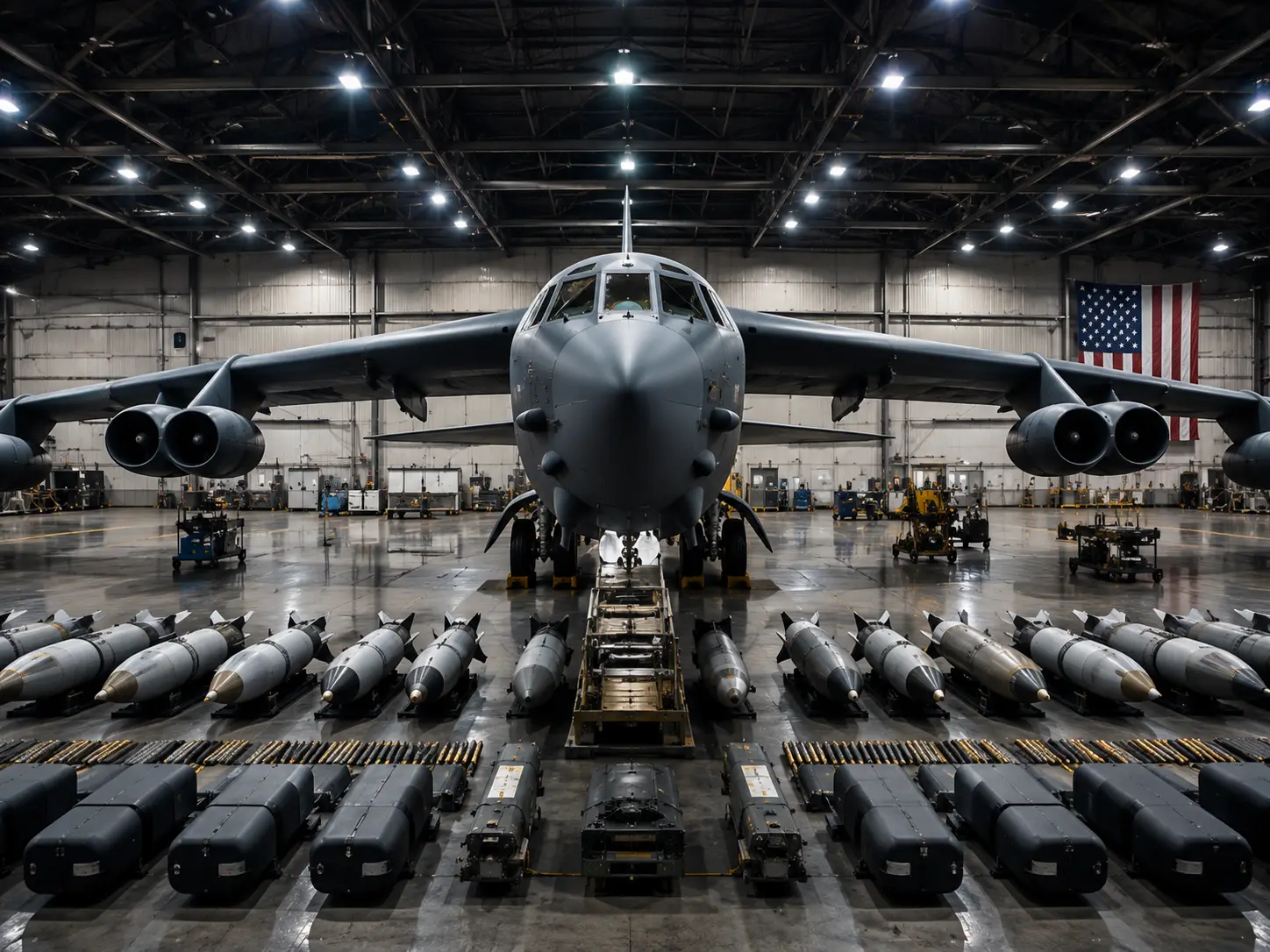
The Two-Bomber Strategy
Defence planners are rapidly shifting towards a streamlined future strike fleet consisting of exactly two aircraft types. The classic B-52 will operate directly alongside the highly classified B-21 Raider, while legacy B-1 and B-2 bombers are eventually retired.
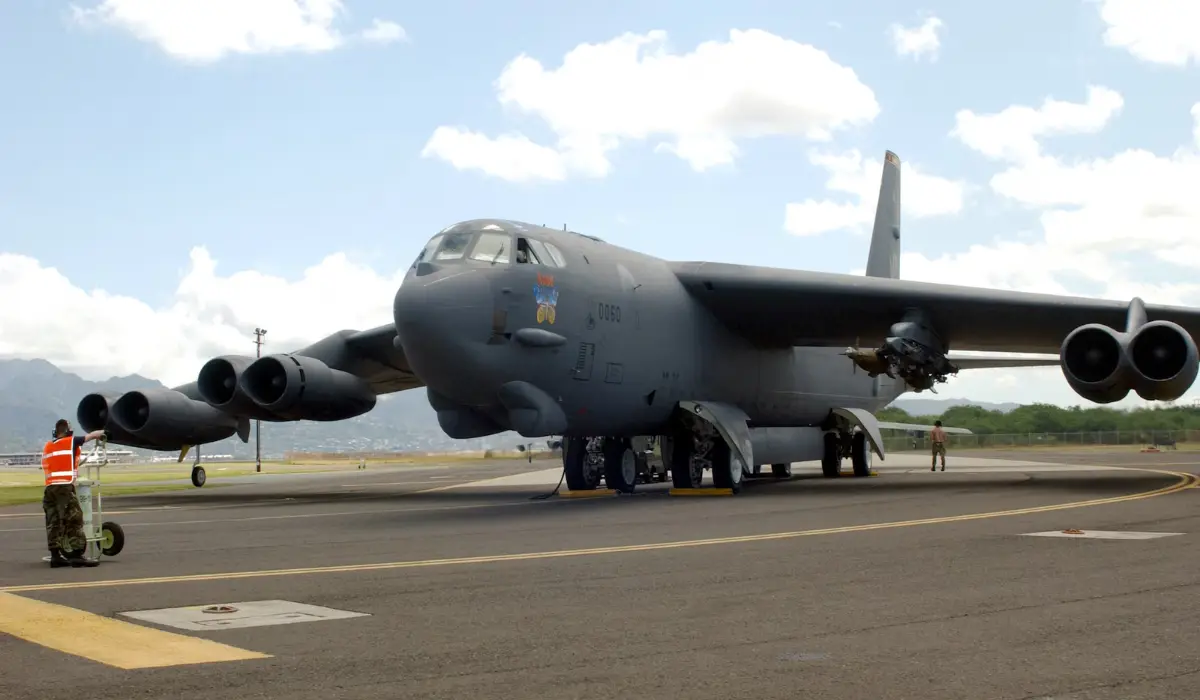
The Engine Revolution
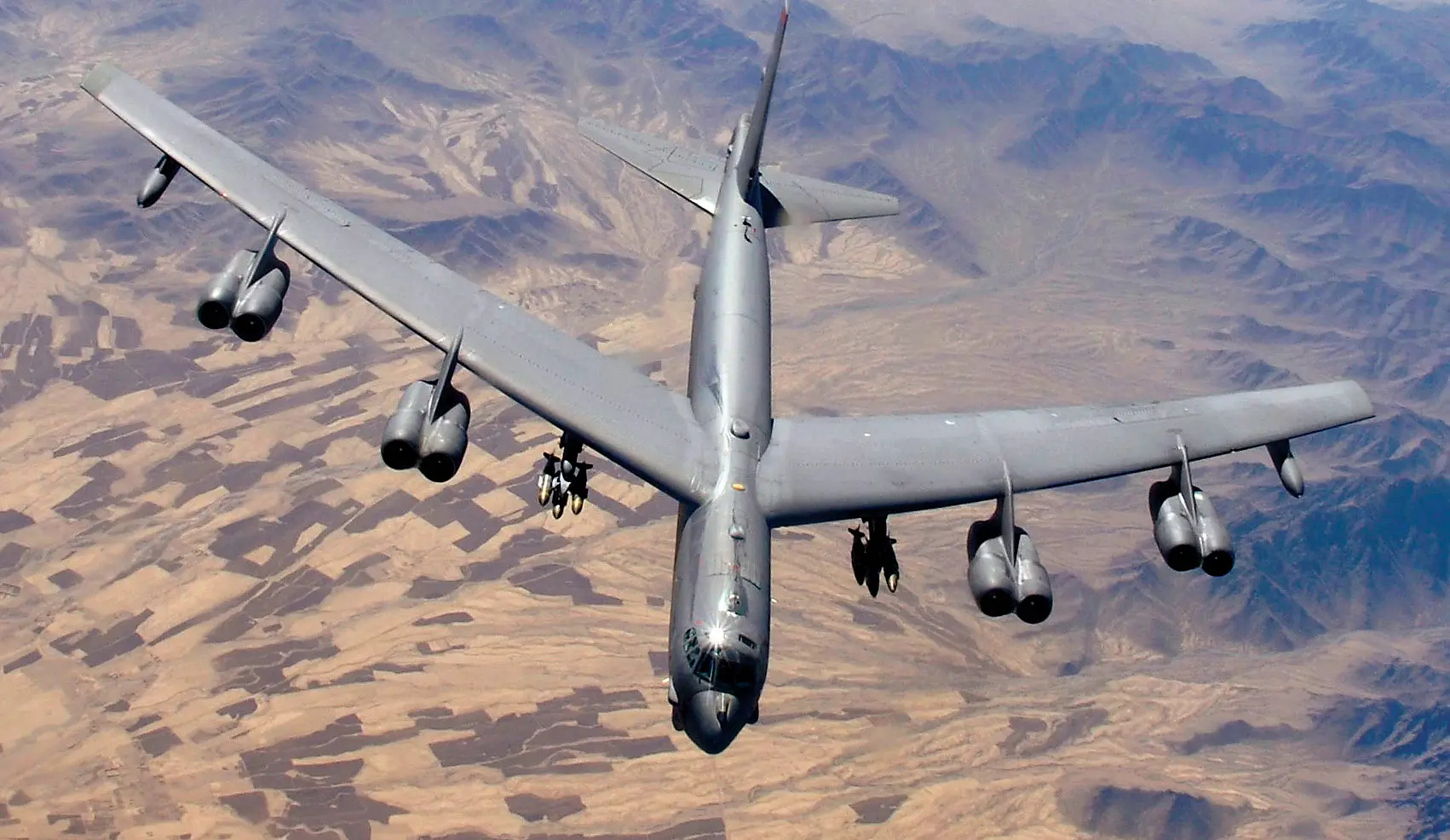
The bulk of this massive budget funds the Commercial Engine Replacement Program to remove the aircraft's 1960s-era powerplants. All 76 active bombers will receive eight modern Rolls-Royce F130 turbofan engines to drastically improve fuel efficiency and operational range.
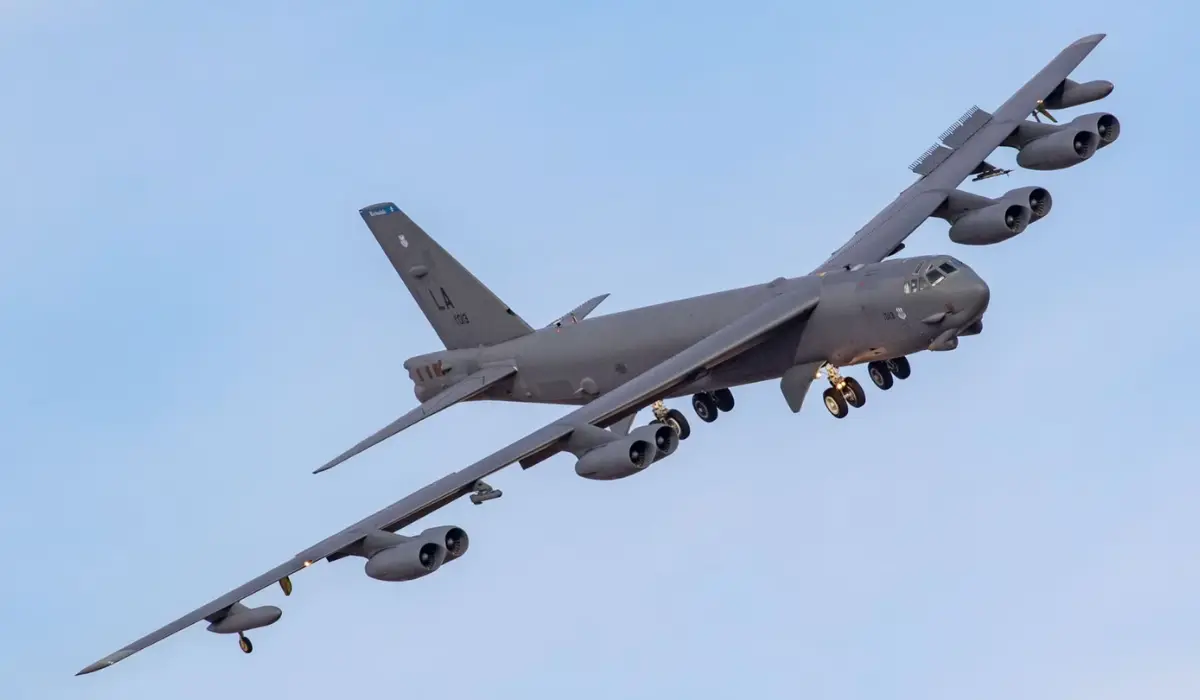
Advanced Digital Vision
The military is also spending over US$3.3 billion to integrate the advanced Raytheon AN/APQ-188 radar system. This active electronically scanned array technology vastly improves target acquisition and all-weather navigation across contested environments.
The Ultimate Missile Truck
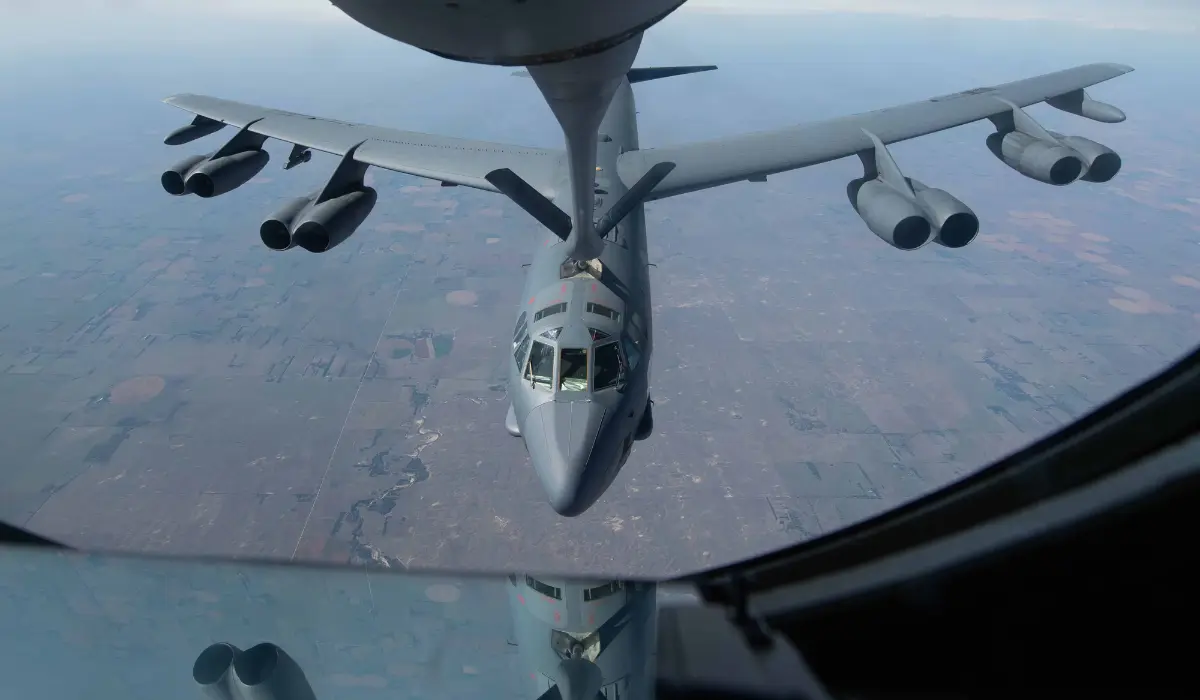
Instead of penetrating hostile airspace directly, the upgraded bomber will serve as an unmatched standoff weapons platform. Its massive payload capacity allows crews to launch dozens of precision-guided cruise missiles safely from outside enemy air defences.
Lower Operating Costs
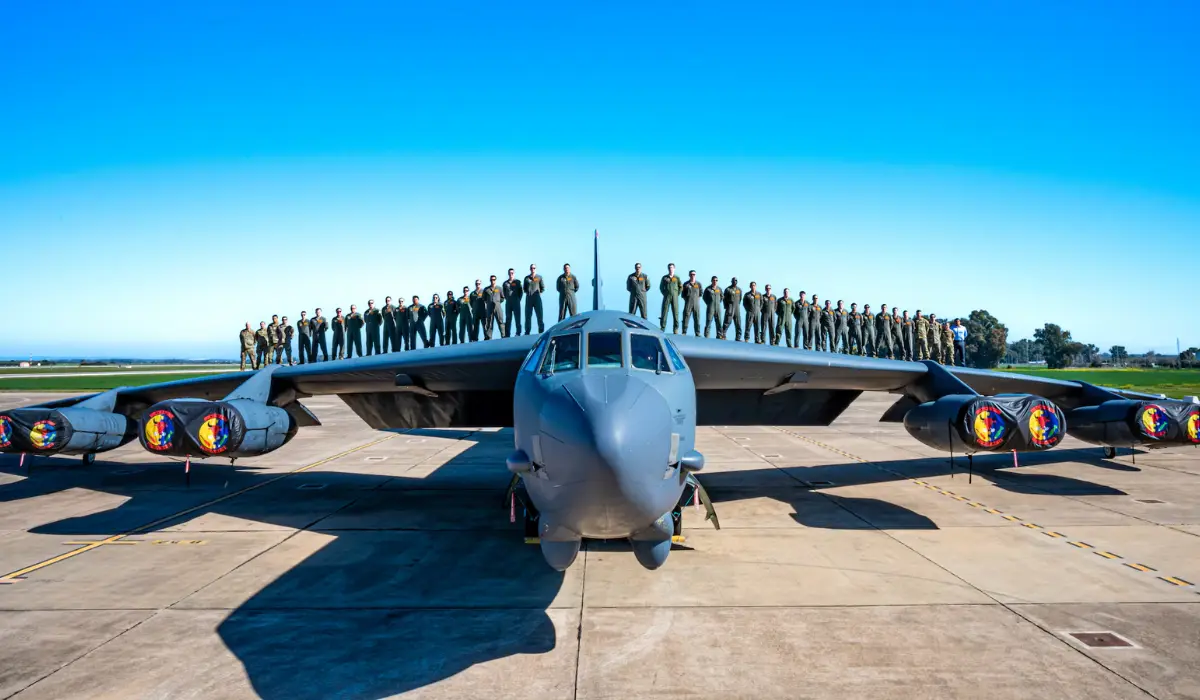
Despite the massive upfront modernisation price tag, the B-52 remains significantly cheaper to operate than modern stealth alternatives. The aircraft entirely lacks fragile radar-absorbing coatings, making it far easier and less expensive to maintain during global deployments.
A Century of Service
Following these extensive engine and radar modifications, the modernised fleet will officially be redesignated as the B-52J. By the time it finally leaves active duty, the iconic aircraft will have served the American military for nearly a century.
)
)
)
)
)