Why B-2 bomber has no tail?

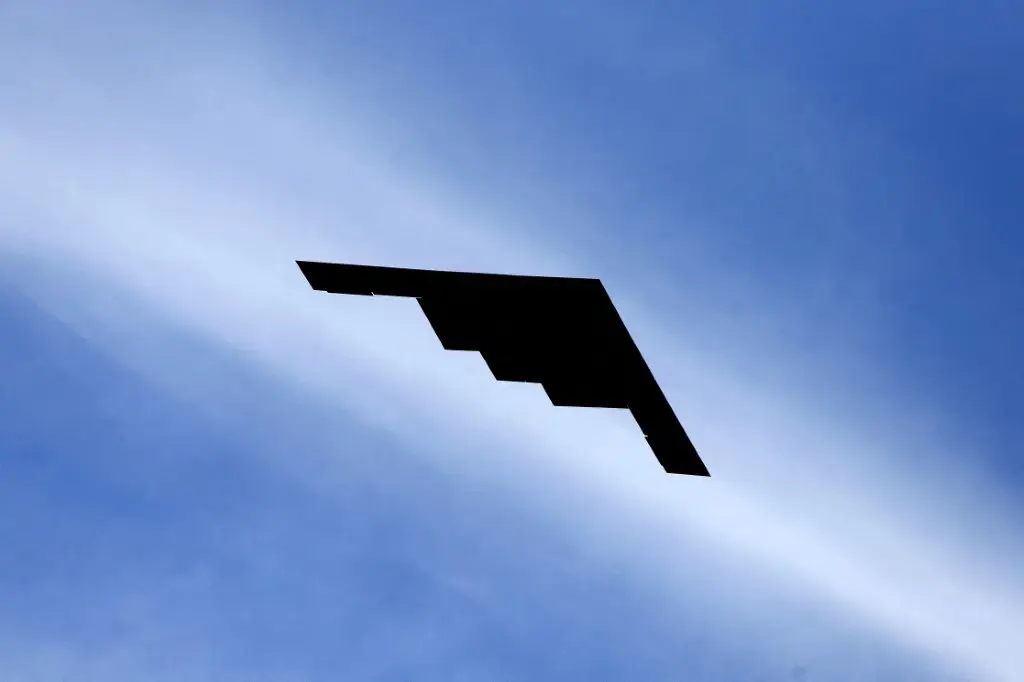
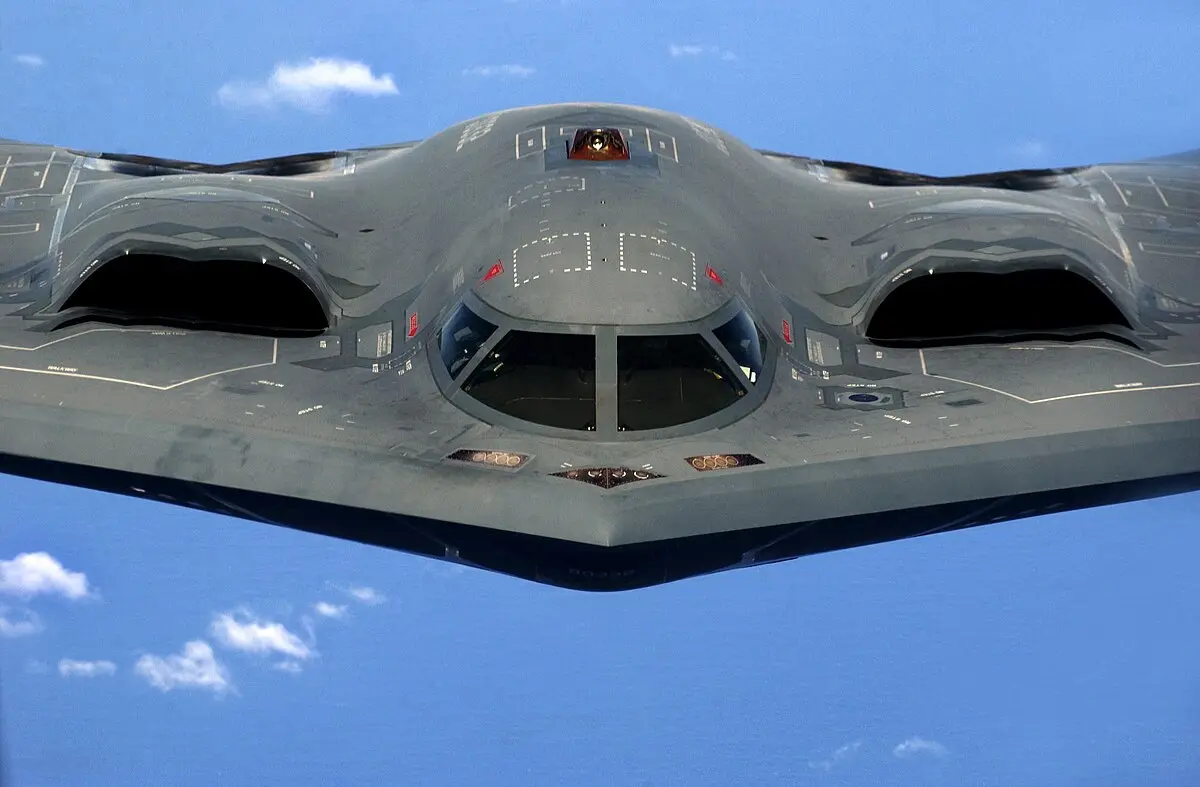
Every conventional aircraft has a vertical tail. The B-2 Spirit does not. No rudder, no vertical stabiliser, no horizontal tailplane. The aircraft is a pure flying wing — a shape that conventional aerodynamics says should be unstable and uncontrollable. It stays in the air because computers make 40 corrections per second that no human pilot could manage. Pilots who fly it describe the experience as unlike anything else in aviation.
Why Every Conventional Plane Has A Tail
The tail of a conventional aircraft performs two critical functions: the vertical fin provides directional stability, keeping the nose pointed forward rather than yawing sideways, and the horizontal stabiliser manages pitch, keeping the nose from pitching up or down uncontrollably. Without these surfaces, a conventional fuselage-and-wing design would be aerodynamically unstable and impossible to control. The tail is not optional — it is fundamental to how aircraft fly.
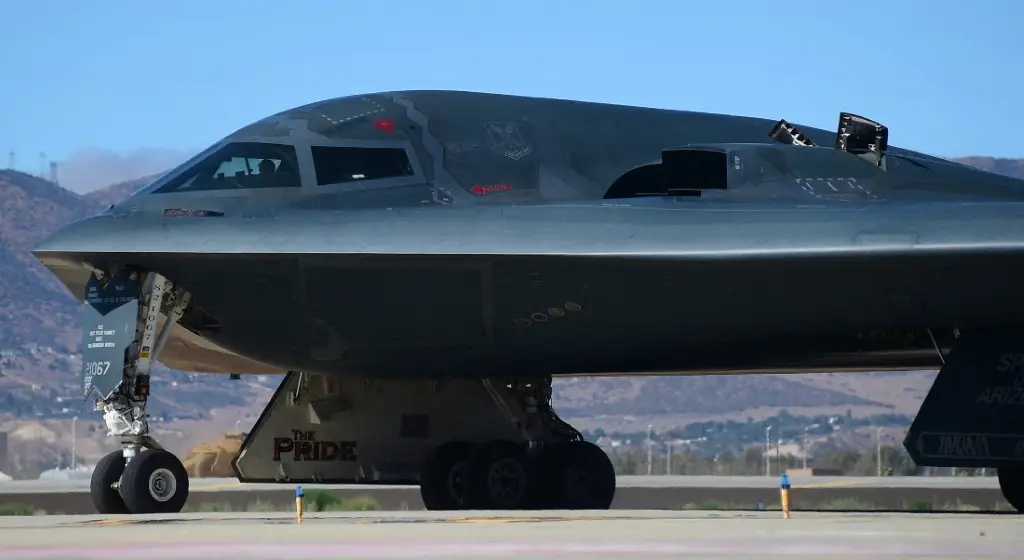
Why The B-2 Has No Tail
Vertical surfaces on an aircraft are strong radar reflectors. A conventional tail, seen from the side, sends radar energy directly back to the transmitter, a clean, strong signature. Eliminating the tail eliminates that radar return. The B-2's flying-wing design removes all vertical surfaces from the aircraft, reducing its radar cross-section dramatically. The aerodynamic stability that a tail normally provides is replaced entirely by computer-managed flight controls, a trade-off that was only possible because of advances in digital flight control systems.
The Flying Wing: An Old Idea Made Practical
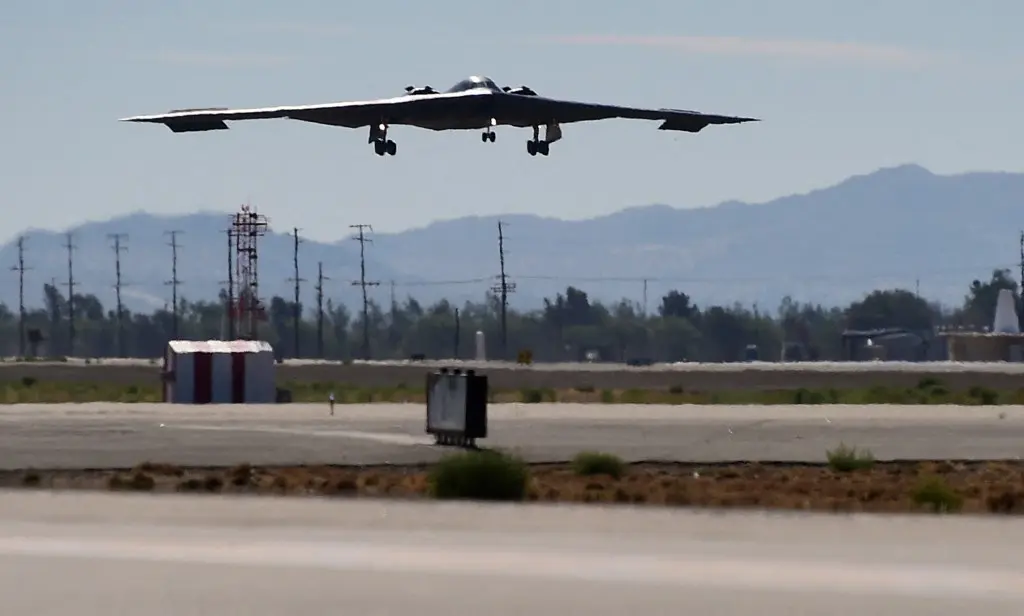
The concept of a flying wing, an aircraft that is essentially just a wing with no fuselage or tail, dates back to the 1940s. Jack Northrop built several flying-wing prototypes in the late 1940s that were cancelled. The aerodynamic concept worked, but the flight control technology of the era could not manage the inherent instability. When digital computers became capable of thousands of corrections per second in the 1980s, the flying wing became practical for the first time.
Forty Corrections Per Second
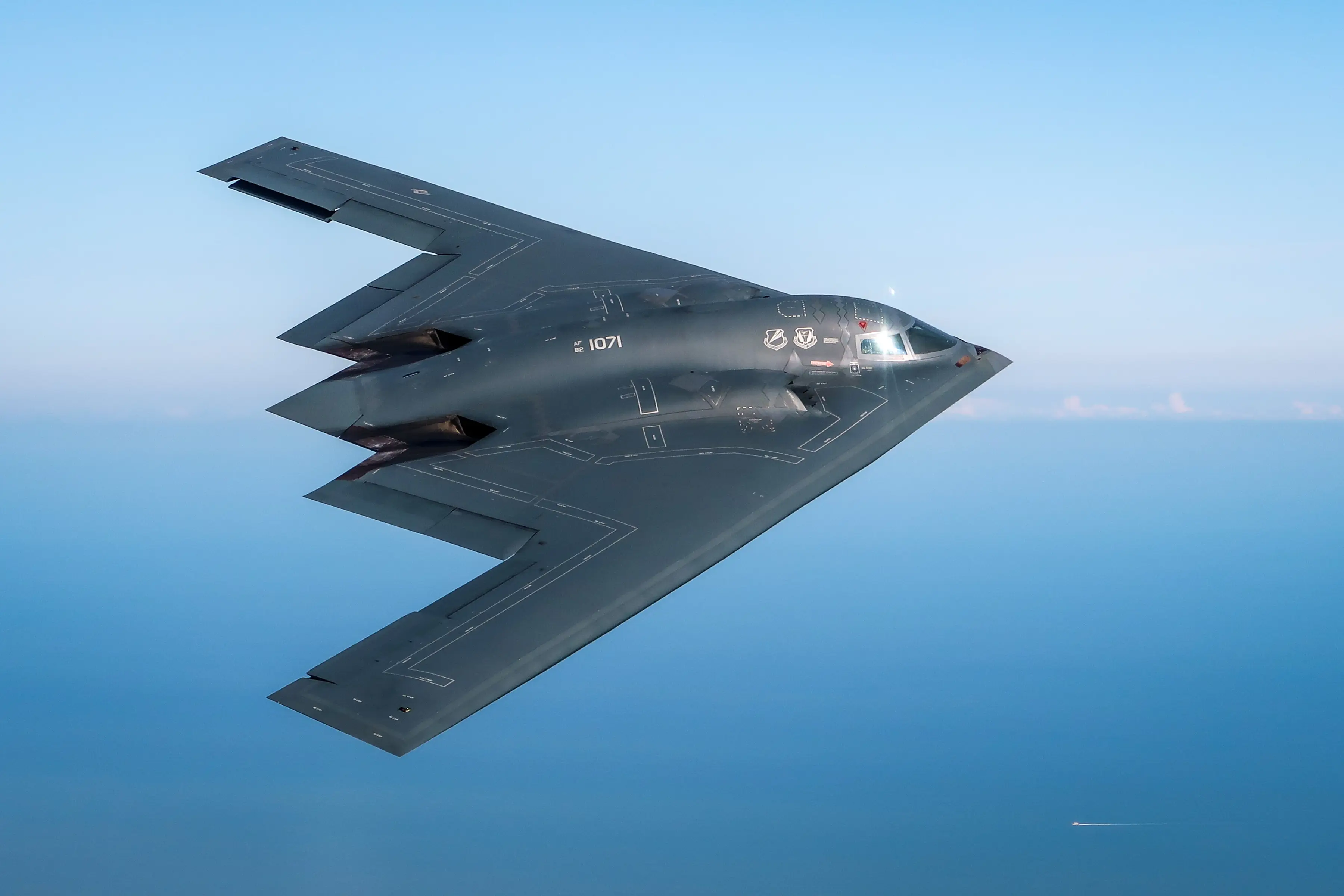
The B-2 is what engineers call ‘inherently unstable’ in certain flight modes, meaning that without constant computer correction, it would depart controlled flight. The fly-by-wire system makes approximately 40 control surface adjustments per second to maintain stable flight. The pilot inputs a command, turn left, climb, descend, and the computer translates that command into the specific combination of control surface movements required to execute it without destabilising the aircraft. The pilot flies intentions. The computer flies the aircraft.
What Pilots Say About Flying It
B-2 pilots consistently describe the aircraft as extraordinarily smooth and responsive, more like flying a large executive jet than a heavy bomber. The fly-by-wire system filters out turbulence inputs automatically, making the ride unusually comfortable for an aircraft of its size. At the same time, the aircraft's handling characteristics are unlike anything else in the Air Force inventory. Pilots transitioning from conventional aircraft describe a period of adjustment to an aircraft that flies like ‘a giant frisbee’ their own analogy.
How It Turns Without A Rudder
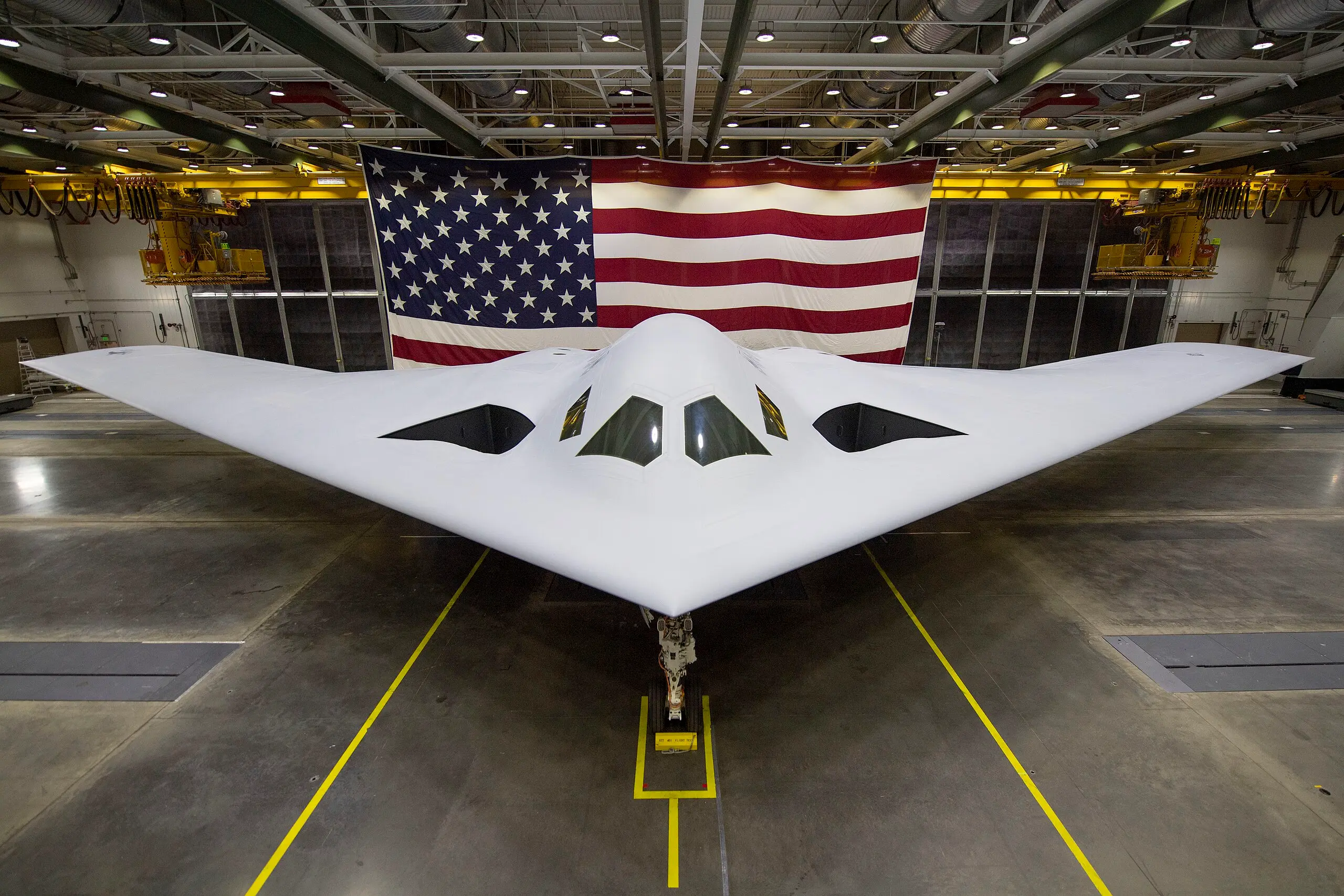
On a conventional aircraft, turning is initiated by banking with the ailerons and coordinated with rudder to prevent the nose from yawing. The B-2 has no rudder. Directional control is achieved through split drag rudders, panels on the wing trailing edge that can open like a clamshell, creating drag on one side to yaw the aircraft in that direction. Combined with differential thrust from the four engines, the system provides full directional control without any vertical surface. It works, but it is mechanically and computationally more complex than a conventional rudder.
The Design That Proved Northrop Right
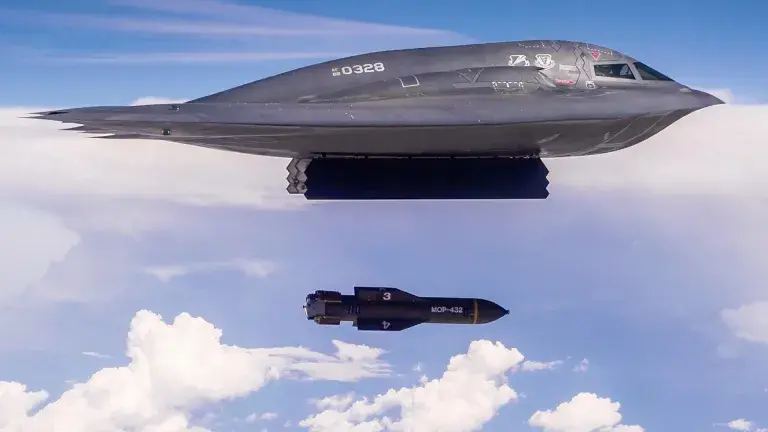
Jack Northrop, who pioneered the flying-wing concept in the 1940s, lived to see the B-2 programme begin before his death in 1981. He reportedly saw a classified model of the aircraft and recognised it as the fulfilment of what he had been trying to build four decades earlier. The B-2 is not just a stealth aircraft — it is the proof that the flying-wing concept, dismissed as impractical for most of aviation history, was always aerodynamically sound. The technology just needed 40 years to catch up.
)
)
)
)
)