Why B-2 bomber cannot get wet? Here is how rain can destroy a $2 billion machine

The B-2 Spirit's stealth capability depends on a radar-absorbing coating applied to every surface of the aircraft. That coating is sensitive to moisture, heat, and humidity. Rain damages it. Tropical air degrades it. The B-2 cannot be parked outside overnight in most climates. Every base that operates it requires a specialised climate-controlled hangar — and that requirement has shaped every deployment decision the aircraft has ever been part of.
Why Stealth Depends On The Skin
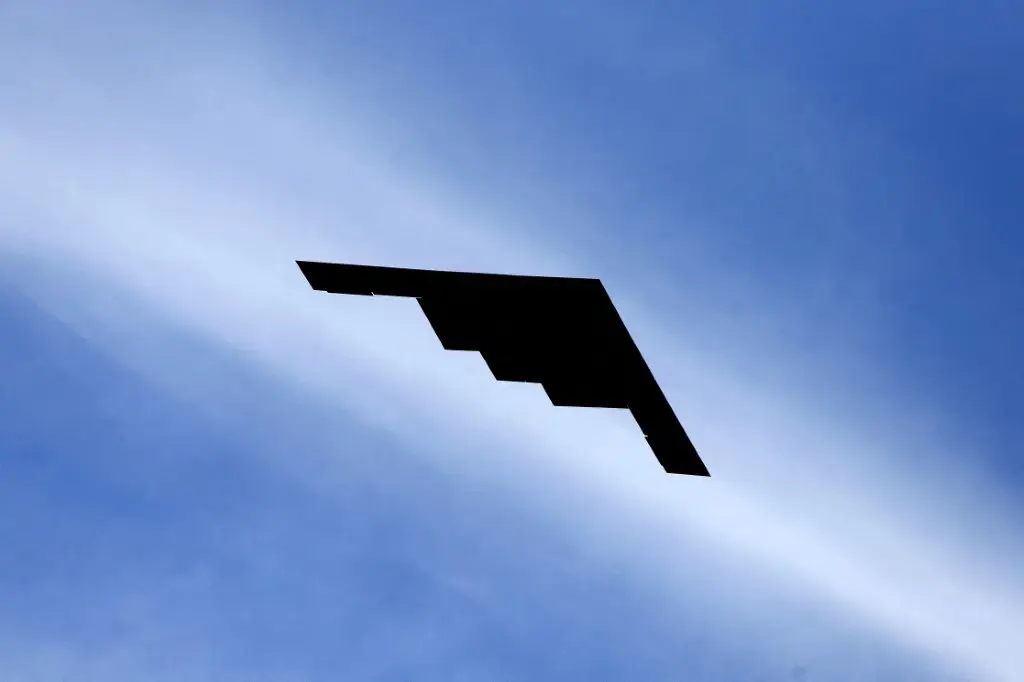
The B-2's low radar signature comes from two sources: its flying-wing shape, which reflects radar energy away from the receiver, and its radar-absorbing material coating, which absorbs rather than reflects radar waves. The coating is applied in multiple layers across the aircraft's entire surface. It is not paint in any conventional sense — it is a precisely engineered composite material that functions as part of the aircraft's stealth system. If it degrades, the aircraft becomes more visible to radar.
What Moisture Does To The Coating
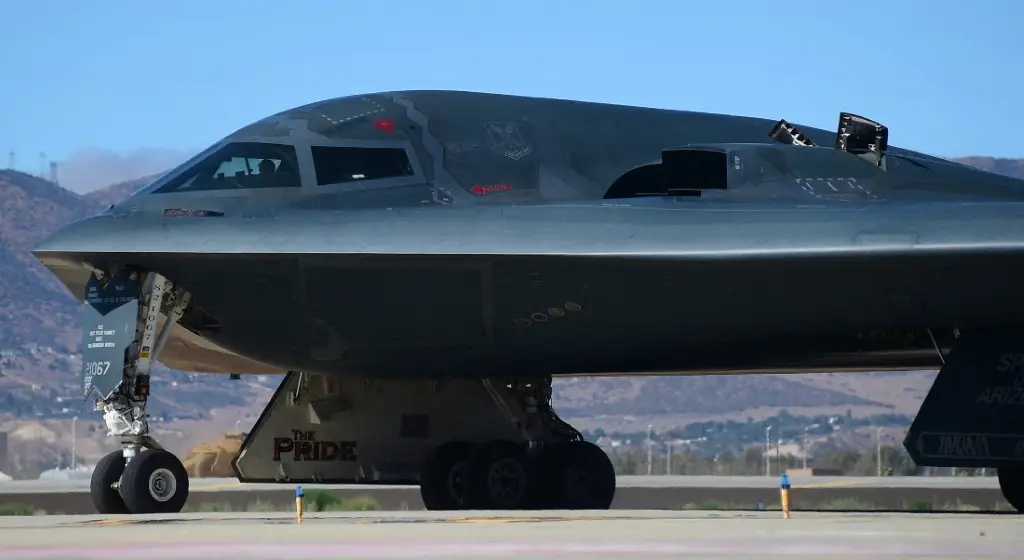
The radar-absorbing material on the B-2 is hygroscopic — it absorbs water molecules from the atmosphere. Moisture penetration alters the material's electromagnetic properties, degrading its ability to absorb radar energy. Rain does not immediately destroy stealth capability, but sustained exposure to moisture and humidity causes cumulative degradation that requires maintenance-intensive repair. In tropical climates, ambient humidity alone is enough to accelerate the deterioration of the coating over time.
The Climate-Controlled Hangar Requirement
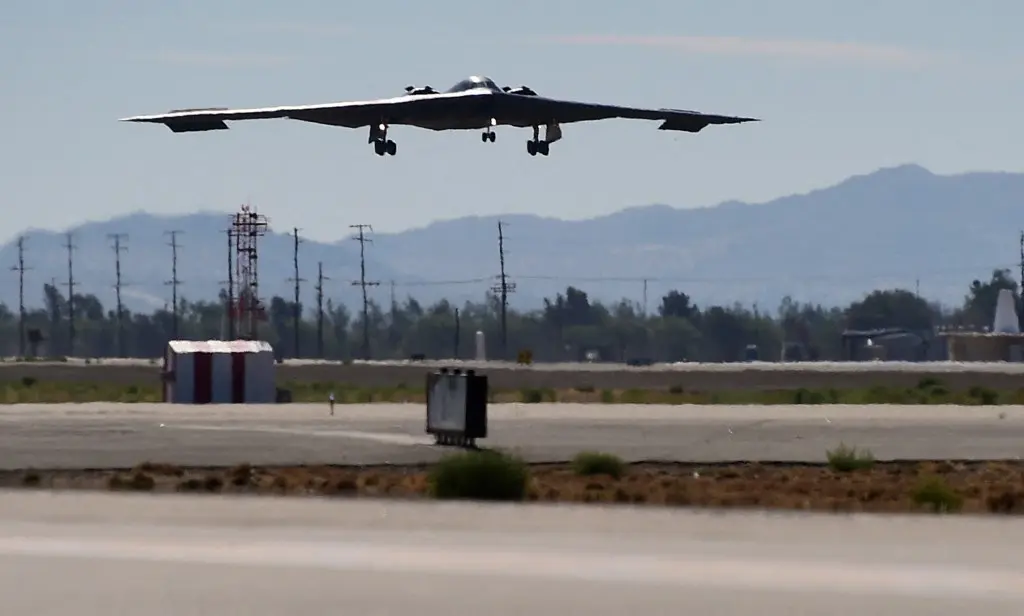
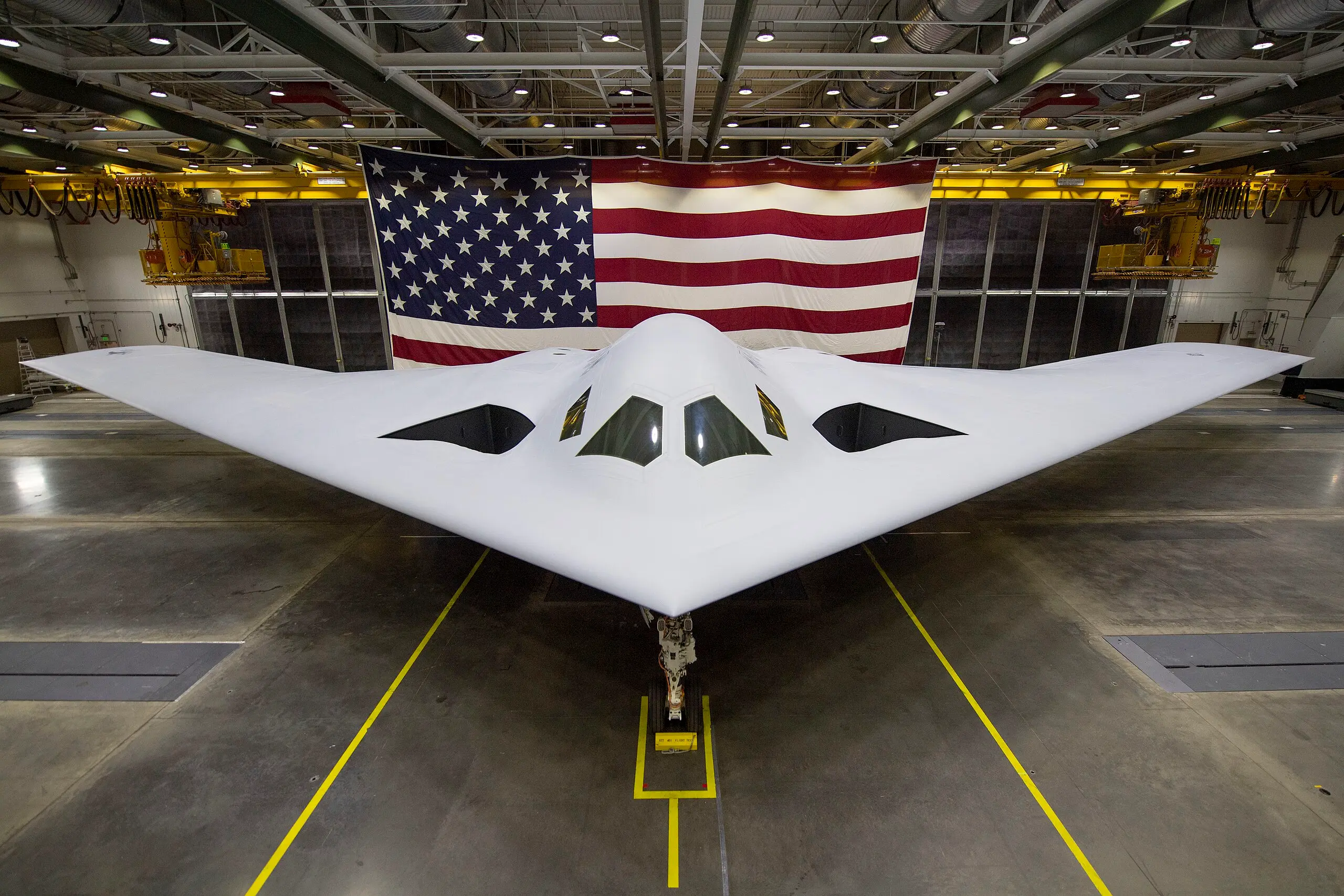
Every B-2 must be stored in a climate-controlled environment when not flying. The primary base for all B-2 operations is Whiteman Air Force Base in Missouri — chosen in part because its continental climate is relatively kind to the aircraft's skin. The hangars at Whiteman maintain specific temperature and humidity levels. When the B-2 deploys overseas, specialised shelter systems called Flexible Maintenance Shelters must be pre-positioned and operational before the aircraft arrives.
The Logistics Of Deploying A Plane That Needs Its Own Hotel
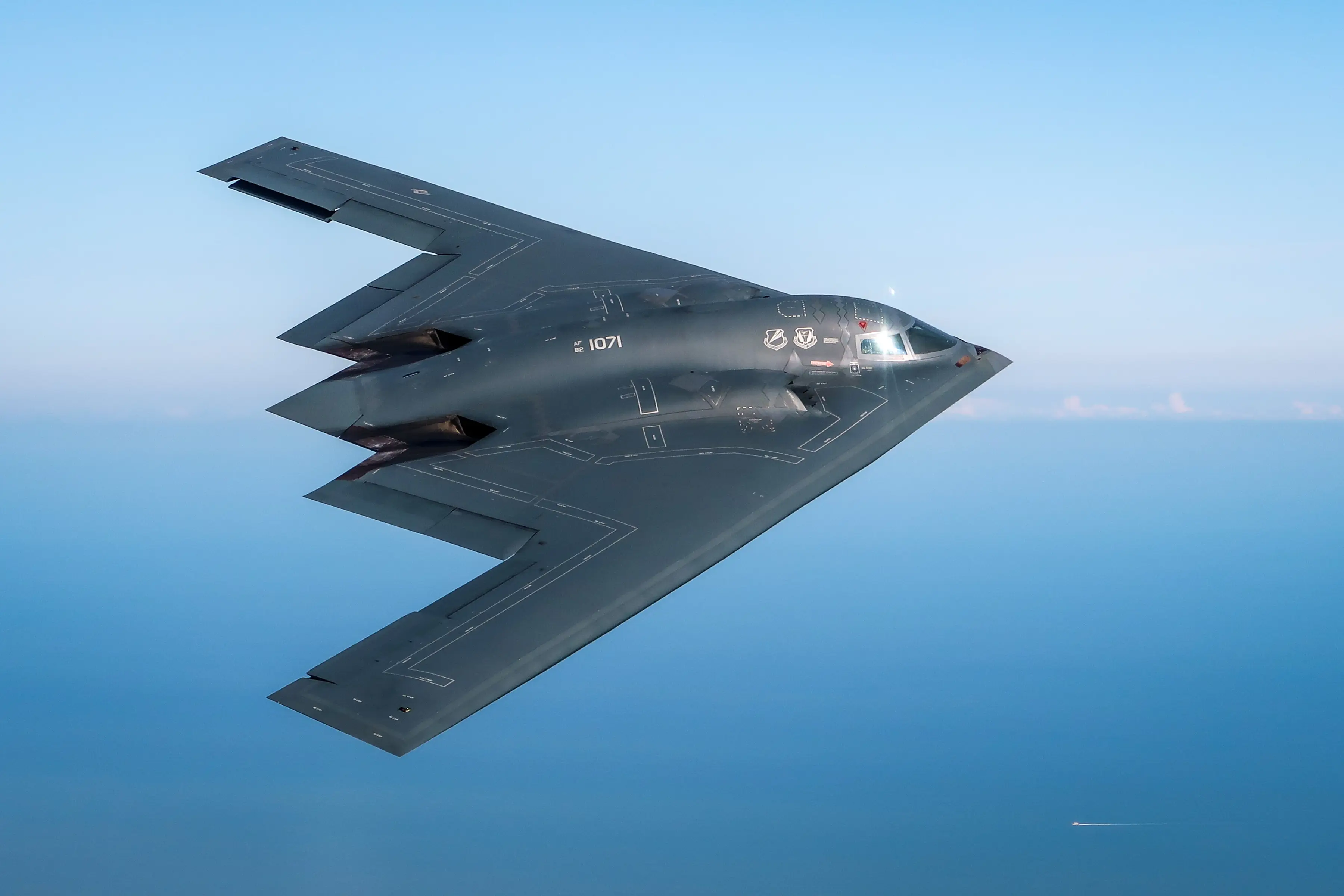
Deploying a B-2 to a forward base is not like deploying any other aircraft. Weeks before the aircraft arrives, a logistics team must arrive to assemble and prepare the maintenance shelter, verify climate control systems, stock specialised coating repair materials, and train local maintenance personnel. The aircraft cannot simply land at any available airfield. The infrastructure has to be built for it first.
What Happens When It Gets Caught In Rain
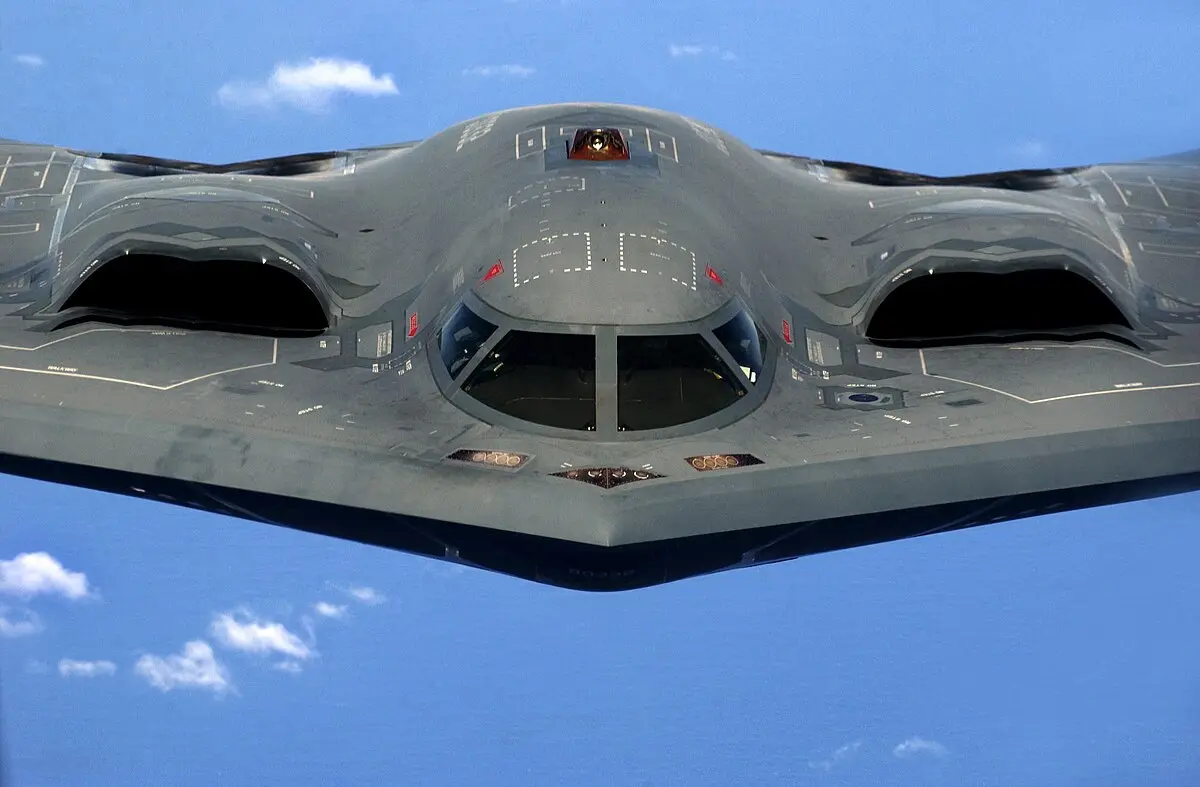
The B-2 does fly in rain — it is not grounded by wet weather. But after flying through precipitation, the coating must be inspected and repaired where necessary before the next mission. Maintenance crews use specialised tools and materials to assess and restore the radar-absorbing surface. A mission that involves heavy rain or icing can generate hours of post-flight maintenance work. This is one reason B-2 missions are planned carefully around weather — not because the aircraft cannot fly in rain, but because rain creates maintenance cost.
The Incident That Made The Coating Problem Famous
During early B-2 deployments, the time required to maintain the aircraft's stealth coating between missions significantly limited the operational tempo the Air Force could sustain. A B-2 that flew one mission might require 50 or more hours of maintenance before it was ready to fly again. The programme subsequently invested heavily in improved coating materials and faster repair processes, reducing maintenance burden — but the fundamental sensitivity to environmental exposure has never been fully eliminated.
Why This Shapes Every B-2 Decision
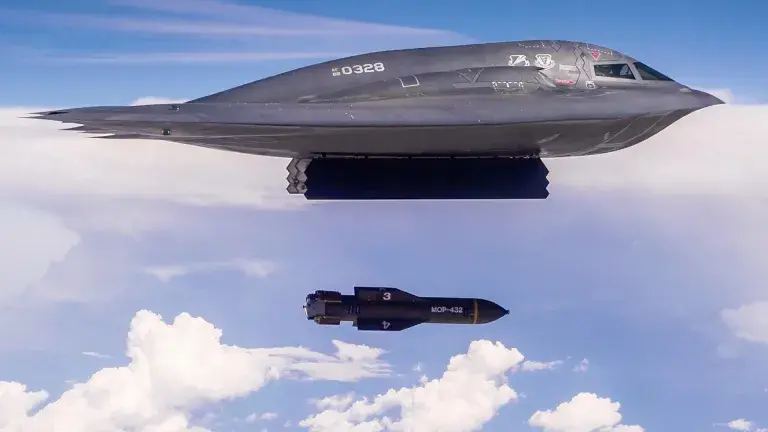
The B-2's coating sensitivity is not a flaw that went unnoticed. It was a known trade-off accepted when the aircraft was designed: maximum stealth performance in exchange for high maintenance demands. Every B-2 mission profile, every deployment location, every basing decision has been shaped by it. The aircraft exists at the intersection of extraordinary capability and extraordinary fragility — a combination that makes it unlike any other weapon system in service and that defines the operational reality of flying the world's most expensive bomber.
)
)
)
)
)