44 hours from Missouri to bomb Afghanistan and back! B-2 bombers longest combat mission in aviation history

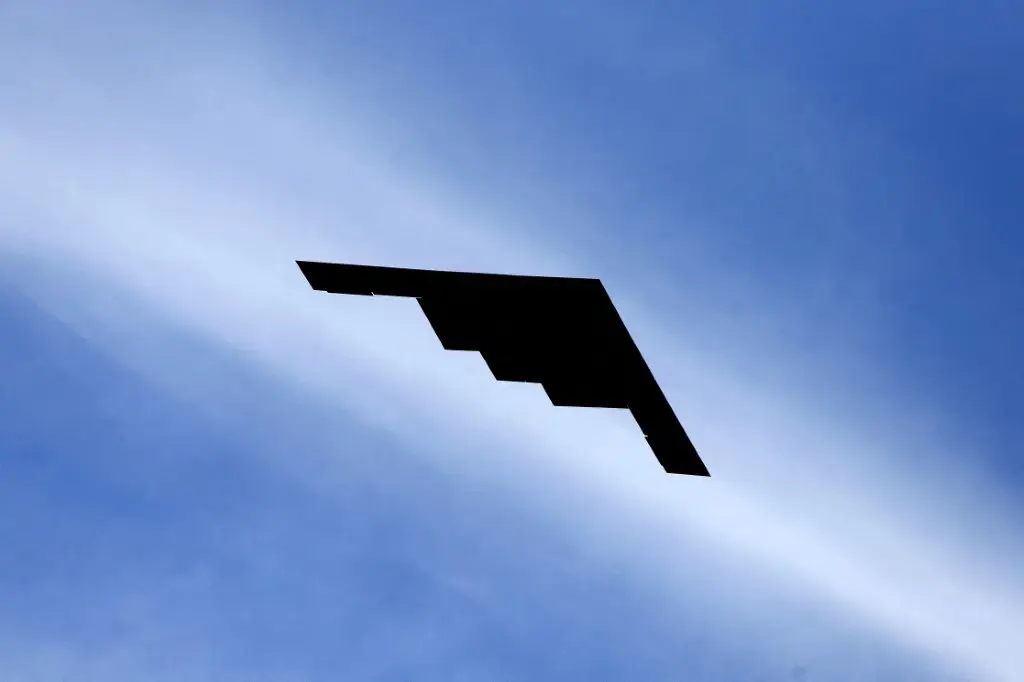
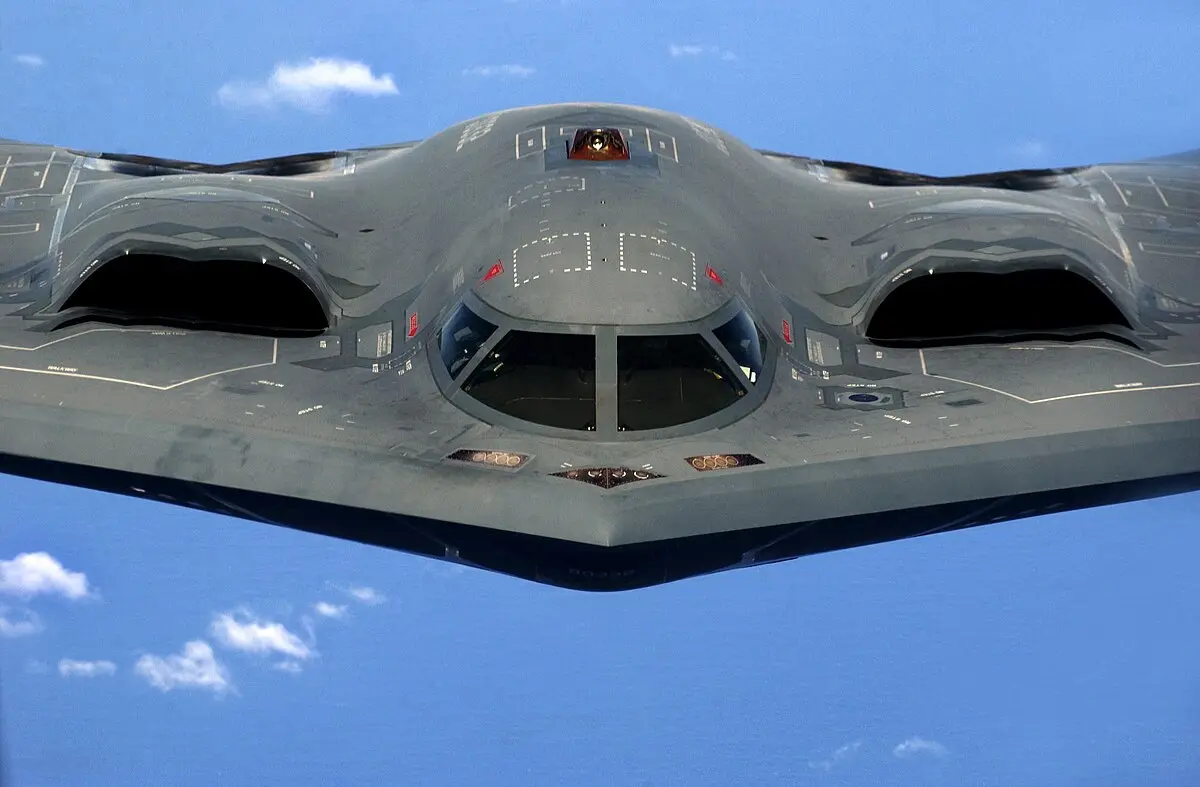
On October 7, 2001, the night the US began its military campaign in Afghanistan, B-2 Spirit bombers took off from Whiteman Air Force Base in Missouri, and flew 44 hours round trip to deliver their weapons. Two pilots. No break. Multiple aerial refuellings over the Atlantic, the Middle East, and the Indian Ocean. It remains the longest combat bombing mission ever flown.
Why Missouri To Afghanistan?
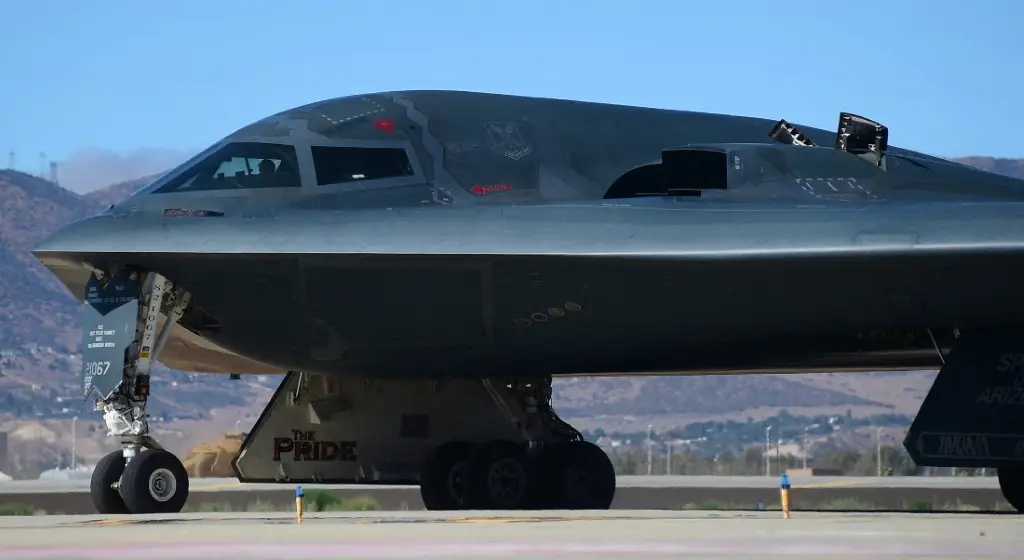
The B-2's only permanent operating base is Whiteman Air Force Base in Missouri, near Kansas City. No other location in the world has the climate-controlled infrastructure required to maintain the aircraft. When the US decided to strike Afghanistan on October 7, 2001, the B-2 was needed — and it had to fly from Missouri. The round trip from Whiteman to Afghanistan and back covers approximately 22,000 miles. There was no shortcut.
The Mission Profile
The B-2s took off in the early hours, rendezvoused with KC-135 tanker aircraft multiple times over the Atlantic, the Mediterranean, and the Indian Ocean to maintain fuel levels, flew into Afghan airspace at altitude, released their weapons on Taliban command infrastructure and air defence targets, and then flew back the way they came — refuelling again on the return leg. Total mission time from takeoff to landing: approximately 44 hours.
Two Pilots, 44 Hours, No Relief
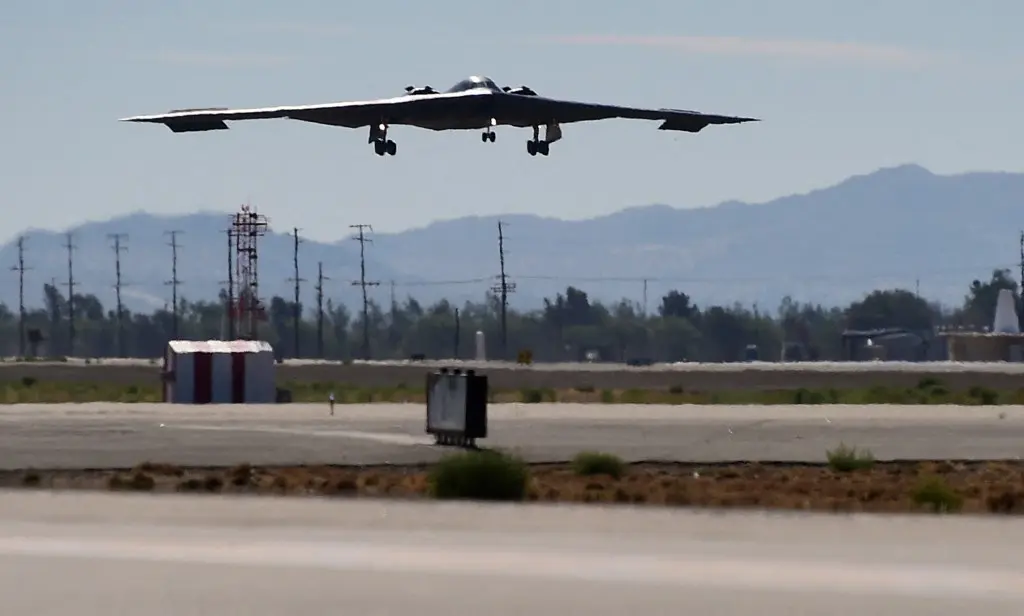
The B-2 carries a crew of two — a pilot and a mission commander. On ultra-long missions, the two crew members rotate rest periods while the other flies the aircraft. There is a small crew rest area behind the cockpit where one person can lie down. Hot food from a microwave, a chemical toilet, a sleeping mat. The aircraft manages much of its flight autonomously, but the crew must remain alert for refuellings, combat phases, and any emergency. Forty-four hours is approximately four times a normal working day.
What Made This Mission Possible
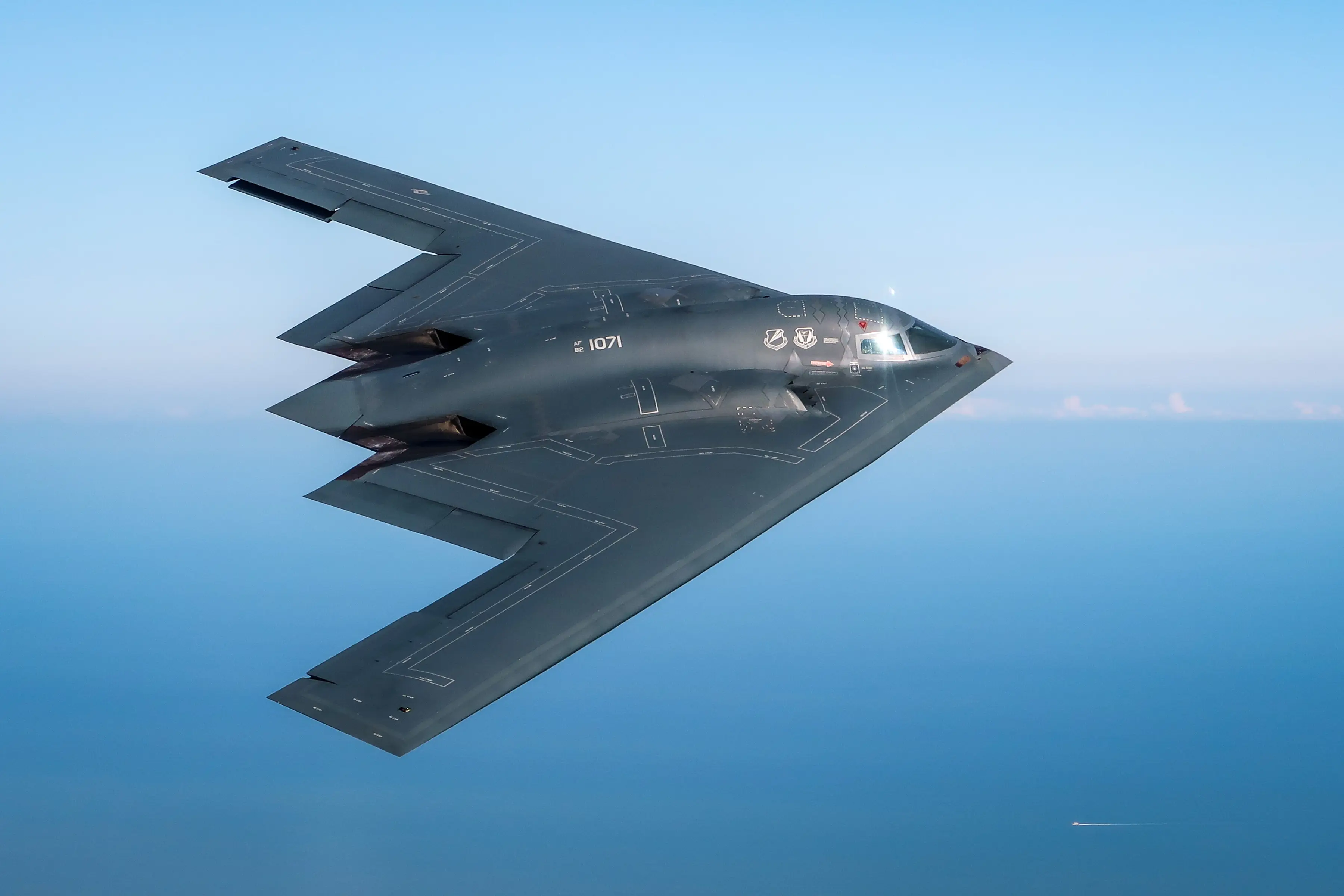
Three things enabled a 44-hour combat mission from Missouri: the B-2's global range when combined with aerial refuelling, its stealth capability that allowed it to enter Afghan airspace without fighter escort or suppression support, and its massive payload allowing it to carry enough weapons to justify the journey. No other aircraft in the world could have done all three simultaneously. A non-stealthy aircraft would have needed forward basing, fighter escorts, and suppression aircraft — all of which required time to position that the mission did not have.
The Targets They Hit
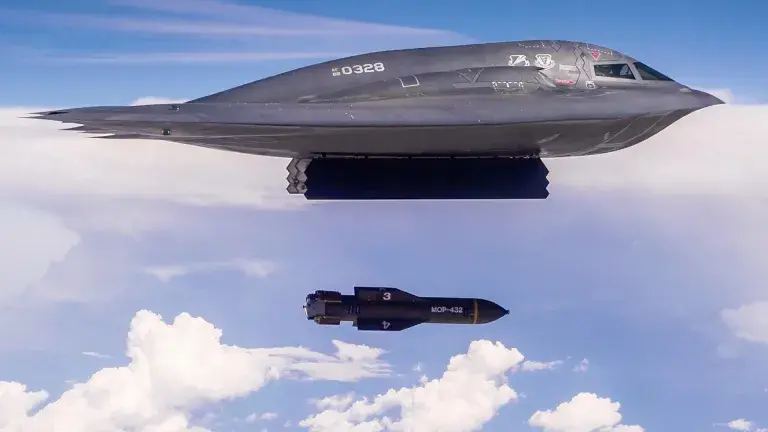
The October 7 missions struck Taliban air defence systems, command and control infrastructure, and early warning radars — the targets that would need to be destroyed to allow subsequent conventional aircraft to operate in Afghan airspace. The B-2's stealth allowed it to hit these targets on the first night of the campaign, before any suppression of enemy air defences had occurred. Within hours of the B-2 strikes, the Taliban's integrated air defence was effectively destroyed.
The Crews Who Flew It
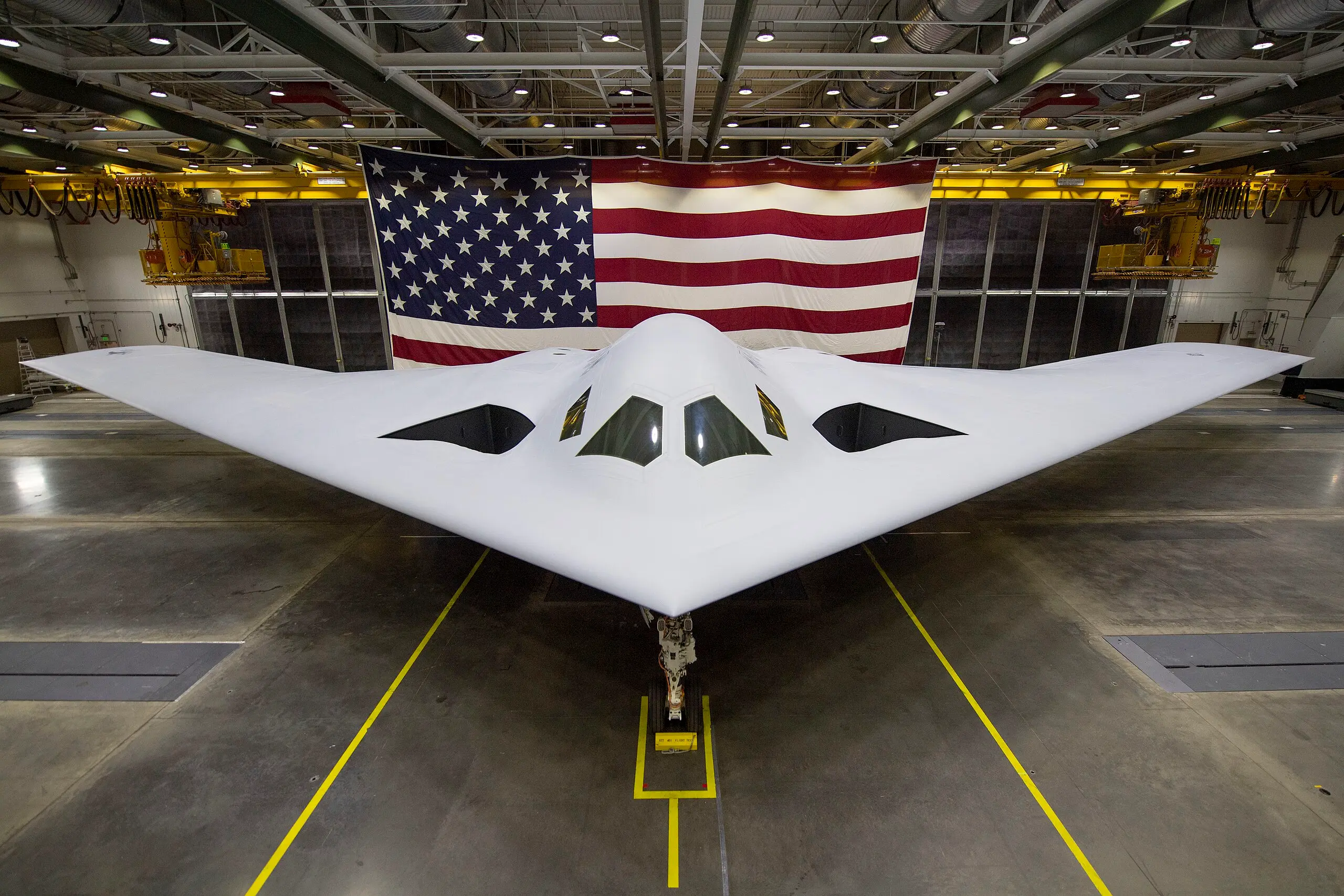
B-2 crews who have described ultra-long missions report that the most difficult phase is not the combat portion but the return leg — the final hours of flight after weapons have been released, when the mission is functionally complete but the aircraft still has 10 or 12 hours of flying remaining. The psychological shift from active mission to long transit home, combined with accumulated fatigue, makes the return as demanding in its own way as the approach to target.
The Record That Still Stands
The 44-hour B-2 missions flown on October 7, 2001 remain the longest combat bombing missions in aviation history. The B-52 has flown longer endurance missions in training, but not in combat. No other aircraft type has come close to a 44-hour operational combat sortie. The record reflects a specific moment when the only aircraft capable of the mission had to fly it from the only place it could legally and logistically launch — and the distance between those two points was halfway around the world.
)
)
)
)
)