Why only 21 B-2 bombers were built?

On February 23, 2008, a B-2 Spirit crashed on the runway at Andersen Air Force Base in Guam during takeoff. It was the first combat loss of a B-2 in the aircraft's history. Both crew members ejected safely. The aircraft — worth $1.4 billion — was destroyed. The US Air Force went from 21 B-2s to 20. Congress has never funded replacements. There will never be 21 again.
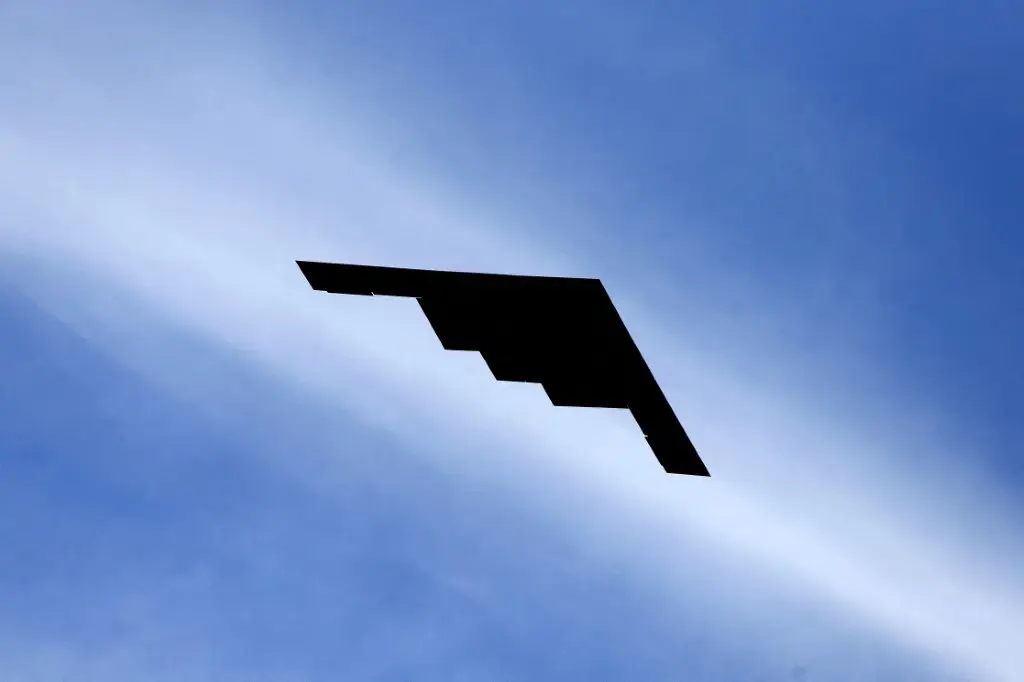
The Morning Of February 23, 2008
The B-2 Spirit ‘Spirit of Kansas’ was preparing to depart Andersen Air Force Base in Guam on a routine training mission. During the takeoff roll, something went wrong. The aircraft lifted off, stalled, and crashed back onto the runway, catching fire. Both pilots ejected successfully and survived with minor injuries. The aircraft was completely destroyed. The wreckage cost the United States $1.4 billion.
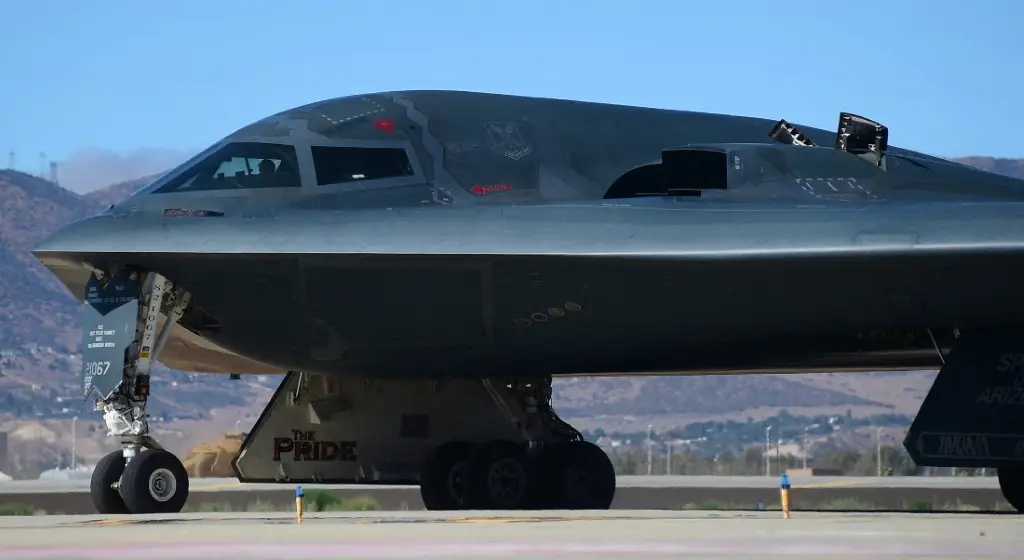
What Caused The Crash
The investigation found that moisture had entered the aircraft's air data system sensors — the sensors that measure airspeed and angle of attack. The moisture caused the system to provide incorrect data to the flight control computers during the takeoff roll. The computers, receiving bad sensor readings, gave incorrect commands to the control surfaces. The aircraft rotated at the wrong angle, stalled at low altitude, and there was no altitude to recover. The crash was caused by moisture — the same environmental vulnerability that defines so much of the B-2's maintenance requirements.
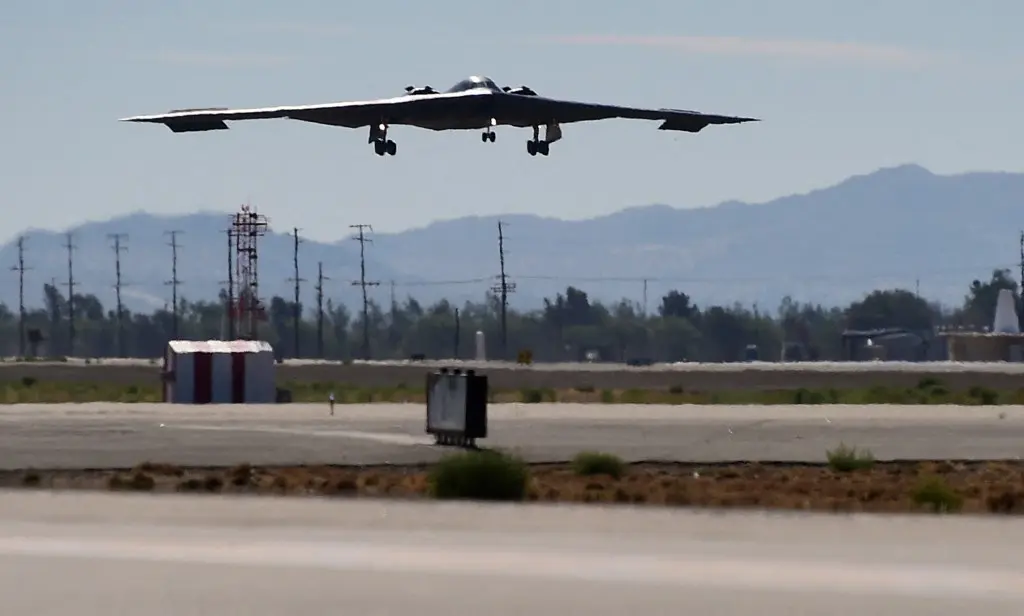
A $1.4 Billion Write-Off
The ‘Spirit of Kansas’ was written off as a total loss. At $1.4 billion, it was the most expensive aircraft accident in US Air Force history. The insurance payout — yes, military aircraft carry insurance — covered a fraction of the replacement cost. The Air Force did not receive a replacement aircraft. The fleet went from 21 to 20, and it has stayed at 20 ever since.
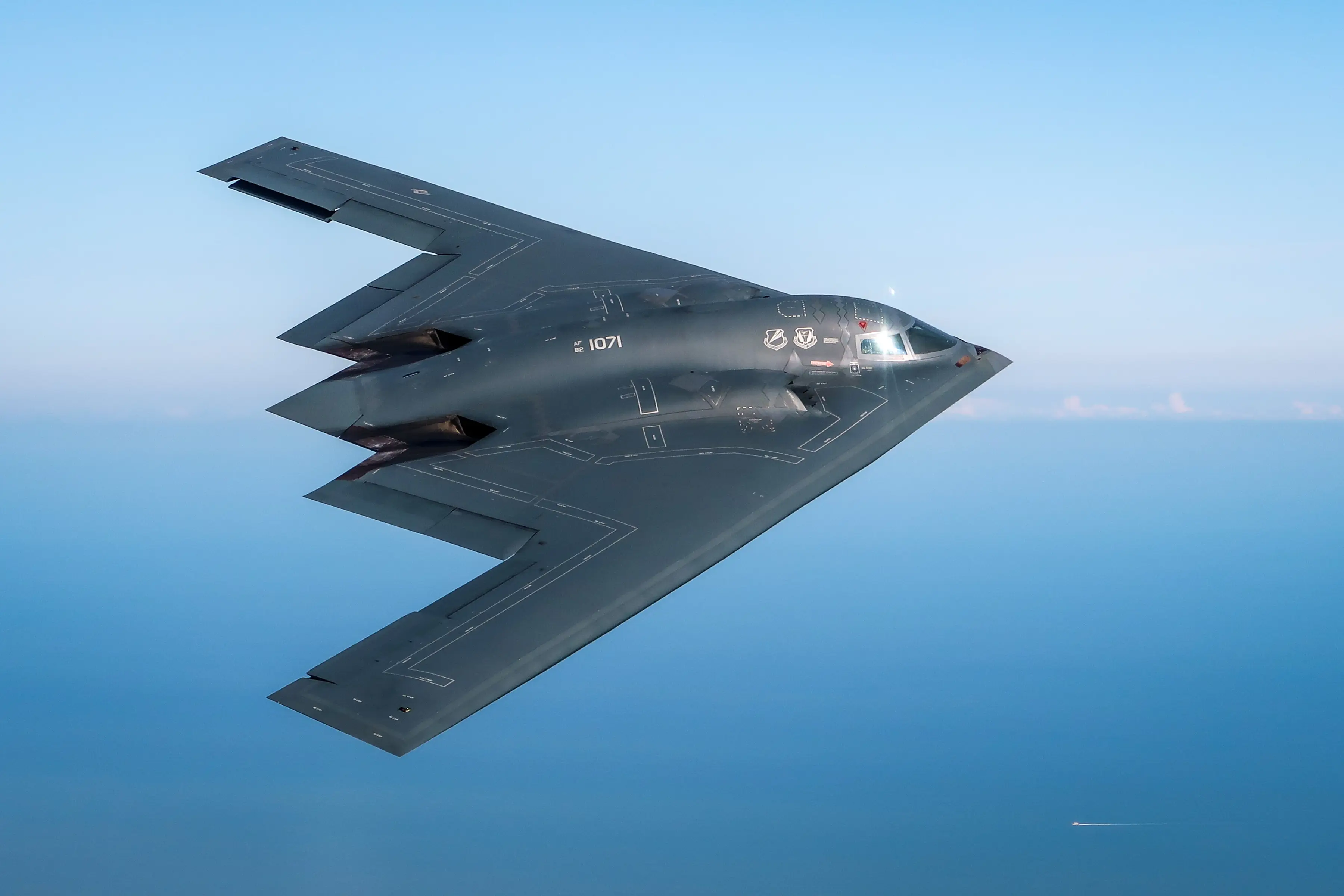
Why Congress Never Funded A Replacement
After the crash, the US Air Force requested funding to restore the fleet to 21 aircraft. The request was denied. The per-unit cost of adding a single additional B-2 — with its development costs long amortised over the original production run — would have been extraordinarily high. Congress, already scrutinising defence spending heavily in the late 2000s, declined to fund a replacement for an aircraft type whose production line had been closed since 2000.
The Production Line That Cannot Be Restarted
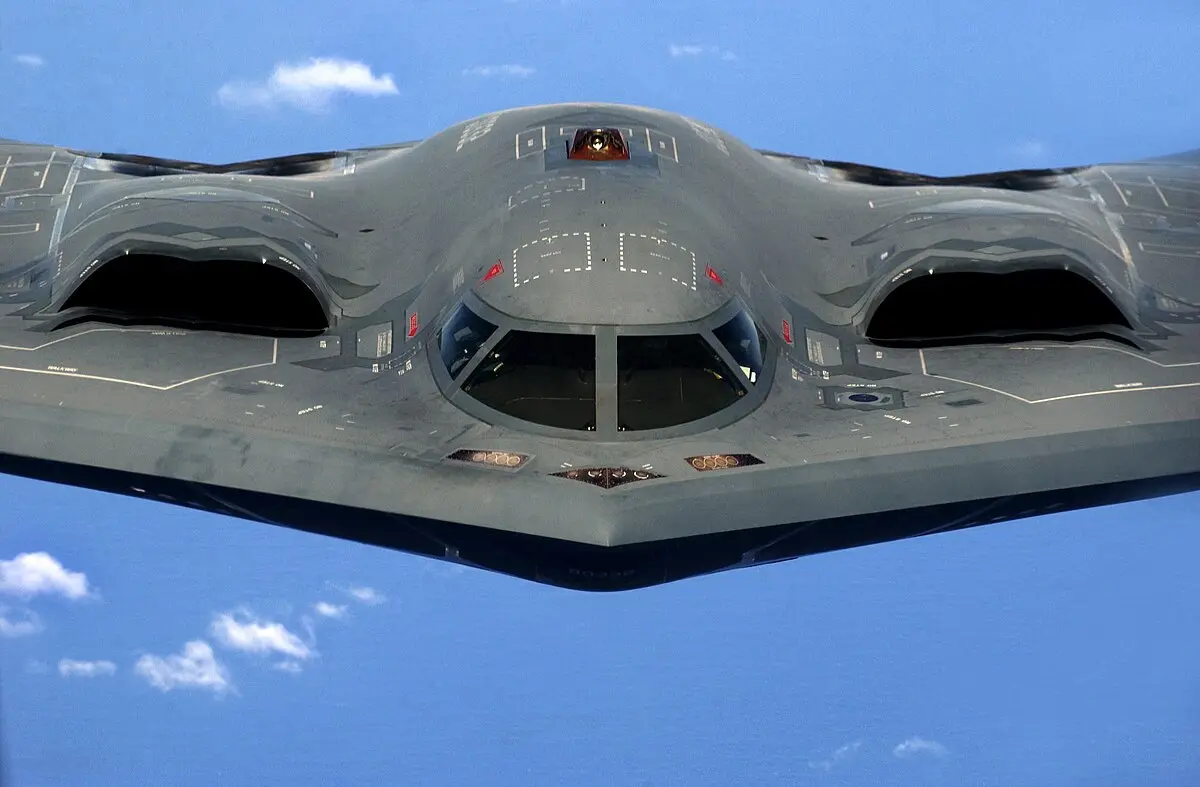
The B-2 was manufactured by Northrop Grumman at a facility in Palmdale, California. The production line was shut down when the last aircraft was delivered in 2000. The tooling, the manufacturing processes, the supplier relationships, and the workforce that built the B-2 no longer exist in their original form. Restarting production would not be a matter of reopening a factory — it would require rebuilding an entire industrial capability from scratch, at a cost that the Air Force estimates would be prohibitive.
What 20 Means Strategically
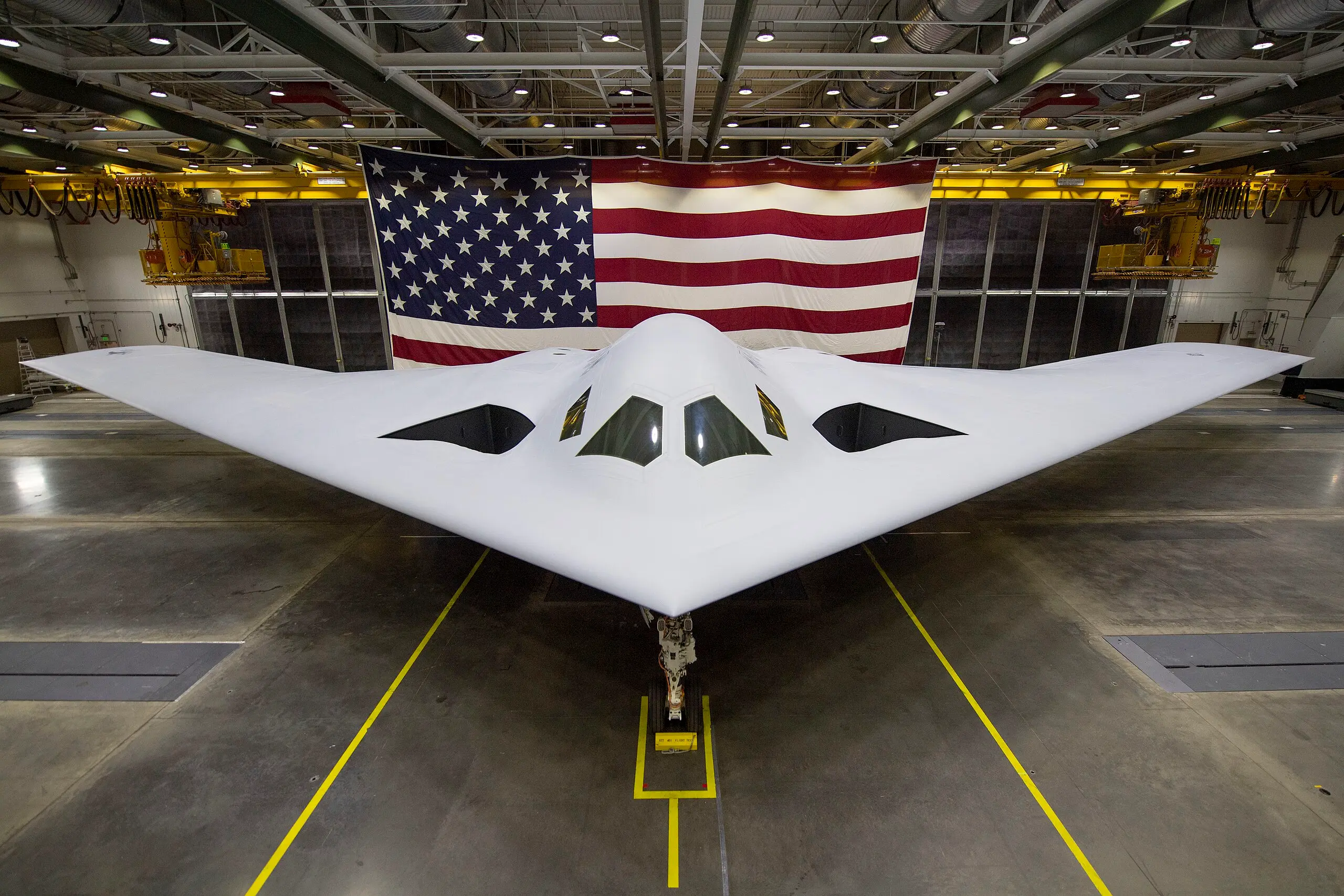
The US Air Force operates 20 B-2s from a single base. At any given time, several are undergoing maintenance and not mission-capable. The effective operational availability is typically around 12 to 16 aircraft on any given day. That is the entirety of America's penetrating stealth bomber force — 12 to 16 aircraft capable of flying into heavily defended airspace. Every strategic planner in the world knows this number. It is a known constraint on American military options.
The Successor That Is Meant To Replace It
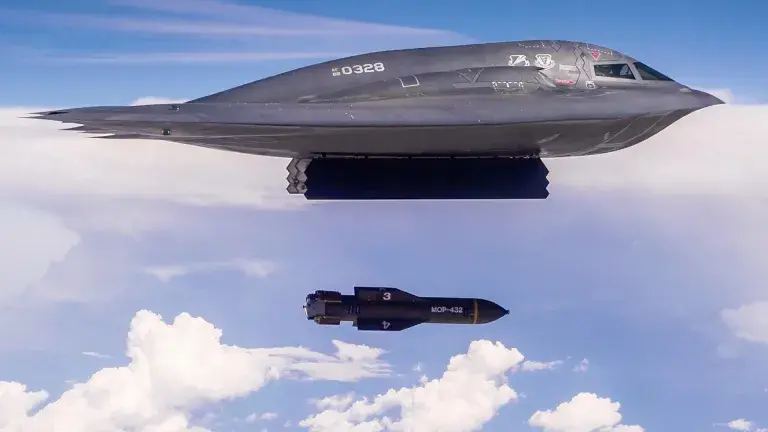
The B-21 Raider, which entered service in 2024, is designed to eventually replace both the B-2 and the B-1B Lancer. The Air Force plans to procure at least 100 B-21s — restoring a meaningful penetrating stealth bomber fleet after decades with only 20 B-2s. The B-2 will continue flying alongside the B-21 until the mid-2030s, when retirements are expected to begin. The ‘Spirit of Kansas,’ destroyed on a Guam runway in 2008, will never be replaced. But the capability it represented is finally being rebuilt.
)
)
)
)
)