B-52 and KC-135: How America’s oldest bomber and tanker continue to power US Air Force today

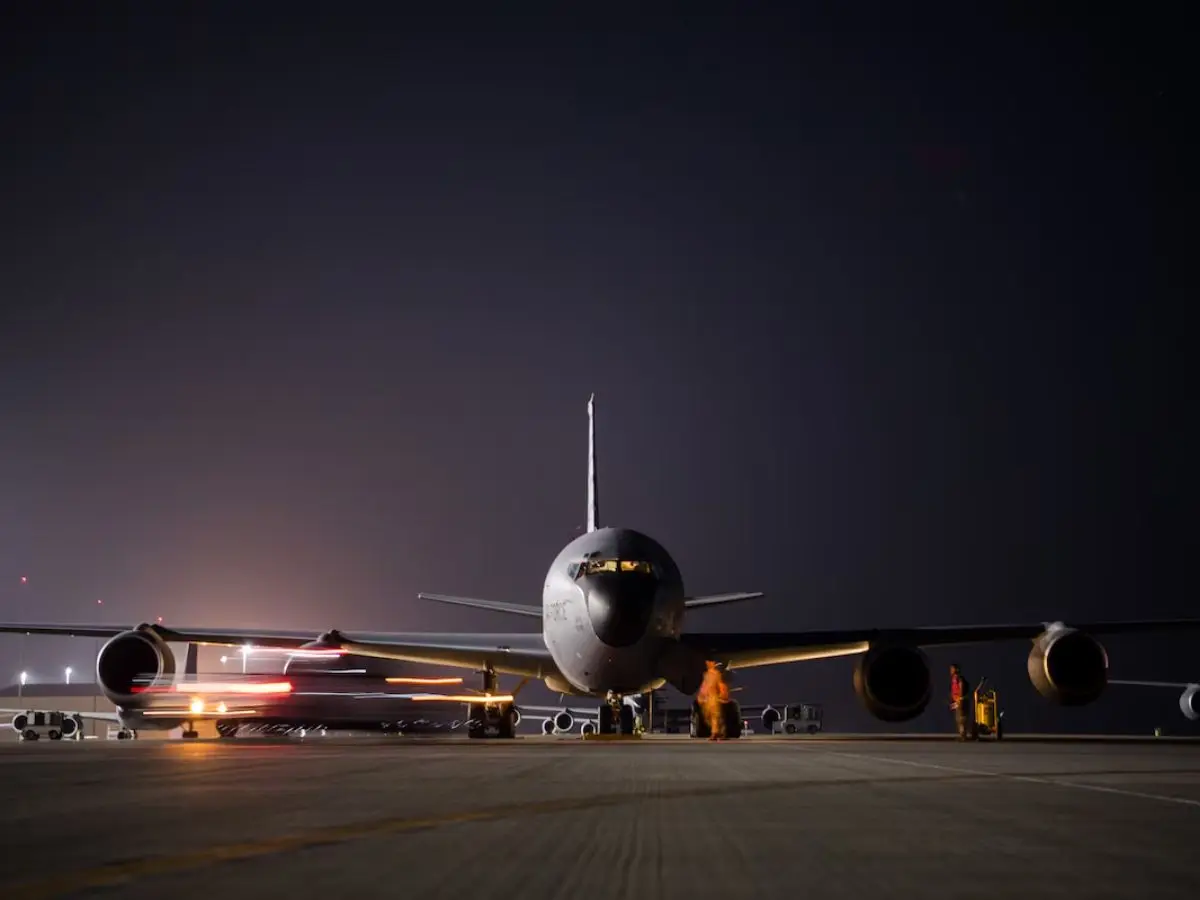
Both of these aircrafts began operation in the late 1950s and continue to perform critical roles decades later. While the B-52 provides long-range strike capability, the KC-135 delivers essential aerial refuelling support to other aircrafts.
Introduction: two 1950s aircraft still central to operations
The Boeing B-52 Stratofortress and the Boeing KC-135 Stratotanker are among the oldest aircraft types still in service with the United States Air Force. Both of these aircrafts began operation in the late 1950s and continue to perform critical roles decades later. While the B-52 provides long-range strike capability, the KC-135 delivers essential aerial refuelling support to other aircrafts that extends the global reach of US and allied airpower.
The role of the B-52 in US Air Force strategy
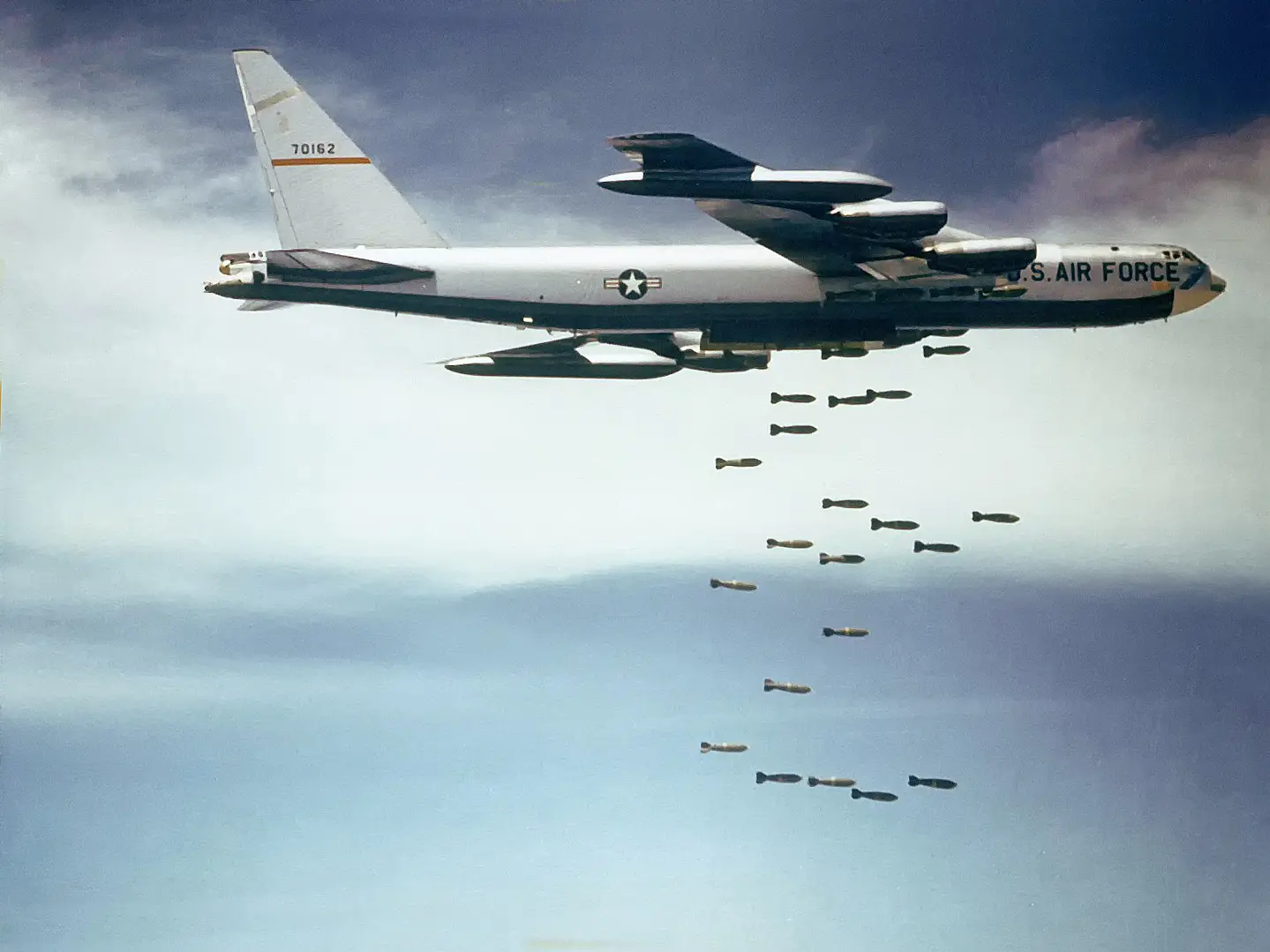
According to the US Air Force, the B-52H Stratofortress is a long-range heavy bomber which is capable of strategic attack, air interdiction, offensive counter-air and maritime operations. Additionally, the bomber carry nuclear or precision-guided conventional ordnance with worldwide precision navigation capability. The ability of the aircraft to fly at high subsonic speeds (0.88 mach) up to 50,000 feet paired with its unrefuelled range of about 8,800 miles gives it a unique position in America’s strategic arsenal.
B-52 performance and historical impact
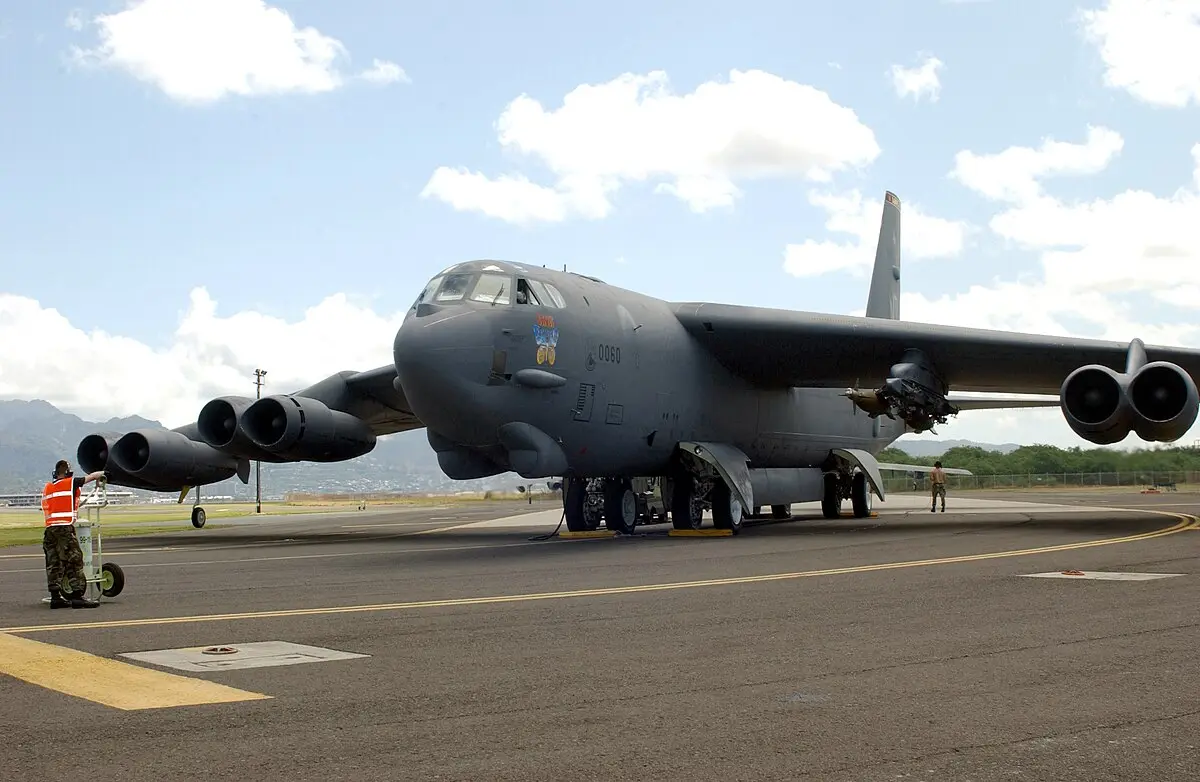
The operational history of B-52 spans conflicts from the Cold War to multiple contemporary operations. the B-52 delivered 40 per cent of all coalition weapons during Desert Storm and has been effective in maritime operations, mine-laying operations as well as anti-ship roles. Its payload capacity of roughly 70,000 pounds allows it to carry a wide array of weapons, including cruise missiles and bombs.
KC-135 Stratotanker: The force multiplier
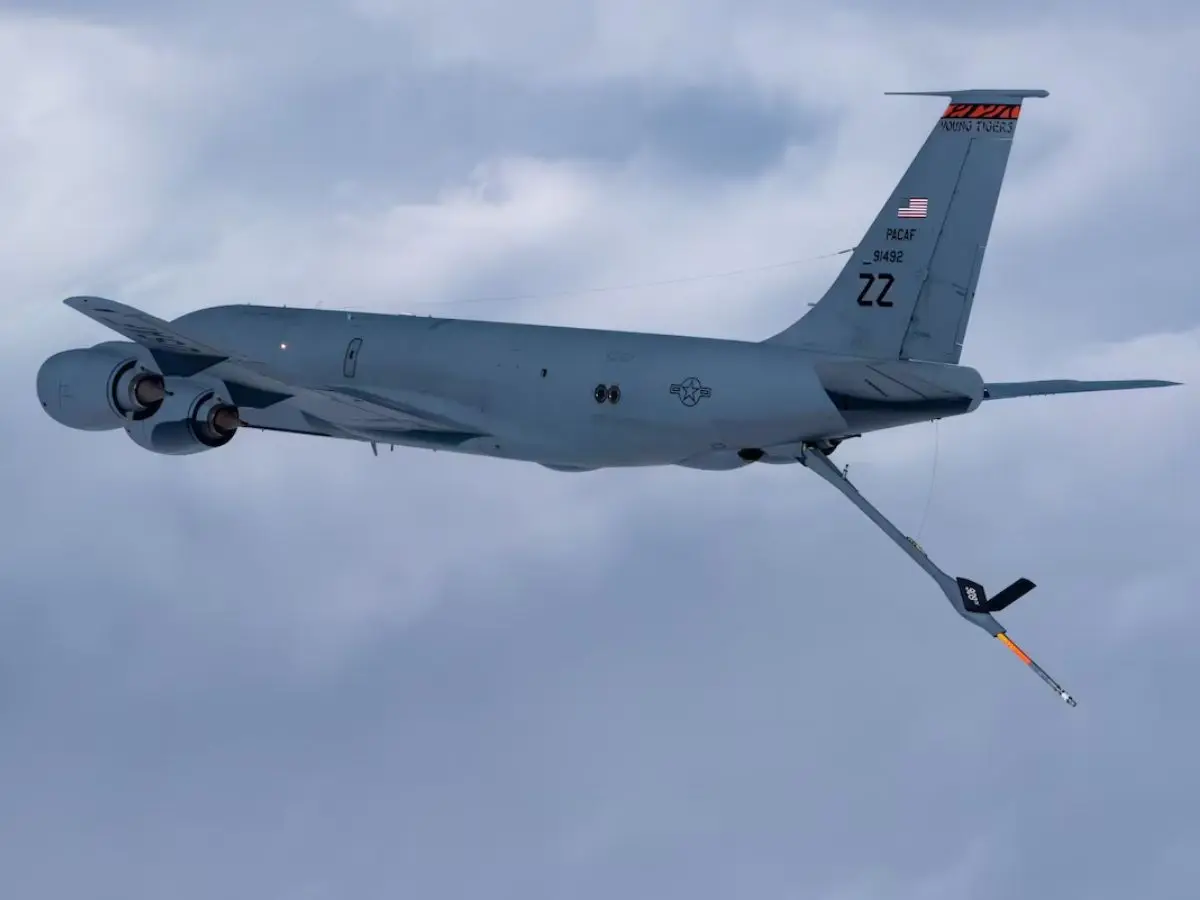
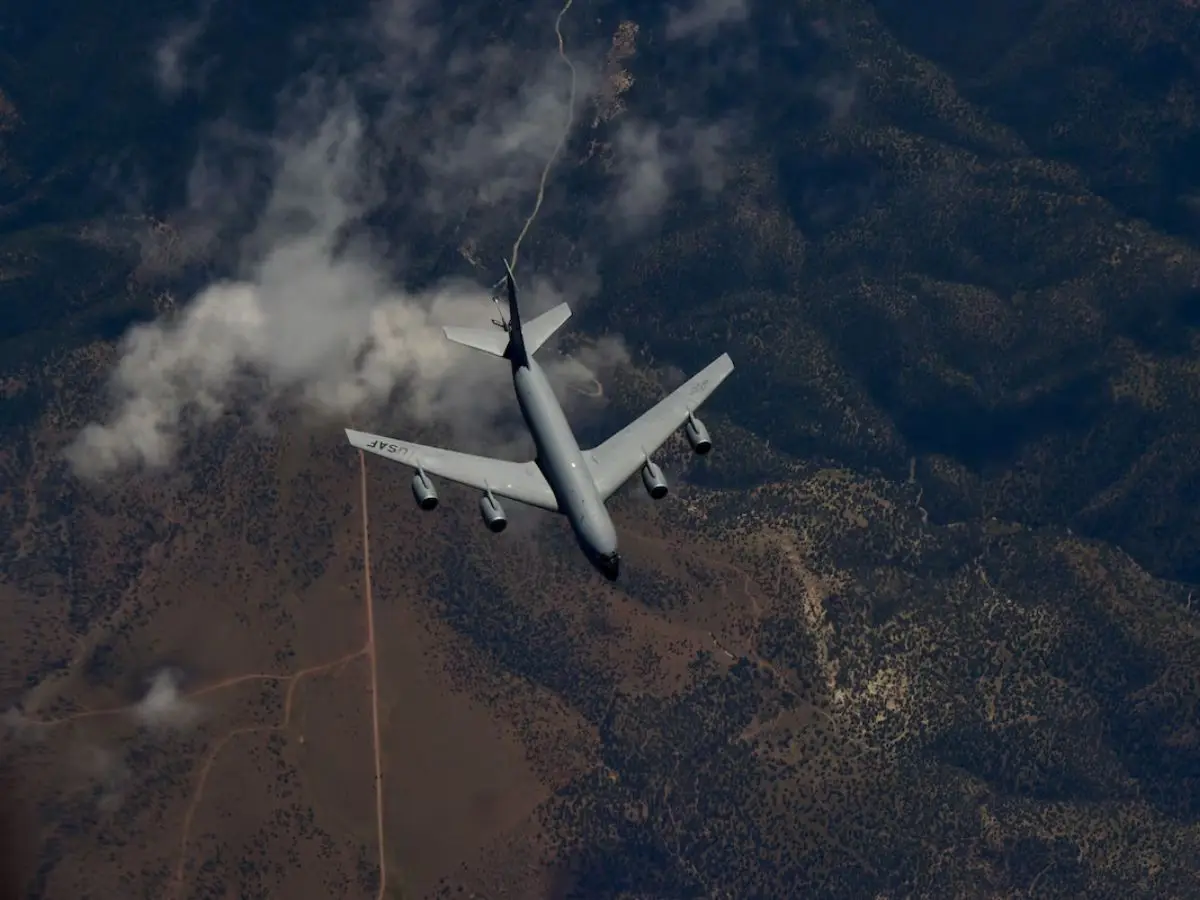
The KC-135 Stratotanker provides the core aerial refuelling capability for the USAF and has excelled in this role for more than 60 years, according to their official website. The first aircraft flew in August 1956. The primary role of the Stratotanker is to refuel US Air Force, Navy, Marine Corps and allied aircraft, greatly enhancing global reach.
KC-135 design and capabilities
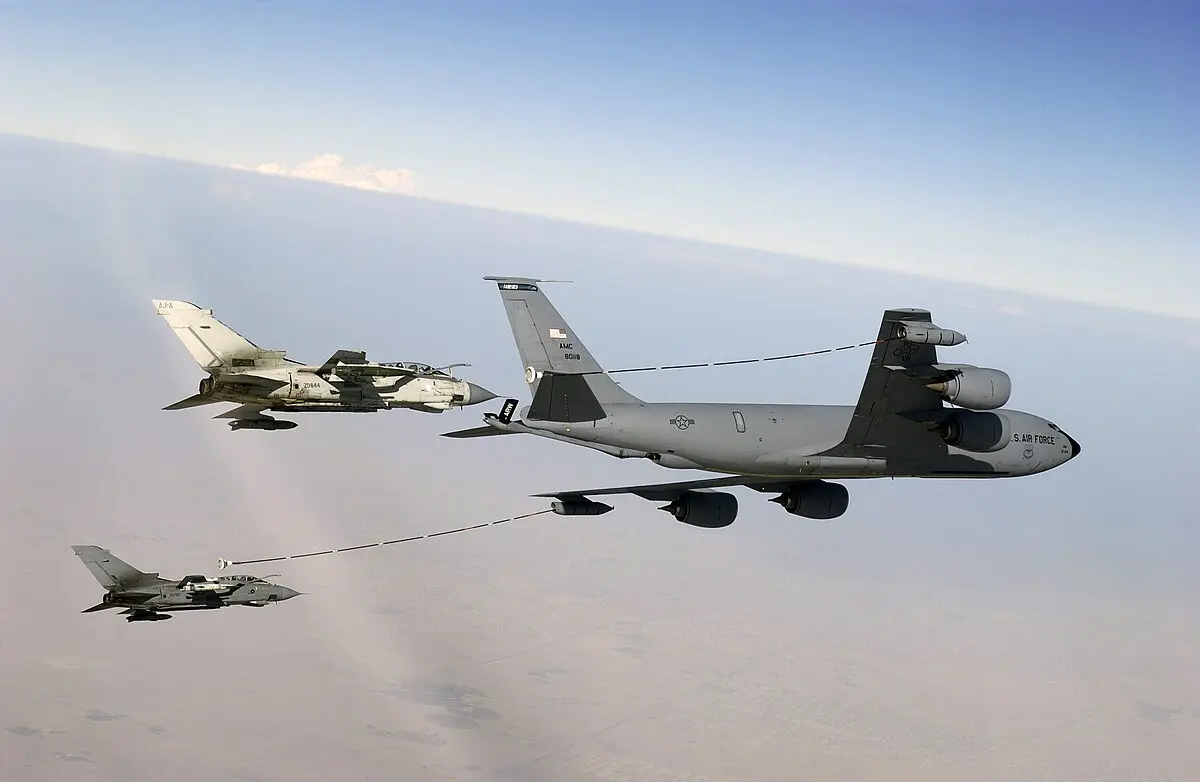
It is powered by four turbofan engines and can take off at gross weights up to 3,22,500 pounds to transfer nearly all internal fuel through its flying boom. Apart from this, the cargo deck above the refuelling system can also carry passengers and freight up to 83,000 pounds. The tanker can refuel aircraft equipped with both boom and probe systems, and some models can refuel two aircraft simultaneously.
Upgrades and sustainment programmes
Both aircraft types have undergone extensive modernisation. Of the original KC-135A models, more than 417 were were re-engined with new and more efficient CFM-56 turbofans, thus improving their fuel offload, efficiency, operating cost and noise levels. Meanwhile, the B-52 continues to receive sustainment upgrades to extend its operational life beyond 2040.
Conclusion: enduring service beyond six decades
Despite being developed in the 1950s, the B-52 and KC-135 both remain indispensable to US airpower. The continued service of both of these aircrafts highlights adaptability and the enduring value of capable design combined with ongoing upgrades, enabling their missions to evolve with strategic needs.
)
)
)
)
)