At 40,000kmh and 2,700 degrees Celsius, Artemis II re-entry will be the scariest phase of the mission yet

Return of Artemis II on April 10 will be a risky affair because of the heating issues with the spacecraft. It will tumble down at enormous speeds, causing temperatures outside the capsule to rise. Here is how the Orion re-entry will go down.

Artemis II marches towards its most dangerous phase
The Artemis II mission is reaching its most critical stage, re-entering Earth's atmosphere at speeds of 40,000 km per hour with temperatures outside Orion reaching 2,700 degrees Celsius. A single thermal heat shield is all that will protect the astronauts as they fall through the skies and splash down into the Pacific. NASA administrator Jared Isaacman admits that it is a cause of concern.

There's no plan B there, Jared Isaacman said about Orion's re-entry
Talking about the Orion re-entry, Isaacman said on Tuesday, "In terms of what keeps me up at night, my blood pressure will be elevated until they're under parachutes in the water off the West Coast. There's no plan B there. That is the thermal protection system. The heat shield has to work." Orion's re-entry is being called the most dangerous phase of the historic Artemis II mission to the Moon.
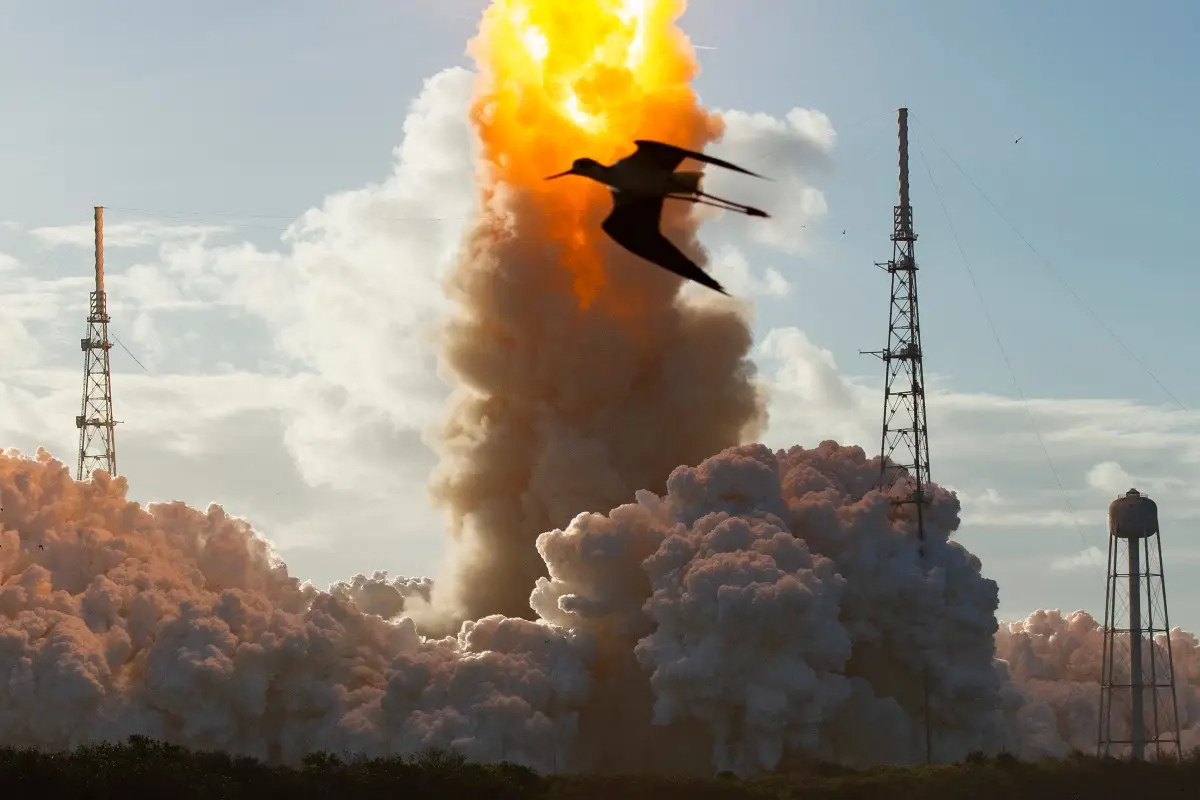
How will Orion re-enter Earth?
Orion's re-entry will be very different from the spacecrafts that return from the International Space Station. Isaacman explained that at the time of launch, the massive rocket produced 8.8 million pounds of thrust, packing the small spacecraft with enormous energy. When Orion makes a forceful entry back into Earth's atmosphere, all this energy needs to be released.

Temperature outside Orion will skyrocket during high-speed entry
When Orion is 122 kilometres above the planet, its service module will separate from the capsule. It will start falling at speeds touching 40,000 km per hour. The intense speed will trigger the air in front of the spacecraft to get violently compressed, raising temperatures on the outside of the capsule to nearly 2,700 degrees Celsius.
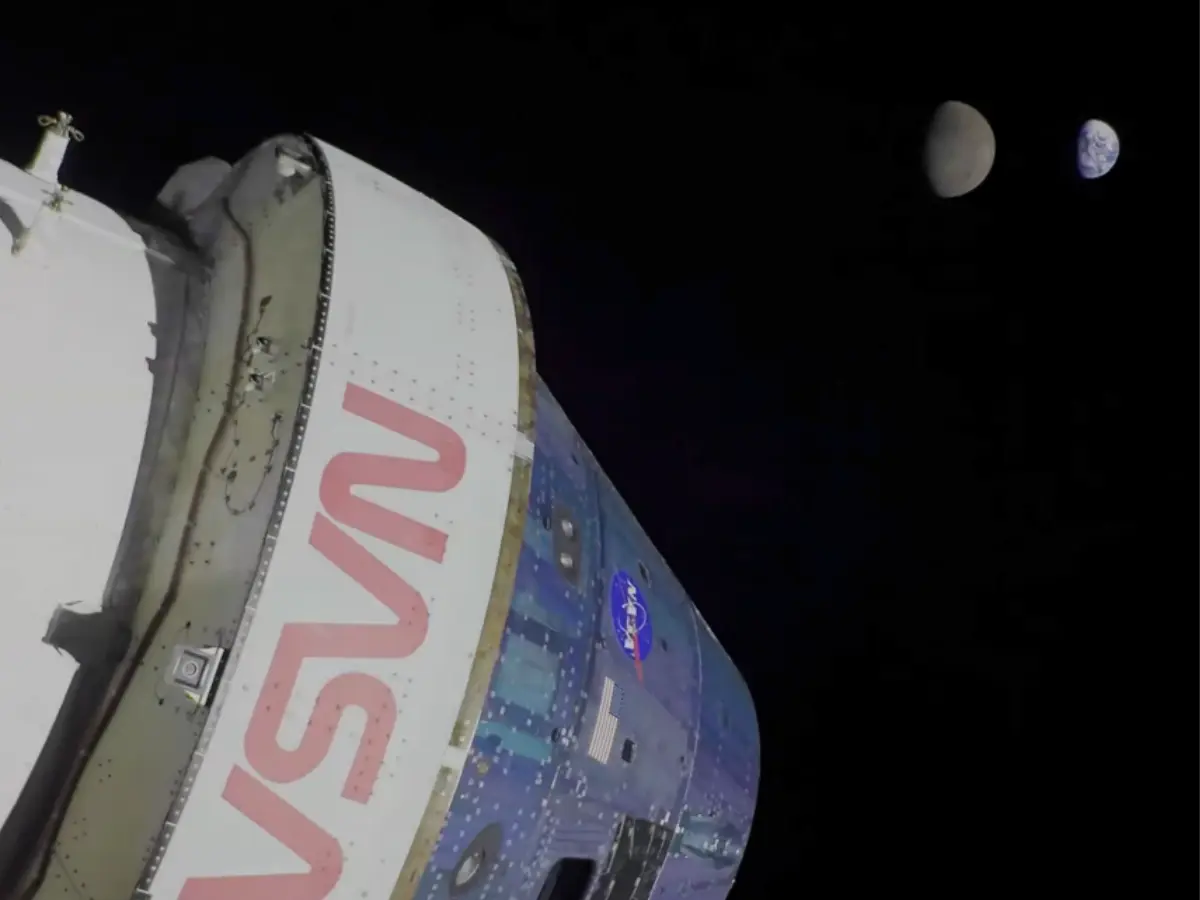
Orion will lose communication with mission control during re-entry
At this time, all communication between Orion and mission control will be cut off because of the intense layer of superheated gas that will be formed on the outside. Known as plasma, this layer temporarily blocks all radio signals, leaving astronauts blazing through the skies with no way to either receive or send any messages.
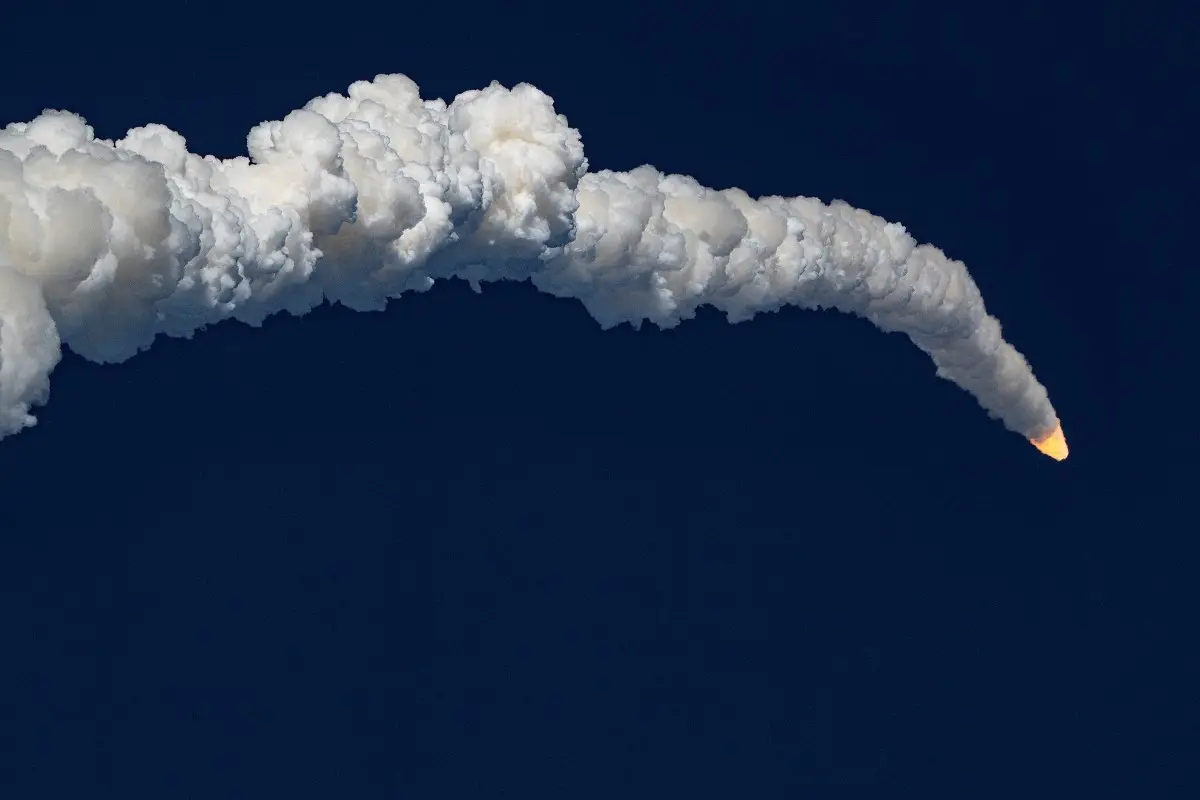
Splashdown in the Pacific
Two drogue parachutes will deploy once this stage is over, slowing down the spacecraft to 480 km per hour. Later, a set of pilot parachutes and three massive main parachutes will deploy, slowing down Orion even more, after which it will splash down in the Pacific Ocean.

What time is Artemis II splashdown?
The Artemis II crew, comprising NASA astronaut Reid Wiseman, Victor Glover, Christina Koch and Canadian astronaut Jeremy Hansen, is scheduled to splash down off the coast of San Diego, California, at 8.07 pm ET (5:07 am IST April 11) on April 10.
)
)
)
)
)