Scientists thought alien space probe was watching Earth in 1991. It turned out to be...

Arjuna 2025 PN7 has been discovered in the Arjuna asteroid belt. It has been here for a long time. Is it a quasi moon or a mini moon? What is the difference?
Arjuna 2025 PN7 - Earth's new quasi-moon
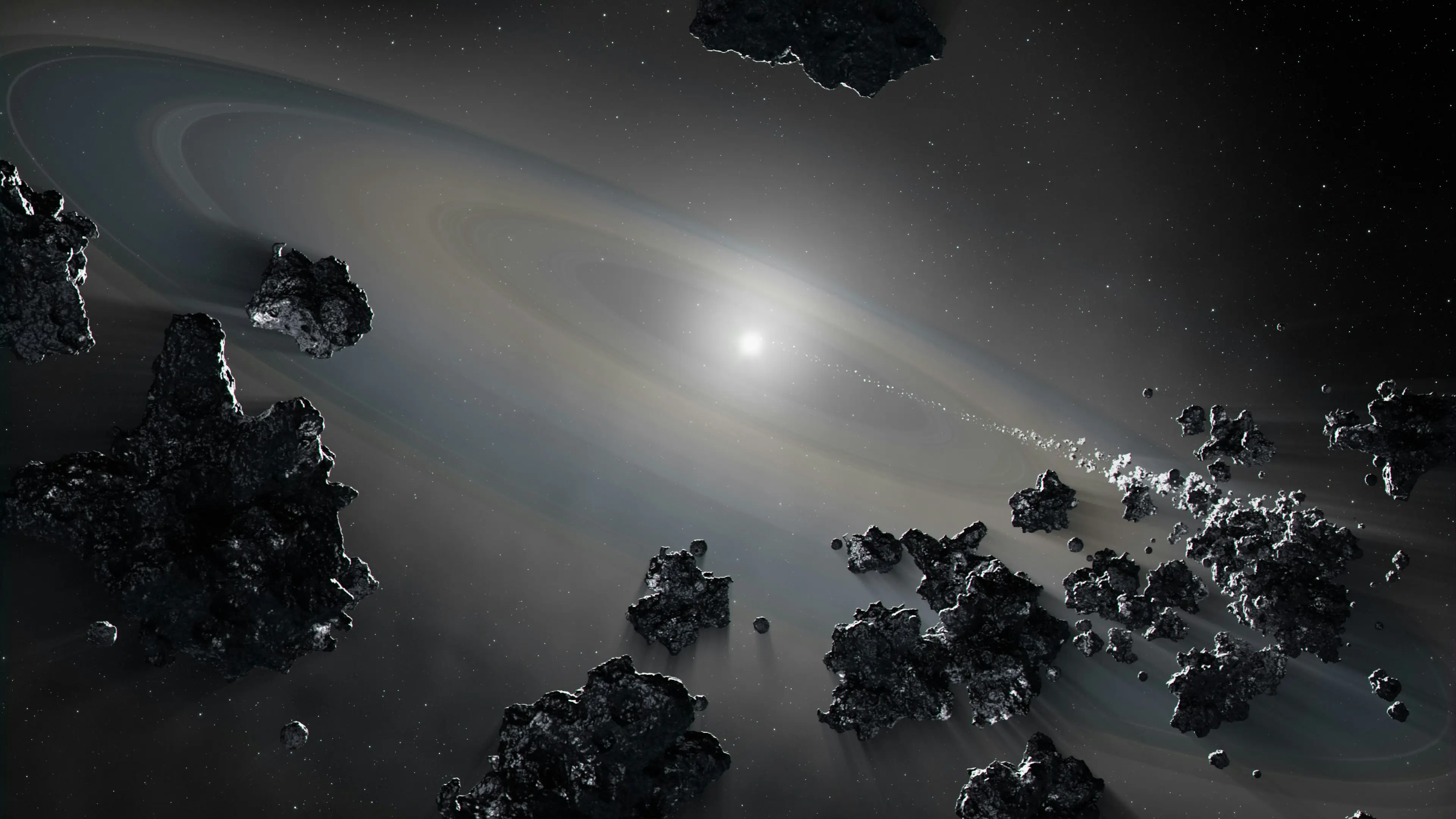
The Arjuna group of asteroids has a new member - Arjuna 2025 PN7. This asteroid is one of several quasi-moons that almost share Earth's orbit around the Sun. The discovery was presented in the Research Notes of the American Astronomical Society titled "Meet Arjuna 2025 PN7, the Newest Quasi-satellite of Earth." When the first quasi-moon was discovered decades ago, scientists thought it was an alien space probe. Why?
What are Arjuna group of asteroids?
Today, there are over 100 known Arjuna asteroids that reside in the Arjuna secondary asteroid belt. It is named after the popular Mahabharata character who was one of the Pandavas. When these asteroids get captured by the Earth, they become mini-moons. Otherwise, they are known as quasi-moons.
Arjuna 2025 PN7 has been here for 60 years
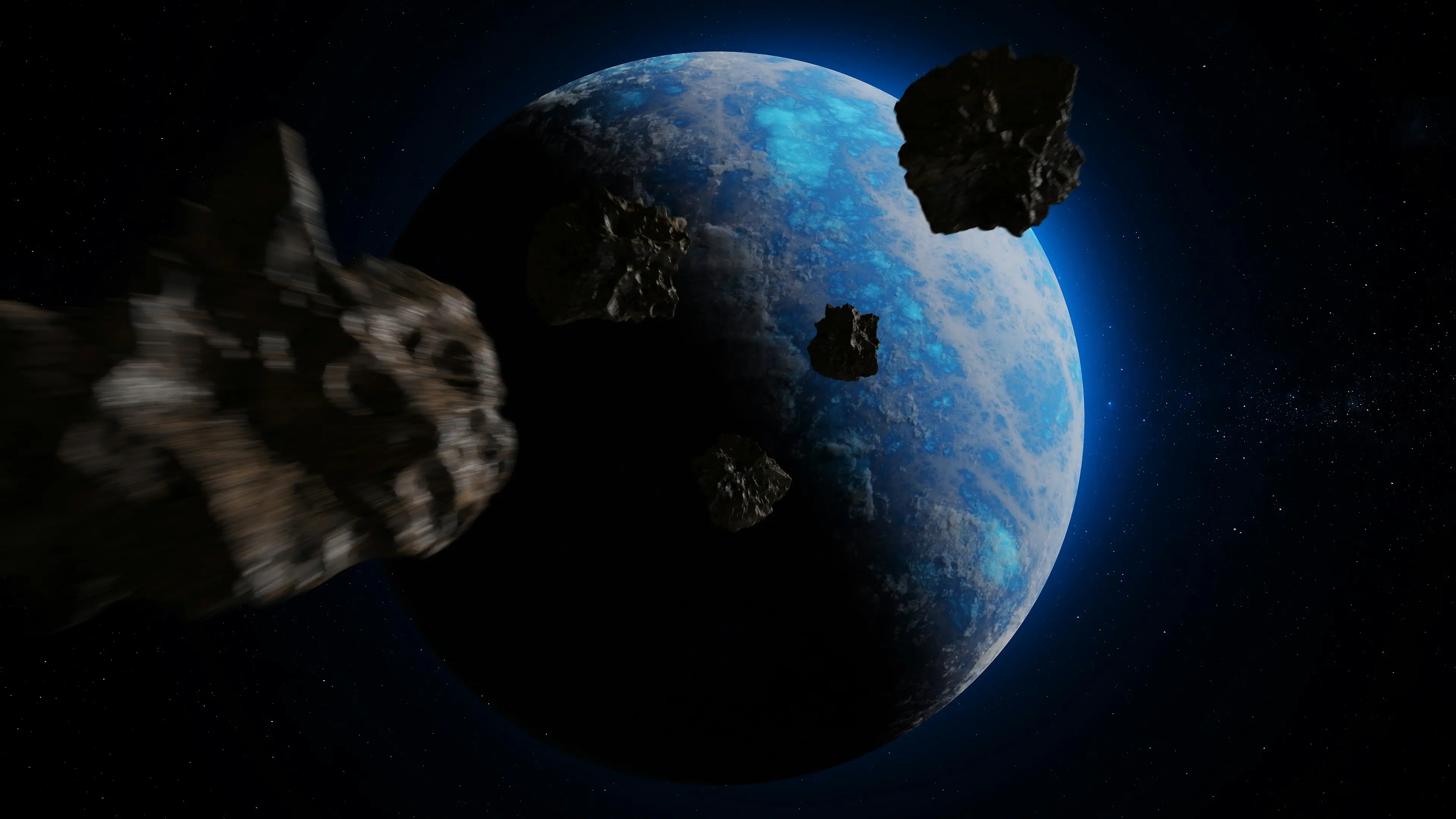
Arjuna 2025 PN7 was discovered on August 2 by the Pan-STARRS observatory in Hawaii. Scientists checked past data to see if any pictures of the asteroid were previously captured. They found a few going back to 2014. They also found that it has been in a stable orbit with Earth for over 60 years, and it is not going anywhere for 60 more years.
First quasi-moon discovered was 1991 VG
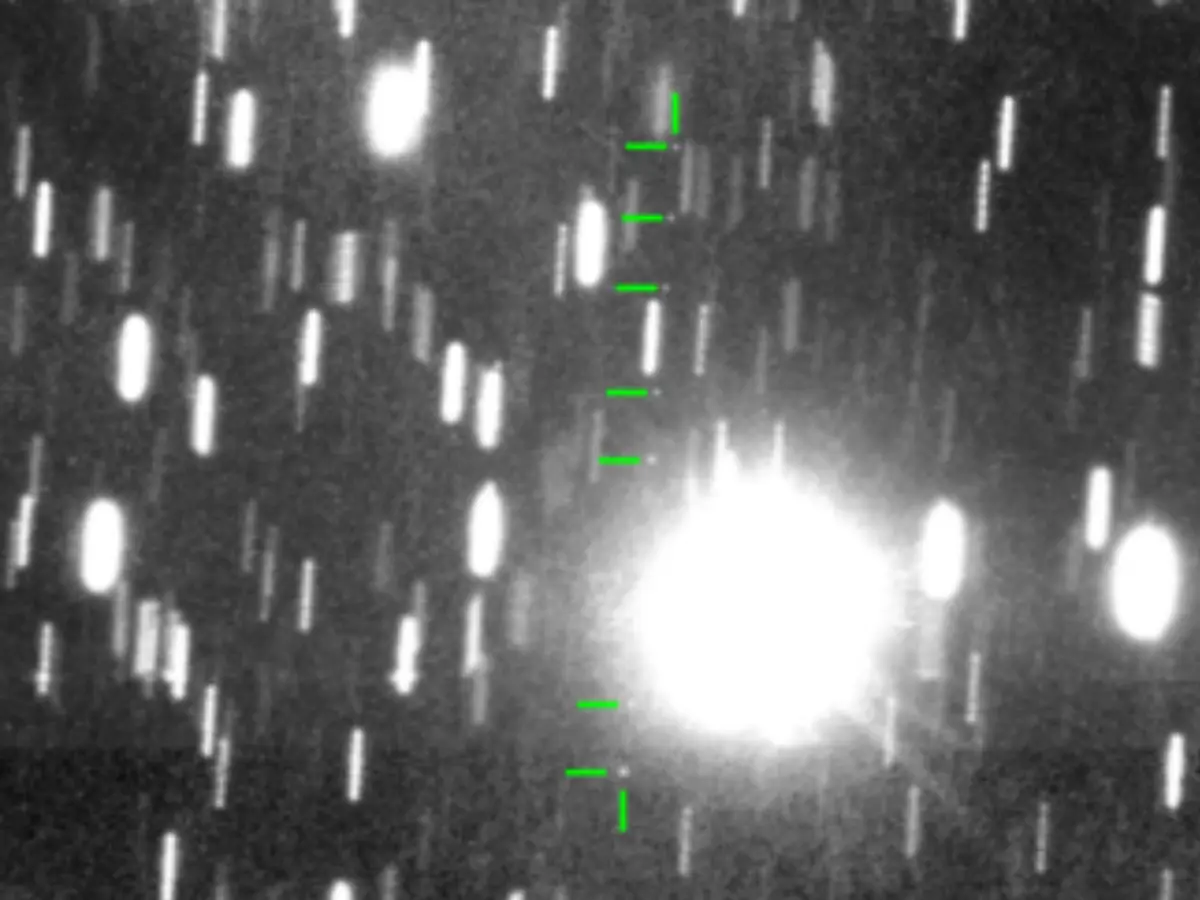
The first quasi-moon discovered was 1991 VG. The Spacewatch Project spotted the asteroid, which had an Earth-like orbit in 1991. At the time, it caused quite a surprise since it remained too close to Earth. This led some to believe that it was an "alien space probe". However, later observations showed that it was really just a previously unknown class of objects.
Arjuna asteroids are bound to Earth
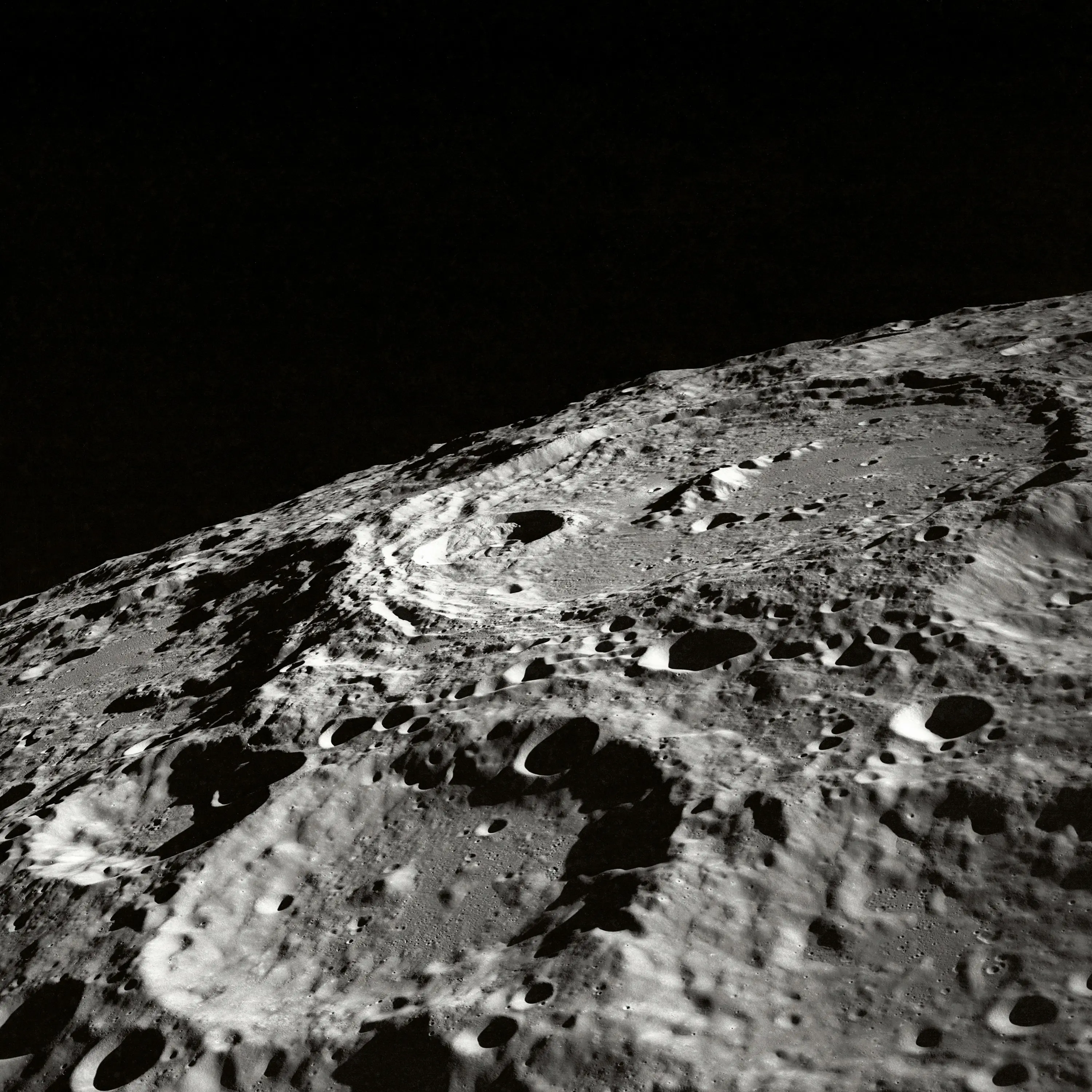
The Arjuna asteroids are known as quasi-satellites because they are bound to Earth. They move in resonance with our planet, yet they are not gravitationally bound. However, sometimes these asteroids get caught in Earth's gravity, and that's when they become a mini-moon.

Are all Arjuna asteroids mini-moons?
Mini-moons can stay trapped for weeks to months. "The Arjunas with the most Earth-like orbits can experience temporary captures as mini-moons of our planet," authors Carlos de la Fuente Marcos and Raúl de la Fuente Marcos wrote in the study. Last year, Earth had a mini-moon for a while.

Arjuna asteroid 2024 PT5 - Earth's mini moon
Arjuna asteroid 2024 PT5 became gravitationally bound to Earth on September 29, 2024 and stayed until November 25. It was discovered on August 7 by the Asteroid Terrestrial-Impact Last Alert System (ATLAS). 2024 PT5 was also a resident of the Arjuna asteroid belt.
Other mini-moons of Earth
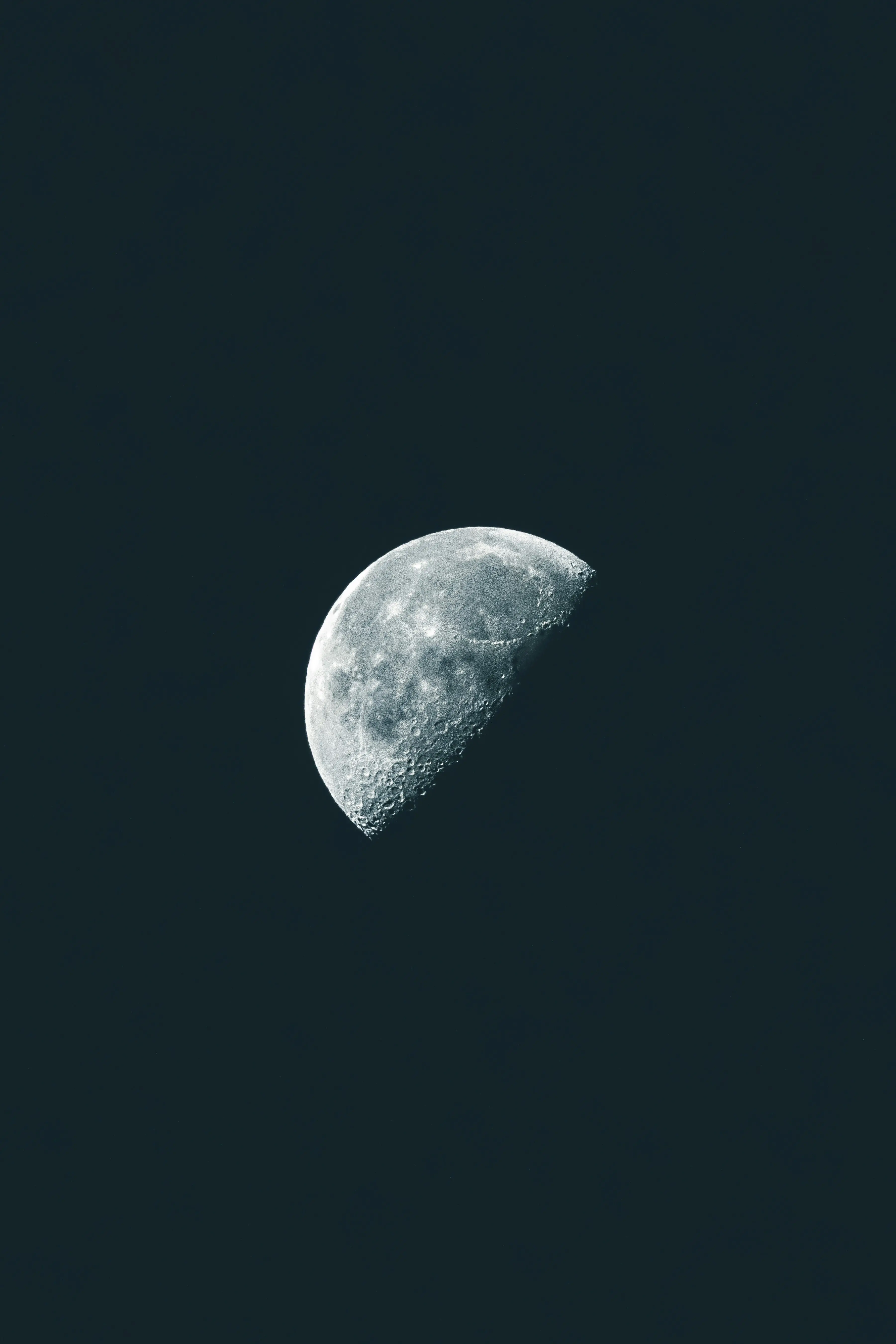
Earth has had other mini-moons in the past. The first such recorded event was in 1981 when asteroid 2022 NX1 was temporarily captured by Earth's gravity. However, it was only observed much later, as revealed by Carlos and Raúl in Research Notes of the AAS. The mini-moon returned in 2022. Both times, it stayed only for a short period of time. It will return to Earth in 2051.

Asteroids that became Earth's mini moons
In 2006, Earth had a mini-moon that stayed for a year. Asteroid 2006 RH120 got caught in Earth's gravity in July 2006 and remained there until July 2007. Another asteroid that stayed with us for many years was 2020 CD3, which escaped in early May 2020.
)
)
)
)
)