Are black holes made of dark matter? Here’s the truth

Unlike stars or planets, which are composed of identifiable elements such as hydrogen, helium, rock, or metal, a black hole is fundamentally different.
The mystery of the cosmic void
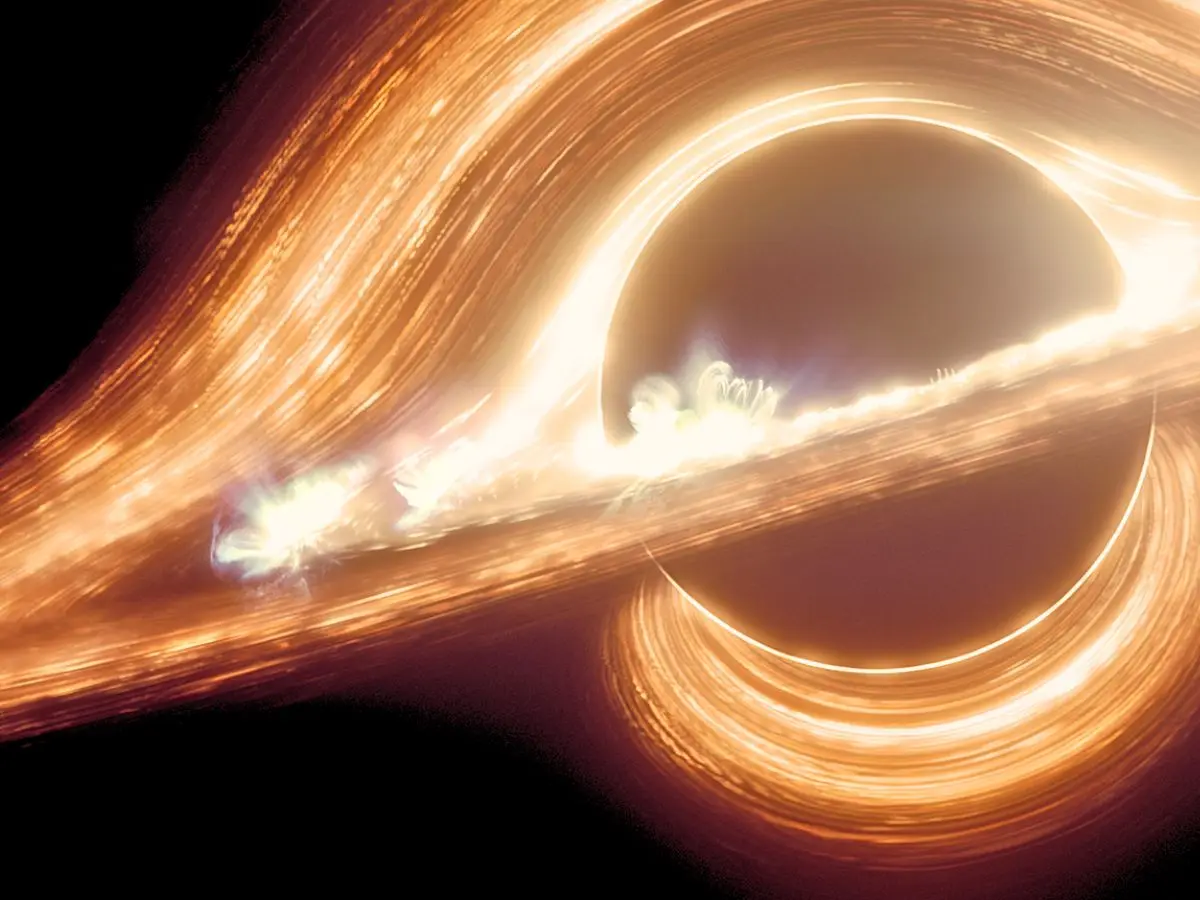
Black holes are often described as cosmic monsters, regions where gravity is so extreme that not even light can escape. But behind that dramatic image lies a deeper question: what are they actually made of? Unlike stars or planets, which are composed of identifiable elements such as hydrogen, helium, rock, or metal, a black hole is fundamentally different. It is not built from physical 'stuff' in the way we normally understand matter.
A singularity at the core
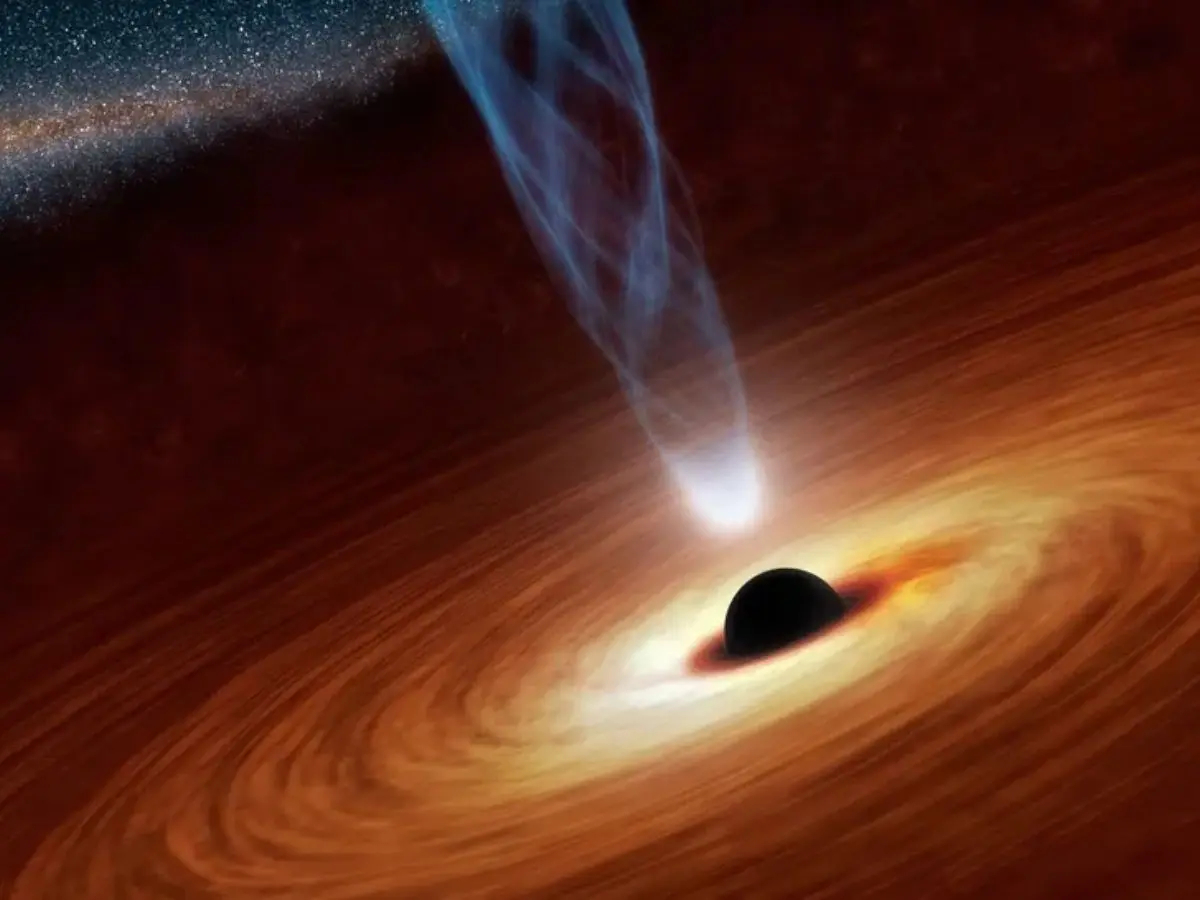
At the heart of every black hole lies what physicists call a singularity, a point where all the mass of the collapsed star is compressed into an infinitely small, infinitely dense region. According to Einstein’s general theory of relativity, this singularity has no size but exerts gravitational pull so intense that the normal rules of physics break down. The singularity is the true centre of a black hole, though it is forever hidden from view by its event horizon, the invisible boundary around it.
The event horizon: the surface of no return
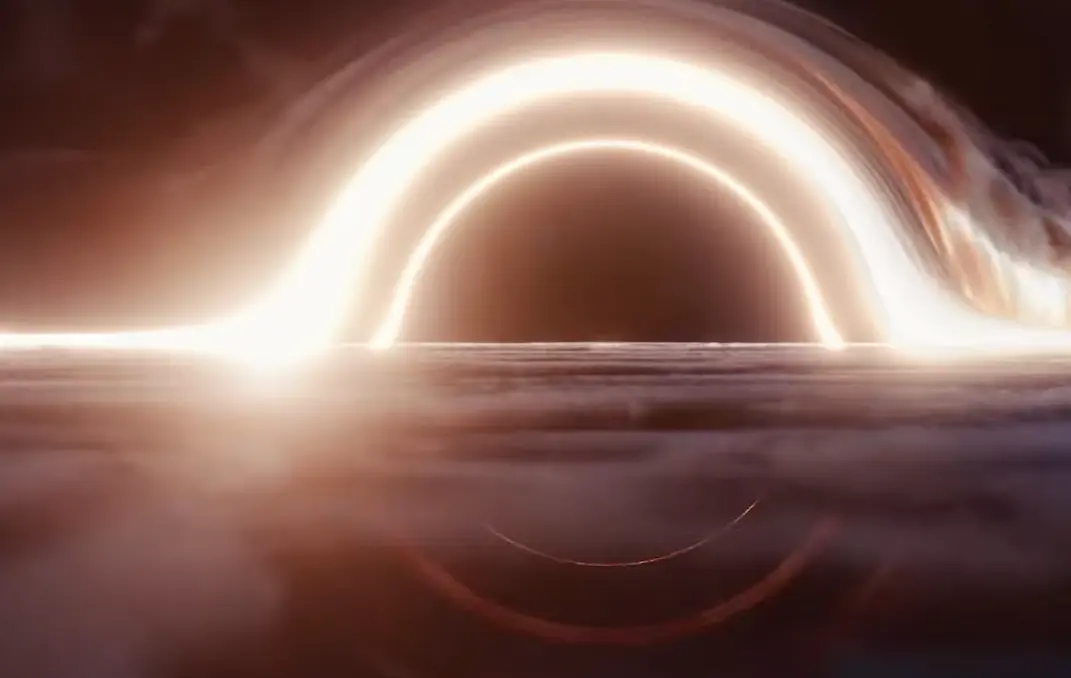
A black hole is not made of solid matter, but its event horizon functions like a surface. This is the critical boundary beyond which nothing, not even light, can escape. The event horizon itself is not a physical shell; it is a mathematical limit in spacetime created by the black hole’s extreme gravity. Once crossed, the path of all matter and radiation curves inevitably inward towards the singularity.
Is it made of dark matter?
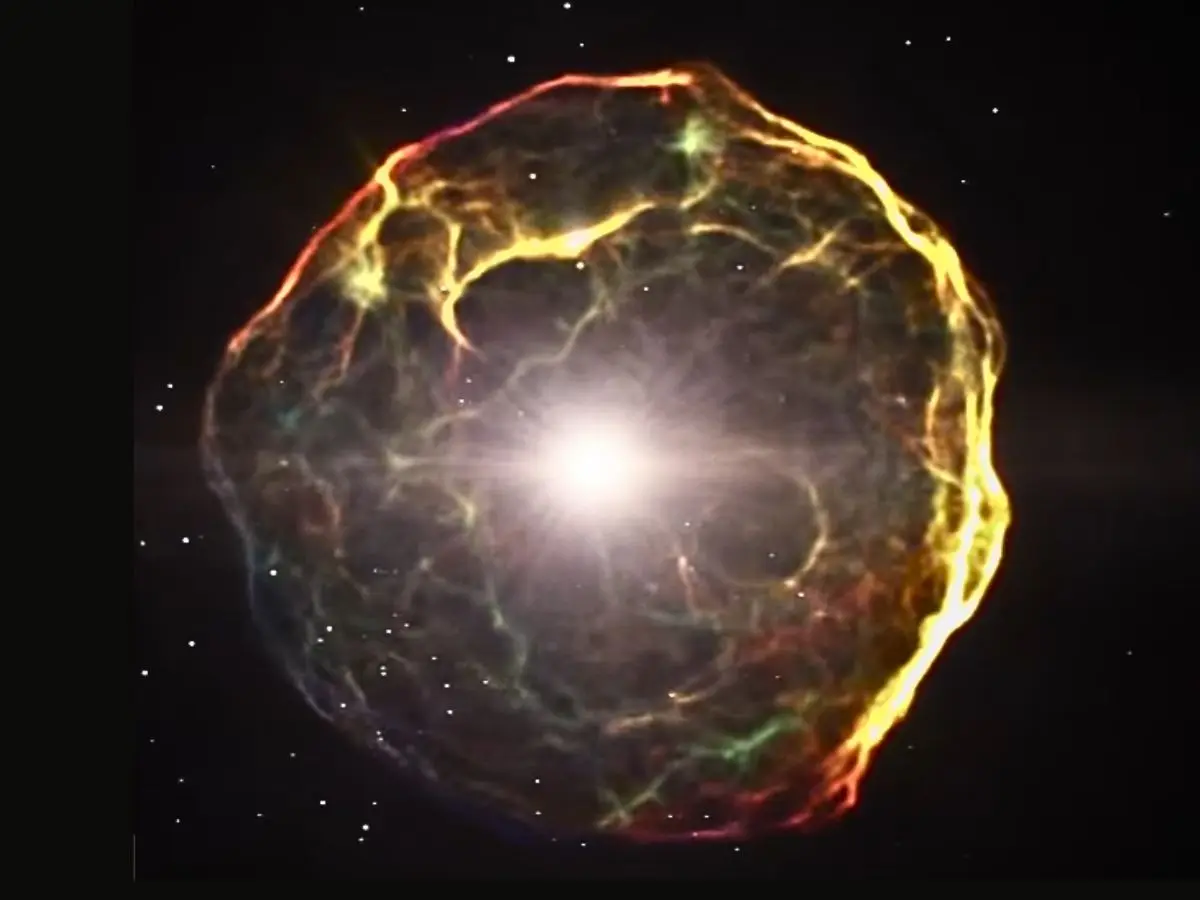
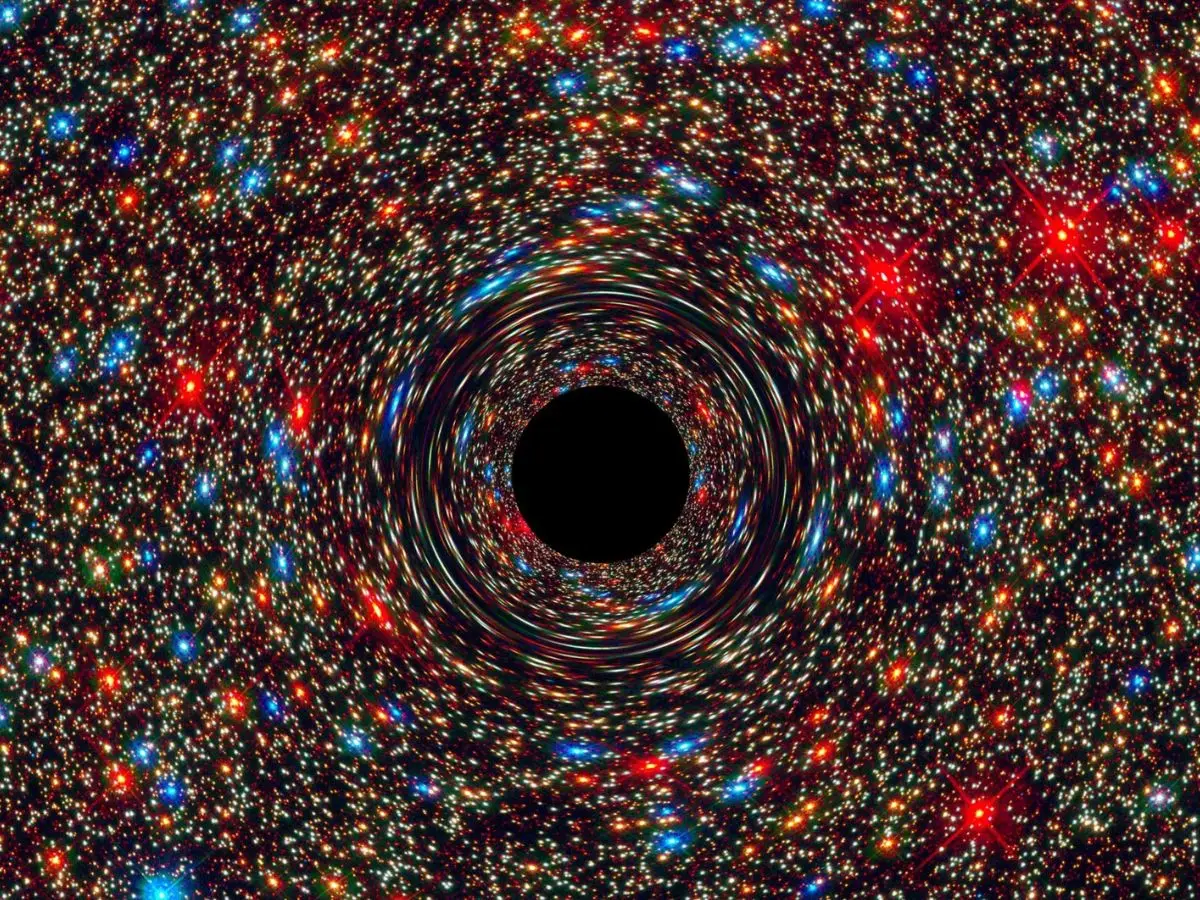
One of the biggest misconceptions is that black holes are made of dark matter. They are not. A black hole is formed from the collapse of ordinary matter, like massive stars, and its mass comes from baryonic matter, protons, neutrons, and electrons. Dark matter, which makes up most of the universe’s mass, does interact gravitationally and can be pulled into a black hole, adding to its size. But a black hole itself is not composed of dark matter; instead, it is defined by mass, charge, and spin, regardless of what falls inside.
What lies inside?
This is where the mystery deepens. General relativity tells us that everything is crushed into the singularity, but quantum mechanics suggests a different story. Some theories propose that black holes may contain exotic states of matter unknown on Earth, such as quantum foam or string theory branes. Others suggest that information about swallowed matter is somehow stored on the event horizon in two-dimensional form, a concept known as the holographic principle.
Black holes and energy
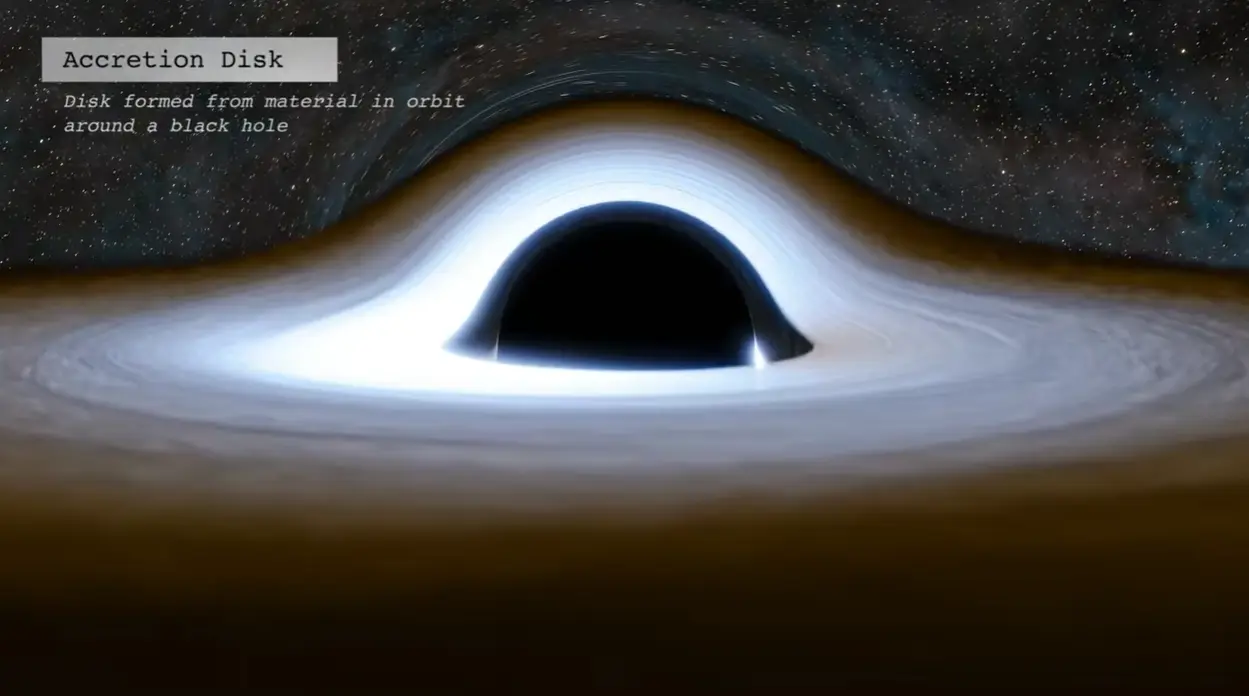
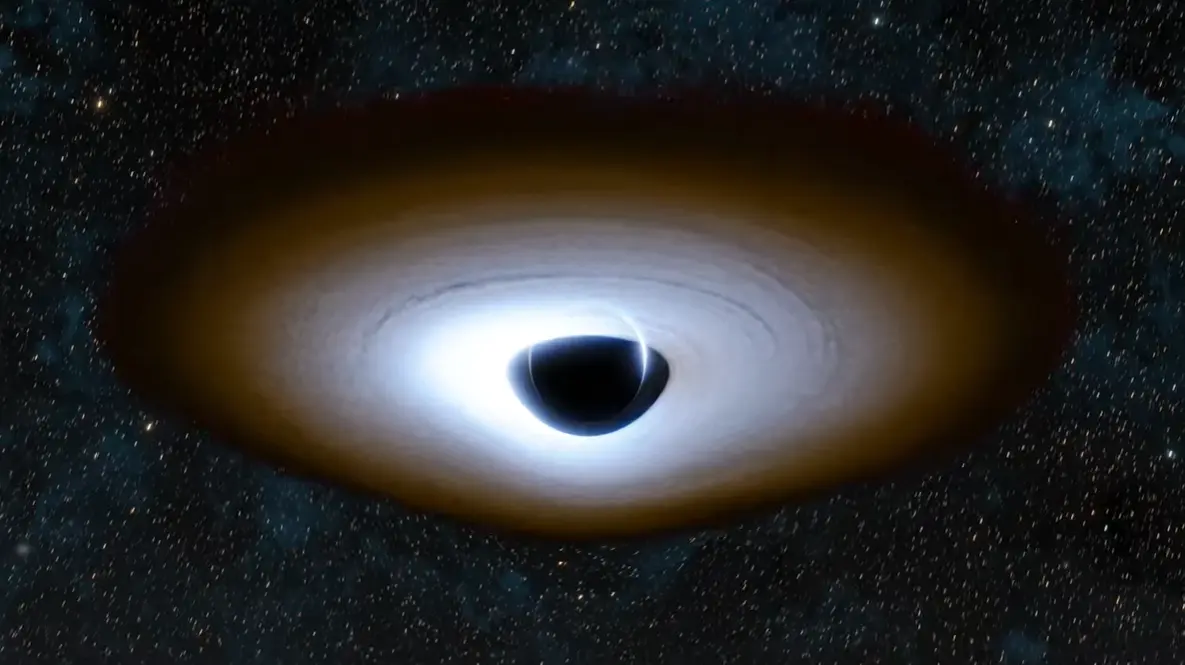
Another way to understand what a black hole is made of is through its energy. Black holes gain mass and grow larger by devouring gas, dust, stars, or even other black holes. As material spirals inwards, it forms an accretion disc around the event horizon. This disc can heat up to millions of degrees, outshining entire galaxies. Yet once past the horizon, all that energy and matter becomes part of the black hole’s mass, indistinguishable from what was already there.
The unanswered question
Despite decades of study, scientists cannot yet give a complete answer to what truly lies inside a black hole. The singularity remains an unsolved puzzle, where the laws of physics as we know them collapse. The search for a unified theory that combines relativity and quantum mechanics is ongoing, and black holes may hold the key.
A reminder of cosmic limits
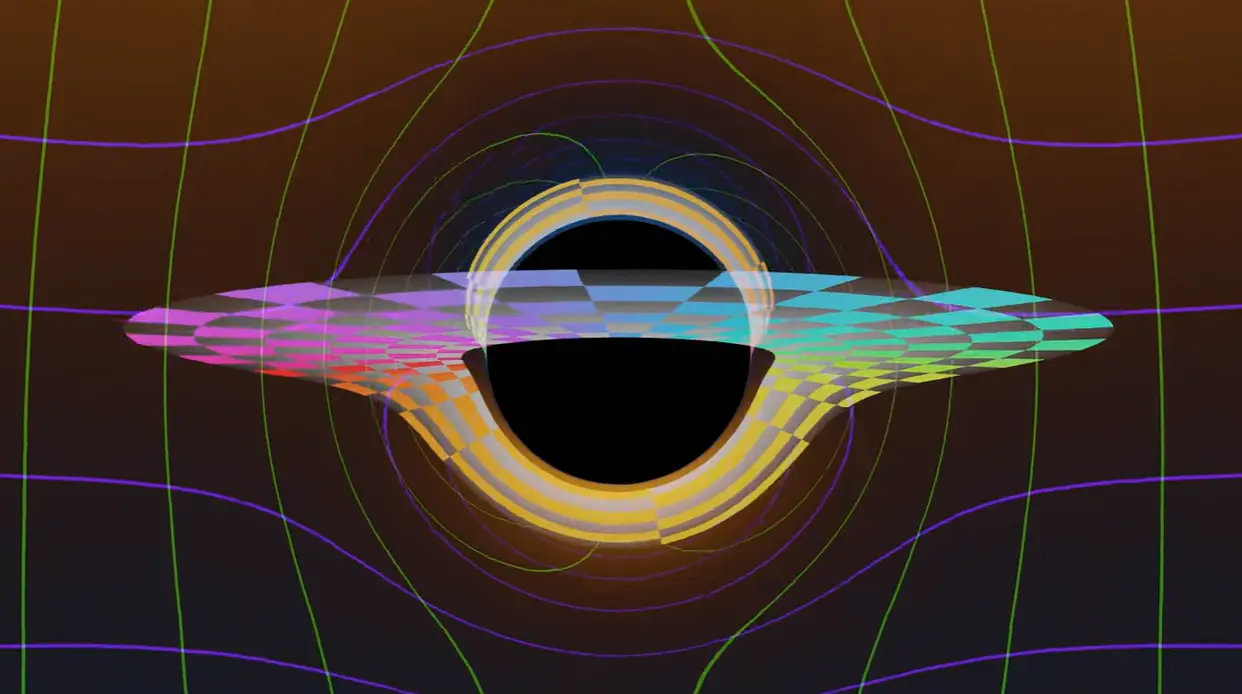
In the end, asking what a black hole is made of challenges our very definition of matter. Unlike planets, stars, or galaxies, black holes are less objects than they are regions of warped spacetime, defined not by substance but by gravity.
)
)
)
)
)