Alone in orbit, China’s first astronaut heard a terrifying knock in space, and no one knows why

Despite peering through the porthole, Yang saw nothing unusual and later admitted that the experience left him nervous and confused.
An Unsettling Sound in the Silence of Space
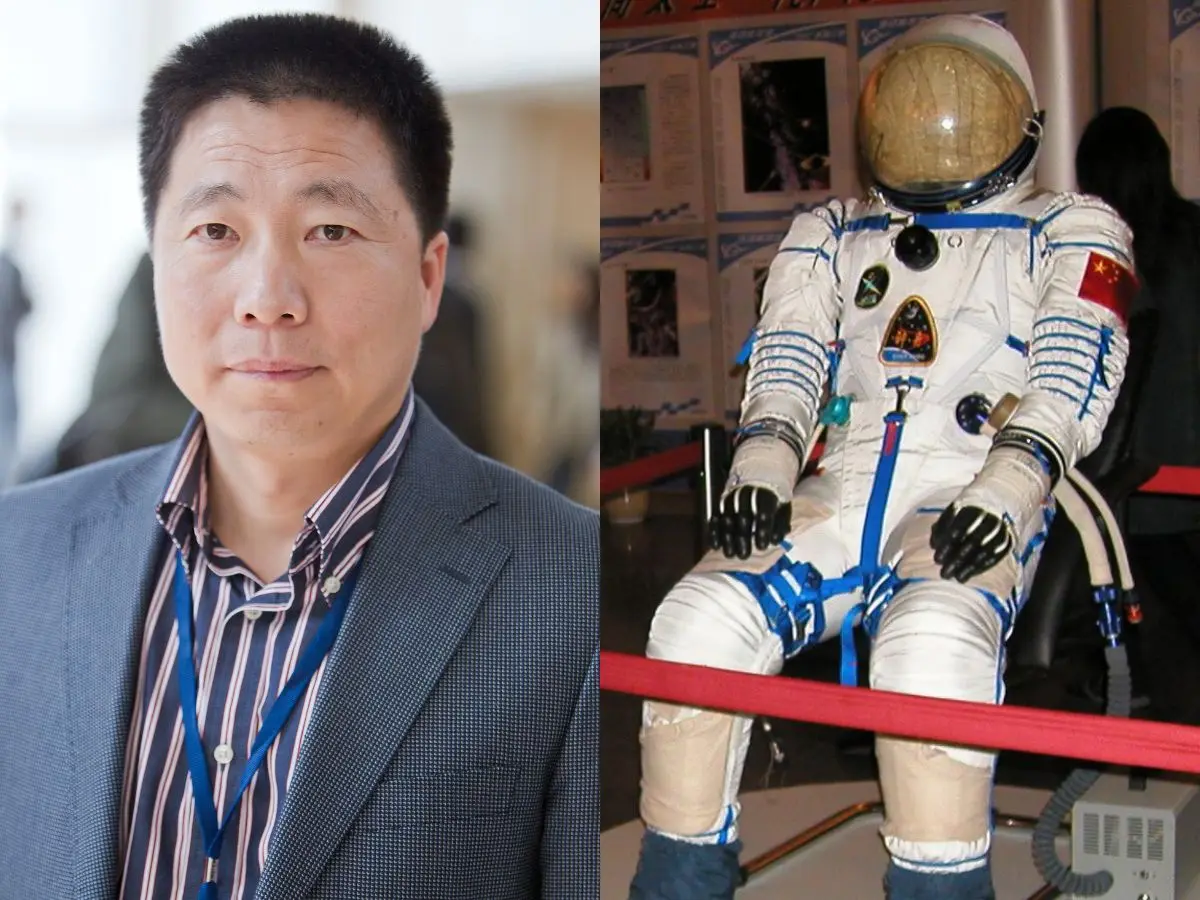
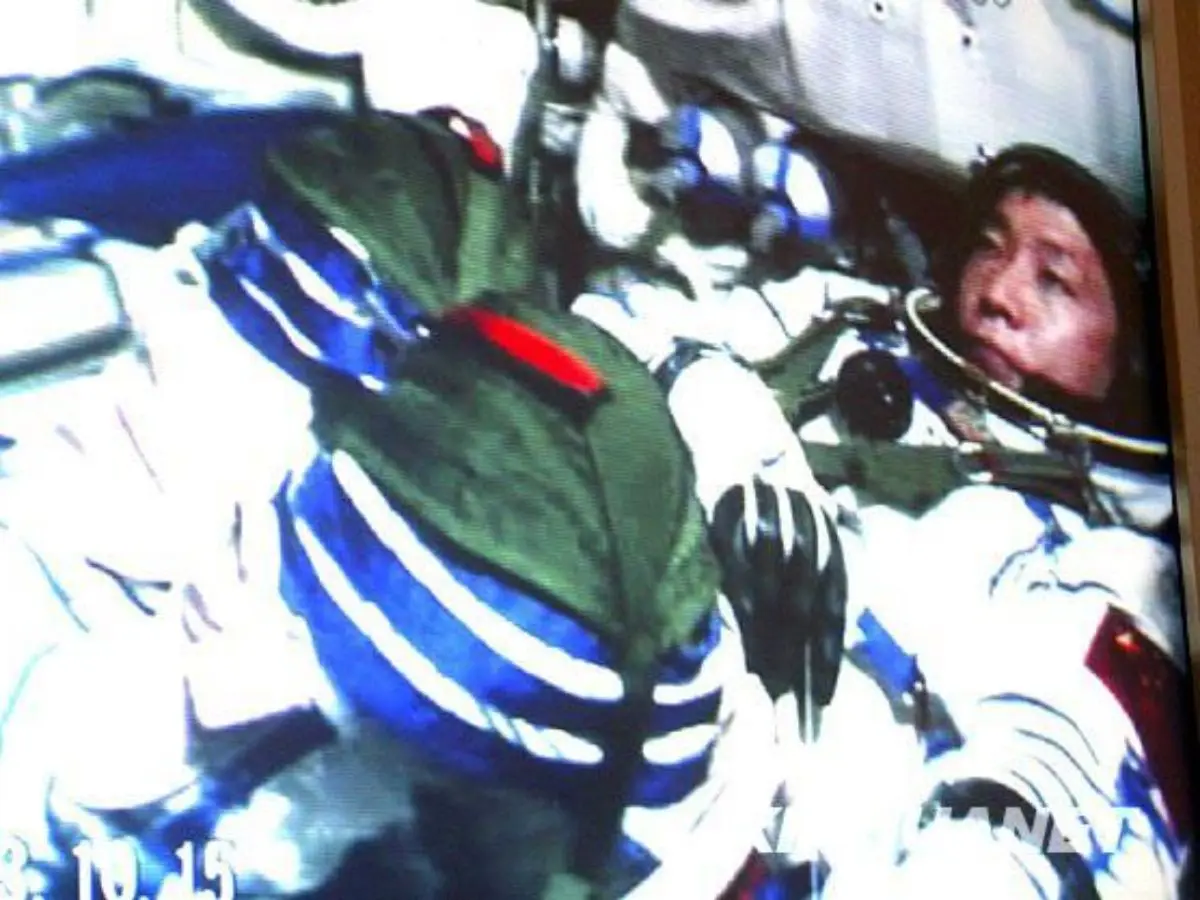
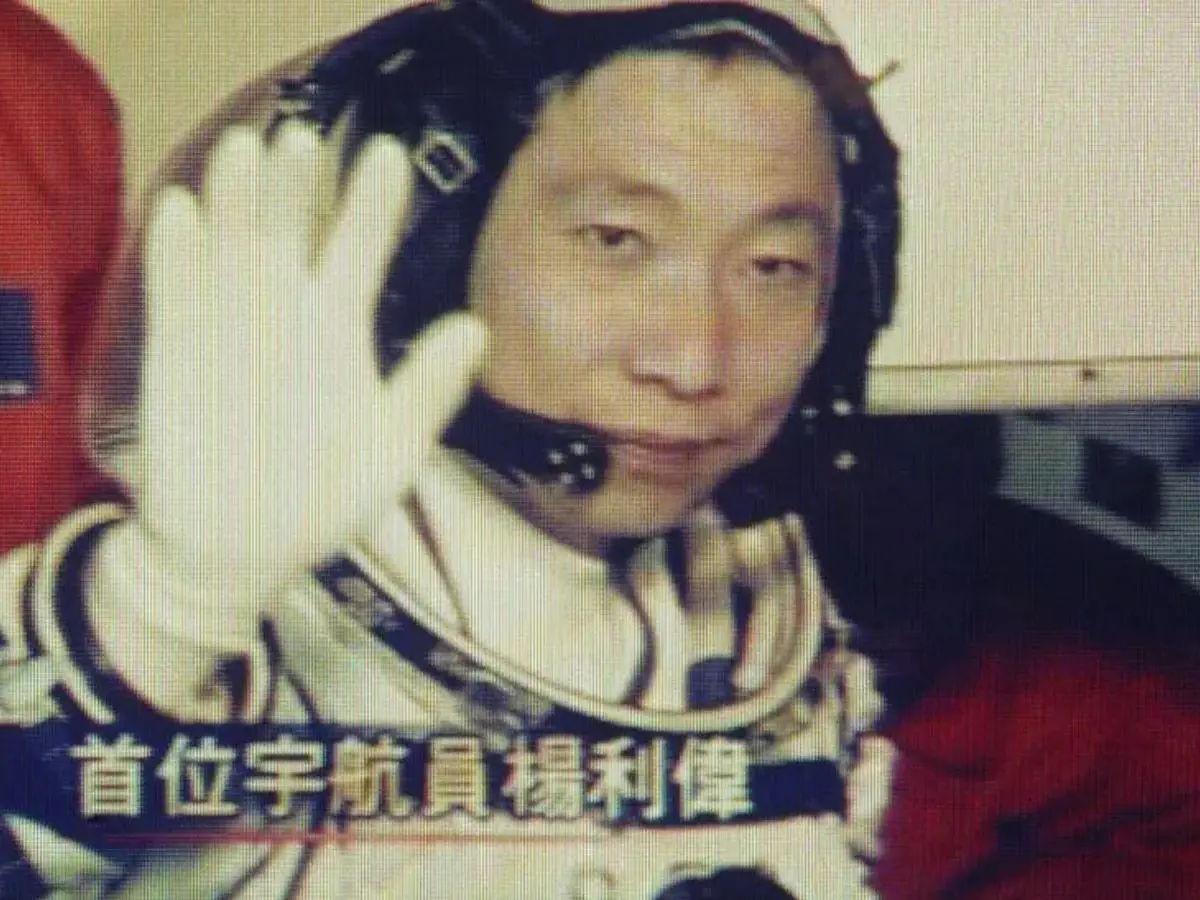
In 2003, during his maiden voyage aboard Shenzhou 5, China’s first astronaut Yang Liwei reported an eerie and unexplained phenomenon. As he orbited Earth, Yang described hearing a sound 'like someone knocking the body of the spaceship, just as knocking an iron bucket with a wooden hammer.' The noise, he said, “neither came from outside nor inside the spaceship", as reported in Daily Galaxy. Despite peering through the porthole, Yang saw nothing unusual and later admitted that the experience left him nervous and confused. His account, later shared in interviews, has since become one of space exploration’s most intriguing mysteries.
The Physics of Silence: Why Space Should Be Quiet
Yang’s bafflement is rooted in the physics of sound itself. In the vacuum of space, there is no air, water or solid medium through which sound waves can travel. As Prof Goh Cher Hiang is a space engineering expert at the National University of Singapore. On Earth, thunder rumbles through air and sonar echoes through water, but in space such transmissions should be impossible, he explained while speaking to various media outlets. This made Yang’s account even more unsettling, raising questions about whether the sound was a mechanical or environmental effect within the spacecraft.
Possible Explanations: Expansion, Contraction or Impact
Experts have since suggested several possible explanations. One theory, noted by Prof Goh, is that the noise could have been caused by something physically striking the spacecraft. “If it is knocking, there could be something physical ‘hitting’ the spacecraft carrying the astronaut,” he speculated, though stressing this remains conjecture. Another possibility, put forward by Dr Wee-Seng Soh, also of the National University of Singapore, is that the sound was the result of thermal stress. As spacecraft orbit Earth, they are subjected to extreme temperature changes, which can cause the metal to expand and contract, creating creaks, bangs or knocking sounds. Such mechanical stresses might explain what Yang experienced.
Not an Isolated Incident
Yang’s account was not unique. Chinese media reported that astronauts on later missions in 2005 and 2008 also heard similar knocking sounds during flight. By then, Yang had warned his successors of the strange occurrence, reassuring them not to panic if they encountered it. Over time, the phenomenon became an accepted, if unexplained, aspect of Chinese spaceflight. Although unnerving at first, astronauts have since learned to treat the sound as a normal, if mysterious, part of the orbital environment.
Attempts to Recreate the Sound
Despite his efforts after returning to Earth, Yang was never able to reproduce the noise. He tried to mimic the knocking so that experts could analyse it, but without success. The fact that the sound could not be replicated only deepened the mystery, fuelling speculation in scientific and popular circles alike.

An Enduring Mystery of Human Spaceflight
The mystery of Yang Liwei’s knocking sound has attracted global attention. While the prevailing scientific view points to thermal expansion or structural shifts within the spacecraft, the fact remains that the astronaut himself believed the sound came from nowhere identifiable. To this day, the phenomenon continues to puzzle experts and intrigue the public.
)
)

)
)