5 theological differences between All Saints Day and All Souls Day

All Saints Day and All Souls Day are two important Catholic holy days celebrated on November 1 and November 2. Explore their meaning, history and significance to Christian faith.

Whom they honour
In Christian theology, All Saints Day honour the souls that have achieved heaven or eternal life. Whereas All Souls Day is a day of prayer for all the souls that are departed and believed to be going through purification, or are in purgatory.
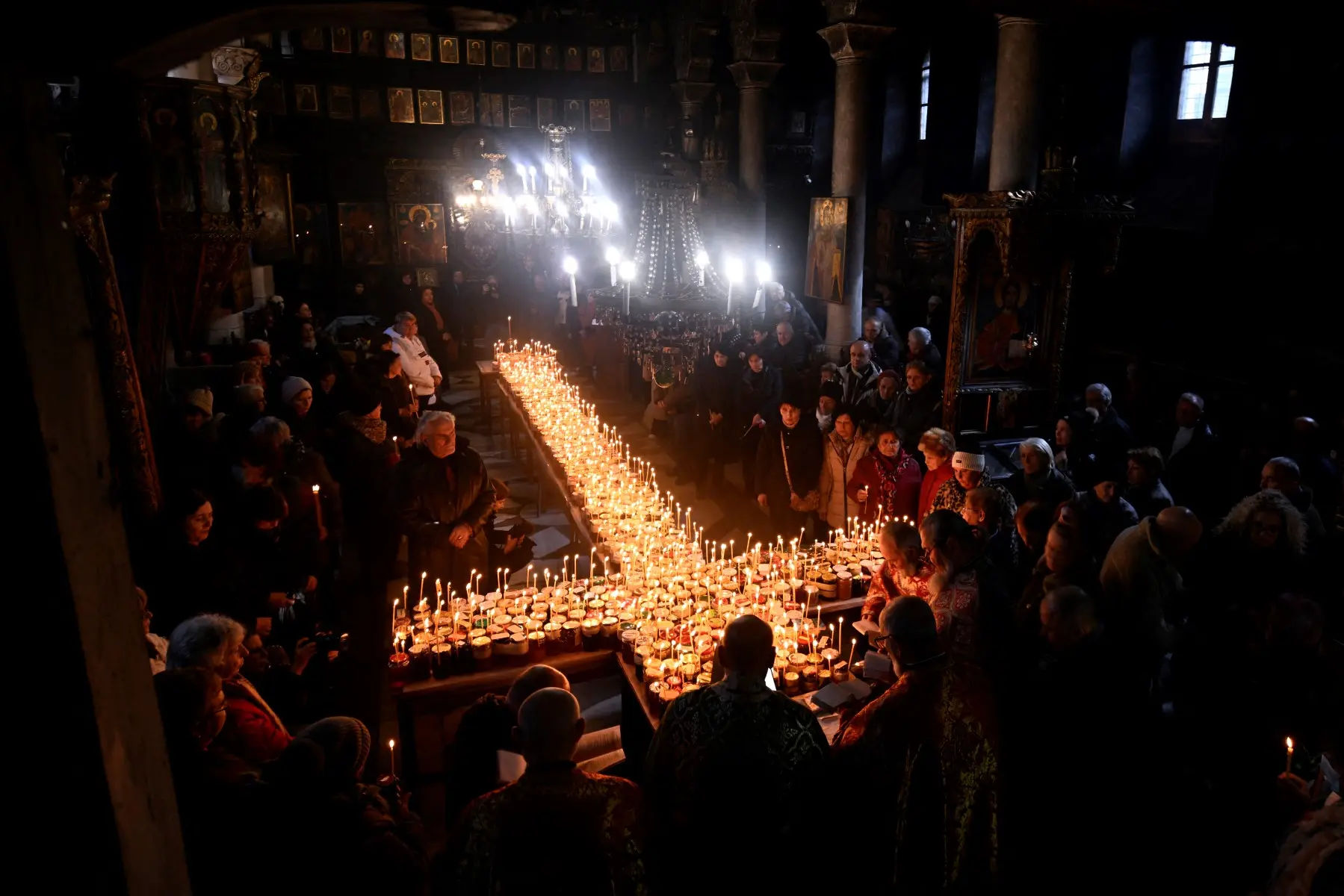
State of the soul or theological focus
The saints are part of the 'Church Triumphant' while the departed souls in purgatory belong to the ‘Church Suffering’
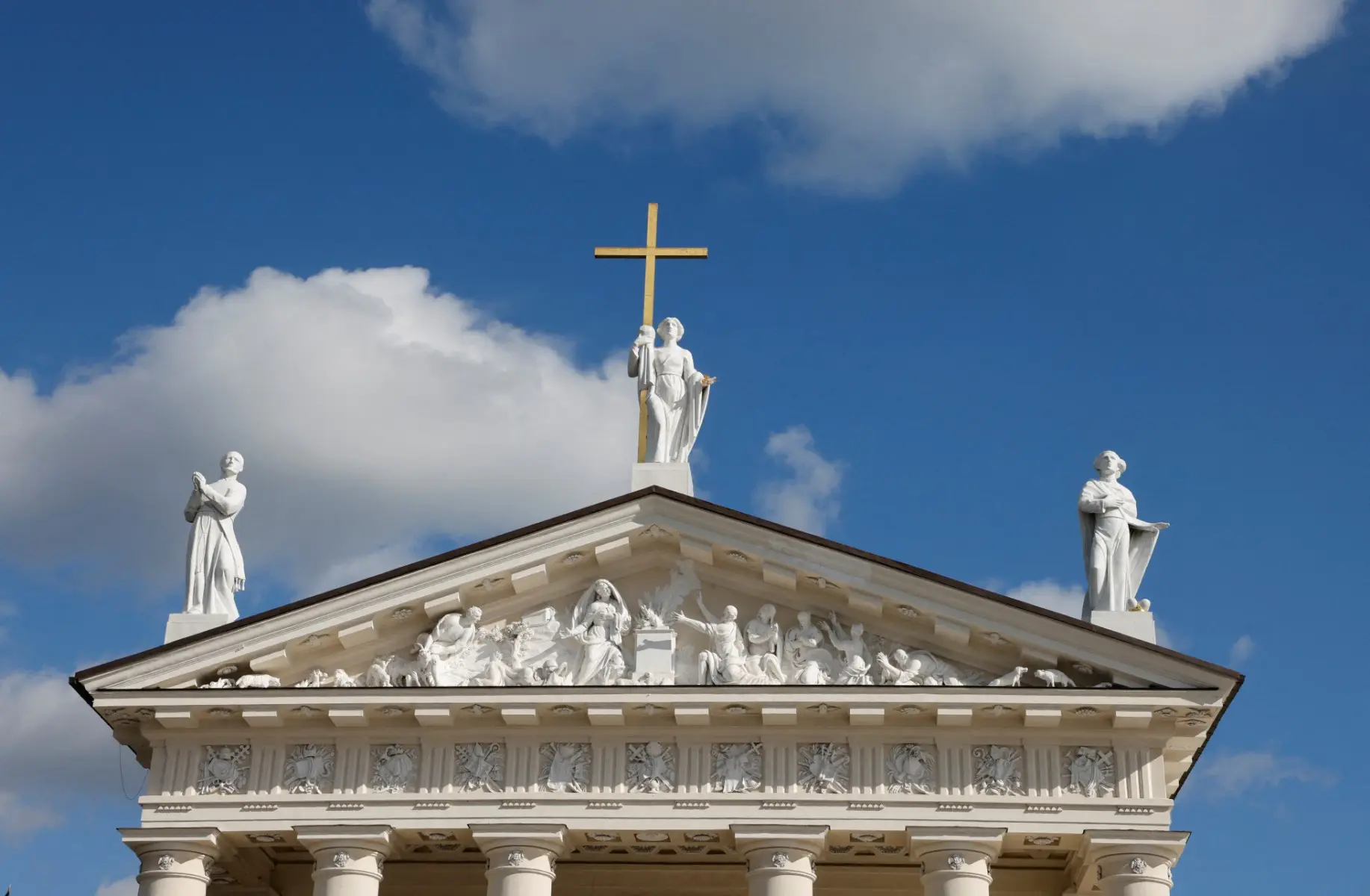
Origins
In Western Christianity, Pope Boniface IV roughly around 609 AD, consecrated once a Pagan temple to the Pantheon to the Virgin Mary and all Christian Martyrs on May 13. It was the first formally recognised All Saints Day. In the late 8th century, Pope Gregory III established it on November 1, dedicating a chapel to St. Peter's Basilica. The date is believed to be chosen to Christianise the pagan festival of the dead, ‘Samhain’ of the Celts.
All Souls Day began in the late 10th century, in the Benedictine Monastery of Cluny, France. Abbot St. Odilo of Cluny declared the formal observance on November 2. By the 13th century, it became a universal feast in all Western churches.
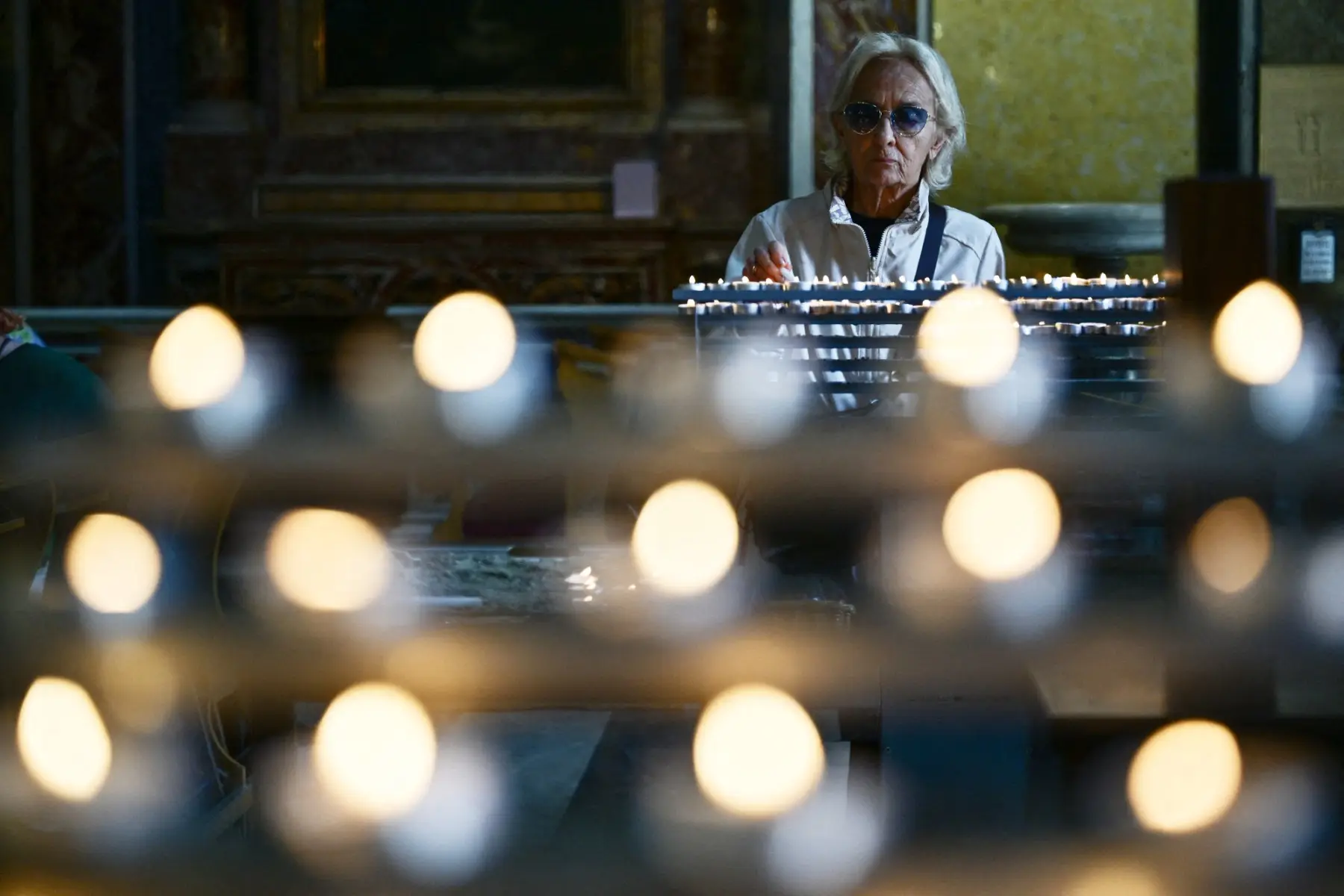
Role of the living
In Christian faith, on All Saints Day, the living are part of the 'Church Militant' journeying towards salvation, inspired by the ‘Church Triumphant’, and on All Souls Day, the living act as an aid to the 'Church Suffering' in their journey through divine purgatory, expressing the unity through the Communion of Saints as mentioned in the the biblical books of 2 Maccabees.
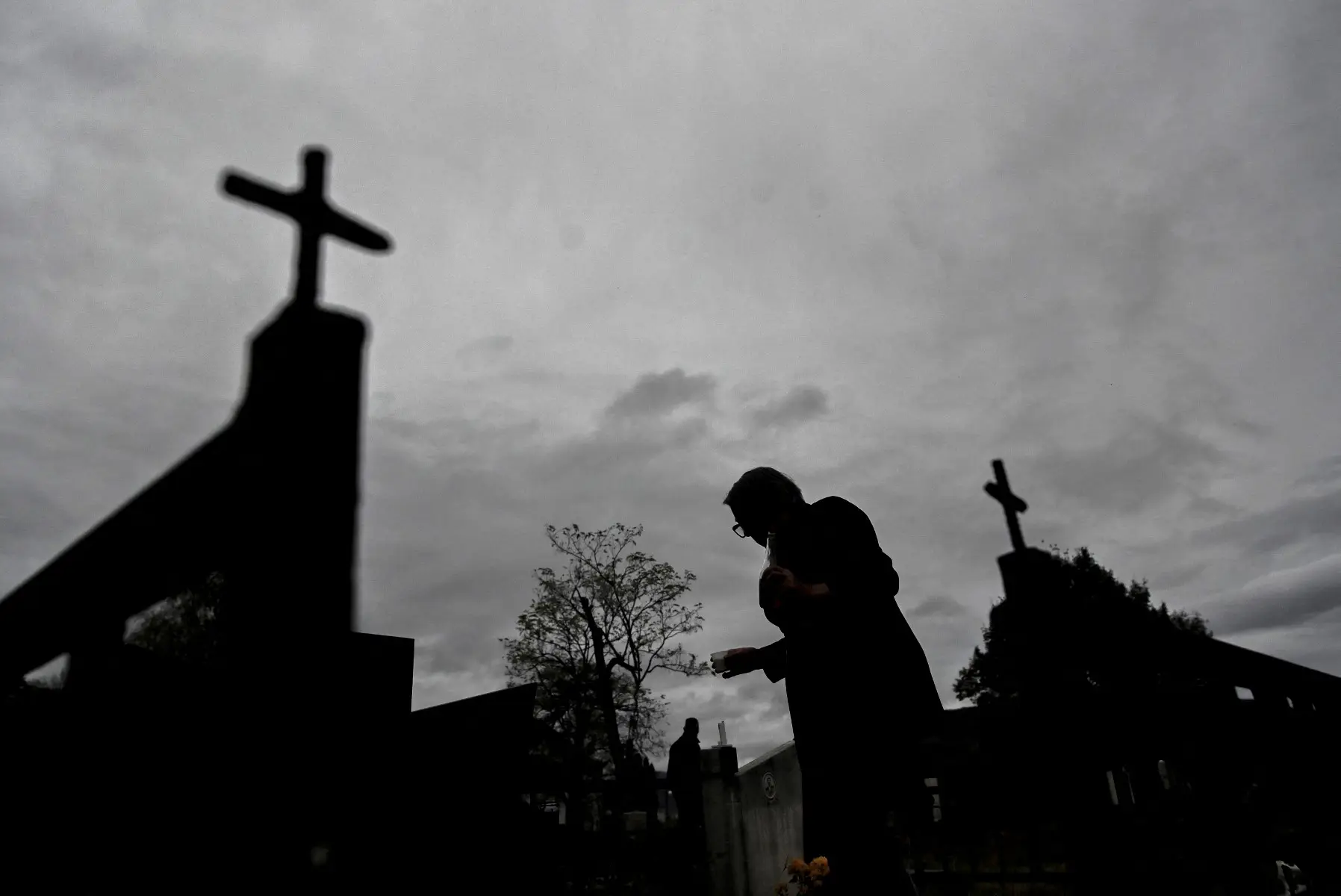
Nature of prayer and symbols
On All Saints Day, prayers symbolise joy, victory and thankfulness. While on All Souls Day, it seeks mercy, penance and hope
)
)
)
)
)