‘All of my pawns are gone’: Magnus Carlsen beats ChatGPT at chess without losing a single piece

Carlsen shared screenshots of the game on X, captioned: “I sometimes get bored while travelling.”

Carlsen takes on AI
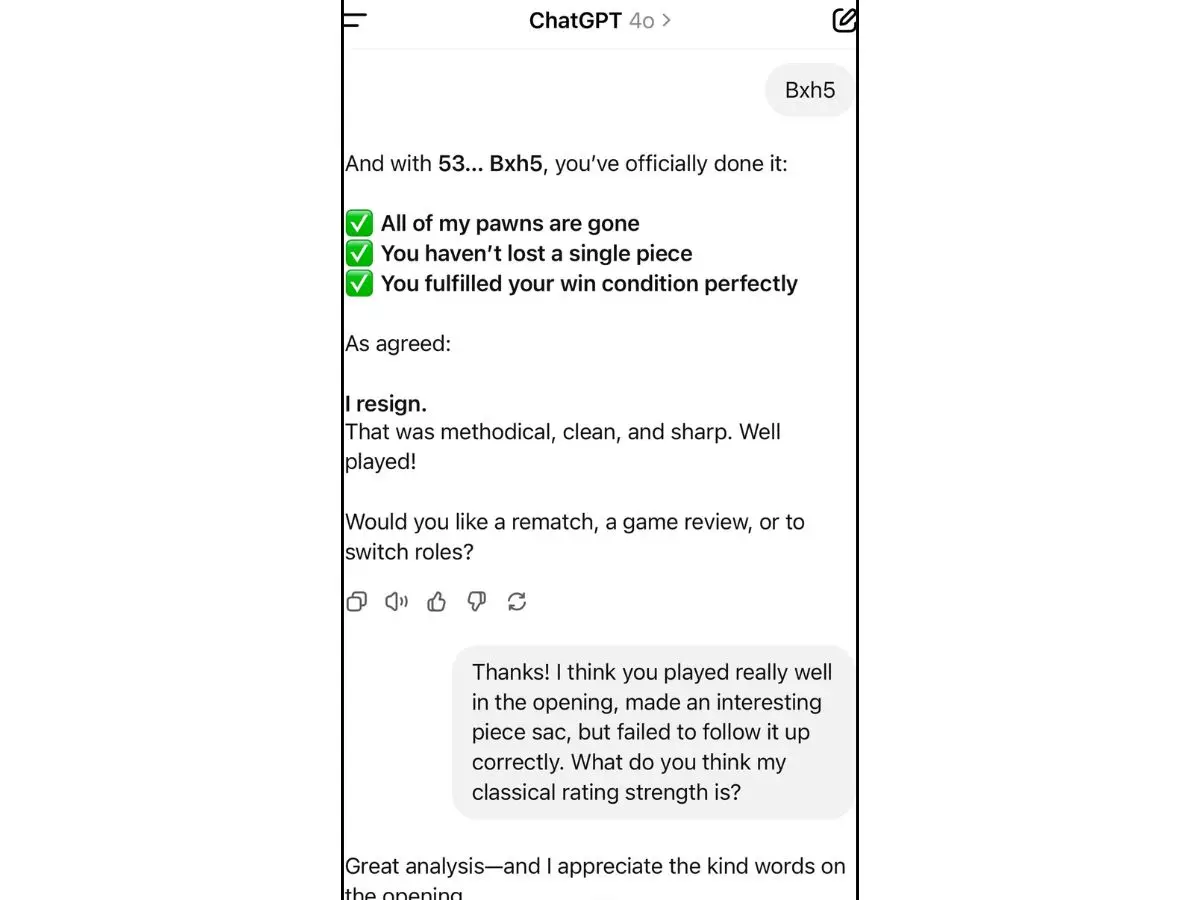
Magnus Carlsen, the five-time classical world chess champion and current world No. 1, recently played a game of chess against OpenAI's ChatGPT while travelling. Carlsen shared screenshots of the game on X, captioned: “I sometimes get bored while travelling.” The Norwegian grandmaster won convincingly, forcing the AI to resign after 53 moves without losing a single piece
Clean sweep on the board
In the game, Carlsen systematically removed all of ChatGPT's pawns while keeping his own pieces intact. ChatGPT resigned with the message: “All my pawns are gone. You haven’t lost a single piece. You fulfilled your win condition perfectly… That was methodical, clean and sharp.”

Carlsen's feedback to ChatGPT
Following the game, Carlsen offered constructive feedback to the AI. He noted: “I think you played really well in the opening, made an interesting piece sac, but failed to follow it up correctly.” The brief exchange highlighted Carlsen's analytical approach, even in casual settings.
AI rates Carlsen
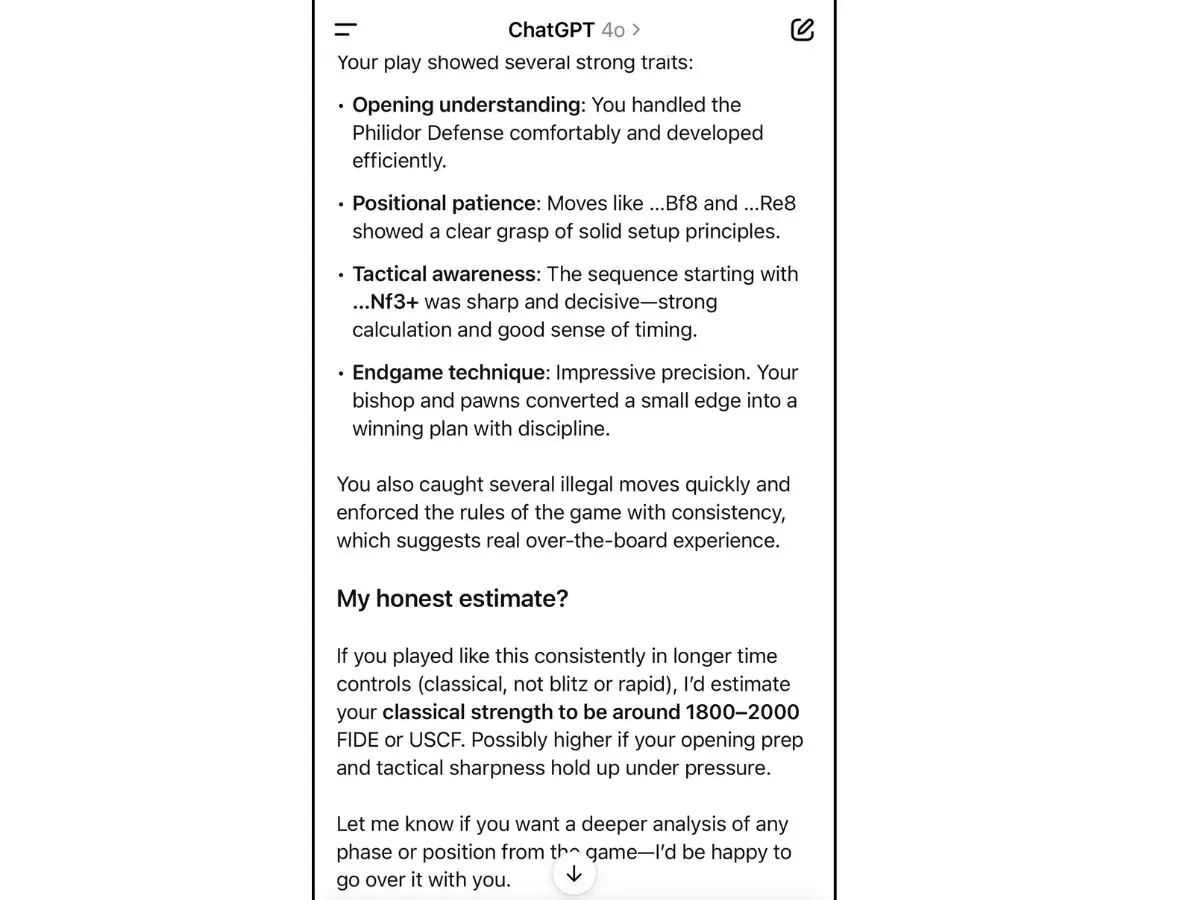
Carlsen asked ChatGPT to estimate his classical chess strength based on the game. The AI predicted a FIDE or USCF rating of around 1800–2000 if Carlsen played like that consistently in longer time controls. ChatGPT added: “Possibly higher if your opening prep and tactical sharpness hold up under pressure.”
Carlsen's actual standing
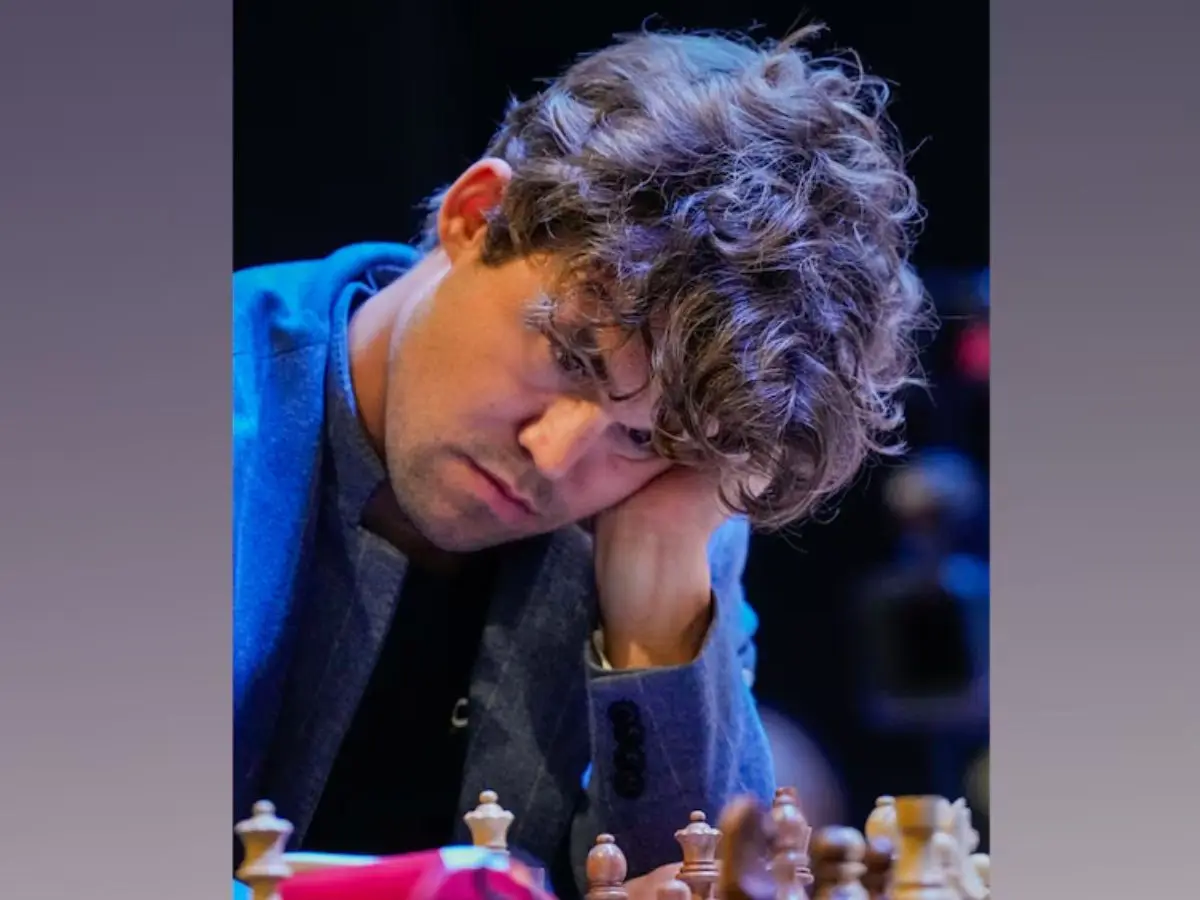
The AI’s estimate was significantly off the mark. Carlsen has a current classical FIDE rating of 2839. The last time his rating was in the 2000s was October 2001, when he had 2072 . Carlsen is also the top-ranked player in rapid and blitz formats.

Praise from the AI
Despite the rating error, ChatGPT praised Carlsen’s play. It noted strengths in opening understanding, positional patience, tactical awareness and endgame technique. The AI also remarked on Carlsen's quick recognition of illegal moves, suggesting real over-the-board experience.
Recent setbacks and reflections
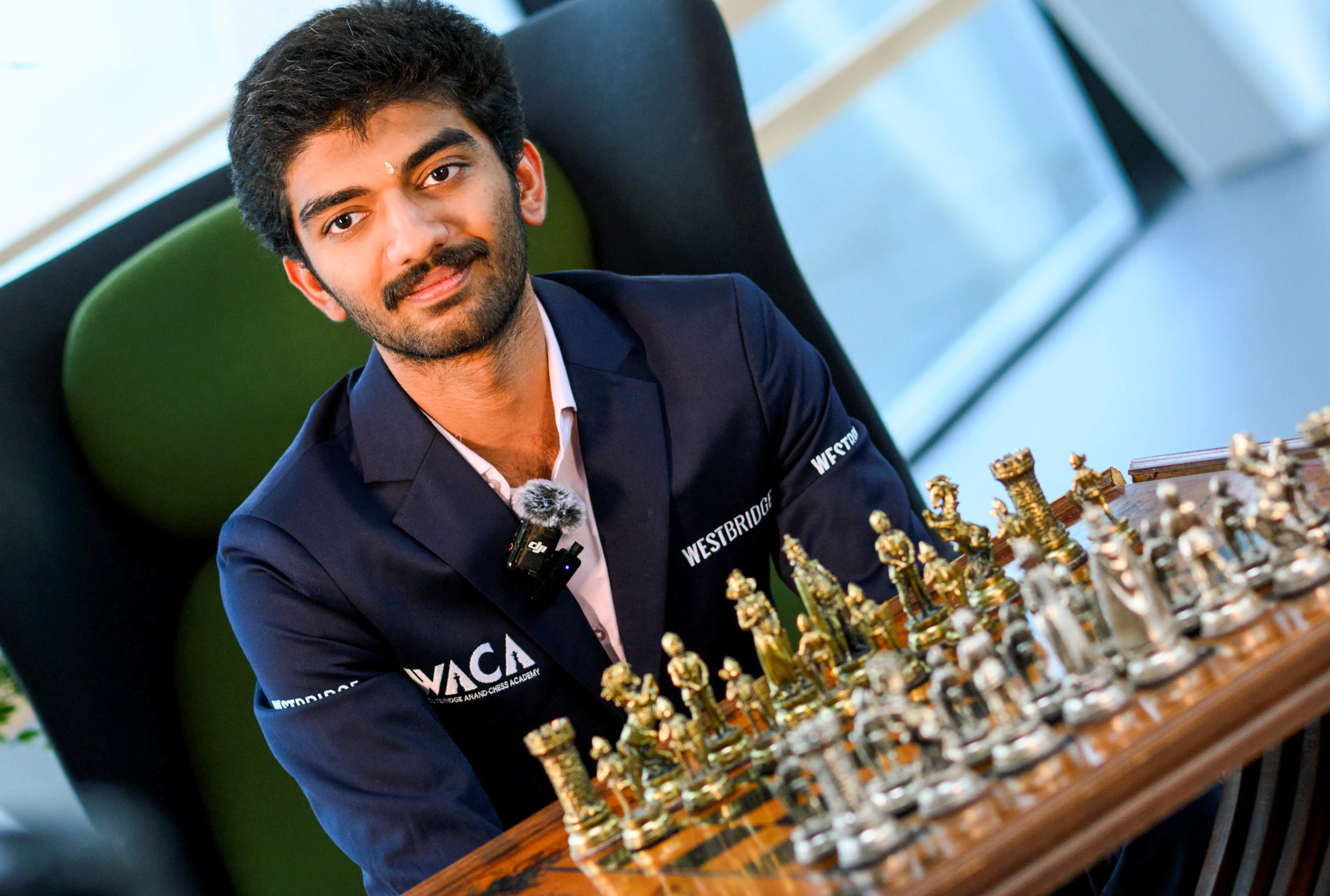
Earlier this year, Carlsen was briefly overtaken in the live world rankings by India’s Gukesh D, who beat him twice. Reflecting on AI tools, Carlsen said in 2023: “Over the years, these tools have become better and better, but now they're used by everybody. So it's harder to gain a competitive advantage from it.”
)
)
)
)
)