Ahmedabad plane crash: 5 reasons why commercial airplanes are painted white

Authored By Subhadra Srivastava
Published: Jun 14, 2025, 19:21 IST | Updated: Jun 14, 2025, 19:22 IST
It isn’t merely a design choice, but a strategic decision informed by cost, safety, and practicality. Despite occasional exceptions, white remains the industry standard for multiple reasons.
1 / 7
(Photograph: Reuters)
The Common Sight of White Jets
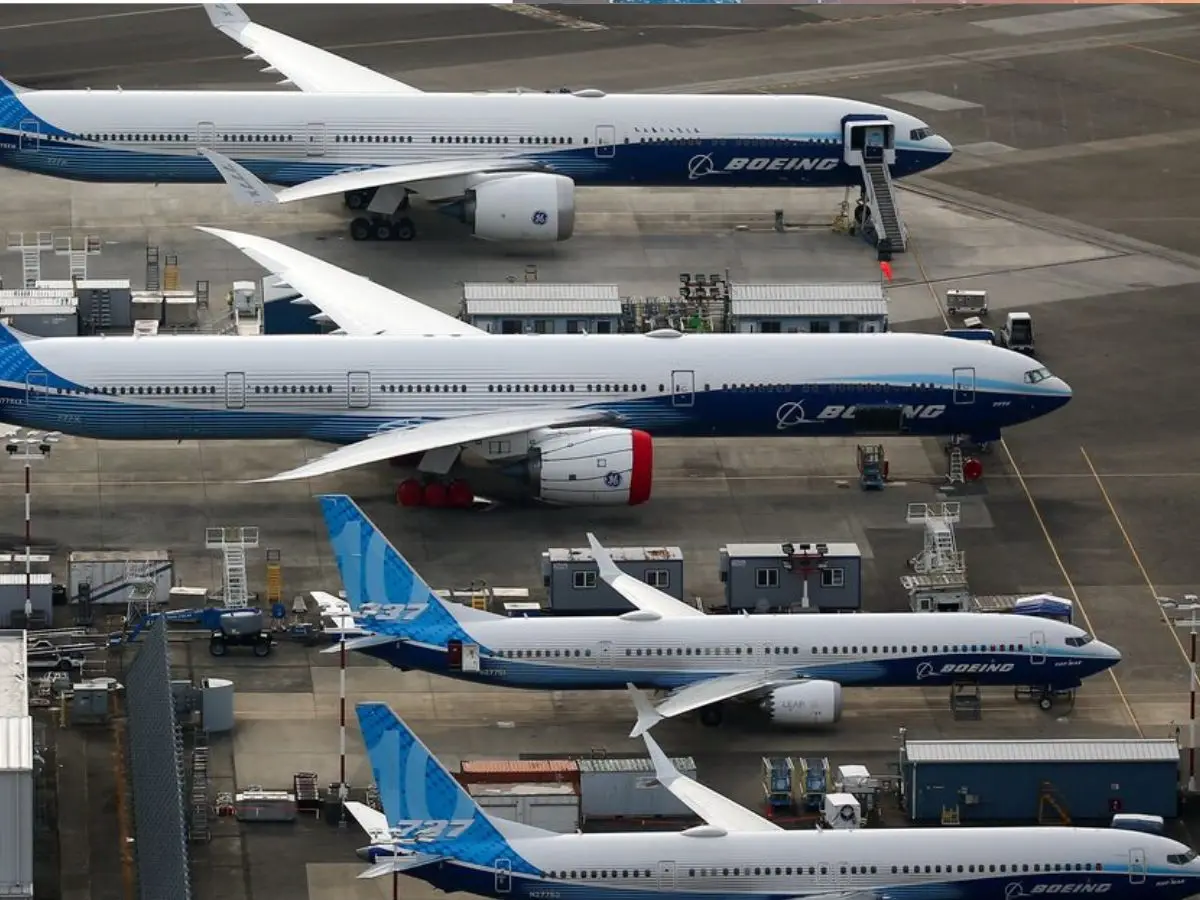
Most commercial aircraft around the world are painted white. This, however, isn’t merely a design choice, but a strategic decision informed by cost, safety, and practicality. Despite occasional exceptions, white remains the industry standard for multiple reasons.
2 / 7
(Photograph: Reuters)
Reducing Maintenance Costs
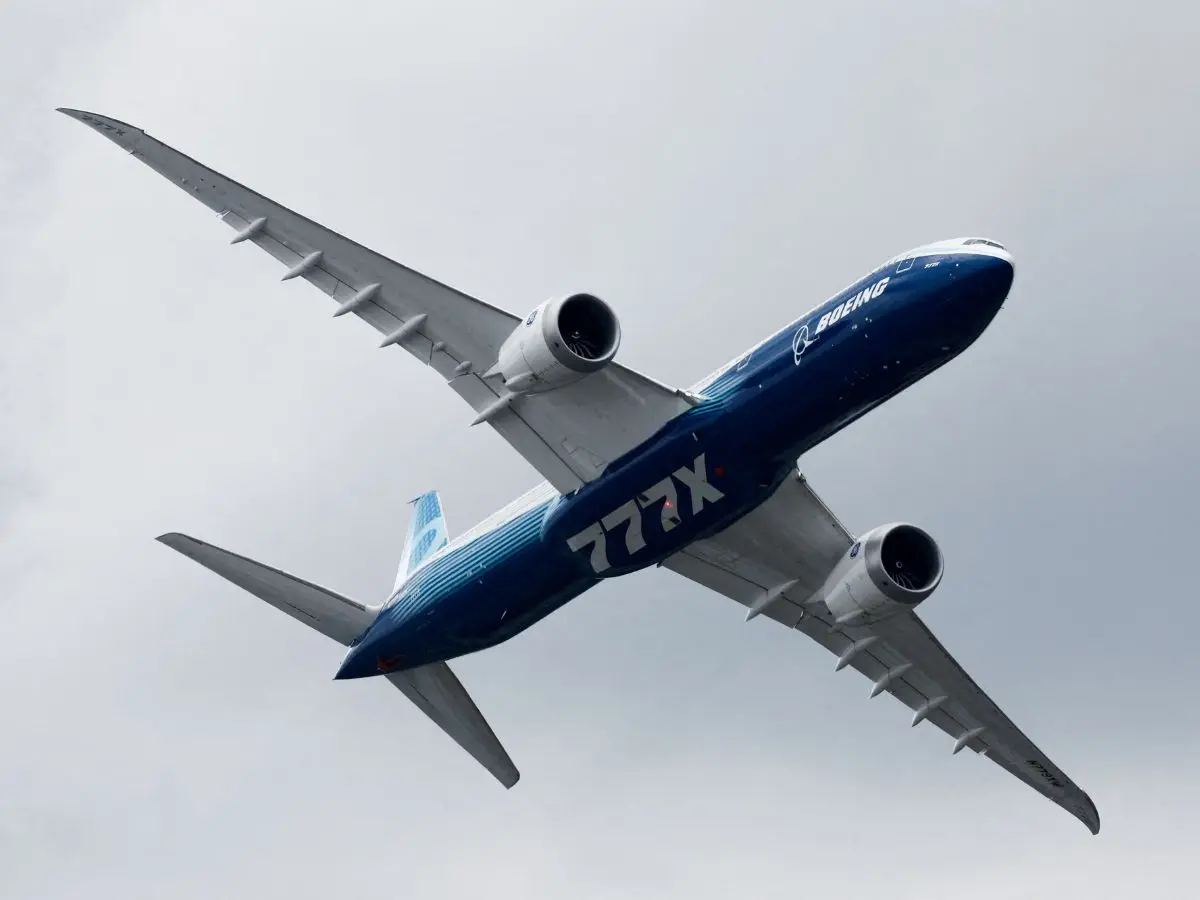
Painting a widebody aircraft typically requires 80 to 120 gallons of paint, costing up to $300,000 USD. White paint fades less quickly than darker colours, meaning aircraft need to be repainted less often. While some believe white paint is lighter, the weight difference between colours is negligible.
3 / 7
(Photograph: Reuters)
Managing Heat in Flight
White reflects sunlight better than darker shades, keeping aircraft cooler during flight especially during summers. This aspect is especially helpful at high speeds, where friction can raise the aircraft’s surface temperature. For example, Concorde’s white paint helped manage skin temperatures exceeding 120°C.
4 / 7
(Photograph: Reuters)
Supporting Safety and Maintenance
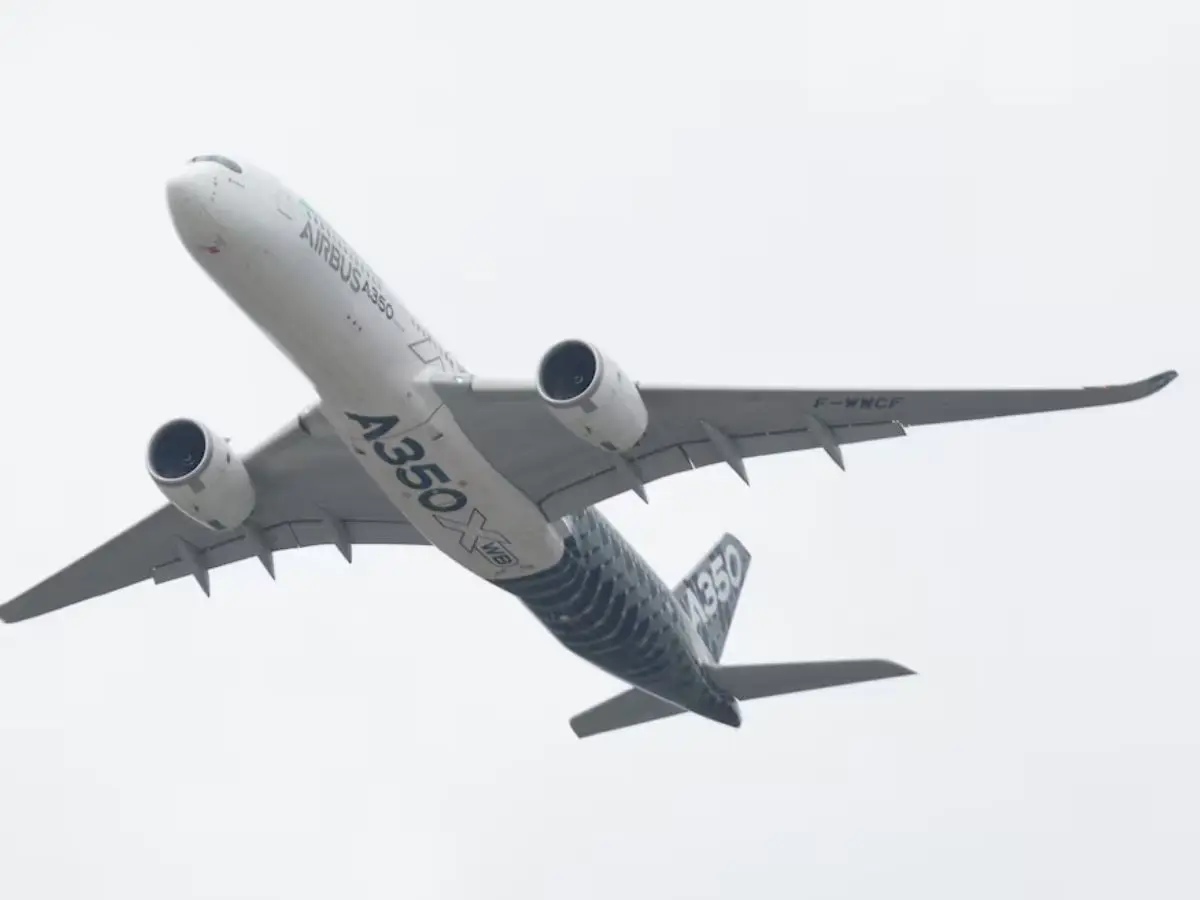
White paint is also beneficial for easily spotting leaks from oil, fuel or hydraulic fluid, which are typically dark. It also enhances the visibility in emergency situations, both in rescue operations and in preventing bird strikes. Birds are more likely to see and avoid lighter aircraft.
5 / 7
(Photograph: Reuters)
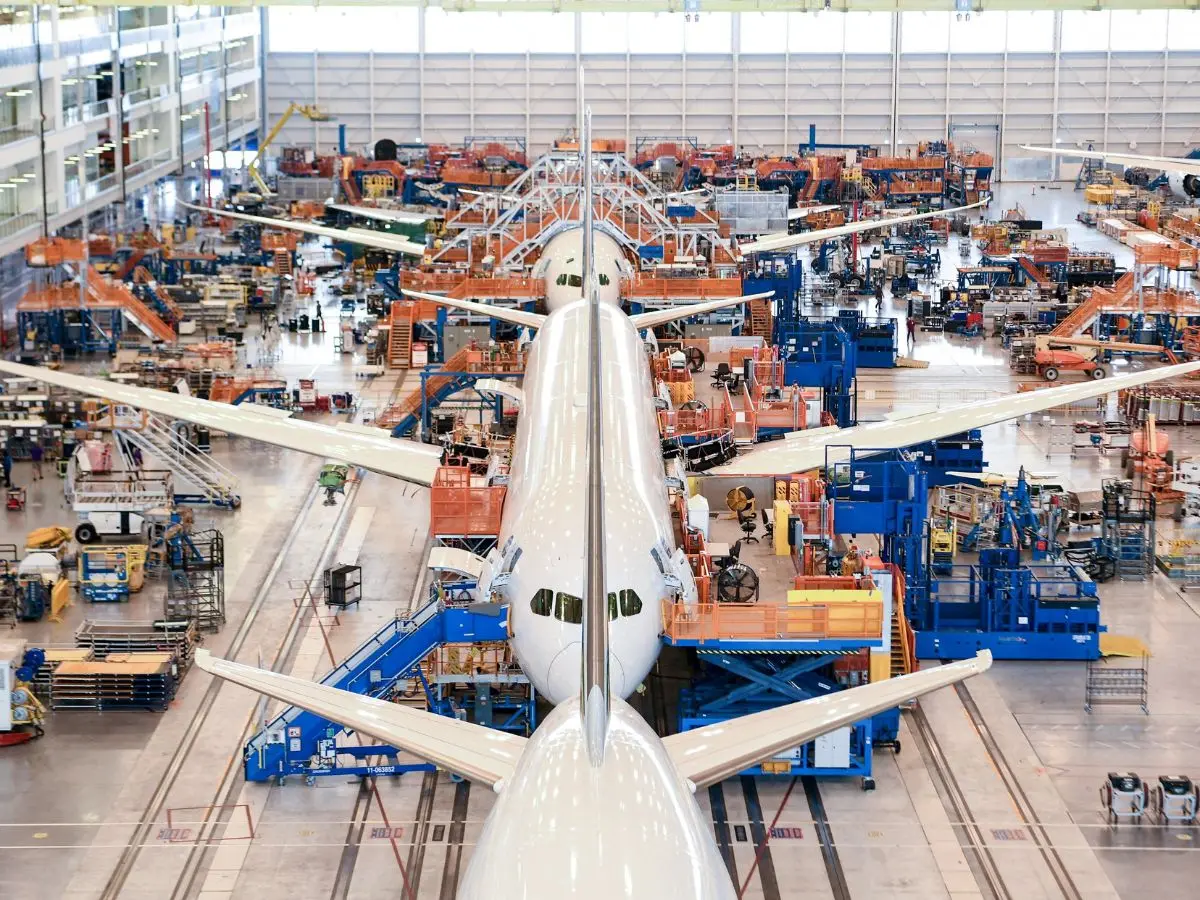
Easier Rebranding for Leased Jets
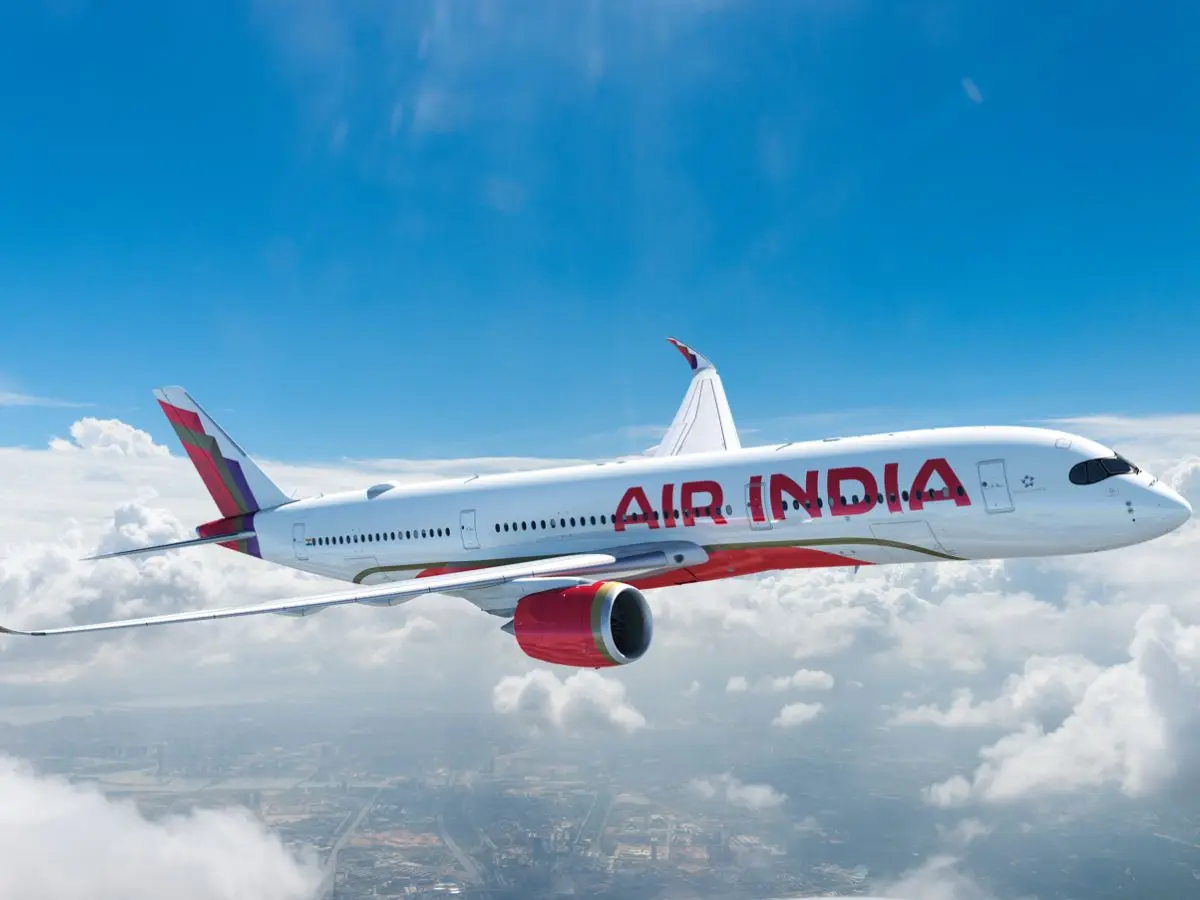
More than half of commercial aircraft are leased. A white base makes it easier to repaint or add branding when aircraft change operators. Airlines usually add colour only to tail fins or minimal fuselage elements for brand recognition, reducing repaint costs.
6 / 7
(Photograph: Reuters)
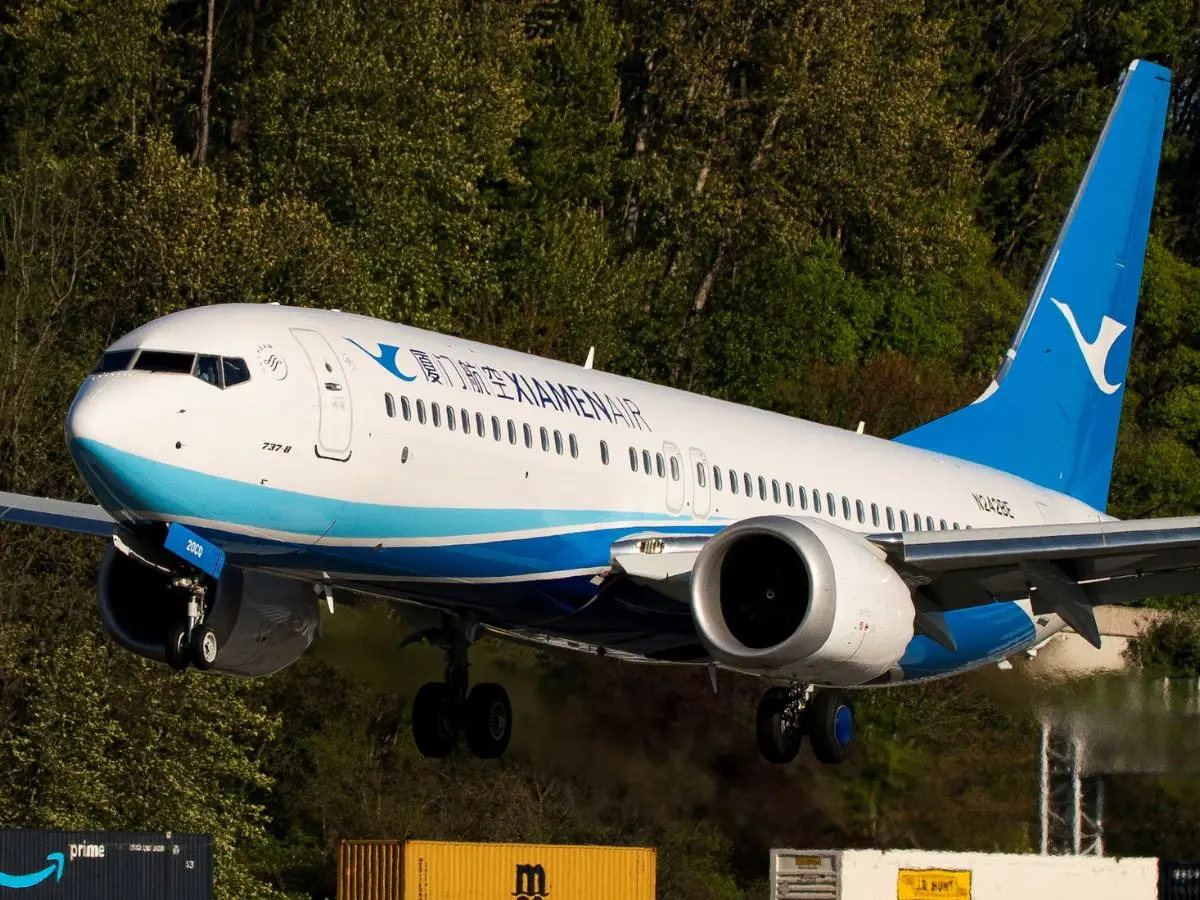
Brand Expression Through Colour
Airlines still use colour strategically. Traditional ‘cheatlines’, stripes along the fuselage, have largely disappeared, though Singapore Airlines retains the style. Modern liveries tend to concentrate colour on the tail or rear fuselage to stand out while maintaining a mostly white body.
7 / 7
(Photograph: Pexels)
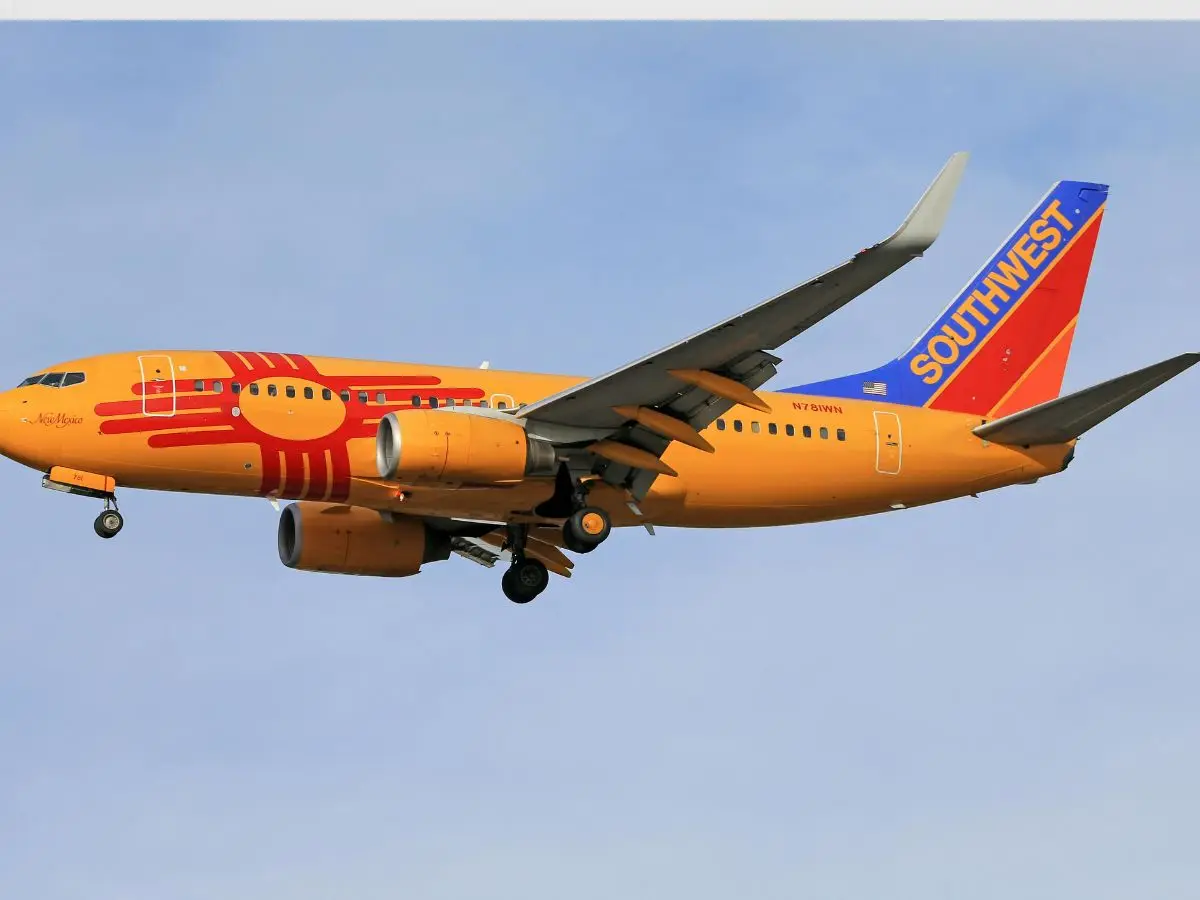
Notable Exceptions
Some low-cost carriers, like Southwest Airlines and Iceland’s PLAY, break convention with vibrant full-body liveries. These bold designs increase brand visibility but come at a higher cost. Military aircraft, in contrast, often avoid white altogether, favouring camouflage or high-visibility schemes based on operational needs. While not a requirement, white remains the dominant colour for commercial aircraft due to its efficiency, visibility, and cost-effectiveness.
)
)
)
)
)