Agni, Prithvi, Dhanush, BrahMos, Nirbhay and more: How strong is India’s nuclear missile force?

From submarine-launched ballistic platforms hidden deep underwater to aircraft-mounted strike assets and precision cruise missiles, the structure is engineered for survivability rather than stockpiling.
1. Introduction — defining the nuclear inventory
India’s nuclear missile capability is often discussed, but rarely understood in full. Beyond the well-known Agni series, the country has quietly built a diverse network of land, sea, air and cruise delivery systems designed to guarantee retaliation even under the worst-case scenario. From submarine-launched ballistic platforms hidden deep underwater to aircraft-mounted strike assets and precision cruise missiles, the structure is engineered for survivability rather than stockpiling.
2. Why India decided to go nuclear
India’s nuclear decision was shaped primarily by national security conditions. India’s defeat in the 1962 war with China was followed two years later by China’s first nuclear test in 1964. The subsequent military alignment between China and Pakistan heightened the threat perception further. It was concluded at the highest political level that only a powerful deterrent could prevent coercion and military aggression. India therefore began the development of its independent nuclear weapons capability to ensure strategic security.
3. Land-based ballistic missiles — Prithvi and Agni
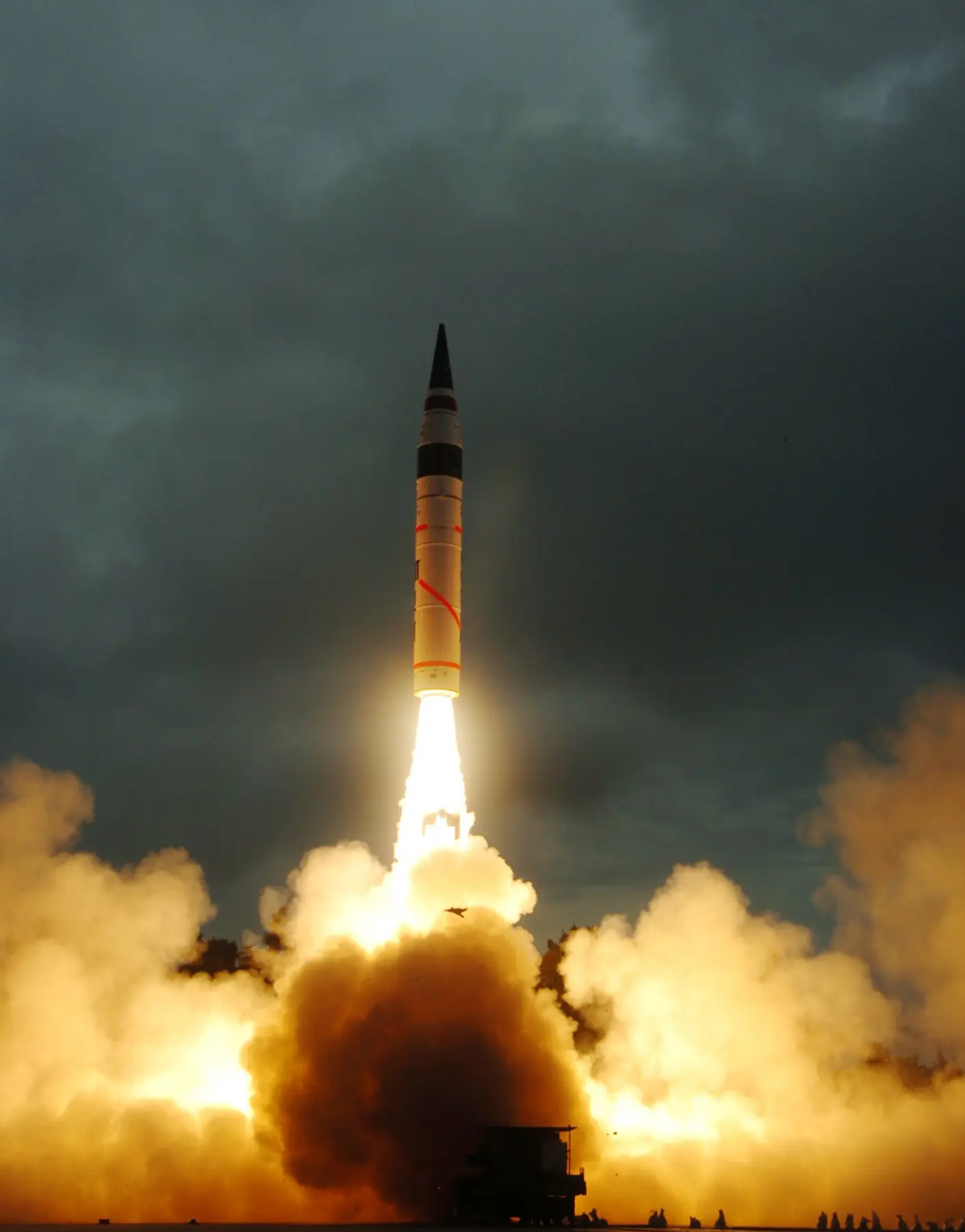
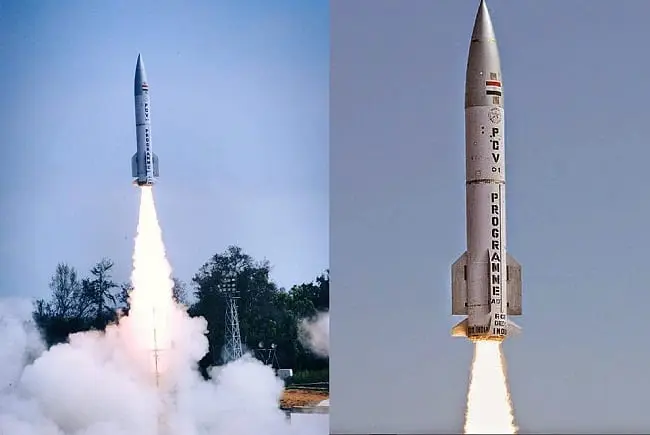
The Prithvi-II system is a short-range ballistic missile (approximately 350 km), used for tactical roles. The Agni series covers the spectrum from short- to long-range ballistic missiles: Agni-I (about700 km), Agni-II (about 2,000 km), Agni-III (about 3,000 km), Agni-IV (about 4,000 km), Agni-V (about 5,000 km+), and Agni-Prime (about 1,000–2,000 km). These systems are land-based and are equipped for nuclear payload delivery, giving India a layered ground-launched deterrence across multiple ranges.
4. Submarine-launched ballistic missiles — the K-series
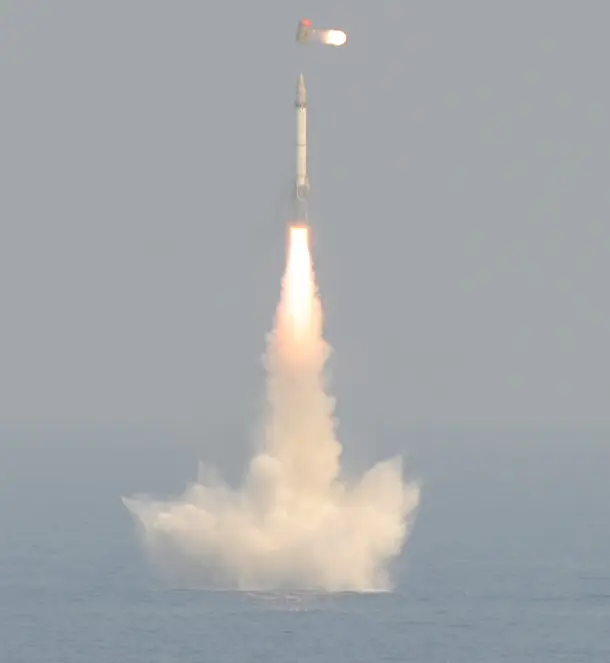
The K-missile family forms India’s sea-based nuclear strike capability. K-15 Sagarika (about 750 km) and K-4 (about 3,500 km) are currently associated with ballistic missile submarines, enabling submerged nuclear delivery. K-5 (about 5,000–6,000 km) and K-6 (about 6,000 km+) remain in advanced development for longer reach and higher survivability. The purpose of the K-series is to ensure a secure second-strike capability, even if land-based forces are targeted.
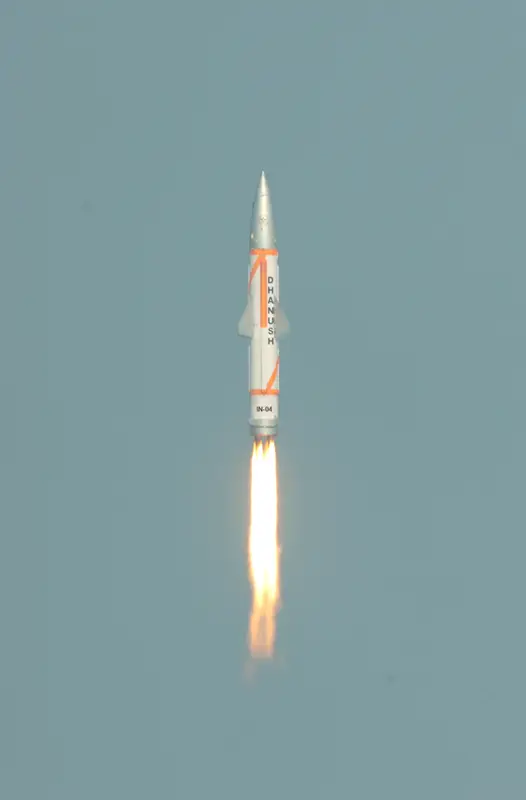
5. Ship-launched ballistic missile — Dhanush
Dhanush is a short-range ballistic missile (about350 km) launched from surface ships. Although similar in role and range to Prithvi, its maritime launch configuration allows nuclear delivery from mobile sea platforms, adding operational flexibility to India’s deterrent posture.
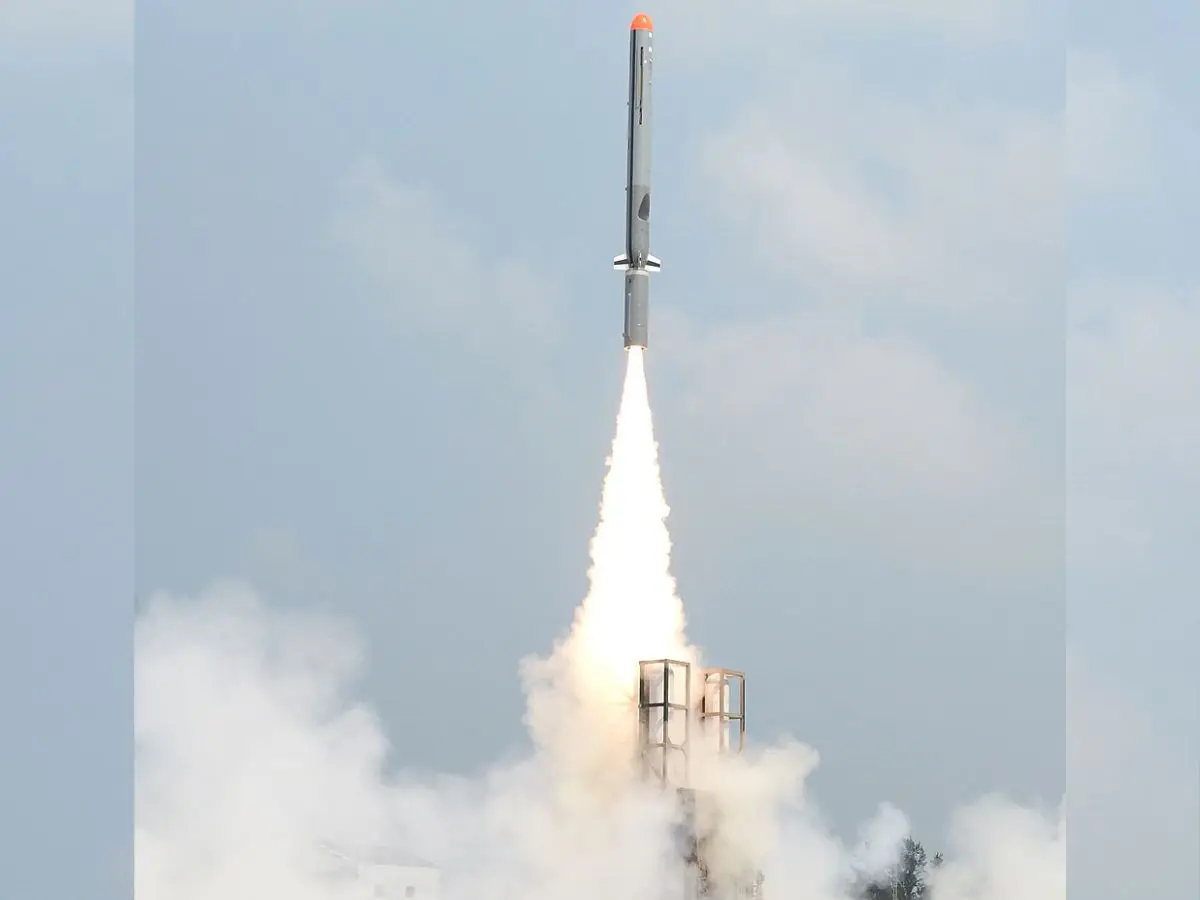
6. Cruise missile capability — BrahMos and Nirbhay
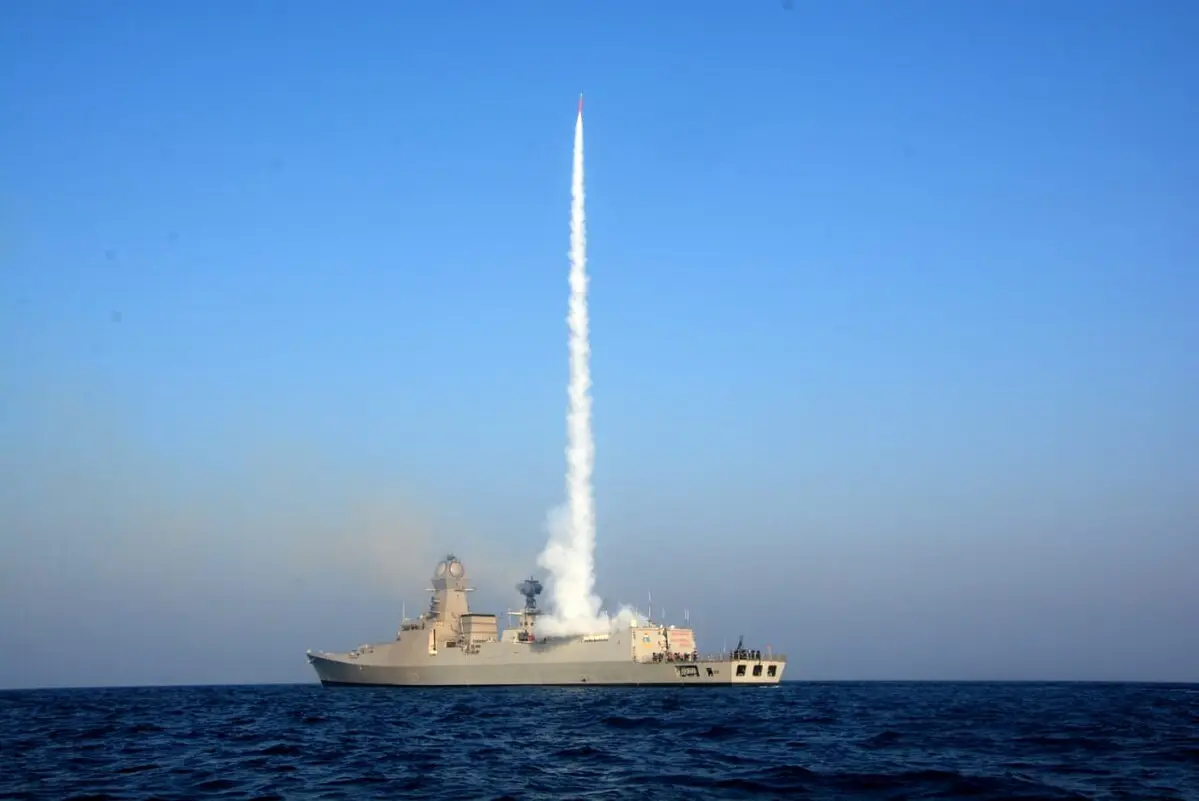
The BrahMos cruise missile can be launched from air, land, or sea platforms and has a range of 290–450 km depending on the variant. Select BrahMos configurations are understood to be nuclear-capable. Nirbhay, a long-range subsonic cruise missile (about 1,000 km+), has been designed to deliver both conventional and nuclear payloads. Cruise missiles complement ballistic systems by offering low-altitude flight profiles and high precision.
9. India’s Nuclear Doctrine
India follows a publicly declared doctrine based on deterrence and responsible control. Core principles include:
• No First Use — nuclear weapons will be used only in response to a nuclear attack on India.
• Retaliation only — nuclear weapons exist solely to deter aggression.
• Exclusive civilian control — only the elected national leadership can authorise nuclear retaliation.
• No nuclear use against non-nuclear states.
• Credible minimum deterrence — maintaining only the force necessary to deter rather than compete in arms escalation.
8. Air-delivery platforms
Apart from missiles, India retains the option of air-delivered nuclear weapons through selected fighter aircraft. Certain variants of aircraft such as the Mirage-2000 and Jaguar are configured for strategic missions. Air delivery provides the most flexible and recalculable strike pathway, complementing ballistic and cruise missile forces.
)
)
)
)
)