After Axiom-4: 7 defining space missions set to take place in 2025 and beyond

A series of upcoming missions will further strengthen international collaboration, scientific ambition, and commercial capabilities in the space sector.
Introduction
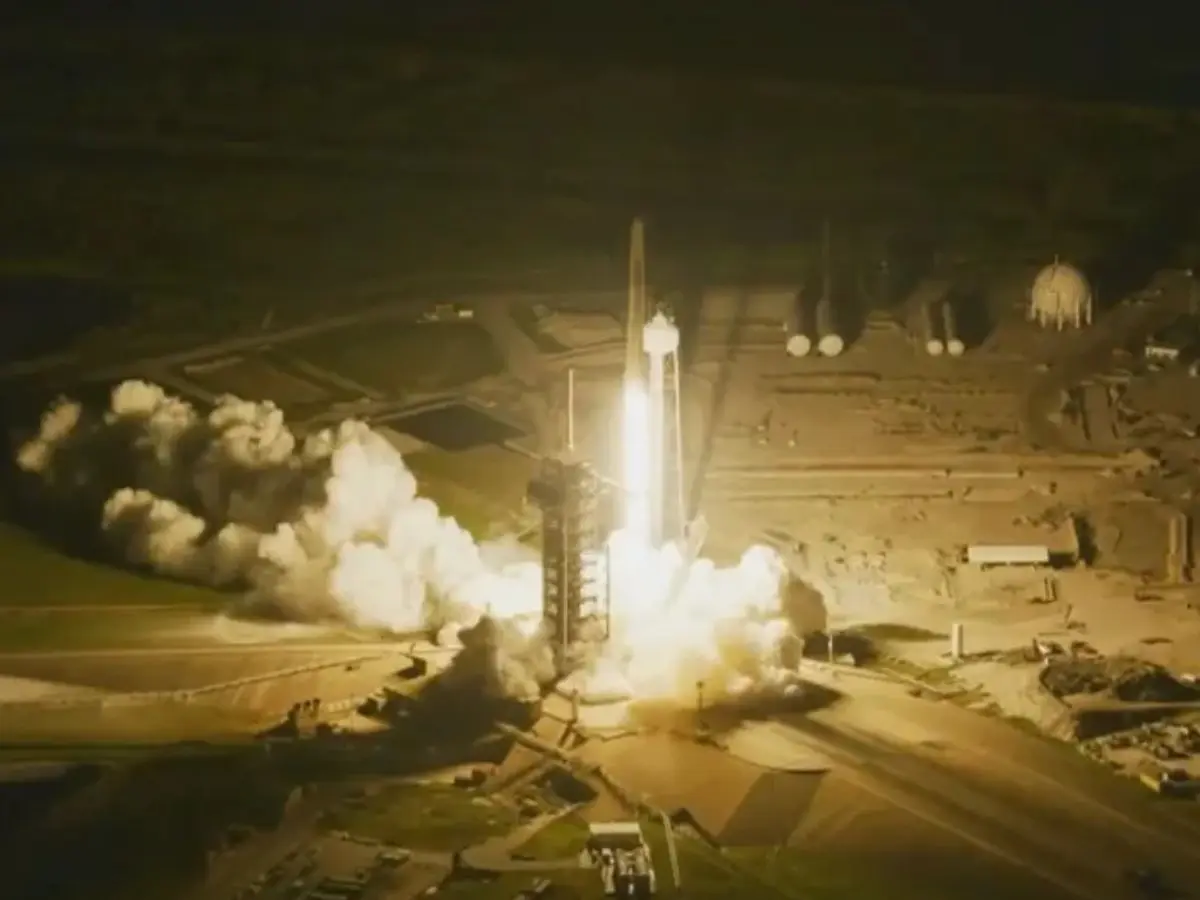
Space exploration is entering a defining phase in 2025. With the successful launch of the Axiom-4 mission carrying Indian astronaut Shubhanshu Shukla to the International Space Station, the year is already proving to be a milestone for space endeavours. A series of upcoming missions will further strengthen international collaboration, scientific ambition, and commercial capabilities in the space sector. From lunar landers and Earth-observing satellites to Martian orbiters and reusable spacecraft, agencies including NASA, ISRO, ESA, and private firms such as SpaceX are preparing for key launches. Here are seven of the most significant missions to follow in the coming months and years.
Intuitive Machines IM-3 (PRISM)
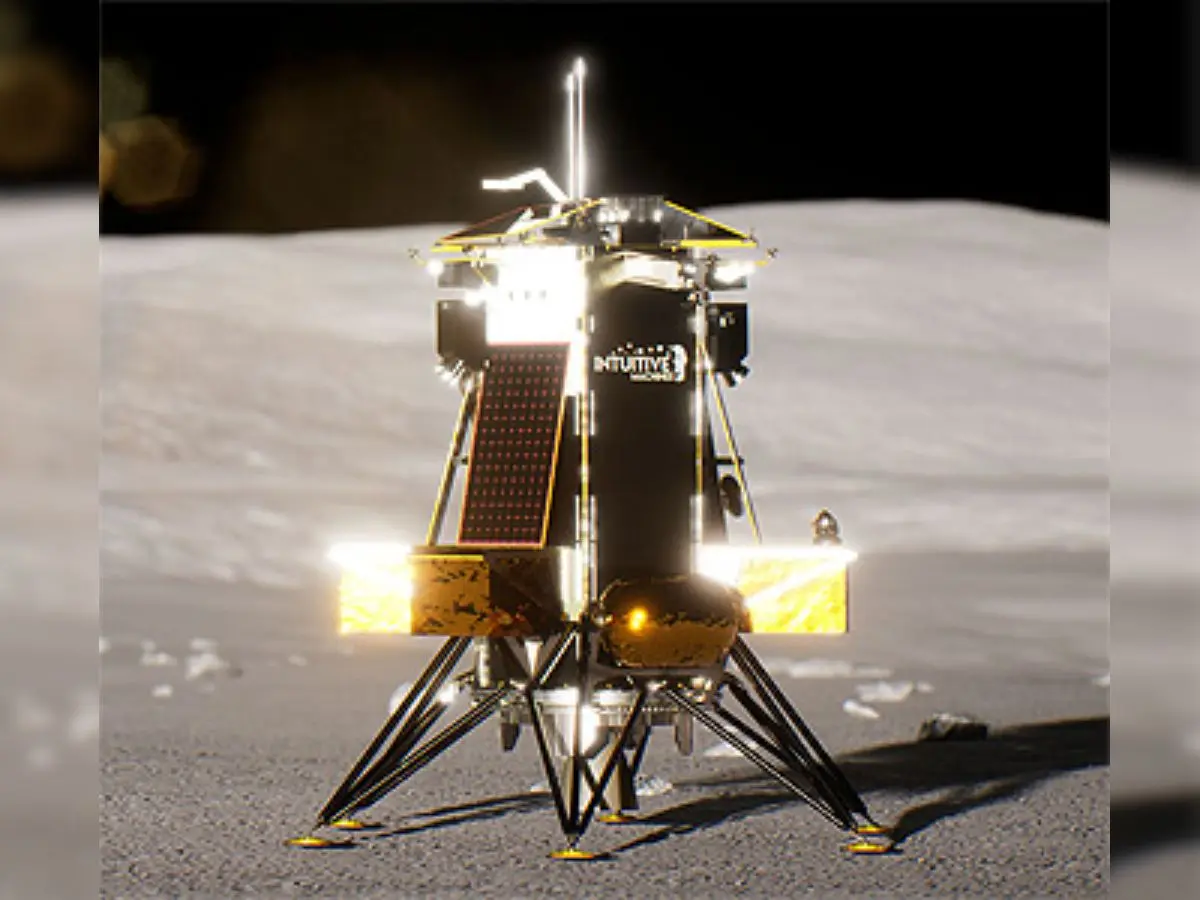
Scheduled for launch in late 2025 or early 2026, the IM-3 mission, also known as PRISM, is a key component of NASA’s Commercial Lunar Payload Services (CLPS) programme. Operated by Intuitive Machines, the mission will deliver scientific instruments to the Reiner Gamma region on the Moon. Objectives include studying lunar surface features, testing communication relays, and exploring the mini-magnetosphere in the area. It aims to support future Artemis crewed landings by gathering essential geological and environmental data.
Gaganyaan-2
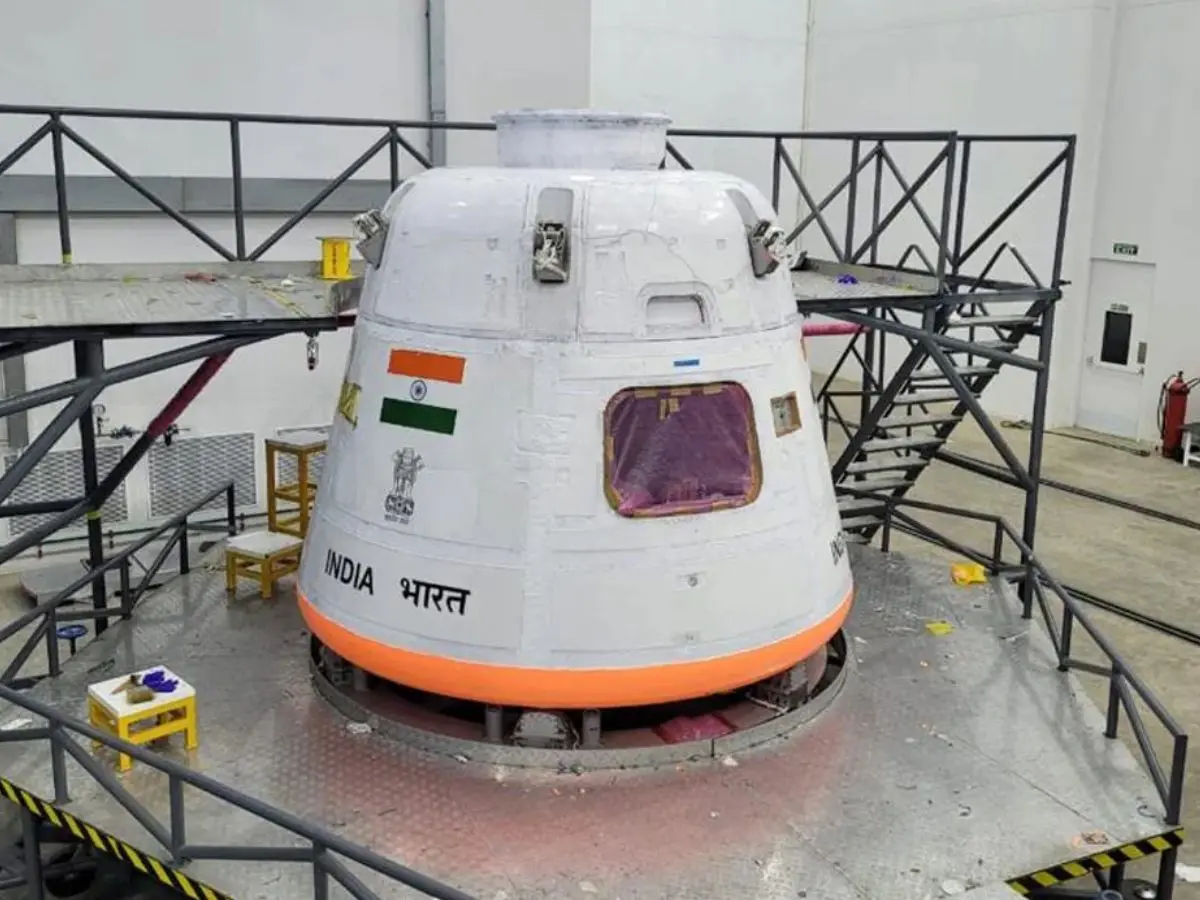
ISRO’s Gaganyaan-2, scheduled for 2025, is the second uncrewed test of India’s human spaceflight programme. It will validate key systems including the crew module, service module, and the Vyommitra humanoid robot. These tests will lay the groundwork for Gaganyaan-3, India’s first crewed orbital flight.
ESCAPADE
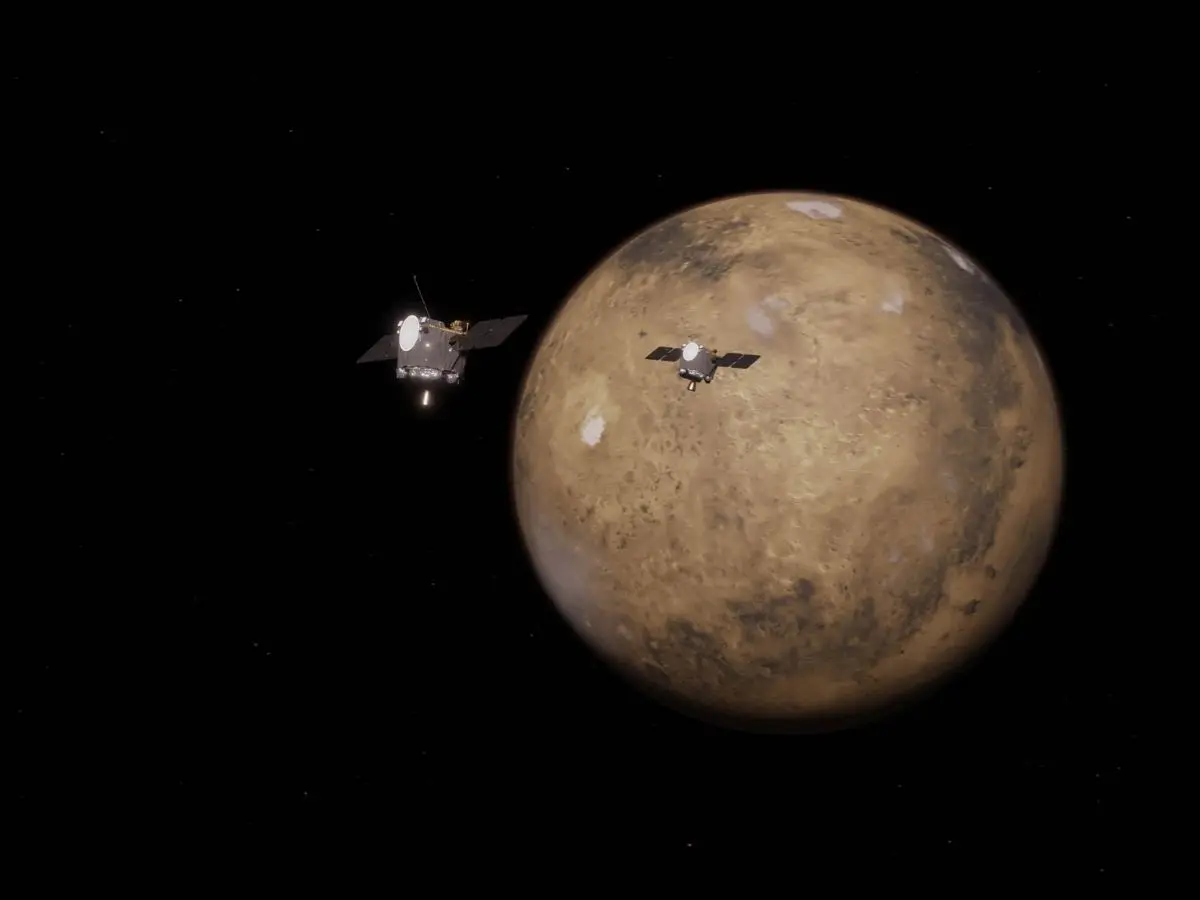
ESCAPADE (Escape and Plasma Acceleration and Dynamics Explorers) comprises two spacecraft—Blue and Gold, that will orbit Mars at varying altitudes. Managed by NASA and developed with UC Berkeley, this mission seeks to understand the Red Planet’s plasma and magnetic environment, particularly the mechanisms behind its atmospheric erosion. Launching in December 2025 aboard Blue Origin’s New Glenn, ESCAPADE could reveal clues about Mars' past habitability.
NISAR
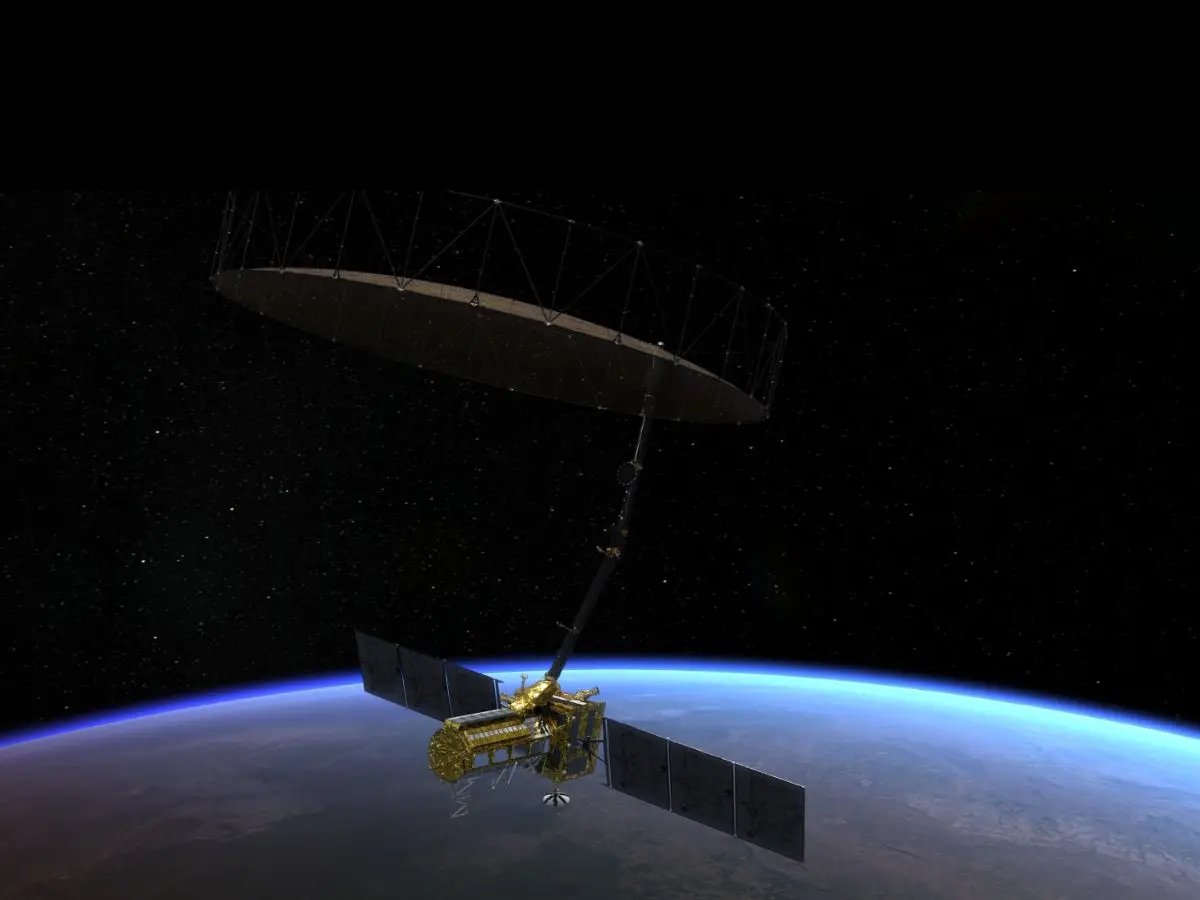
Jointly developed by NASA and ISRO, the NISAR satellite will use L-band and S-band radar to observe Earth’s surface changes. Launching in 2025, it will help monitor shifts in land due to earthquakes, glacial movement, and deforestation. The data aims to support climate change research and disaster response.

Artemis II
Artemis II is NASA’s first crewed flight under the Artemis programme. Scheduled for April 2026, it will send four astronauts around the Moon on a ten-day mission. It will test deep space systems including the Orion spacecraft and the Space Launch System (SLS), preparing for future lunar landings.
Space Rider
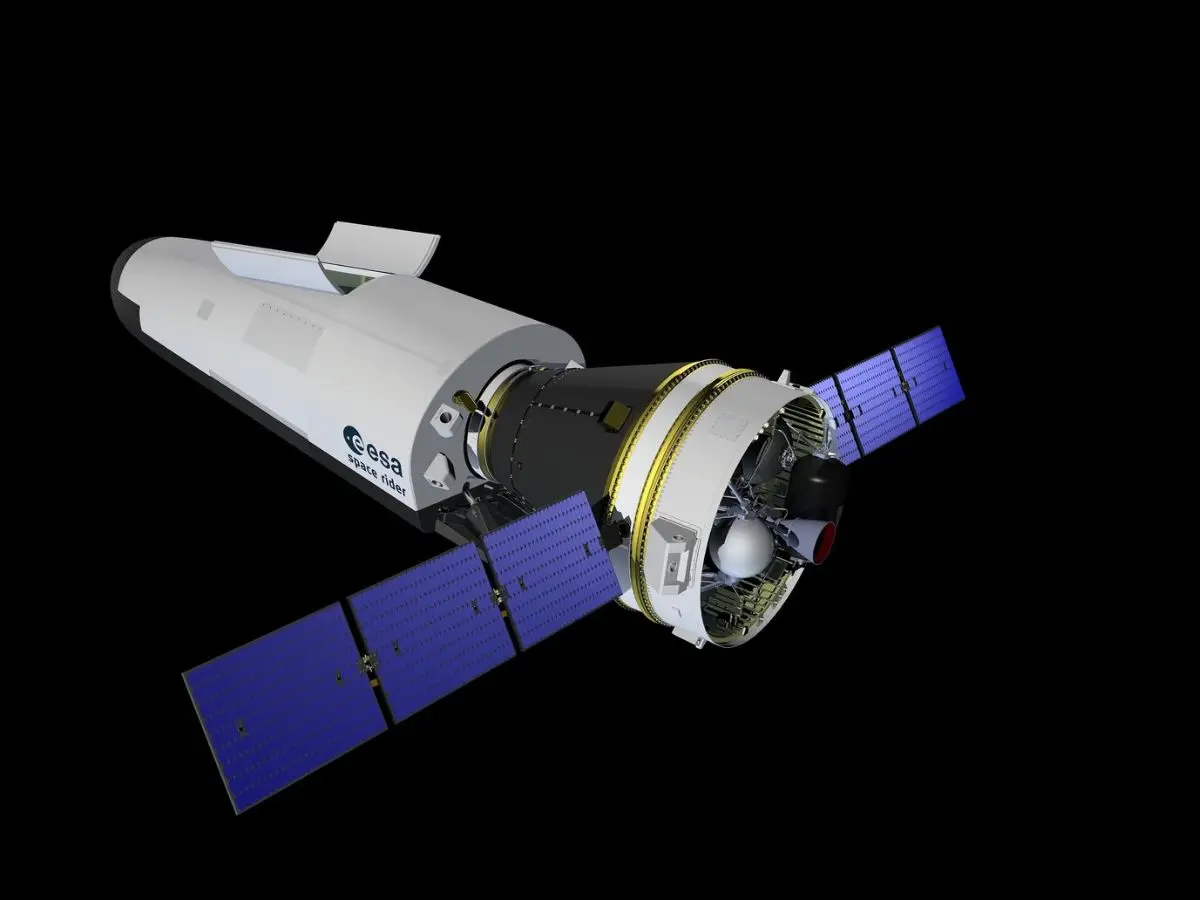
ESA’s Space Rider is an autonomous spaceplane expected to launch in 2027. Designed for microgravity research, it will carry payloads to low Earth orbit and return them intact. It will support a range of studies from material sciences to biology.
)
)
)
)
)