'83,915 vs 86,183 kg': Why the B-52 and B-1B bombers remain vital to US and how they differ

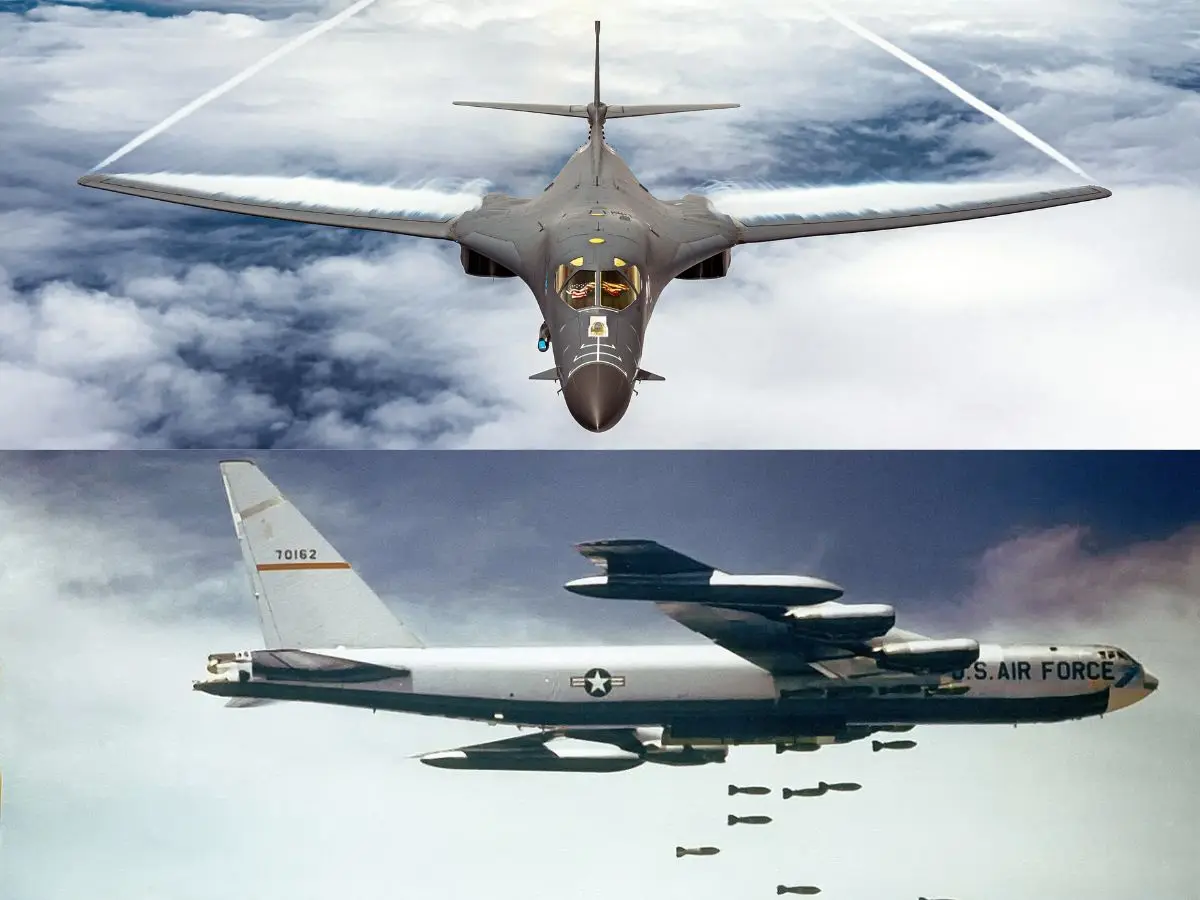
The B‑52 emphasises more on endurance, global range and adaptability, while the B‑1B brings speed, modern avionics and large conventional payloads to bear.
Introduction: two bombers, two missions
The United States Air Force’s bomber fleet is diverse and includes aircraft with very different designs which are suitable for different operational roles. At opposite ends of the strategic spectrum sit the Boeing B‑52 Stratofortress and the Boeing B‑1B Lancer. According to the US Air Force Global Strike Command, the B‑52 bomber has served the US since the mid‑1950s and continues to provide long‑range strike and strategic deterrence. At the same time, the B‑1B, introduced in the mid‑1980s, was introduced as a combination of both supersonic speed and a heavy conventional strike role to modern operations.
Origins and operational history
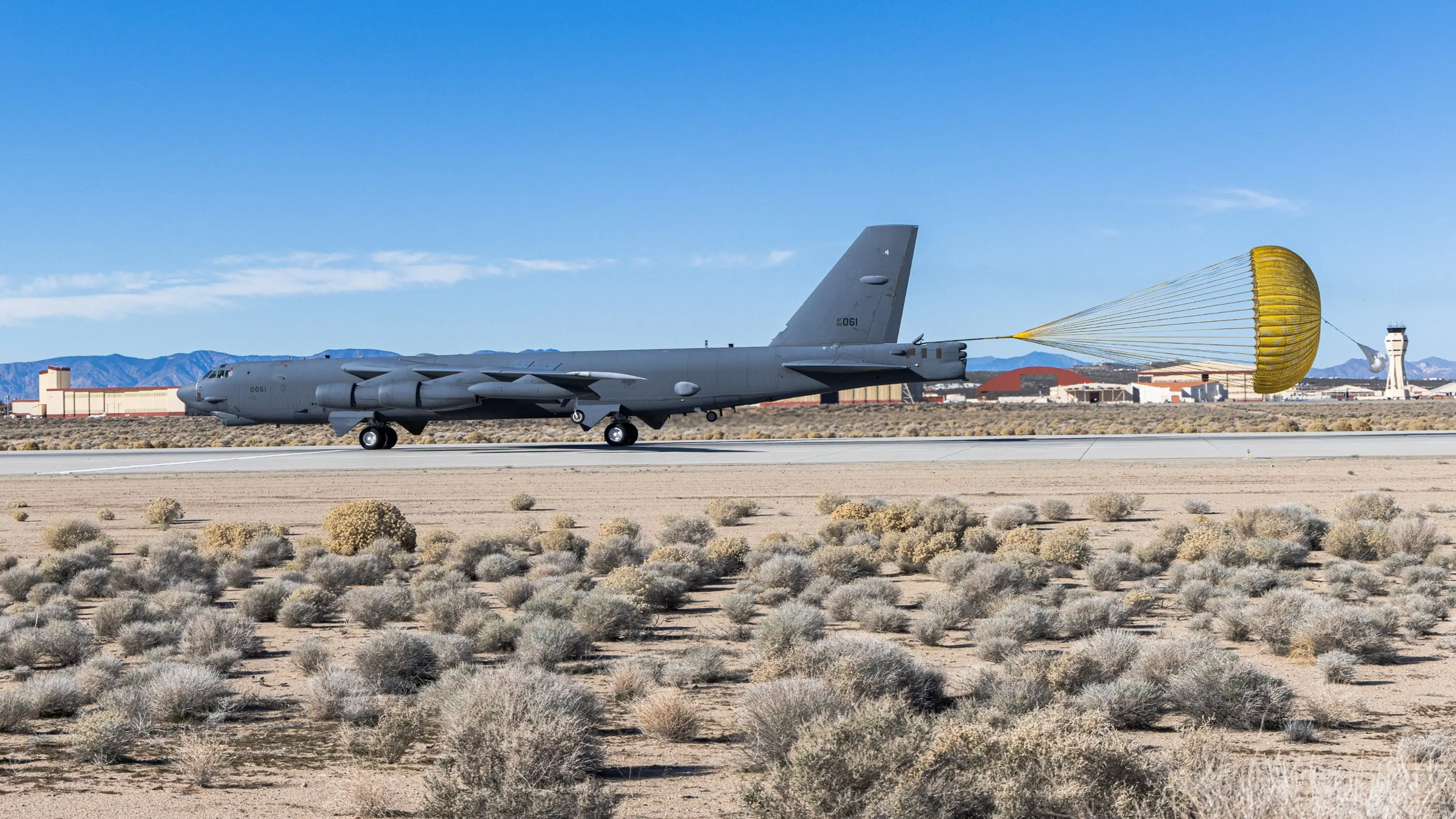
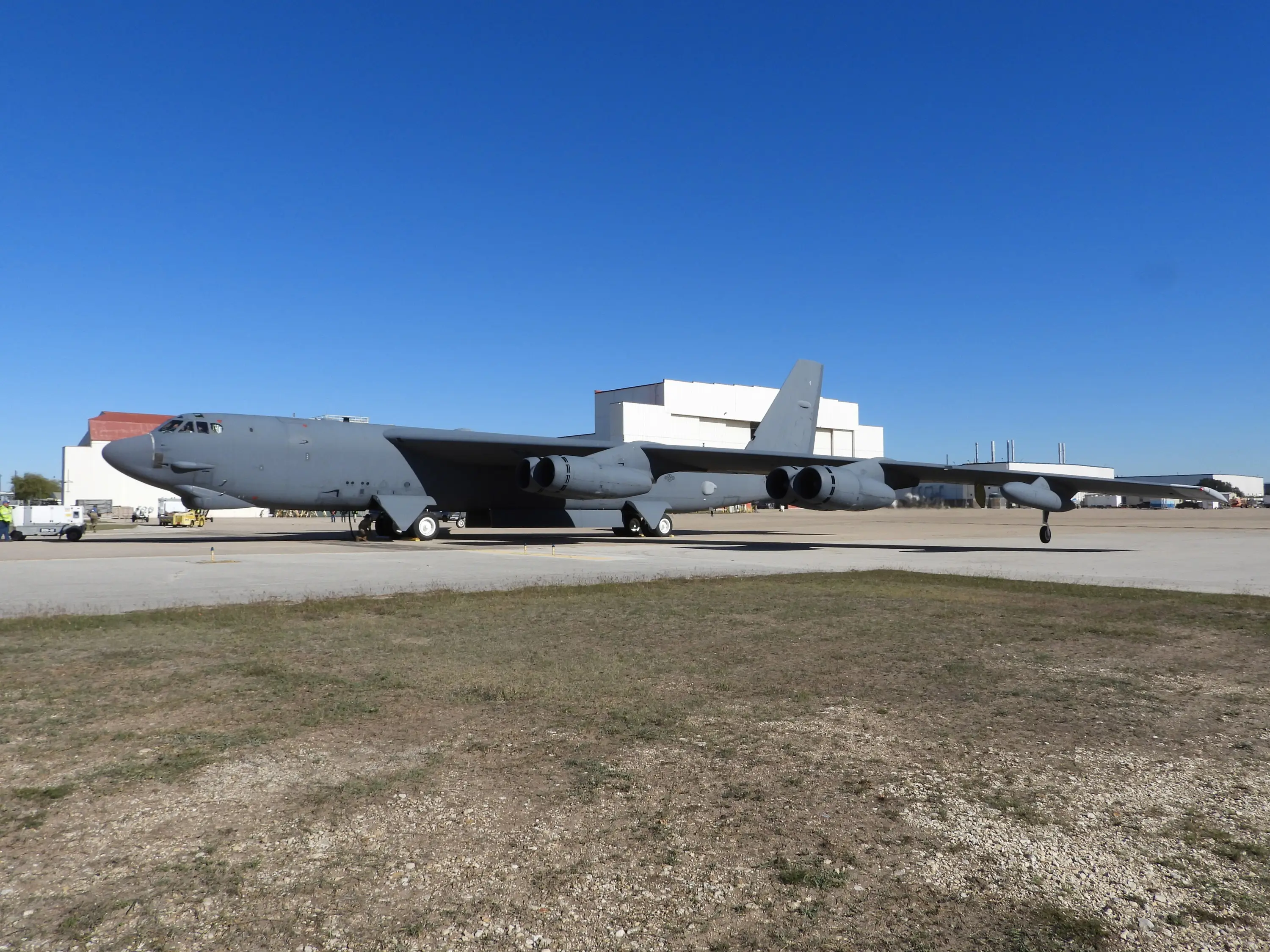
The B‑52 first entered service in the USAF in 1955 and has flown in every major conflict involving the US for seven decades, establishing it as one of the longest‑serving bombers in history. Its global role has included nuclear deterrence during the Cold War and conventional bombing in later conflicts. The B‑1B Lancer which was nicknamed the Bone, by contrast, was delivered beginning in 1985 and achieved initial operational capability in 1986 as a supersonic bomber which was originally intended to replace the B‑52’s nuclear mission, however it later, in 1990, transitioned into an exclusively conventional role, said the US Air Force.
Design and flight performance
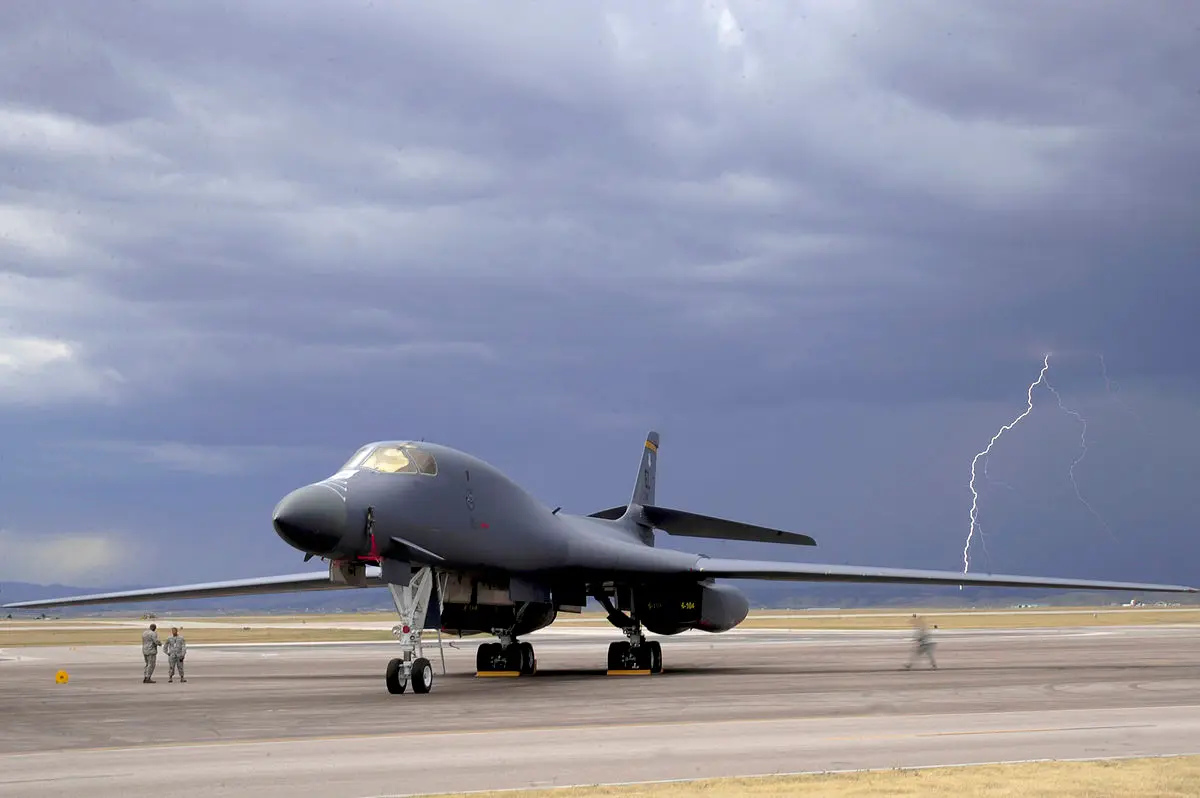
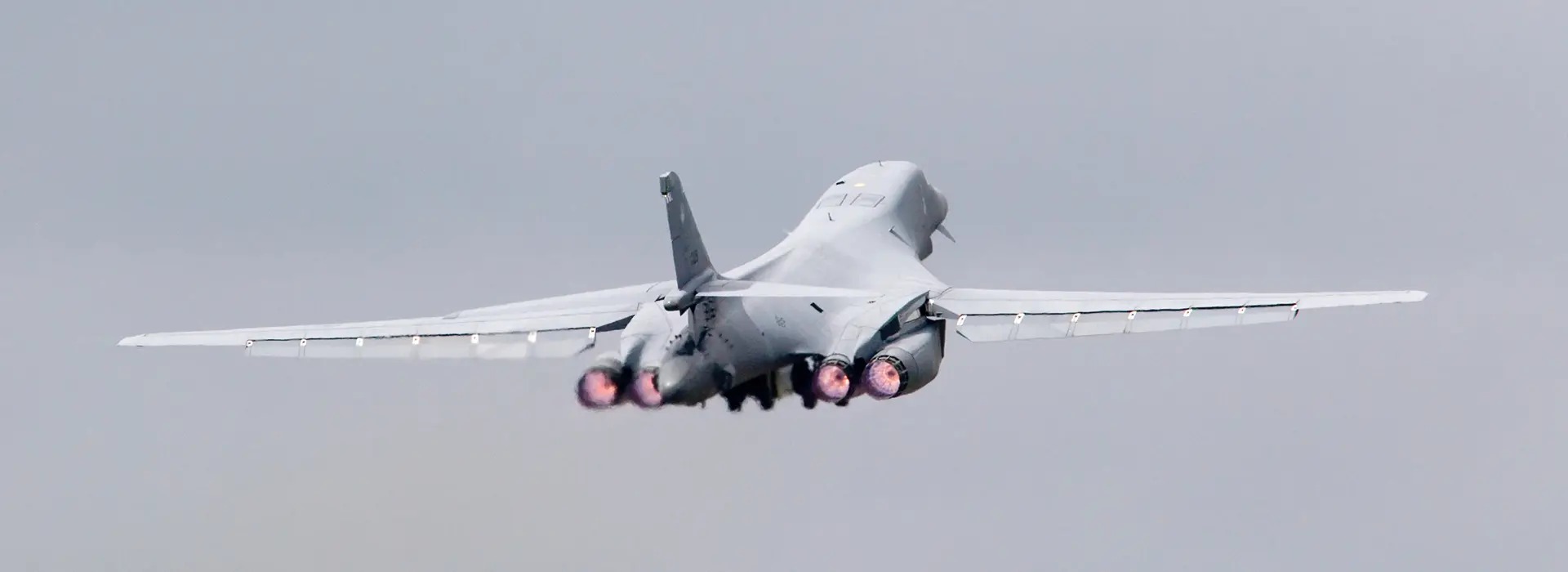
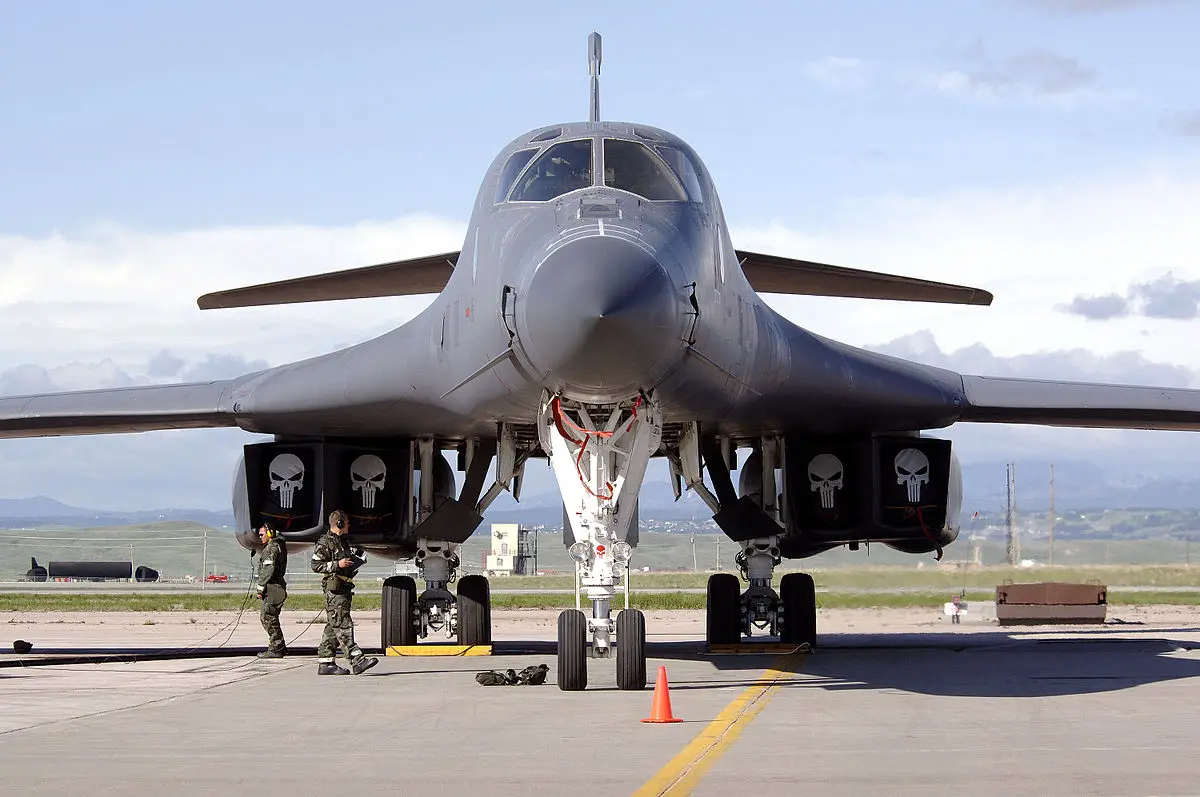
The B‑52 is a subsonic heavy bomber with exceptional range, able to fly long distances with aerial refuelling support and carry extensive fuel stores. According to Boeing, this long-range capability and high mission availability support global strike missions, with the aircraft routinely operating across distant theatres. It flies at the speed of 650 mph (Mach 0.88). It has an unrefueled combat range in excess of 8,800 miles (14,080 kilometers). In contrast, the B‑1B Lancer is designed as a variable‑geometry, supersonic bomber capable of speeds exceeding 900 mph (Mach 1.2 at sea level), it remains the fastest bomber in the USAF inventory. The B-1B combines long-range reach with rapid response.
Payload and mission roles
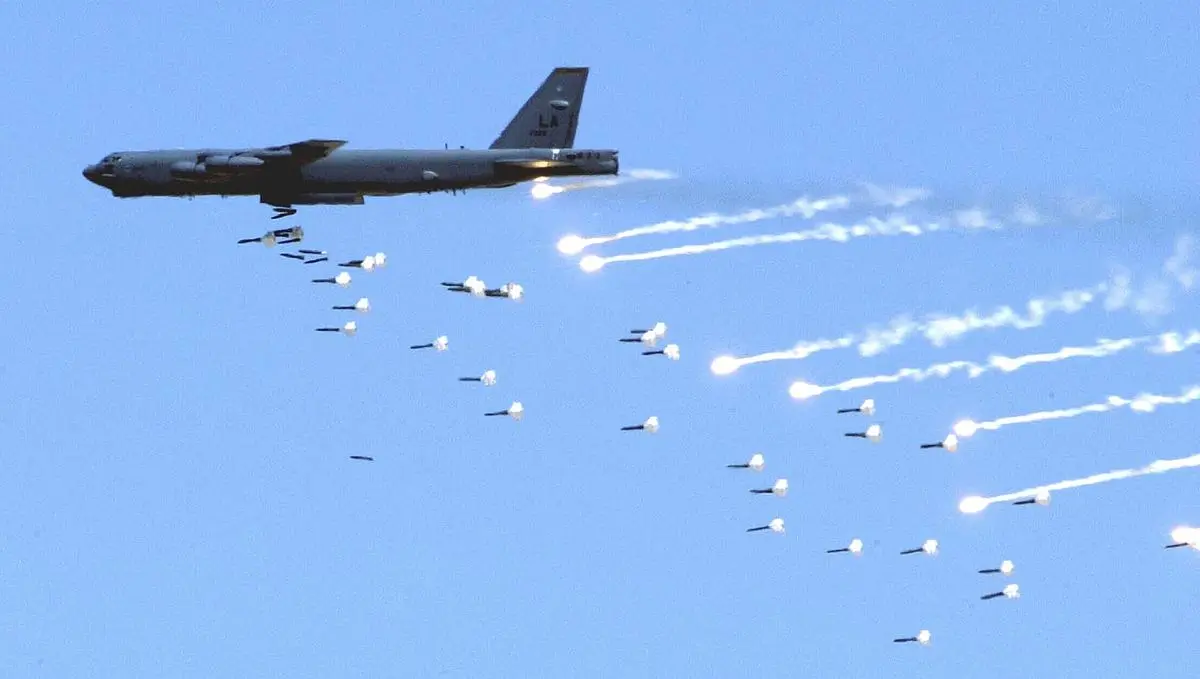
The B‑52 carries a large and flexible payload of approximately 70,000 pounds of mixed ordnance including bombs, cruise missiles and decoys. According to Boeing, its ability to employ both nuclear and conventional precision standoff weapons supports a variety of mission sets. The B‑1B, on the contrary, has the ability to hold up to 75,000 pounds of internal ordnance and is recognised for carrying the largest conventional load in the Air Force inventory, delivering precision and non‑precision weapons effectively.
Technology and targeting systems
The B‑1B’s design incorporates modern avionics including a synthetic aperture radar capable of tracking, targeting and engaging moving vehicles as well as self-targeting and terrain-following modes. It additionally has advanced navigation systems that support complex strike operations and rapid target engagement. The B‑52 has also undergone upgrades such as radar modernisation recently to improve situational awareness and prolong service life, according to Boeing.
Strategic roles today
The B‑52’s enduring presence and adaptability make it a cornerstone of US strategic deterrence, operating both nuclear and conventional missions with persistent global reach. On the other hand, the B‑1B’s speed, payload and advanced targeting make it a key asset for rapid conventional strike and precision missions worldwide.
Conclusion: complementary strengths
In essence, both, the B‑52 and B‑1B occupy distinct but complementary positions within the USAF bomber force. The B‑52 emphasises more on endurance, global range and adaptability, while the B‑1B brings speed, modern avionics and large conventional payloads to bear.
)
)
)
)
)