7 ways a fighter jet can evade enemy radar

Modern fighter jets are equipped with advanced stealth technology and tactics to avoid detection. Here are 7 key ways fighter jets can evade enemy radar:
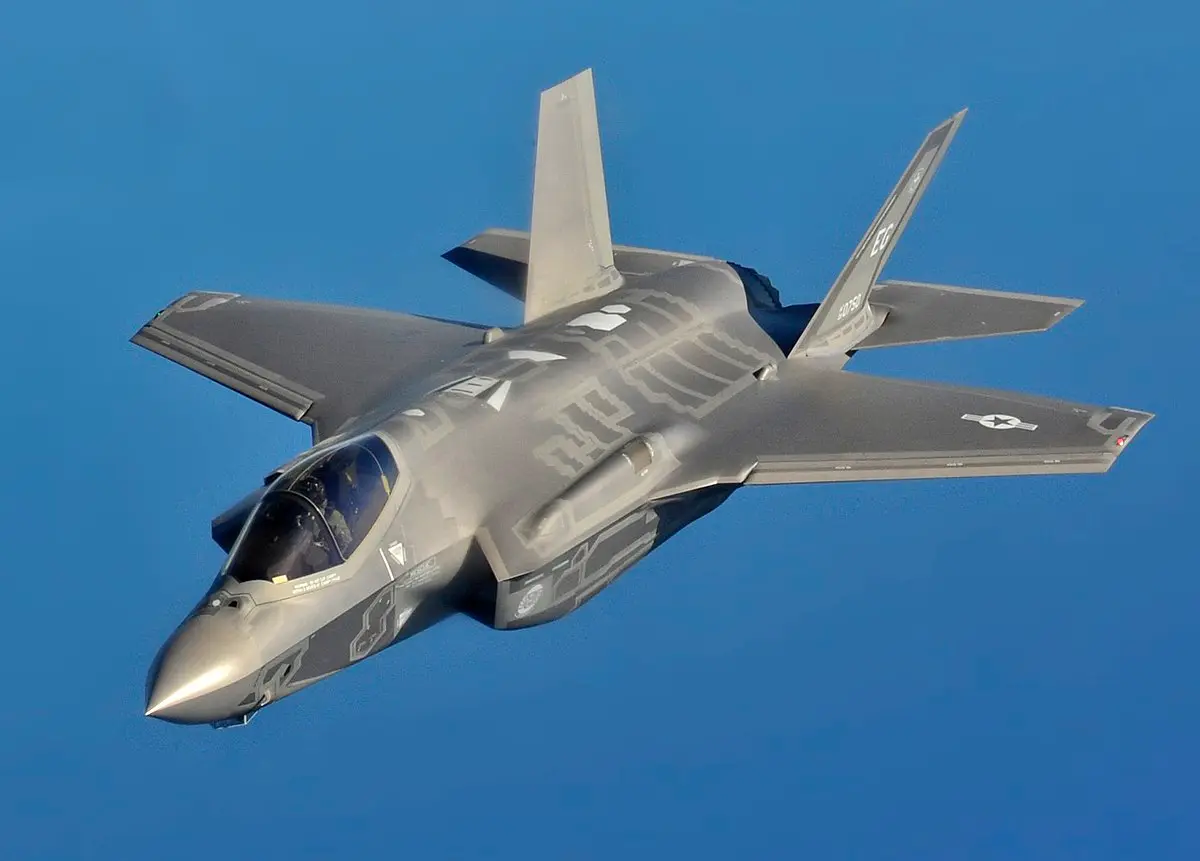
Stealth Design
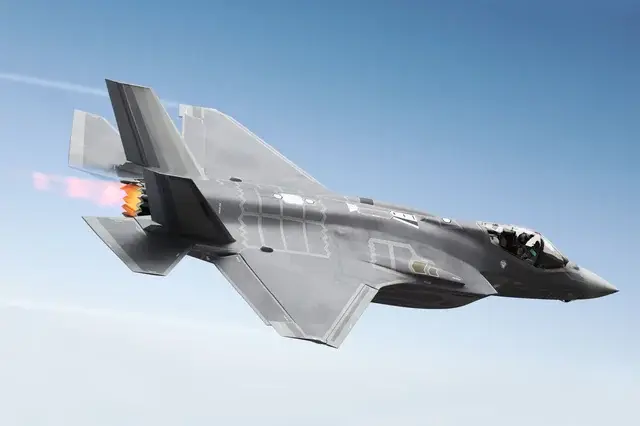
Fighter jets are built with angled surfaces and radar-absorbing materials that reduce radar reflections. Aircraft like the F-35 use this design to appear smaller or invisible to radar systems.
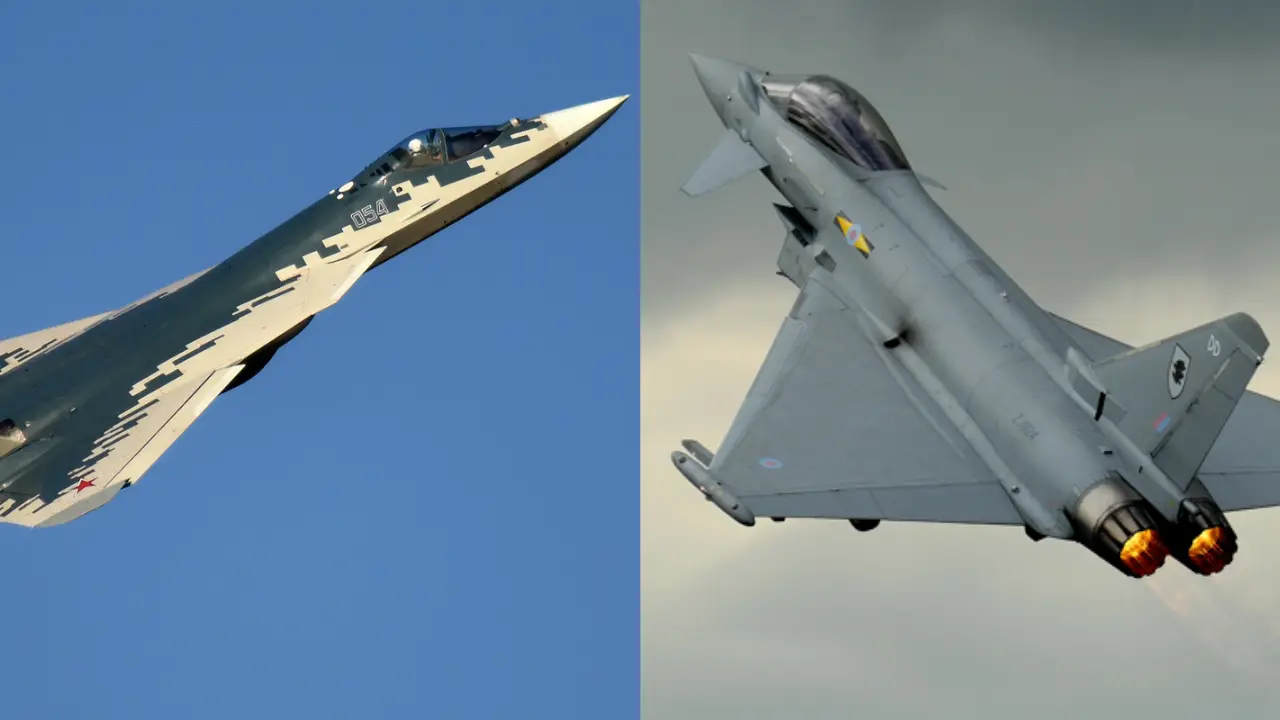
Electronic Countermeasures (ECM)
Jets carry ECM pods that can jam enemy radar signals, confuse tracking systems, or create false targets. This electronic warfare can allow a jet to bypass detection or targeting.
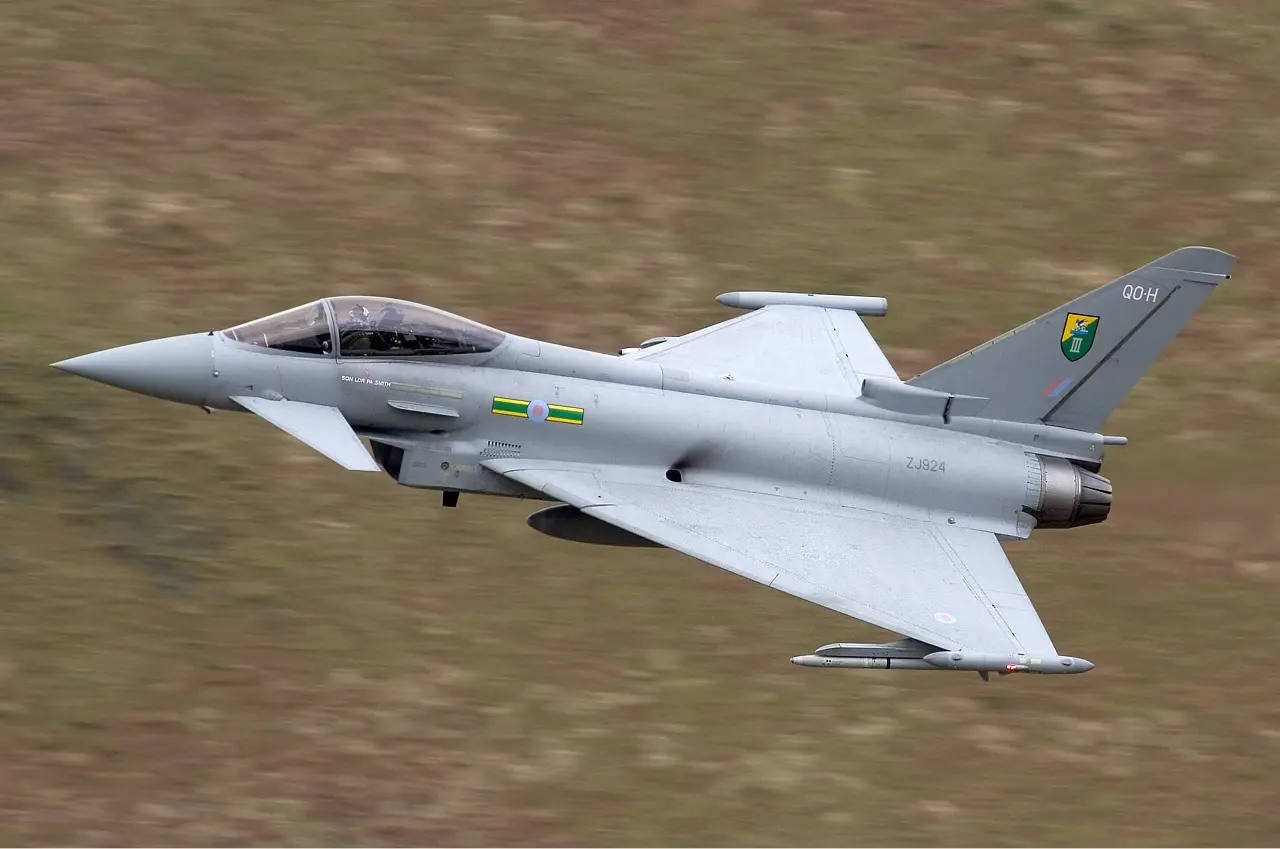
Low-Altitude Flight
Flying close to the terrain, such as mountains or valleys, helps jets avoid radar coverage. This “terrain masking” technique reduces the likelihood of being spotted by ground-based radar.
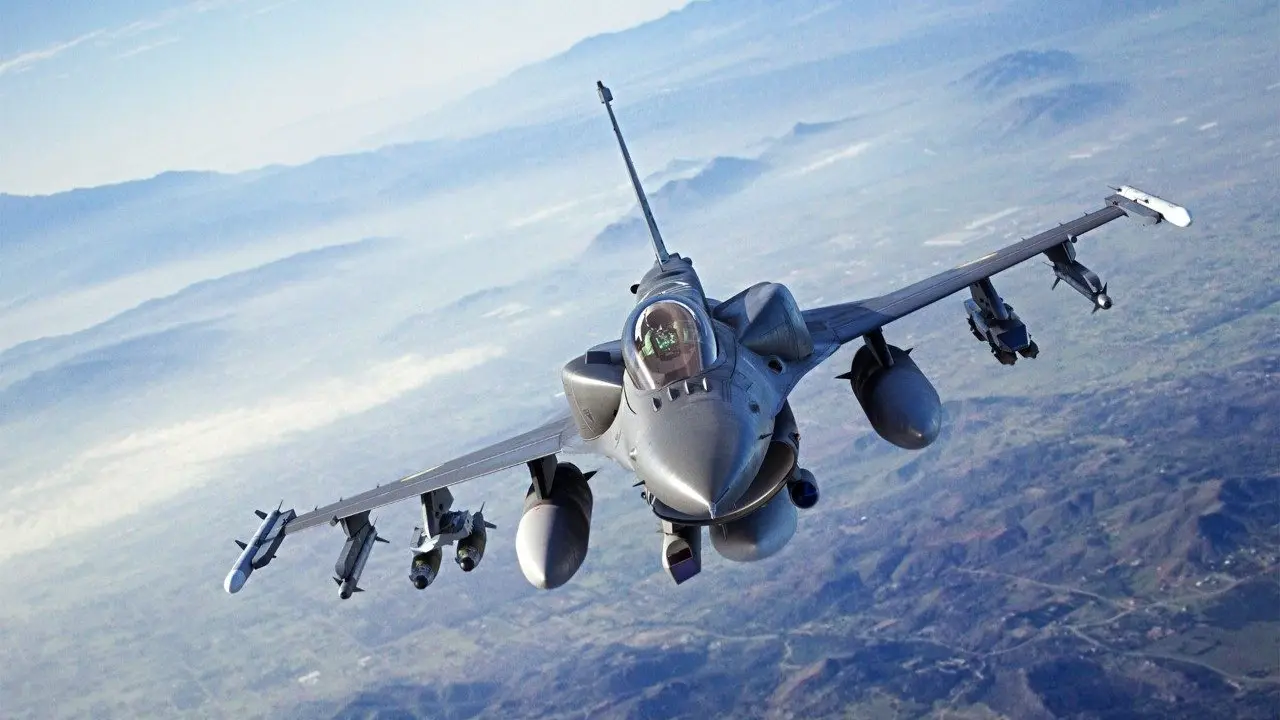
Radar Absorbing Paints and Coatings
Special radar-absorbent paints and coatings help reduce the radar cross-section. These materials prevent radar waves from bouncing back, making the jet harder to detect.
High-Speed Manoeuvres
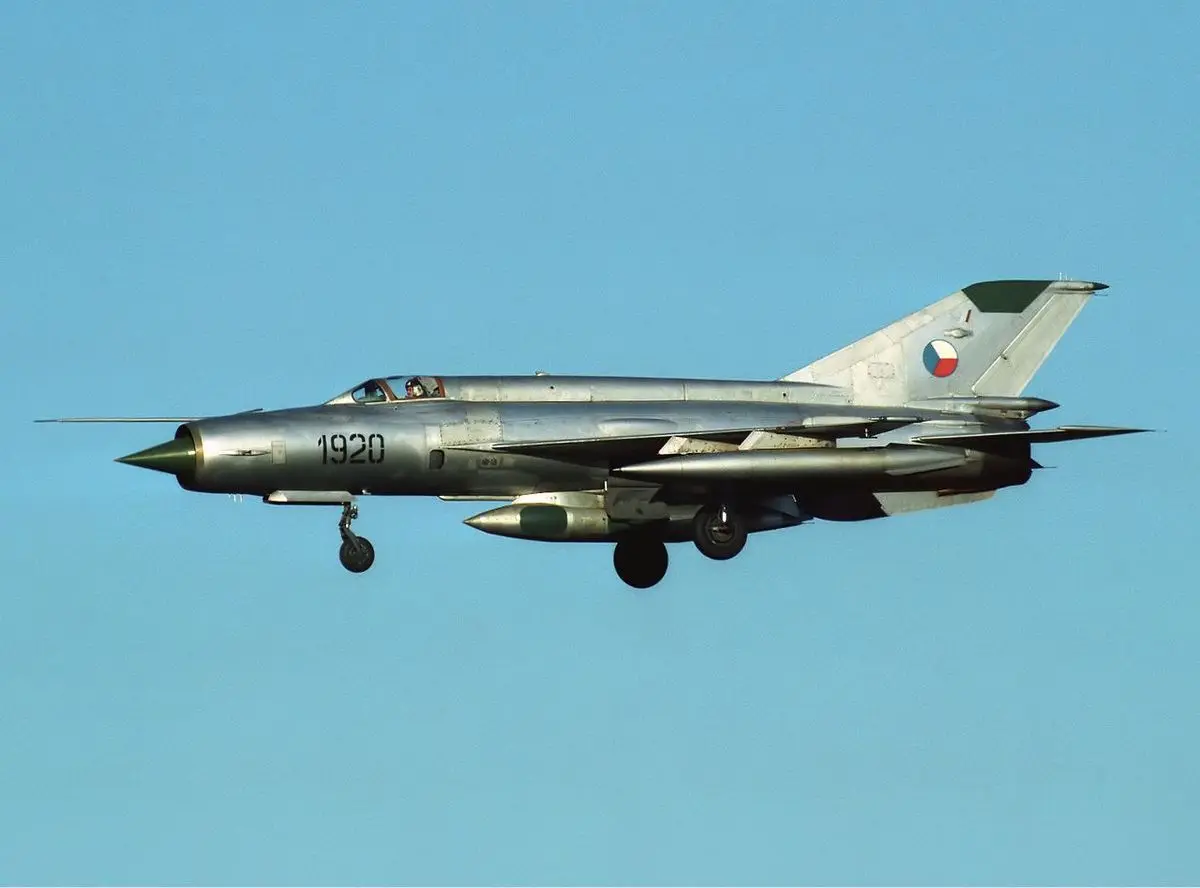
Rapid changes in direction and speed make tracking difficult. Fighter jets can perform sharp climbs, dives, or rolls to break radar locks or avoid missile guidance.
Infrared and Visual Camouflage
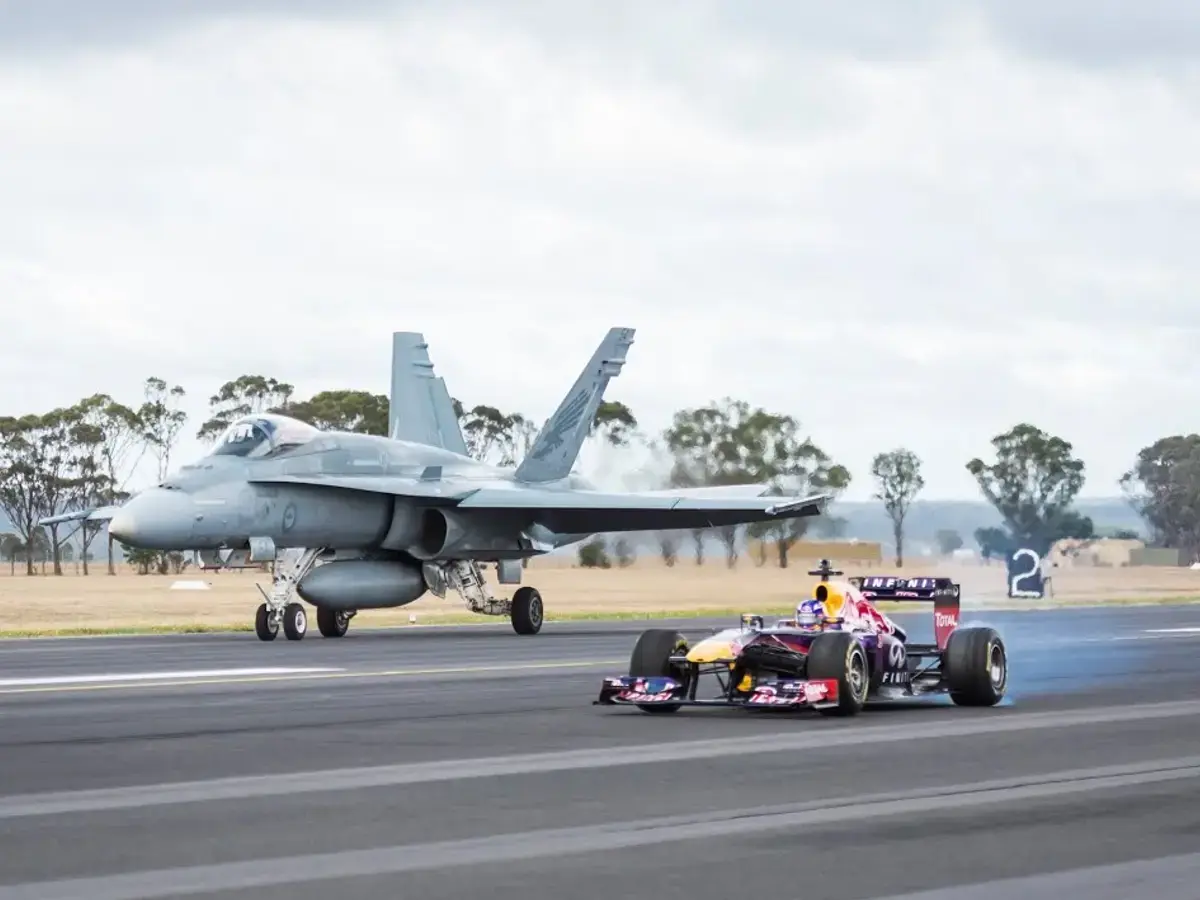
Besides radar, jets can use coatings to reduce infrared signatures, making them harder to detect by heat-seeking missiles. Camouflage paints and cloud cover can also help evade visual detection.
Use of Decoys and Flares
Jets can deploy radar-reflecting chaff and heat-emitting flares to mislead radar-guided and infrared-guided missiles. These decoys distract the enemy, giving the aircraft time to escape.
)
)
)
)
)