7 reasons why 3I/ATLAS's high-speed trajectory has military implications

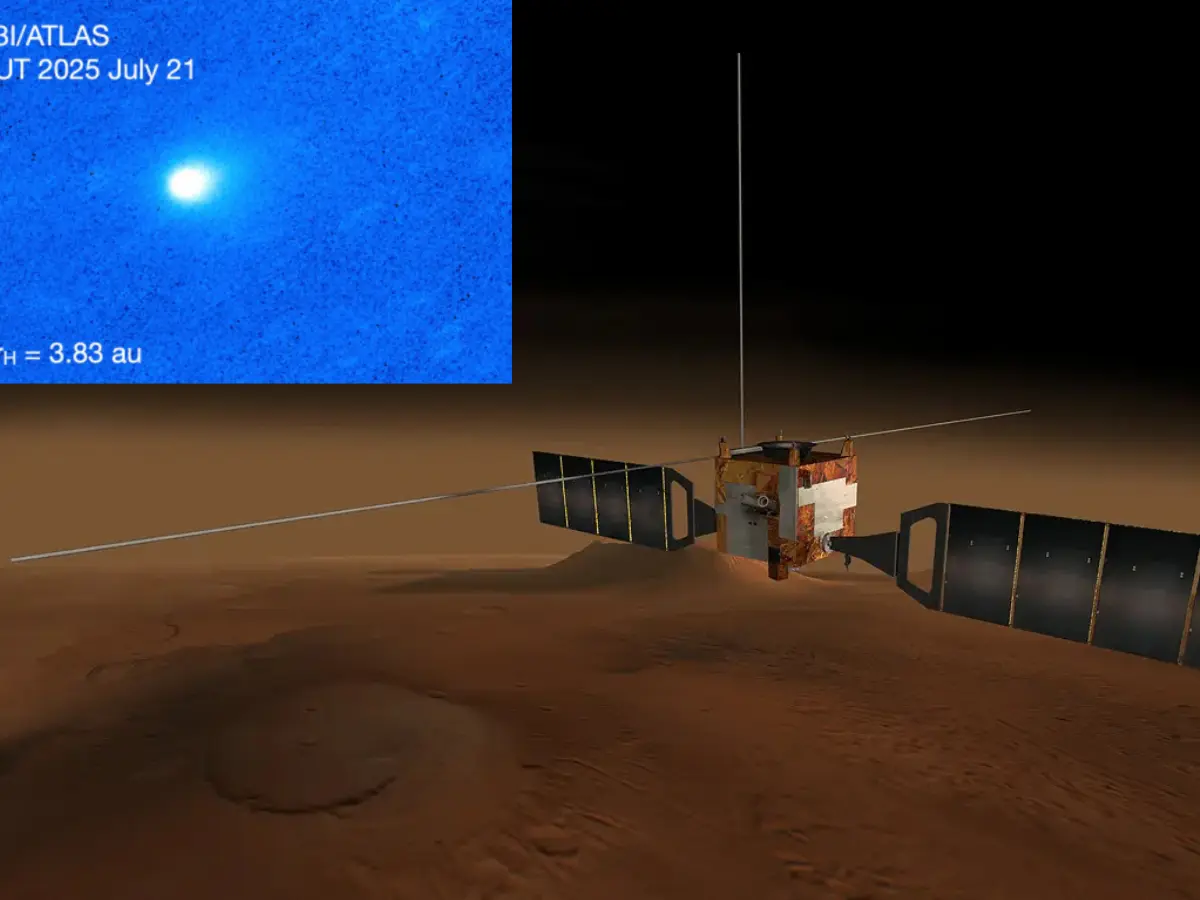
The interstellar object 3I/ATLAS isn’t just a scientific curiosity. Its extreme speed, unpredictable path, and unusual behaviour pose challenges for military monitoring, early-warning systems, and global defence strategies against potential space threats.
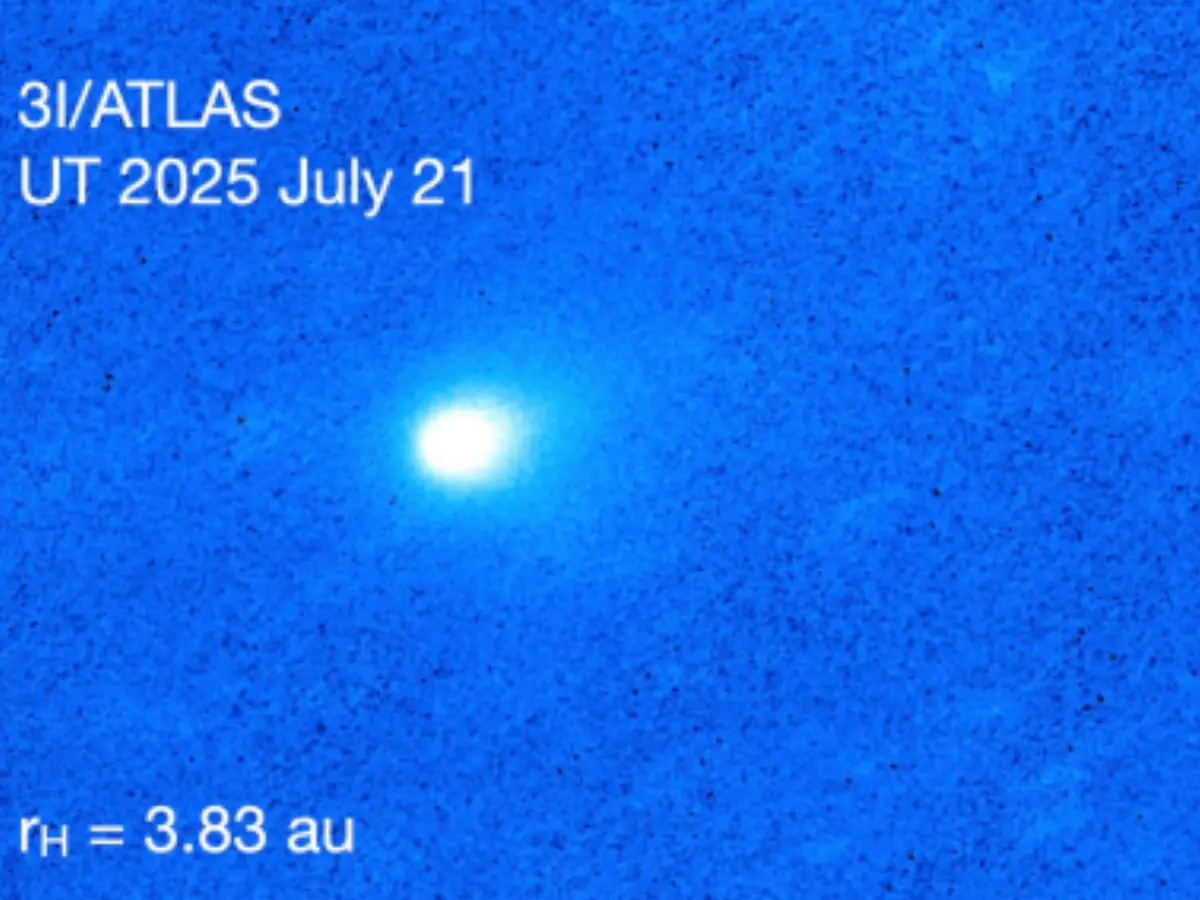
1. Unprecedented Velocity
3I/ATLAS travels at roughly 130,000 mph, making it extremely difficult to track. For military space monitoring systems, this high velocity tests the limits of current detection technology and response times.
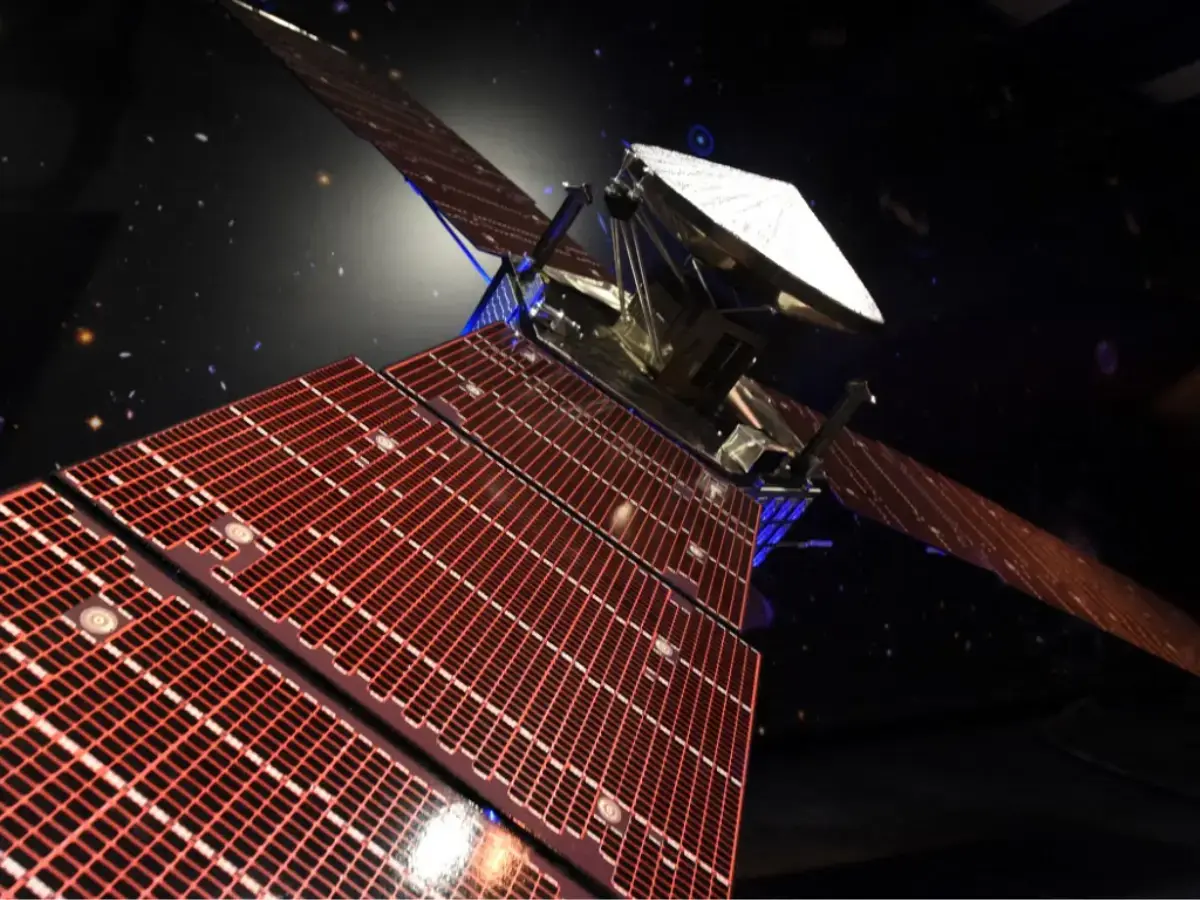
2. Unpredictable Trajectory
Unlike most near-Earth objects, 3I/ATLAS does not follow a standard orbital path. Its unusual trajectory forces defense agencies to rethink prediction models for interstellar threats.
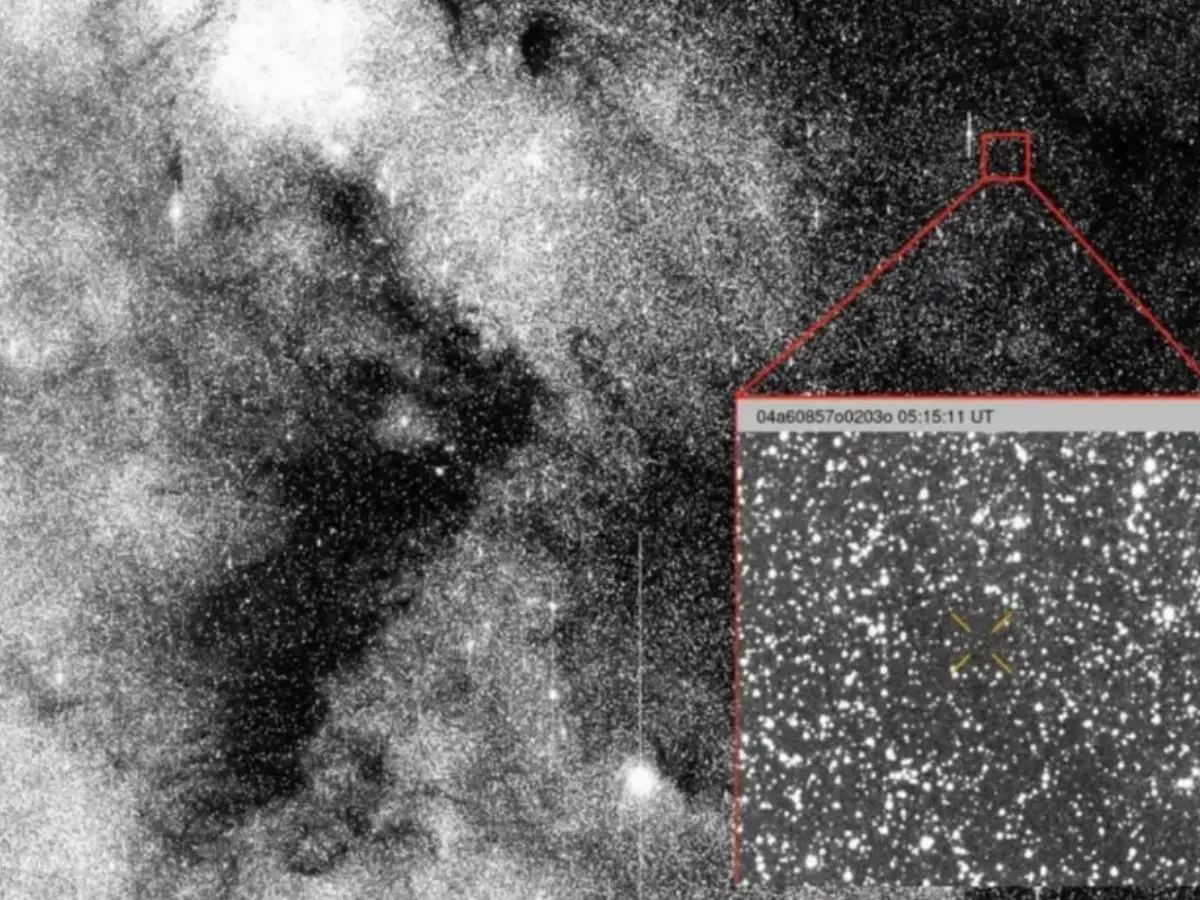
3. Challenges to Early-Warning Systems
Current military early-warning systems are optimized for asteroids and satellites within the solar system. 3I/ATLAS’s speed and irregular movement could temporarily evade detection, highlighting vulnerabilities in these systems.

4. Potential Threat to Space Assets
High-speed objects can collide with satellites, space stations, or military reconnaissance systems. While 3I/ATLAS poses no immediate threat, its trajectory underscores risks to space-based defense infrastructure.

5. Global Coordination Necessity
The comet’s rapid approach demonstrates the importance of international collaboration. Defense agencies must share real-time data to accurately track high-speed celestial objects and coordinate response measures.
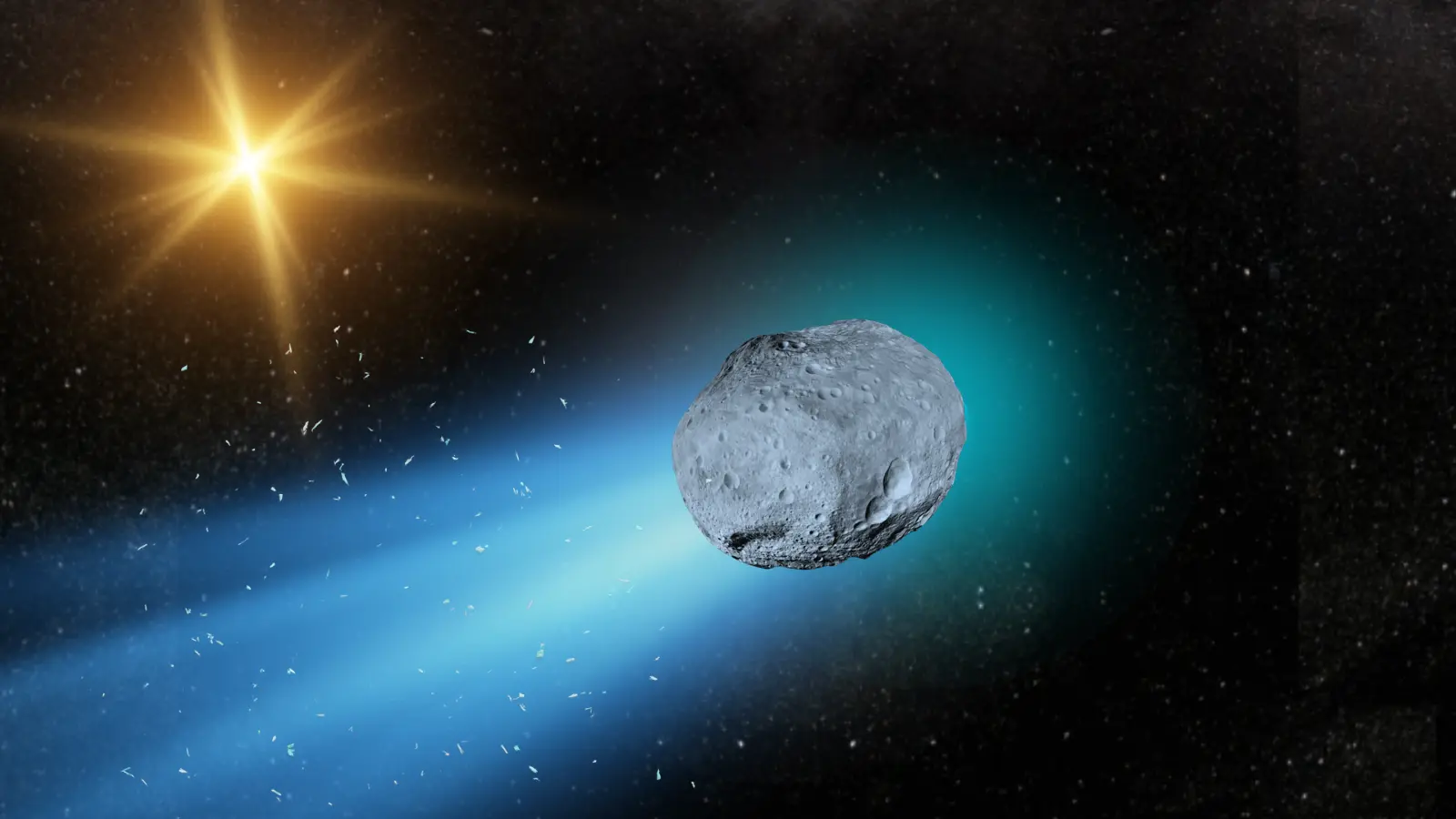
6. Stress Test for Military Simulations
3I/ATLAS serves as a real-world stress test for military space simulations, from missile defense scenarios to satellite maneuver planning, helping agencies identify gaps in preparedness.
7. Strategic Implications for Space Security
Its high-speed trajectory reinforces the need for updated space security strategies. Defense agencies are prompted to develop faster detection algorithms, contingency plans, and interstellar threat protocols.
)
)
)
)
)