7 reasons why 3I/ATLAS might be remembered like Halley’s Comet

Know why 3I/ATLAS will be remembered like Halley’s Comet? This rare visitor from beyond our solar system moves faster than anything seen before and carries strange cosmic secrets. Its brief, one-time visit is stirring wonder across the world.
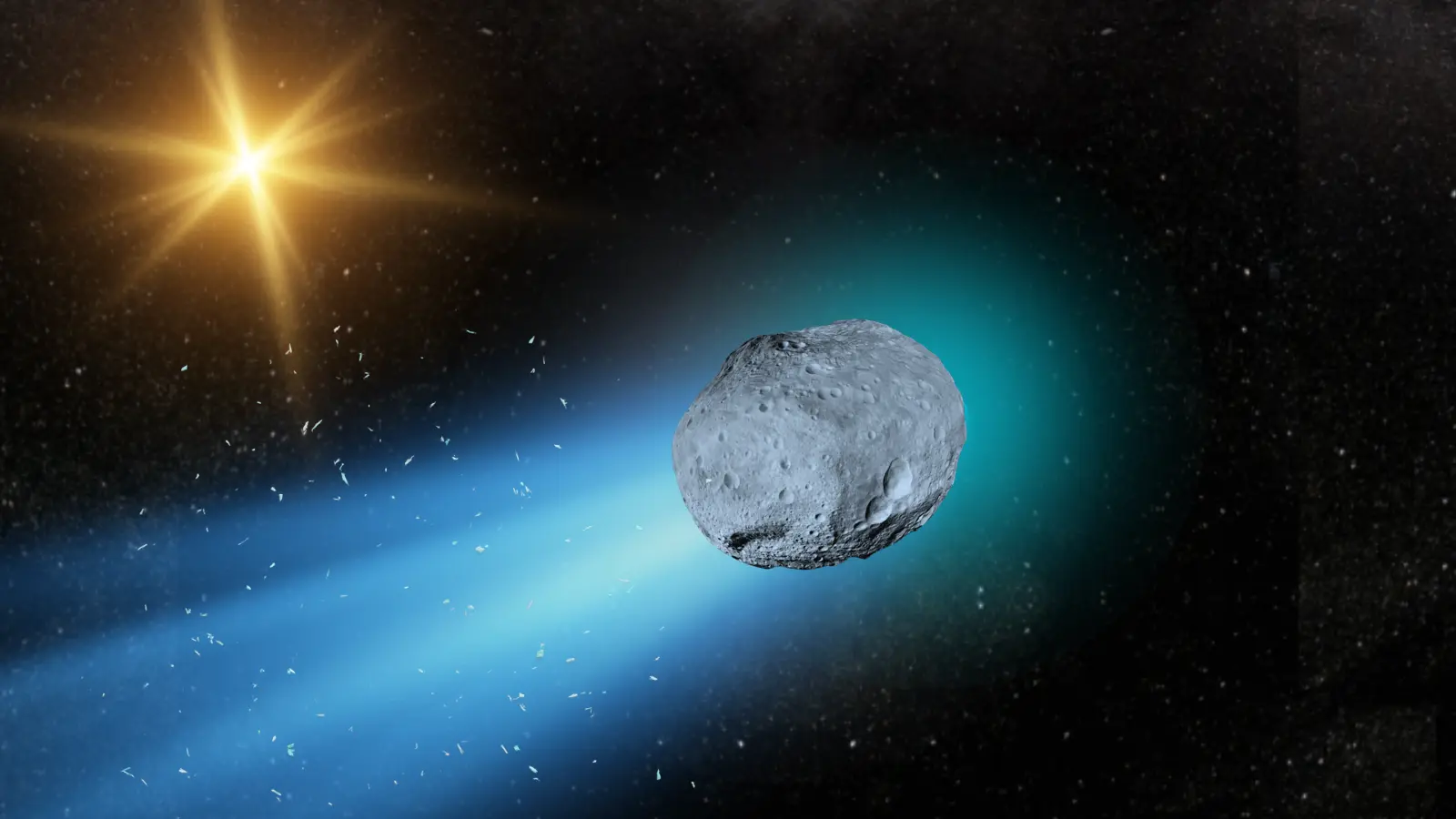
A Rare Visitor from Beyond
3I/ATLAS is only the third known comet to come from outside our solar system. Moving incredibly fast at about 137,000 miles per hour, it is not bound by the Sun’s gravity but just passing through. Such a rare visitor gives scientists a unique chance to study material from far beyond our home
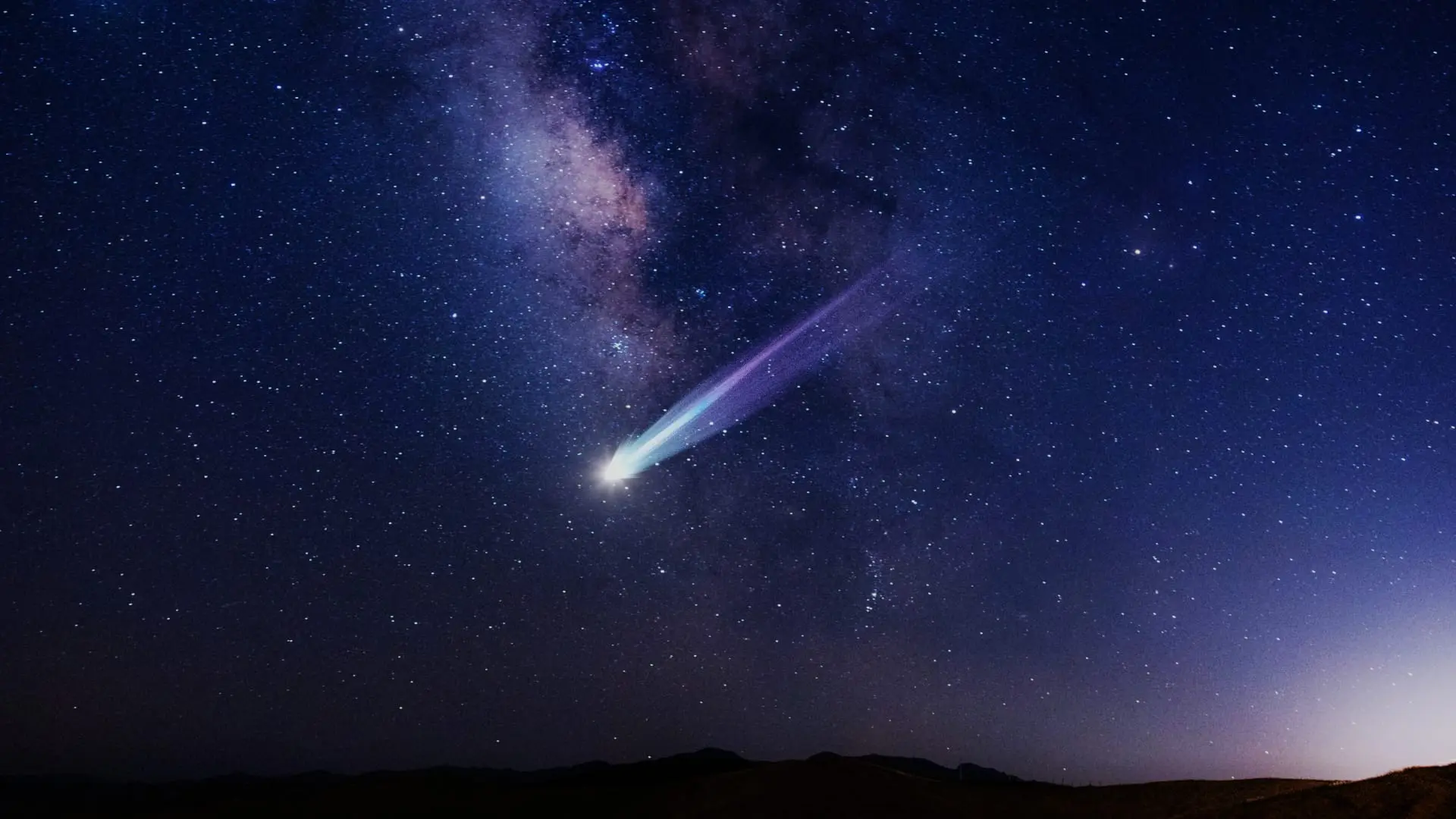
Older Than Our Sun
Scientists believe 3I/ATLAS could be up to 14 billion years old, possibly older than the Sun itself. It likely began its journey in the Milky Way’s ancient thick disk, carrying with it clues about stars and systems formed long ago. This makes it a living time capsule from the early universe.
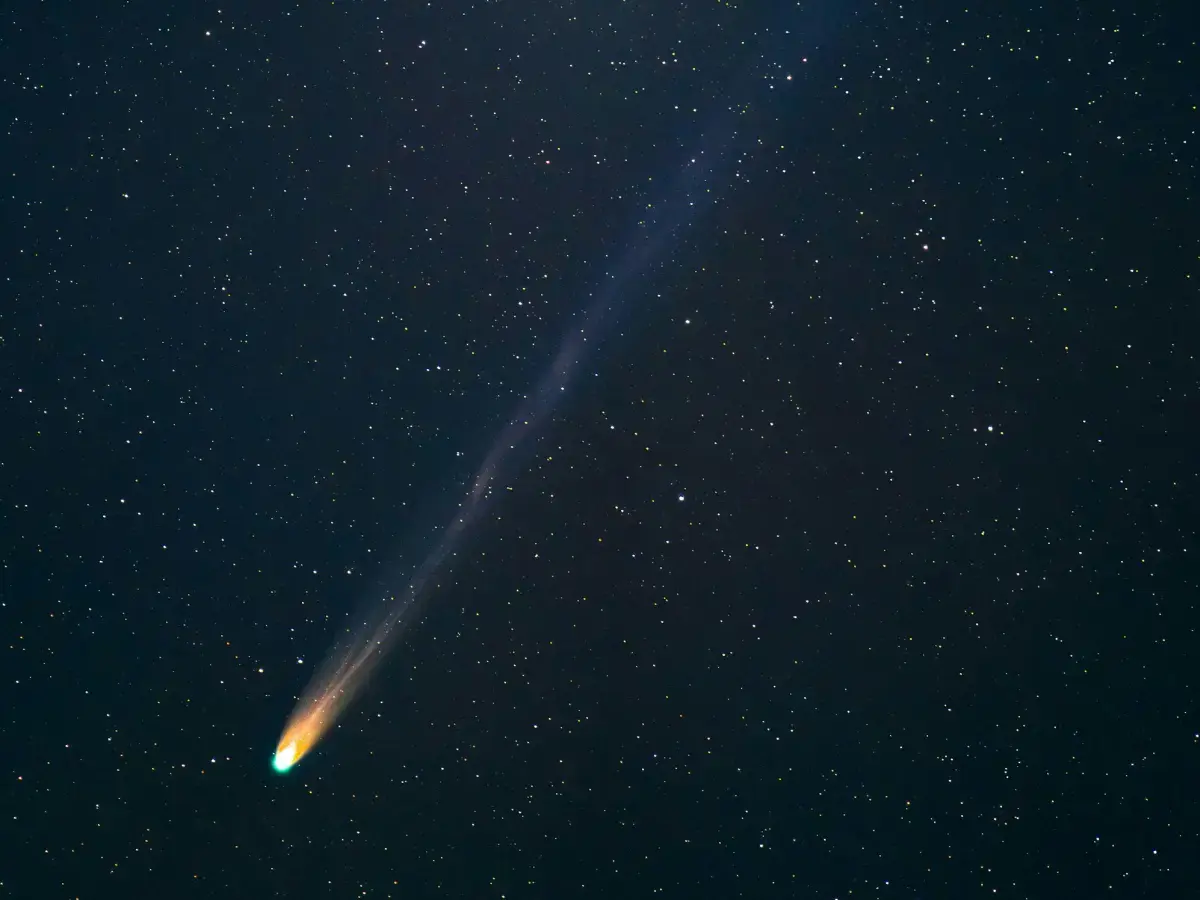
Small But Active Comet
Though its solid nucleus is less than 1 km wide, 3I/ATLAS shines brightly because it’s surrounded by a glowing coma, a cloud of gas and dust released as the Sun heats its icy surface. This dust tail makes the comet visible from Earth and tells us about its composition
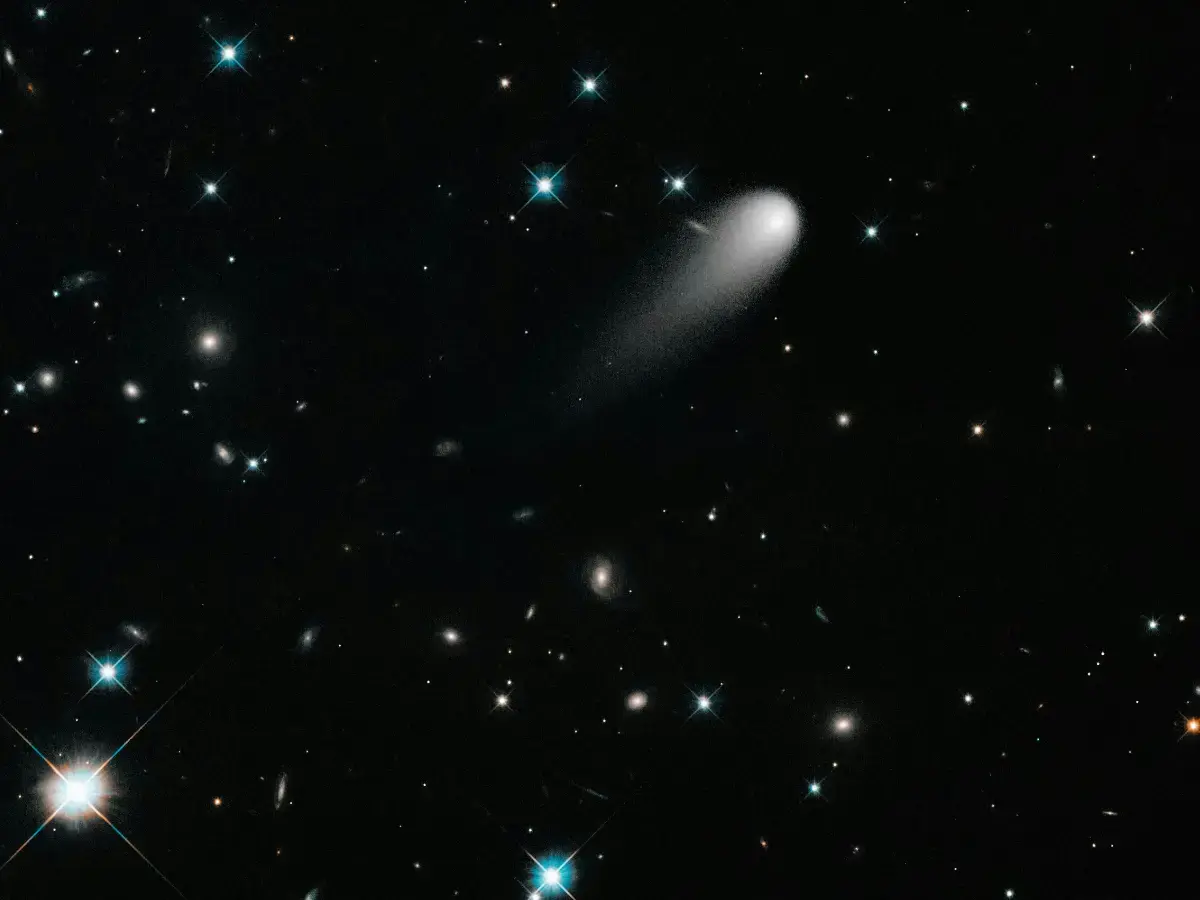
Speeding Like No Other
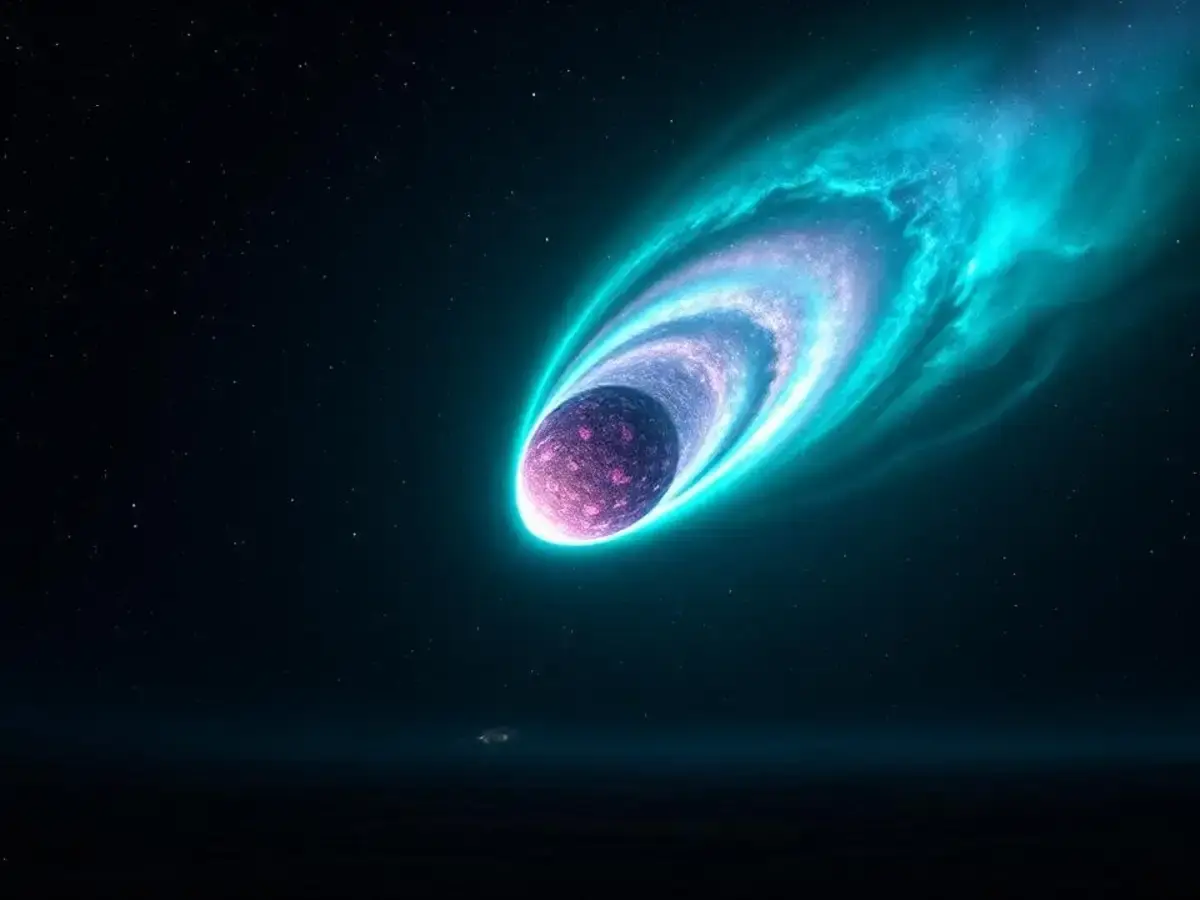
Traveling at around 210,000 kilometres per hour, 3I/ATLAS is the fastest comet ever spotted entering our solar system. Its hyperbolic, straight path confirms it is just visiting once, never to return. This speed signals its true origin from interstellar space, far beyond our solar home.
A Chemical Treasure Trove
The comet contains unusual chemicals like carbon dioxide, small amounts of water ice, and even nickel gas, elements not common in typical solar system comets. These findings allow scientists to compare materials in different parts of the galaxy and better understand how planets form.

A Global Scientific Effort
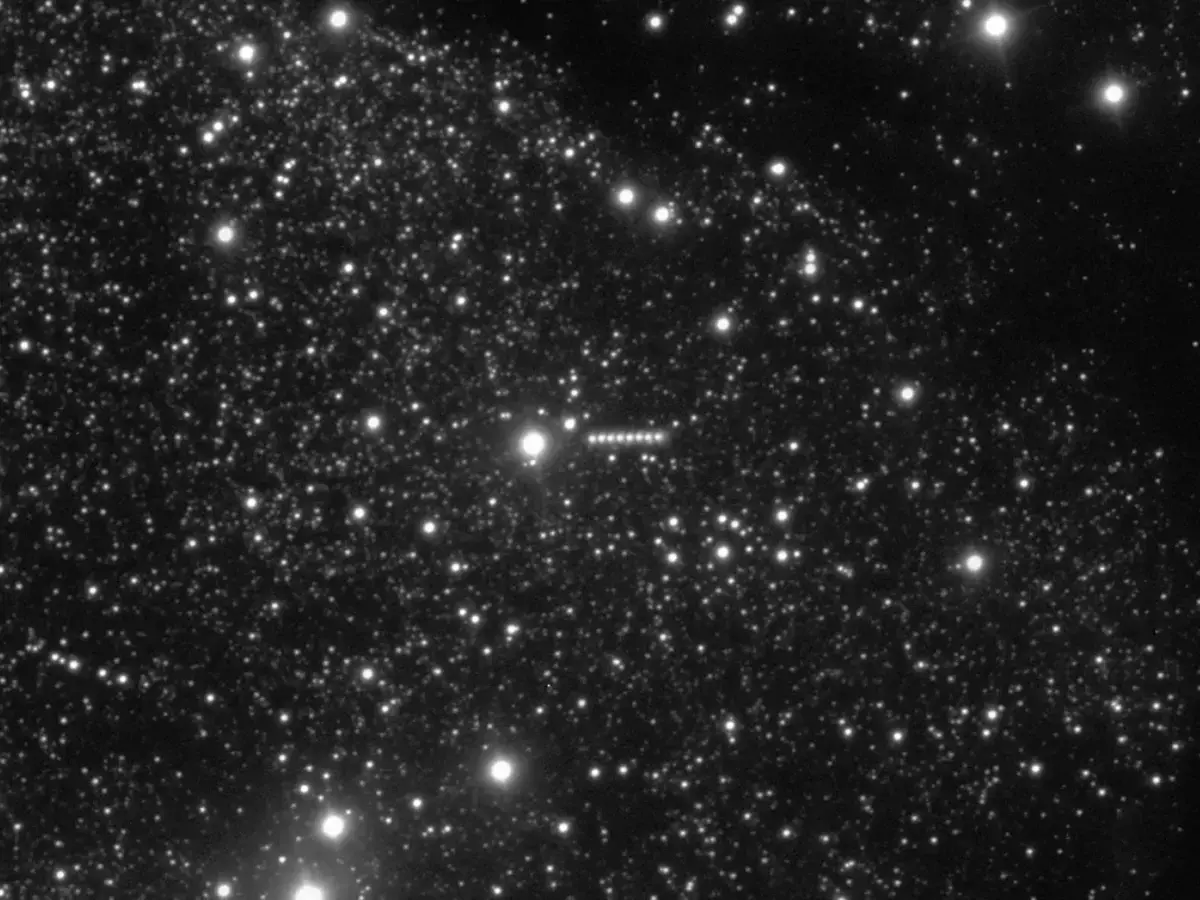
Space agencies around the world quickly joined forces to observe 3I/ATLAS. Telescopes on Earth and in space, along with probes near Mars and Jupiter, are tracking its path to learn as much as possible. This worldwide teamwork reflects the comet’s importance for science
A Once-in-a-Lifetime Show
Unlike Halley’s Comet, which returns every 76 years, 3I/ATLAS will pass through the solar system only once. Its unique blend of speed, age, and chemistry means we may never see a comet quite like this again. It promises to be a memorable celestial event for years to come.
)
)
)
)
)