7 reasons why 3I/ATLAS could spark a new space arms race

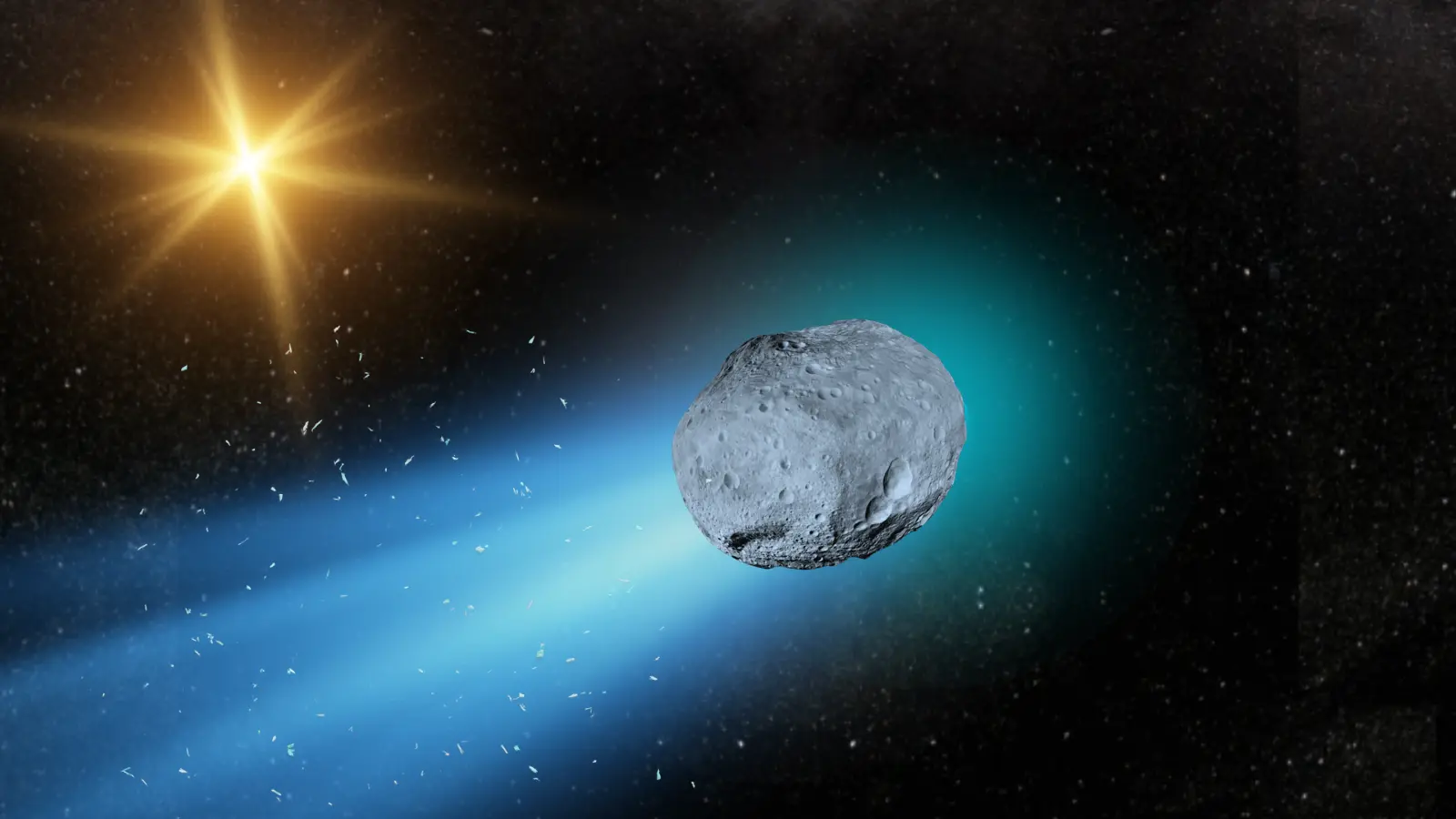
The mysterious interstellar object 3I/ATLAS isn’t just a scientific anomaly, it’s also raising serious concerns among global defence agencies. Its size, trajectory, and unknown origin could push nations into a new era of space militarisation.
1. A Mysterious High-Speed Object Near Strategic Planets
3I/ATLAS is zipping through the solar system at a unique trajectory, passing unusually close to Mars, Venus, and Jupiter. Its path resembles a deliberate survey route, raising red flags among defence analysts who see parallels to reconnaissance missions.
2. Potential for Alien Technology Inference
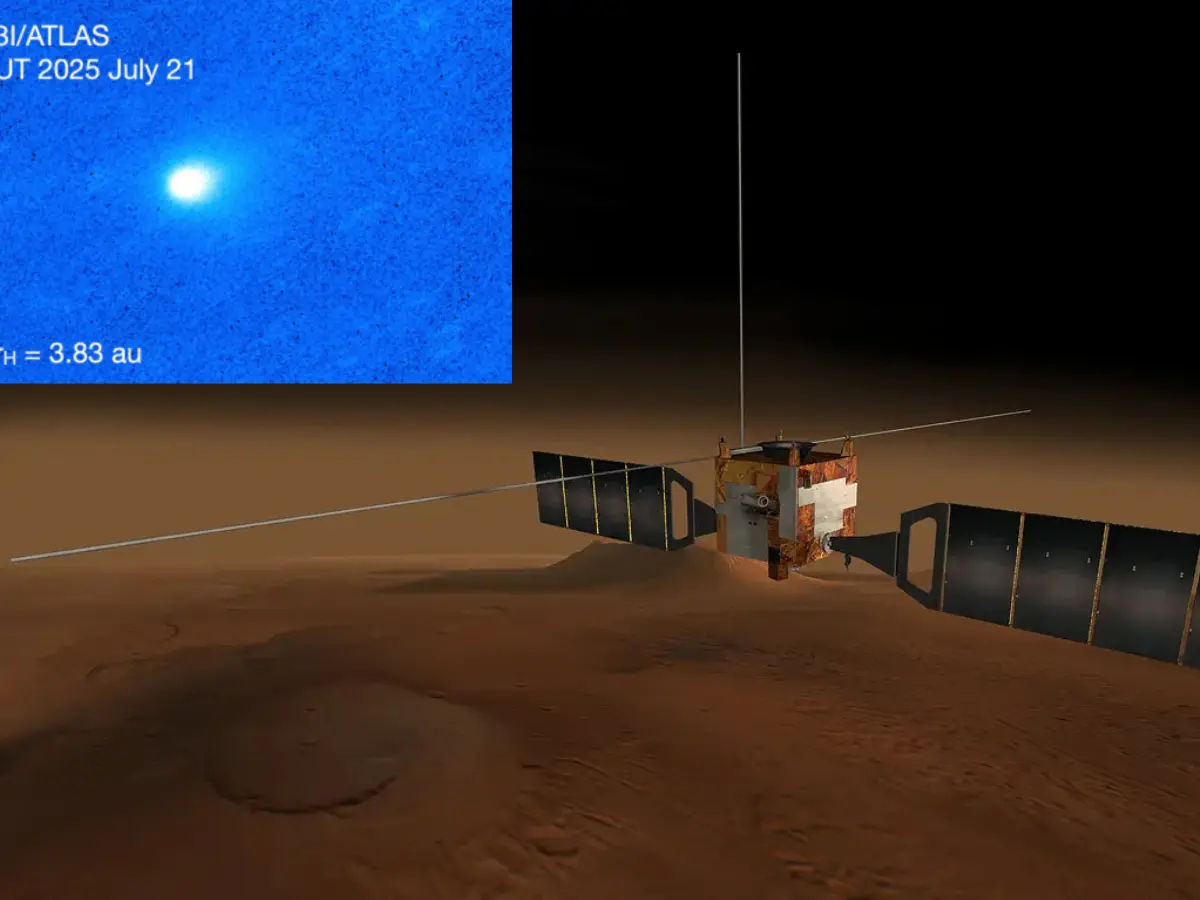
Some researchers, including Harvard’s Avi Loeb, have suggested that 3I/ATLAS could be a technological artifact, possibly an alien probe. Even without proof, this possibility is enough to trigger nations to boost surveillance and defence capabilities in space.
3. Lack of Early Detection Highlights Strategic Gaps
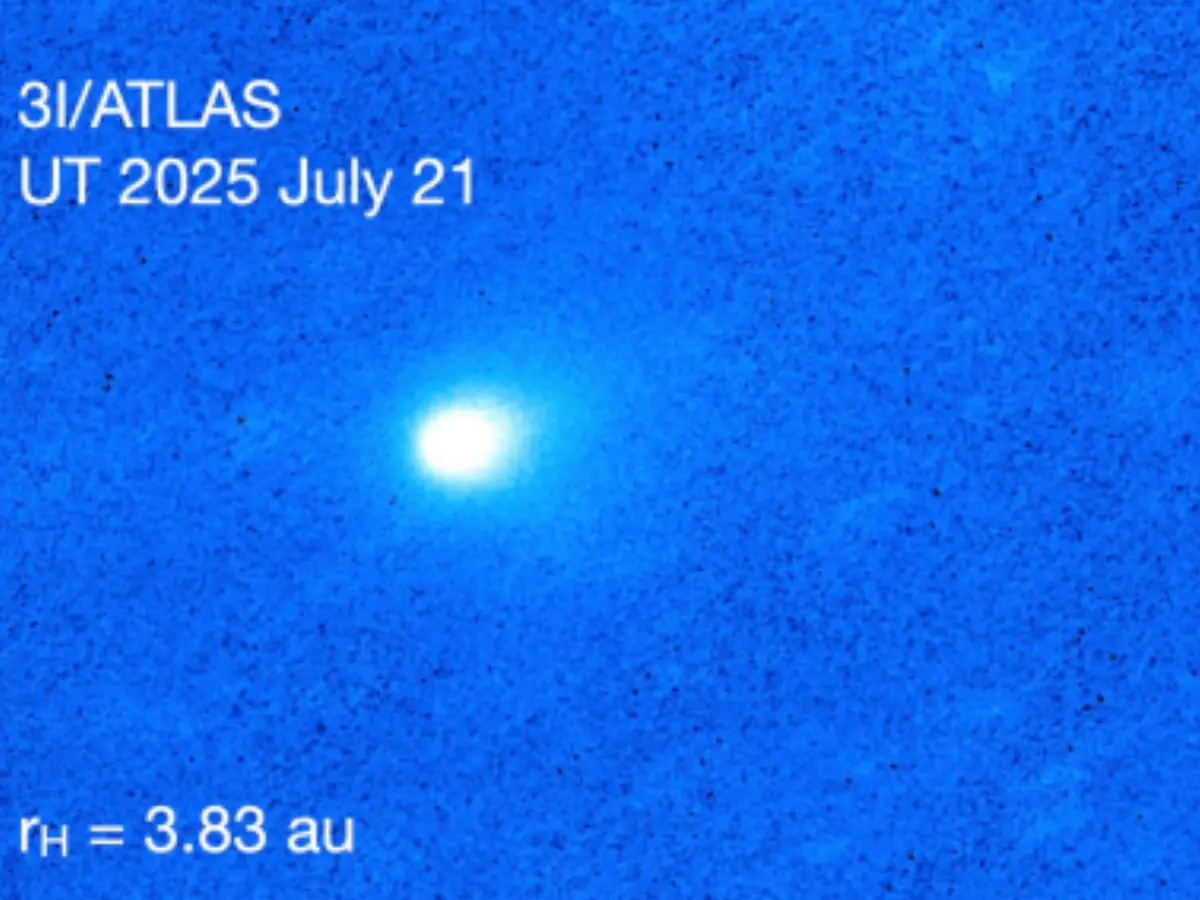
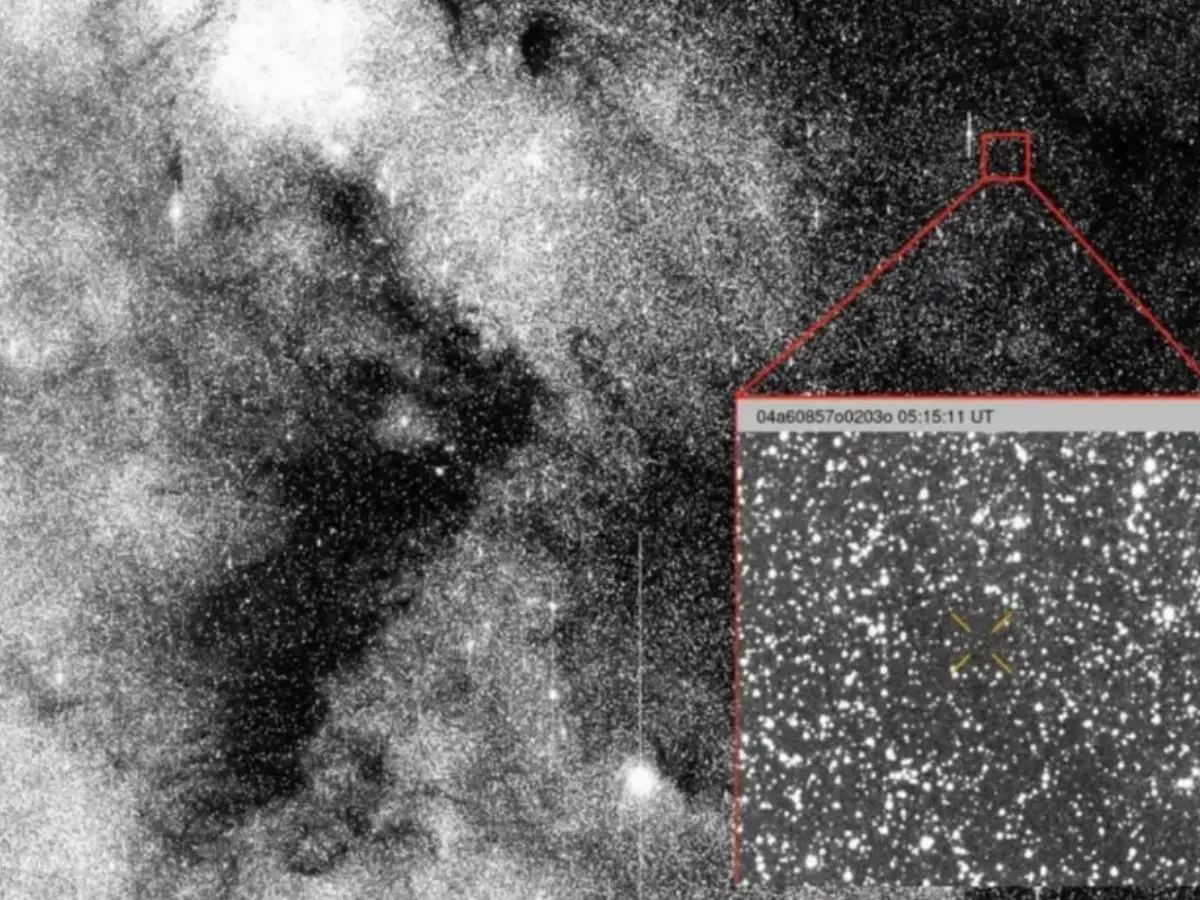
Despite its massive size, 3I/ATLAS was only detected in July 2024. This delay has exposed vulnerabilities in global space monitoring systems, especially for fast-moving objects entering from interstellar space. Countries may respond by investing heavily in early-warning infrastructure.

4. Growing Military Interest in Deep Space Tracking
Defense agencies in the US, China, India, and Europe are already expanding their space situational awareness programs. The sudden arrival of 3I/ATLAS is likely to accelerate funding for deep-space radars, AI-powered telescopes, and orbital defence satellites.

5. Trigger for Weaponisation of Orbit
While most current military satellites are used for observation and communication, 3I/ATLAS’s unpredictable trajectory may prompt nations to explore offensive and defensive systems in orbit — including kinetic interceptors, directed energy weapons, and AI defence grids.
6. Catalyst for International Competition
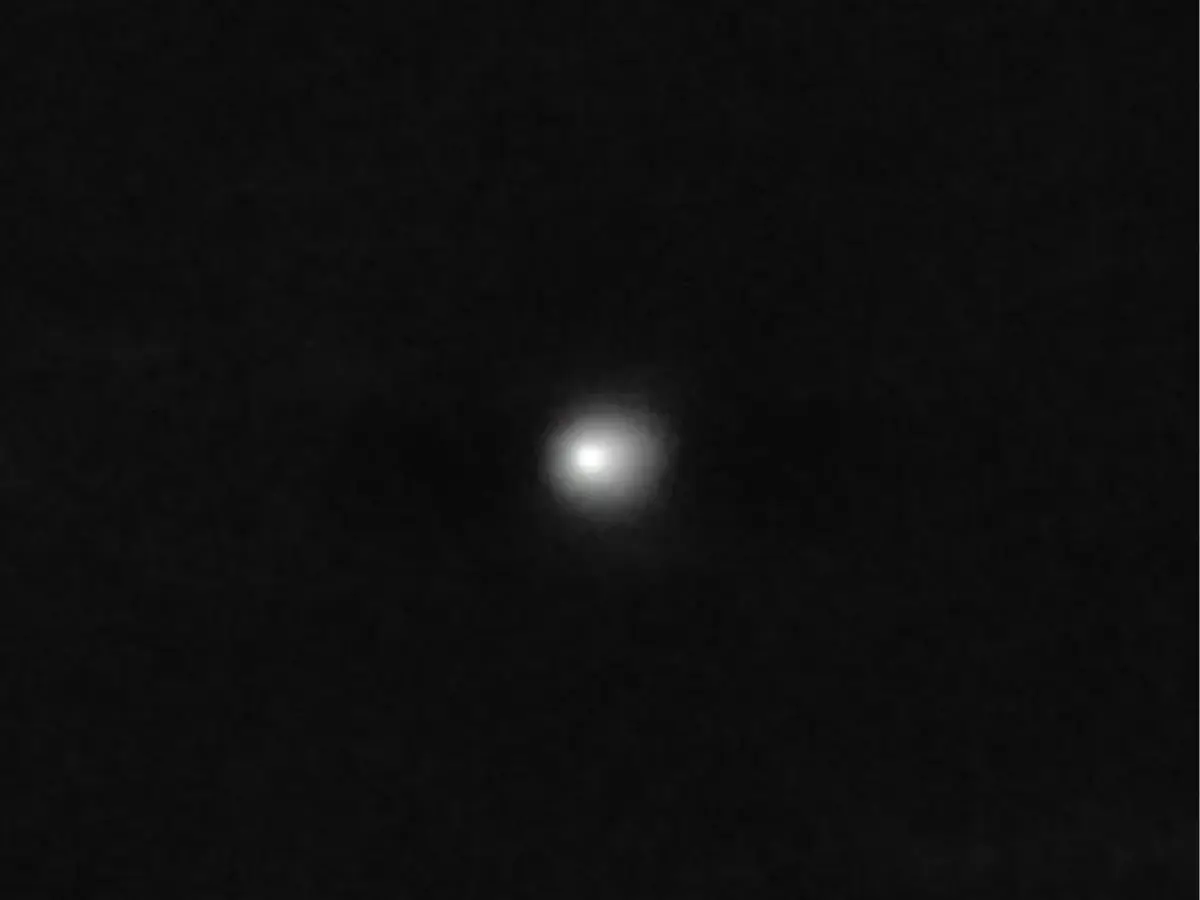
Just as the Cold War’s Space Race began with the launch of Sputnik, 3I/ATLAS could become the spark for a new rivalry, this time focused not just on reaching space, but securing it. Countries may compete to establish dominance over detection, interception, and control systems.

7. Strategic Opportunity for New Space Powers
Emerging space nations like India, Japan, and the UAE could use the 3I/ATLAS moment to fast-track defence programs and claim leadership roles in global space security frameworks, intensifying competition with established powers like the US and China.
Bottom Line
Whether natural or artificial, 3I/ATLAS has forced the world to look at space not just as a scientific frontier but as a potential battlefield. The race to detect, understand, and defend against unknown cosmic visitors might just ignite the next great arms race… above our heads.
)
)
)
)
)