7 reasons why 3I/ATLAS could have been a global disaster if on collision course

If this celestial visitor had been on a direct path toward Earth, its sheer size, speed, and unpredictable behaviour could have triggered an unprecedented global crisis.
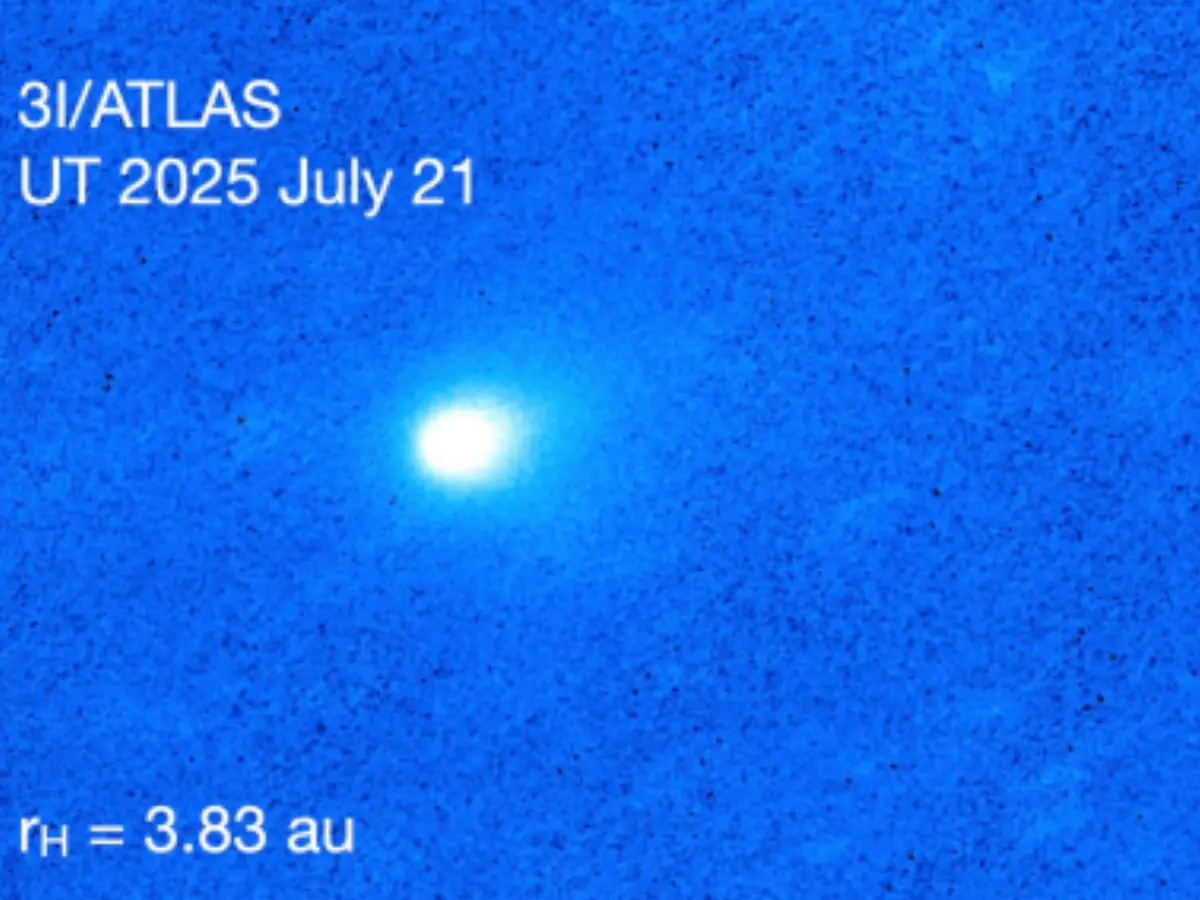
1. Manhattan-Sized Mass Equals Unthinkable Impact Energy
Scientists estimate that 3I/ATLAS weighs over 33 billion tons, with a nucleus larger than 3.1 miles across. An object of this magnitude impacting Earth would release energy millions of times greater than the Hiroshima bomb, potentially wiping out entire regions or worse, triggering a planet-wide extinction event.
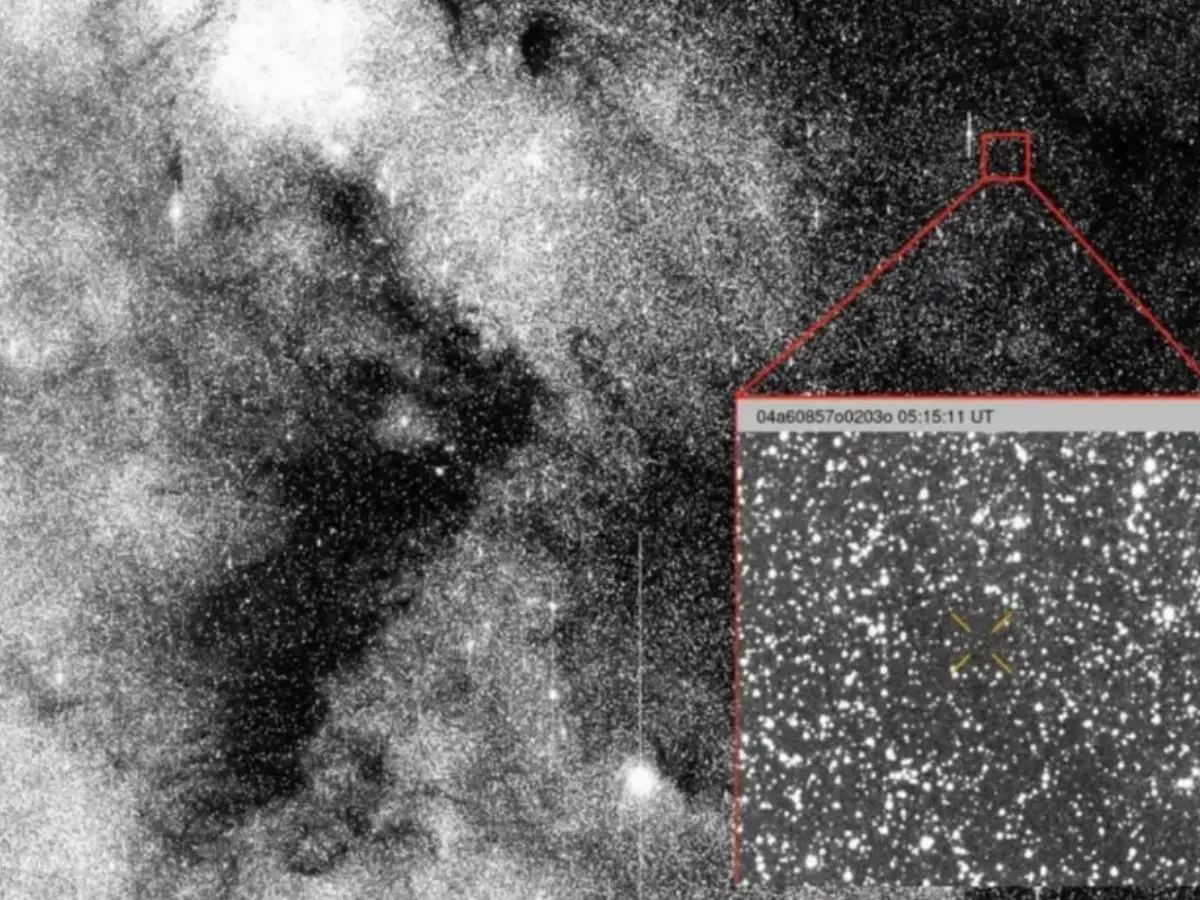
2. Interstellar Speed Reduces Reaction Time
Unlike near-Earth asteroids that follow predictable orbits, interstellar objects travel at far higher velocities. This gives Earth very little warning time to detect and respond to a potential impact. Even a few months’ notice may not be enough to mount a meaningful defence.
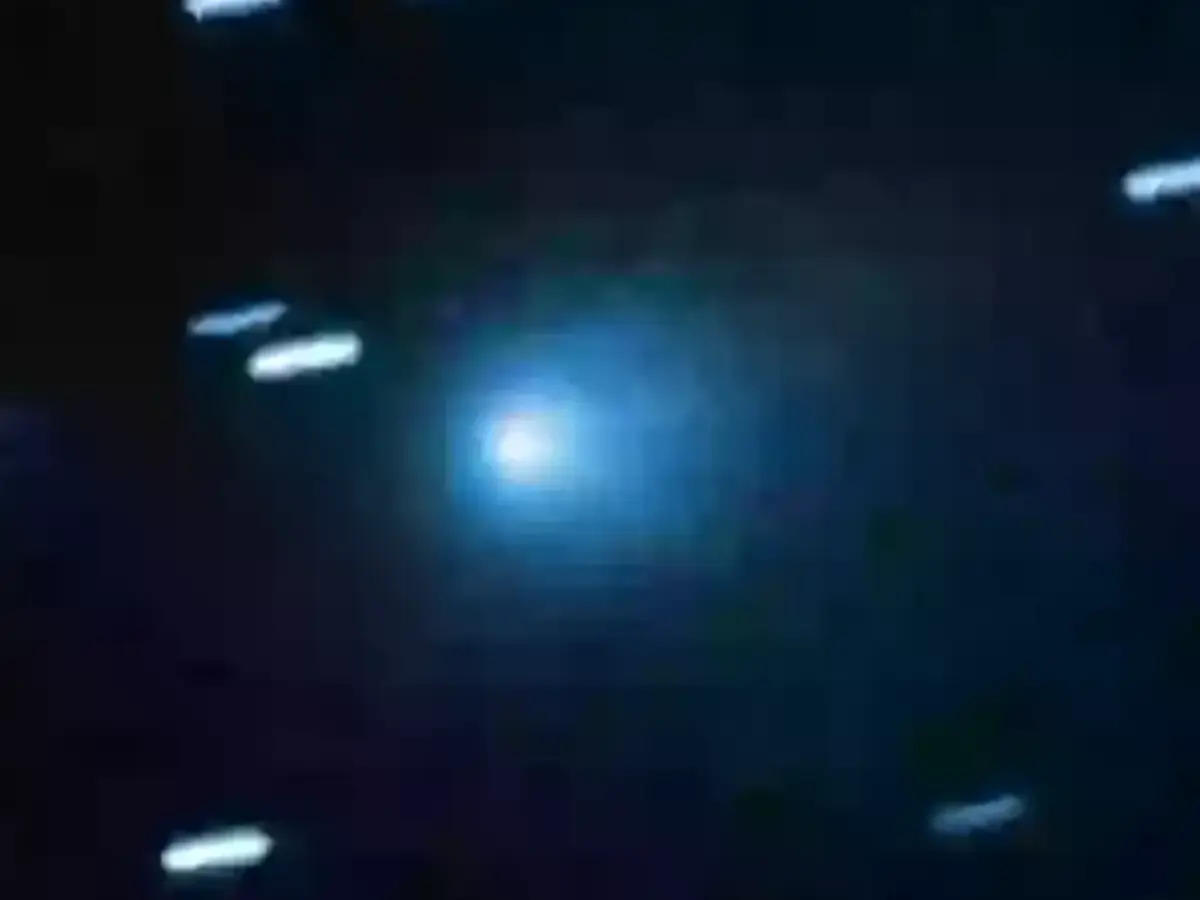
3. Trajectory Unpredictability Complicates Defense
3I/ATLAS is on a hyperbolic trajectory, making it more difficult to model its path accurately compared to objects orbiting the Sun. Small errors in trajectory prediction could dramatically change impact location scenarios, making coordinated global responses harder.
4. Unknown Composition Increases Risk
Scientists still don’t know the exact physical structure of 3I/ATLAS. If it’s porous, metallic, or hollow, its interaction with Earth’s atmosphere and impact energy would differ drastically. This uncertainty makes it hard to design a reliable mitigation plan.
5. Potential for Secondary Global Effects
Beyond the initial impact, a 3I/ATLAS collision could kick up massive dust clouds, trigger megatsunamis, or cause climate-altering events, similar to the Chicxulub impact that led to the extinction of the dinosaurs. The aftermath could lead to years of global cooling and agricultural collapse.
6. Current Deflection Systems Are Inadequate
Humanity’s existing planetary defence tools, like NASA’s DART mission, are not designed for fast-moving, massive interstellar objects. A Manhattan-sized body traveling at extreme speed would likely overwhelm all current kinetic impactor or nuclear deflection strategies.
7. Global Coordination Is Too Slow for Such Threats
Even if the object was detected, geopolitical and logistical delays could cost precious time. A disaster scenario involving 3I/ATLAS would require immediate, unified global action, something the current planetary defence infrastructure is not fully capable of.
Why it matters
3I/ATLAS may not be on a collision course now but its discovery is a stark reminder of how vulnerable Earth is to interstellar threats. Its sheer scale and speed would make it unlike anything humanity has ever faced, forcing space agencies and defence bodies to rethink preparedness for cosmic disasters.
)
)
)
)
)